
When travelers and history enthusiasts venture into the heart of the United States, the Oklahoma City metropolitan area often surprises them with its diverse architectural landscape and complex history. While many associate the city with the Oklahoma City National Memorial or the vibrant Bricktown district, one facility frequently piques the curiosity of visitors and researchers alike: the Federal Transfer Center. Situated near the bustling downtown core, this institution serves as a critical node in the federal justice system, standing as a significant, albeit sobering, architectural landmark within Oklahoma.
Understanding the Federal Transfer Center
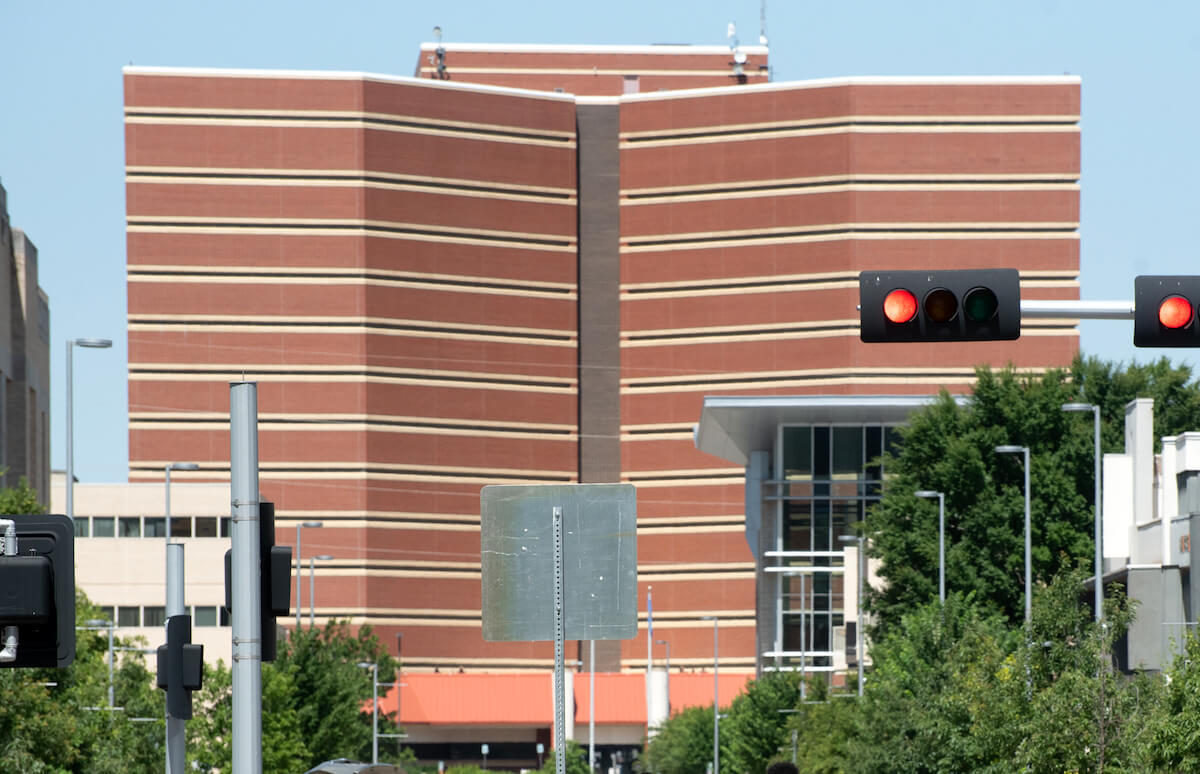
The Federal Transfer Center in Oklahoma City is not a traditional long-term penitentiary but rather a highly specialized administrative facility. Operated by the Federal Bureau of Prisons, its primary function is the temporary housing and transit of individuals moving through the federal court system.
Purpose and Functionality
Unlike a standard correctional facility where inmates serve long-term sentences, this location acts as a hub—a literal transfer point for people being transported between other institutions, court hearings, or medical facilities across North America. Its strategic placement in the central United States makes it an ideal waypoint for logistics involving federal detainees.
For those interested in the infrastructure of Oklahoma, the facility represents the immense coordination required to manage a federal penal system that spans thousands of miles. The architecture reflects its pragmatic, high-security purpose, fitting into the urban landscape while maintaining the strict perimeter controls expected of a federal installation.
The Significance of Federal Facilities in Oklahoma
The presence of a major federal facility in Oklahoma City is deeply rooted in the city’s role as a major governmental and logistical hub. Following the tragic events of 1995, the federal government reinforced its commitment to Oklahoma, leading to a significant increase in federal office space and infrastructure within the region.
Historical Context and Urban Development
The Federal Transfer Center operates as part of the broader federal footprint in Oklahoma City. While tourists typically frequent the Myriad Botanical Gardens or catch a game at the Paycom Center, the reality of a working city includes these necessary components of administrative infrastructure. Understanding the location of such facilities provides a fuller, more nuanced picture of how Oklahoma City evolved from a frontier town into a major administrative center of the Great Plains.
Architectural Impact on the Cityscape
The building itself stands as a modernist structure that contributes to the unique mix of historical and contemporary architecture that characterizes Downtown Oklahoma City. While it is not a tourist destination, its prominence near transportation routes highlights the city’s role as a central junction. Visitors often find that learning about the various functions of city buildings—from the Oklahoma State Capitol to federal administrative centers—adds a layer of educational depth to their travels.

Navigating Oklahoma City’s Unique Landmarks
While the Federal Transfer Center might be the answer to the specific question of what the prison in Oklahoma City is, it is merely one point on a much larger map. Travelers visiting the region often spend their time exploring a variety of sites that showcase the history, resilience, and culture of Oklahoma.
Must-See Locations for Cultural Enrichment
Beyond administrative buildings, the city offers a wealth of landmarks that define its identity:
- The Stockyards City: A historic district that offers an authentic look at the cowboy culture that helped build the American West.
- The Paseo Arts District: A vibrant neighborhood known for its Spanish Revival architecture and thriving art scene.
- The Oklahoma City Museum of Art: Home to an extensive collection of Dale Chihuly glass, this is a must-visit for those who appreciate fine arts and sophisticated design.
- Scissortail Park: A sprawling urban oasis that connects the city center to the Oklahoma River, serving as the city’s newest hub for recreation and community gatherings.
Balancing Historical Inquiry with Tourism
It is common for those interested in local history to investigate facilities like the Federal Transfer Center as part of a wider tour of civic architecture. When visiting Oklahoma City, the best approach is to balance the exploration of institutional landmarks with visits to the cultural heart of the city. By exploring Bricktown, where converted warehouses now house restaurants, clubs, and entertainment venues, travelers can see how a city repurposes its history to create a vibrant future.
The juxtaposition of the old and the new—from the Oklahoma City National Memorial to the modern corporate headquarters—is what makes Oklahoma City a compelling destination for those who want to look past the surface of a major metropolis.
Why Travelers Are Drawn to Civic Architecture
The fascination with knowing “what that building is” often stems from a desire to understand the inner workings of a city. Whether it is a courthouse, a library, or a federal transfer facility, these structures provide a tangible connection to the systems that govern our society. In Oklahoma City, the presence of the Federal Transfer Center reminds us that every major city plays a part in the wider, complex story of a nation.
Engagement Through Education
Travelers today are more informed and curious than ever. They don’t just want to see the famous sights; they want to understand the fabric of the communities they visit. Researching the role of institutions within Oklahoma leads to a better appreciation of the city’s logistical importance. It also encourages a more responsible form of tourism—one that seeks to understand the reality of a place rather than just its curated highlights.

Planning Your Visit to Oklahoma
For those planning a trip to Oklahoma City, consider creating an itinerary that honors the diverse elements of the city. Spend a day learning about its history at the National Cowboy and Western Heritage Museum, enjoy a stroll through the Myriad Botanical Gardens, and appreciate the architectural complexity that makes this capital city such an intriguing subject for study.
The Federal Transfer Center remains an essential piece of the puzzle, representing the federal presence that has helped shape the growth and development of the region. As you walk through the streets, observing the intersection of government, culture, and nature, you gain a deep, professional understanding of what makes Oklahoma City a vital and enduring destination in the United States. Whether you are a student of history, a frequent traveler, or simply a curious local, exploring these landmarks provides a unique insight into the heart of the Plains.
LifeOutOfTheBox is a participant in the Amazon Services LLC Associates Program, an affiliate advertising program designed to provide a means for sites to earn advertising fees by advertising and linking to Amazon.com. Amazon, the Amazon logo, AmazonSupply, and the AmazonSupply logo are trademarks of Amazon.com, Inc. or its affiliates. As an Amazon Associate we earn affiliate commissions from qualifying purchases.