
For outdoor enthusiasts and those seeking to immerse themselves in the rugged terrain of the Great Plains, Oklahoma offers some of the most diverse and rewarding hunting opportunities in the United States. Whether you are an experienced sportsman or a novice looking to explore the natural heritage of the Sooner State, understanding the seasonal nuances of the local wildlife is essential. Hunting in this region is deeply tied to the rhythms of nature, and the calendar is carefully regulated to ensure conservation and sustainability across the vast landscapes of Tulsa, Oklahoma City, and the expansive rural wilderness.
The Seasonal Calendar: An Overview of Opportunity
In Oklahoma, hunting seasons are not a single monolith; they are a mosaic of dates that shift depending on the species and the method of harvest—archery, muzzleloader, or modern firearm. The year generally kicks off with small game and migratory bird seasons in the late summer and early fall, building toward the much-anticipated white-tailed deer seasons that define the winter months.
Archery and Primitive Arms
For those who prefer a more traditional approach, the archery season is often the first major milestone. Across the diverse geography of Osage County and the rolling hills of the Wichita Mountains, bowhunters are typically the first to head into the field in early October. This timeframe allows hunters to capitalize on the early pre-rut activity of deer when the forest canopy is still thick and the wildlife is less wary of human presence. Following closely, the muzzleloader season provides a bridge between archery and the high-intensity rifle season, typically occurring in late October. This period is a favorite among local sportsmen who enjoy the challenge of historical firearm techniques amidst the changing foliage of Beavers Bend State Park.
The Modern Firearm Season
The pinnacle of the Oklahoma hunting calendar for many is the modern firearm season for white-tailed deer. Generally commencing in mid-November and extending into early December, this period sees the highest volume of activity across the state. From the hardwood forests of the Ouachita National Forest to the open prairies of the western panhandle, this is the time when the rut—the deer mating season—is in full swing. Hunters flock to the state’s many Wildlife Management Areas to participate in what is widely considered the most significant cultural sporting event in the state.
Preparing for the Field: Regulations and Ethics
Before venturing out into the wild, every hunter must navigate the regulatory landscape set forth by the Oklahoma Department of Wildlife Conservation. The state takes conservation seriously, and compliance with bag limits, tagging requirements, and safety protocols is not just a legal obligation but an ethical one.
Essential Licensing and Documentation
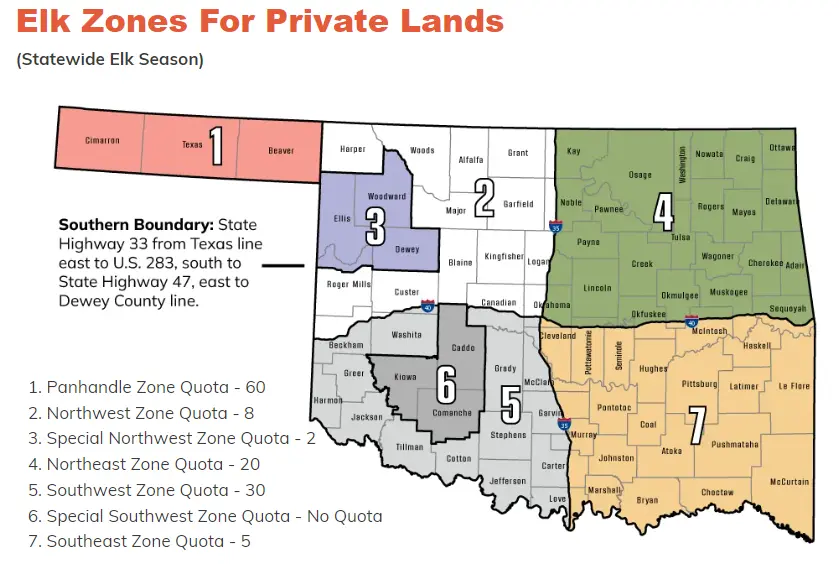
To hunt in Oklahoma, residents and non-residents alike must possess the appropriate licenses. These can often be purchased online or at local retailers throughout cities like Norman or Broken Arrow. Beyond the basic hunting license, special tags are often required for deer, elk, and turkey. Keeping these documents organized and accessible is a fundamental part of the hunter’s preparation. Furthermore, attending a hunter education course is mandatory for those born after a certain date, ensuring that everyone in the woods understands safety procedures and conservation ethics.
Conservation and Land Stewardship
Hunting in Oklahoma is a gateway to conservation. Revenue generated from license fees and federal excise taxes on hunting equipment directly funds the protection of habitats, such as those found near Great Salt Plains State Park. By participating in the harvest, hunters help manage animal populations, preventing overpopulation and the subsequent spread of disease. This balance is crucial for maintaining the health of the ecosystem, whether you are hunting on public lands or private leases.
Navigating Oklahoma’s Diverse Terrain
The experience of a hunt is defined by where you choose to go. Oklahoma possesses a unique transition of ecosystems, ranging from the humid, forested east to the arid, short-grass prairie of the west.
The Eastern Highlands
The eastern part of the state, home to the Kiamichi Mountains, offers dense forest cover and challenging topography. Hunters here often rely on spot-and-stalk tactics or tree stands to manage the thick brush. The humidity and the density of the vegetation make this a physically demanding region, perfect for those who enjoy a true backcountry experience.
The Western Prairies
In contrast, the western regions near Black Mesa State Park offer vast, sweeping views. Here, the challenge is not terrain, but distance and camouflage. Hunters must be prepared to navigate wide-open spaces where long-range optics and patience are the keys to a successful outing. The change in altitude and climate between the eastern forests and the western plains highlights why Oklahoma is such a fascinating destination for outdoor enthusiasts.
Tips for a Successful Season
Success in the field is rarely an accident; it is the result of thorough research and preparation. Whether you are targeting white-tailed deer, mule deer, or Rio Grande turkeys, there are universal habits that increase your chances of success.
Scouting and Pre-Season Planning
Before the season officially opens, invest time in scouting your target area. Utilize modern technology, such as satellite mapping tools, to identify water sources, bedding areas, and food plots. If you are hunting near Lake Texoma or other major water bodies, understanding the daily movement patterns of game is essential. In the weeks leading up to the season, placing trail cameras can provide invaluable data on the habits of local wildlife, allowing you to refine your strategy before the first legal shot is fired.
Weather Awareness
Oklahoma weather is notoriously unpredictable. A mild November morning can quickly turn into a freezing afternoon with high winds. Proper layering is the hallmark of a seasoned hunter. High-quality gear that accounts for both the heat of early season and the potential sub-zero temperatures of late season is necessary. Preparing for the elements allows you to stay in the field longer, which directly correlates to a higher success rate.

Respecting the Heritage
Ultimately, hunting in Oklahoma is about more than just the harvest. It is about connecting with the landscape and participating in a tradition that spans generations. Whether you find yourself in the quiet solitude of the Tallgrass Prairie Preserve or among the oaks of the Green Country, respect for the land and the wildlife remains paramount. By following the established seasons, honoring regulations, and maintaining high ethical standards, hunters ensure that these outdoor traditions remain vibrant for years to come.
As the calendar turns, remember that the “start” of the season is merely the invitation to enter the woods. The true value lies in the patience, the observation, and the profound appreciation for the natural beauty that defines Oklahoma. Always verify the latest dates with the current Oklahoma Department of Wildlife Conservation regulations booklet, as seasonal dates can fluctuate due to population assessments and biological needs. Happy hunting, and may your time in the great outdoors be safe and productive.
LifeOutOfTheBox is a participant in the Amazon Services LLC Associates Program, an affiliate advertising program designed to provide a means for sites to earn advertising fees by advertising and linking to Amazon.com. Amazon, the Amazon logo, AmazonSupply, and the AmazonSupply logo are trademarks of Amazon.com, Inc. or its affiliates. As an Amazon Associate we earn affiliate commissions from qualifying purchases.