
For those living in Oklahoma, gardening is more than just a hobby; it is a way of life deeply connected to the state’s unique climate. Known for its wide-ranging weather patterns, from the humid corridors of the east to the semi-arid plains of the west, Oklahoma provides a challenging yet rewarding landscape for berry enthusiasts. Understanding exactly when to plant strawberries is the cornerstone of a successful harvest, ensuring that these delicate plants have the best opportunity to establish roots before the intense summer heat sets in.
Understanding the Oklahoma Growing Season
Oklahoma spans several hardiness zones, typically ranging from Zone 6 in the north to Zone 8 in the southern reaches near the Red River. Because strawberries are sensitive to both extreme cold and searing heat, timing your planting window is critical.
The Importance of Soil Temperature
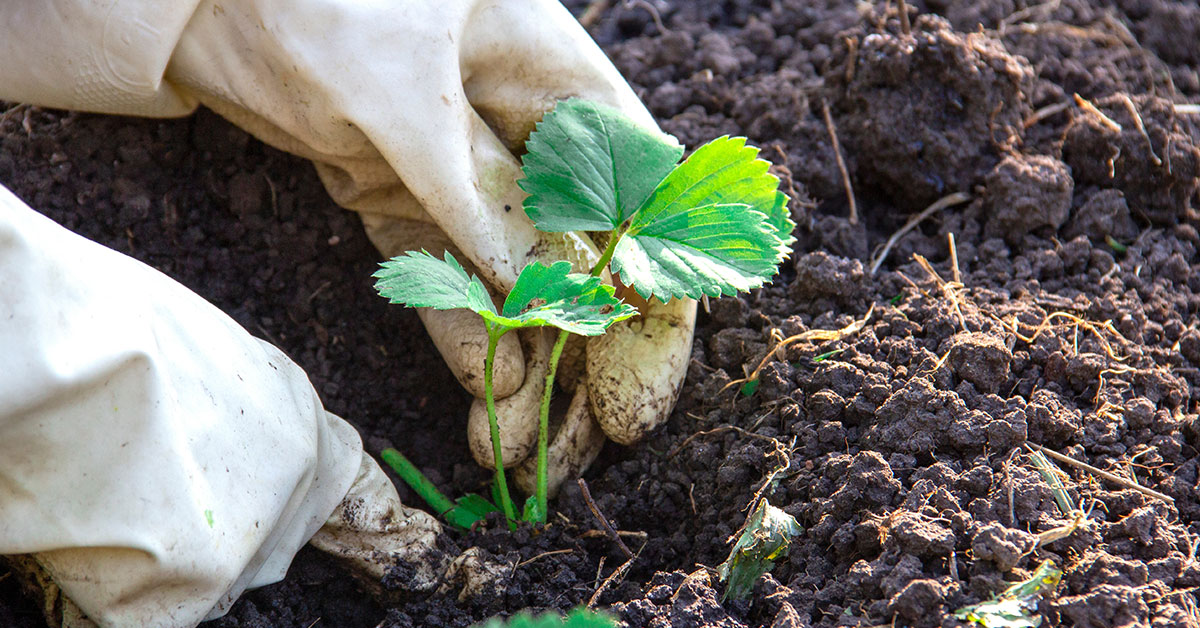
While many novice gardeners look exclusively at calendar dates, experienced growers in Oklahoma City and Tulsa know that soil temperature is the true indicator for planting. Strawberries thrive when the soil has reached at least 50°F to 60°F. If you plant too early, when the ground is frozen or sluggish from winter, the roots may rot before they can establish. Conversely, planting too late into the spring risks exposing fragile young plants to the sudden, scorching temperatures often seen in May.
Seasonal Recommendations
In most parts of the state, late February to mid-March is the “sweet spot” for planting bare-root strawberries. If you are purchasing container-grown plants from a local nursery, you have slightly more flexibility, but aim to get them in the ground before the frost danger has fully cleared but while the weather remains cool. This allows the plants to focus their energy on developing a robust root system rather than trying to survive an immediate heat wave.
Selecting the Right Strawberry Varieties for Oklahoma
Not all strawberry varieties are created equal. Because Oklahoma experiences distinct seasonal shifts, selecting a variety that can handle the regional temperament is essential for consistent production.
June-Bearing Varieties
June-bearing strawberries are the traditional choice for home gardeners in the Great Plains. These plants produce a single, large harvest over a period of two to three weeks, usually in late May or early June. Popular choices like ‘Chandler’ or ‘Cardinal’ often perform well in Oklahoma, offering high yields that are perfect for canning or making preserves.
Everbearing and Day-Neutral Types
For those who prefer a steady supply of fruit throughout the summer, everbearing and day-neutral varieties are becoming increasingly popular. While they may not produce the massive singular yield of a June-bearer, they provide fruit from late spring through early autumn. Varieties such as ‘Albion’ or ‘Seascape’ have shown resilience in the Southern United States, provided they receive sufficient water and protection from the afternoon sun.

Soil Preparation and Planting Best Practices
Preparation is the secret to a thriving strawberry patch. Since strawberries are perennials, they will stay in the same spot for several years, making the initial site selection and soil amendment the most important steps in your gardening project.
Choosing the Site
Strawberries require full sun, ideally receiving at least six to eight hours of direct sunlight daily. In Oklahoma, site selection often involves balancing the need for sunlight with the necessity of protection from the prevailing winds. If you are gardening in areas like Stillwater or Norman, consider a location that offers some respite from the harsh southern winds while maintaining excellent drainage.
Amending the Soil
Oklahoma soils can vary from heavy clay to sandy loam. Strawberries detest “wet feet,” meaning soil that holds too much moisture and lacks aeration will lead to crown rot.
- Drainage: Incorporate organic matter, such as well-aged compost or peat moss, to improve soil texture.
- PH Balance: Strawberries prefer slightly acidic soil, ideally with a pH between 5.5 and 6.5. A simple soil test from your local Oklahoma State University extension office can provide specific recommendations for your garden plot.
- Raised Beds: For many, building raised beds is the most effective way to guarantee drainage and soil quality, circumventing the issues of native clay that are common in much of the state.
Proper Planting Depth
A common mistake when planting strawberries is burying the crown too deep or too shallow. The crown—the thickened, fleshy part where the roots meet the leaves—should be positioned exactly at the soil surface. If it is buried, the plant will rot; if it is too high, the roots will dry out and the plant will wither. Ensure the roots are spread out in the planting hole and covered firmly with soil to remove air pockets.
Long-Term Maintenance and Care
Once your strawberries are in the ground, the work shifts to maintenance. Consistent care is what transforms a simple planting effort into a seasonal bounty.
Watering and Mulching
Water is the lifeblood of the strawberry patch. Because Oklahoma summers can be notoriously dry, an irrigation system—preferably drip tape or soaker hoses—is highly recommended. This delivers water directly to the roots without wetting the leaves, which helps prevent fungal diseases. Mulching is equally critical. Using straw, pine needles, or weed-free grass clippings around the base of the plants keeps the soil cool, retains moisture, and keeps the fruit off the damp ground, which prevents rot and keeps the berries clean.
Managing Pests and Disease
In the warm, humid climate of the American South, vigilance is required. Birds, slugs, and aphids are the most common visitors to a strawberry patch. Installing netting can deter birds, while beer traps or manual removal are effective for controlling slugs. Regular observation is your best defense against disease; if you spot spotted leaves or rotting fruit, remove the affected areas immediately to keep the rest of the patch healthy.
Preparing for Winter
Even though Oklahoma winters can be mild, a sudden “Blue Norther” can drop temperatures rapidly. To protect your investment, cover your strawberry bed with a layer of straw or a floating row cover after the first hard frost. This insulates the plants and prevents the “heaving” that occurs when the ground repeatedly freezes and thaws, which can break the delicate roots of the plants.
By following these guidelines and paying close attention to the specific microclimate of your garden, you can enjoy a delicious and productive harvest of homegrown strawberries year after year. Whether you are situated near the Wichita Mountains or closer to the Ozark Plateau, the patience and care you invest in your patch will surely yield sweet, red rewards that grocery store berries simply cannot match.
LifeOutOfTheBox is a participant in the Amazon Services LLC Associates Program, an affiliate advertising program designed to provide a means for sites to earn advertising fees by advertising and linking to Amazon.com. Amazon, the Amazon logo, AmazonSupply, and the AmazonSupply logo are trademarks of Amazon.com, Inc. or its affiliates. As an Amazon Associate we earn affiliate commissions from qualifying purchases.