
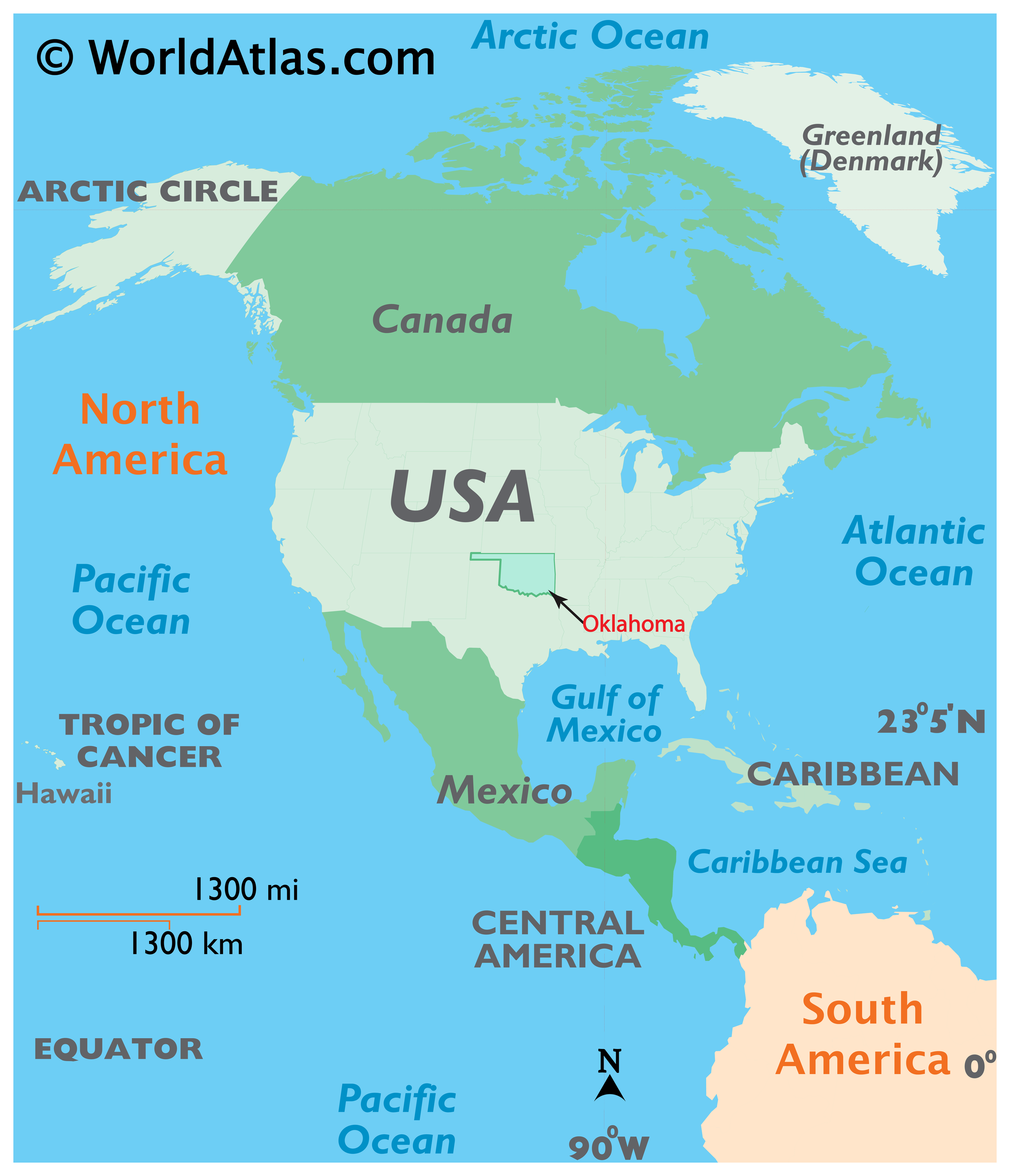
Positioned at the vital intersection of the American South and the Great Plains, Oklahoma serves as a geographic and cultural crossroads. Often referred to as the gateway to the American West, this state occupies a unique space in the United States. Its location is defined by a diverse topography, ranging from the arid high plains of the west to the lush, mountainous forests of the east. Understanding the spatial identity of this state requires a deep dive into its borders, its regional significance, and the natural features that dictate its climate and landscape.
The Geographic Borders and Regional Identity
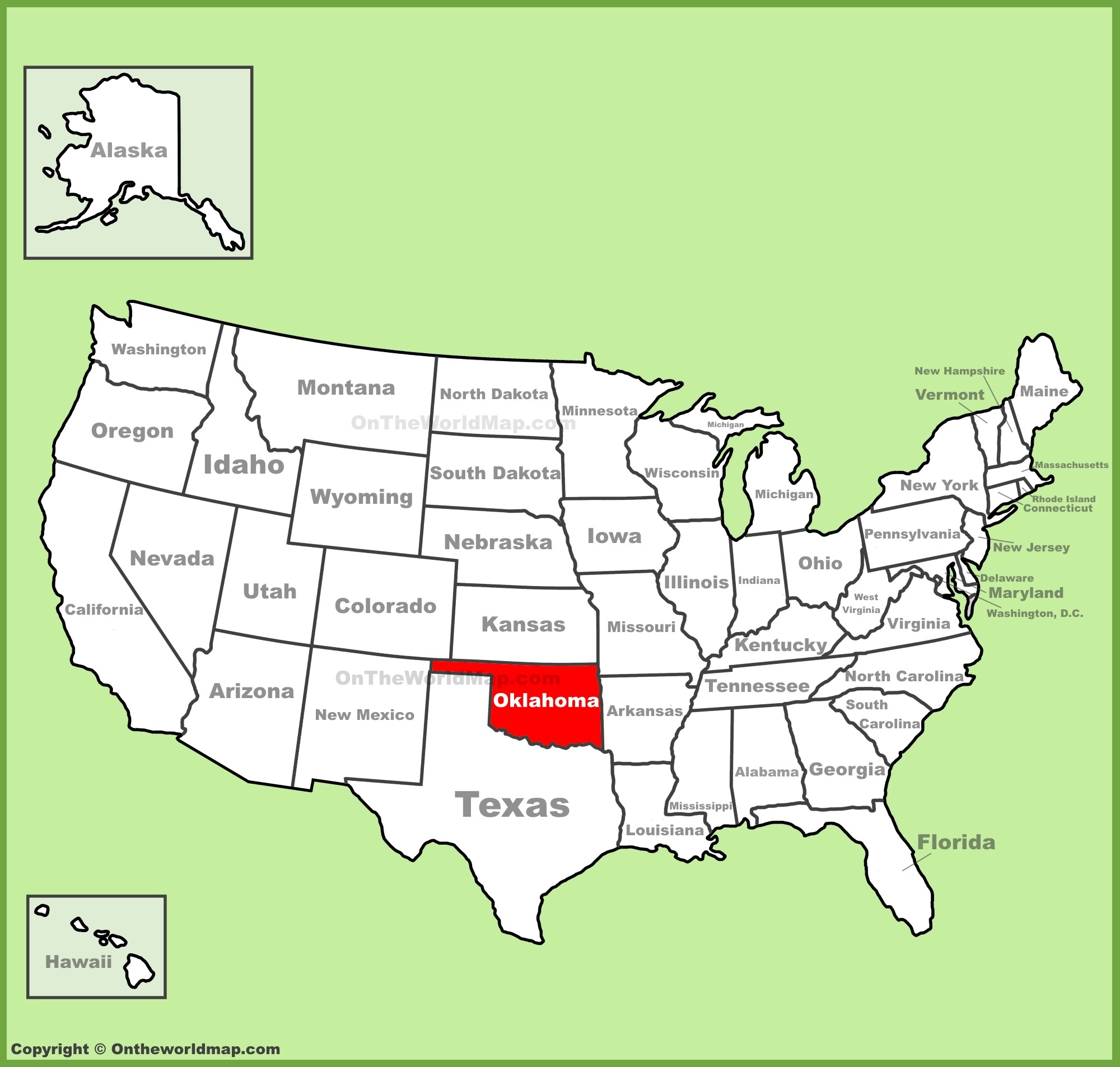
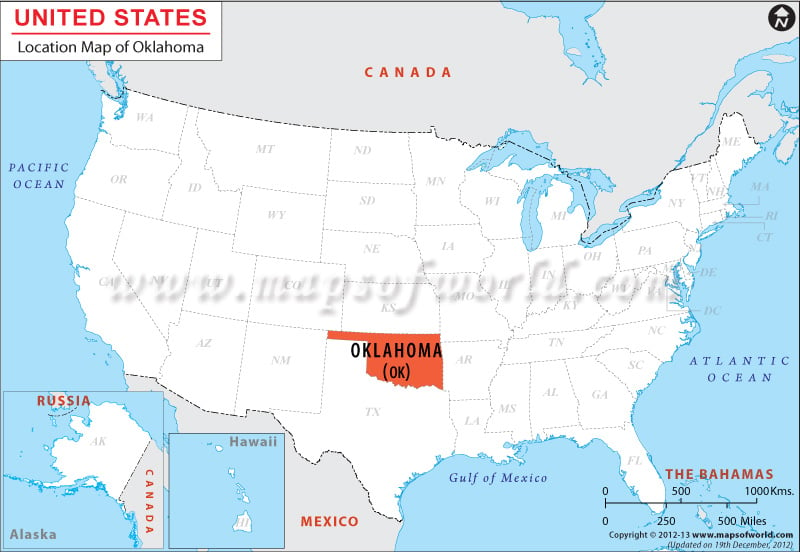
Oklahoma is situated in the South Central region of the United States. To its north lies Kansas, while its southern border is defined by the Red River, which serves as a natural boundary separating it from Texas. To the east, the state shares borders with Missouri and Arkansas, and to the west, it meets New Mexico and the Colorado panhandle.
This specific location makes the state a bridge between distinct American zones. It is not strictly a “Southern” state in the traditional humid sense, nor is it purely a “Western” state in the rugged, mountainous sense. Instead, it embodies a transition. Travelers crossing through the state often note how the terrain shifts from the dense hardwood forests of the Ozark Mountains in the east to the high, rolling grasslands of the Great Plains in the west. This transition is not merely visual; it impacts the agriculture, industry, and local lifestyle of the inhabitants.
The Role of the Central Corridor
The state’s central location has historically made it a hub for transportation. Before the interstate highway system, it was home to the legendary Route 66, which cut a diagonal path through the state. Today, major transcontinental corridors like Interstate 40 and Interstate 35 intersect within the state’s borders. Oklahoma City, the capital, sits near the geographic center of the state, functioning as a primary nexus for trade and travel between the Gulf Coast and the northern reaches of the country.
Natural Diversity Across the State
The location of Oklahoma within the United States creates a remarkable variety of ecoregions. While many outsiders associate the state primarily with flat prairie, the reality is far more complex. The state contains one of the most diverse arrays of terrain per square mile of any state in the nation.
Eastern Highlands and Forests
In the eastern portion, proximity to Arkansas brings the influence of the Ouachita Mountains. This region is characterized by thick pine and hardwood forests, deep river valleys, and a humid, temperate climate. It is a stark contrast to the western plains, offering lush scenery and popular outdoor destinations such as Broken Bow Lake and the Beavers Bend State Park. This area serves as a vital watershed for the state, feeding into the Arkansas River.
The Western High Plains
As one moves west, the landscape flattens and the climate becomes increasingly arid. The Oklahoma Panhandle, a narrow strip of land stretching toward New Mexico, represents the high plains region. Here, the elevation rises significantly, and the terrain is dominated by short-grass prairie and rocky mesas, such as those found in Black Mesa State Park. This location is an essential part of the Great Plains ecosystem, which historically supported massive herds of bison and remains a critical agricultural zone today.
Climate Influences and Meteorological Significance
The location of Oklahoma is a primary factor in its well-known, and often intense, meteorological profile. Because the state sits at the confluence of cold, dry air moving down from Canada and warm, moist air pushing northward from the Gulf of Mexico, it frequently experiences significant atmospheric instability.
The Heart of Tornado Alley
Geographically, the state is the epicenter of what is colloquially known as Tornado Alley. The collision of these distinct air masses over the flat, open plains creates the perfect environment for supercell thunderstorms. This reality has shaped the infrastructure and culture of the region, leading to a sophisticated focus on storm safety and weather monitoring. For visitors and residents alike, understanding the state’s position in this volatile climate zone is a necessary component of life in the Great Plains.
Impact on Seasonal Variation
The location also ensures four distinct, often dramatic seasons. Summers can be intensely hot and dry in the west, while winters may bring sharp, freezing blasts from the north. The central and eastern parts of the state experience high humidity during the summer months, while the western reaches remain arid. This climatic variety allows for a wide range of agricultural products, from wheat and cattle in the west to timber and produce in the east, cementing the state’s role as a vital food-producing region for the United States.
Cultural Significance of the State’s Position
The location of Oklahoma has served as the stage for significant chapters in American history. As a territory that served as the final destination for the forced migration of many Native American tribes, the state’s soil is deeply connected to a diverse range of tribal heritage. This unique demographic history, centered in the middle of the country, has fostered a culture that is distinct from its neighbors in Texas or Kansas.
The Crossroads of Frontier History
From the Land Run of 1889 to the oil booms of the early 20th century, Oklahoma has always been a place of convergence. Its location allowed it to capture the energy of the westward expansion and the industrial evolution of the United States. Today, the state preserves this history in numerous museums and historic sites. Cities like Tulsa provide a look at the art deco architectural history born from the wealth of the oil industry, while the National Cowboy and Western Heritage Museum in Oklahoma City showcases the legacy of the frontier.
The state’s location is more than just a coordinate on a map; it is an identity. Whether one is exploring the rugged canyons of the west, the winding rivers of the east, or the urban energy of the center, the geographic position of Oklahoma is the defining element of the experience. It remains a state that is perpetually in transition—a place where the American South meets the American West, and where the stories of the past continue to shape the landscape of the future. By understanding where the state is located, one gains a clearer perspective on why it remains such a pivotal part of the national fabric of the United States.
LifeOutOfTheBox is a participant in the Amazon Services LLC Associates Program, an affiliate advertising program designed to provide a means for sites to earn advertising fees by advertising and linking to Amazon.com. Amazon, the Amazon logo, AmazonSupply, and the AmazonSupply logo are trademarks of Amazon.com, Inc. or its affiliates. As an Amazon Associate we earn affiliate commissions from qualifying purchases.