
When travelers and nature enthusiasts venture into the rugged, untamed landscapes of Oregon, their minds often drift toward the iconic wildlife that defines the Pacific Northwest. From the dense, mist-covered forests of Portland to the high-desert plateaus near Bend, the state is a sanctuary for elk, mule deer, and black bears. However, a common question arises among those planning wilderness expeditions: are there wild boars roaming the backcountry? Understanding the status of these animals is crucial for anyone exploring the state’s vast National Forests, as it influences everything from ecological health to recreational safety.
The Current Status of Wild Pigs in Oregon
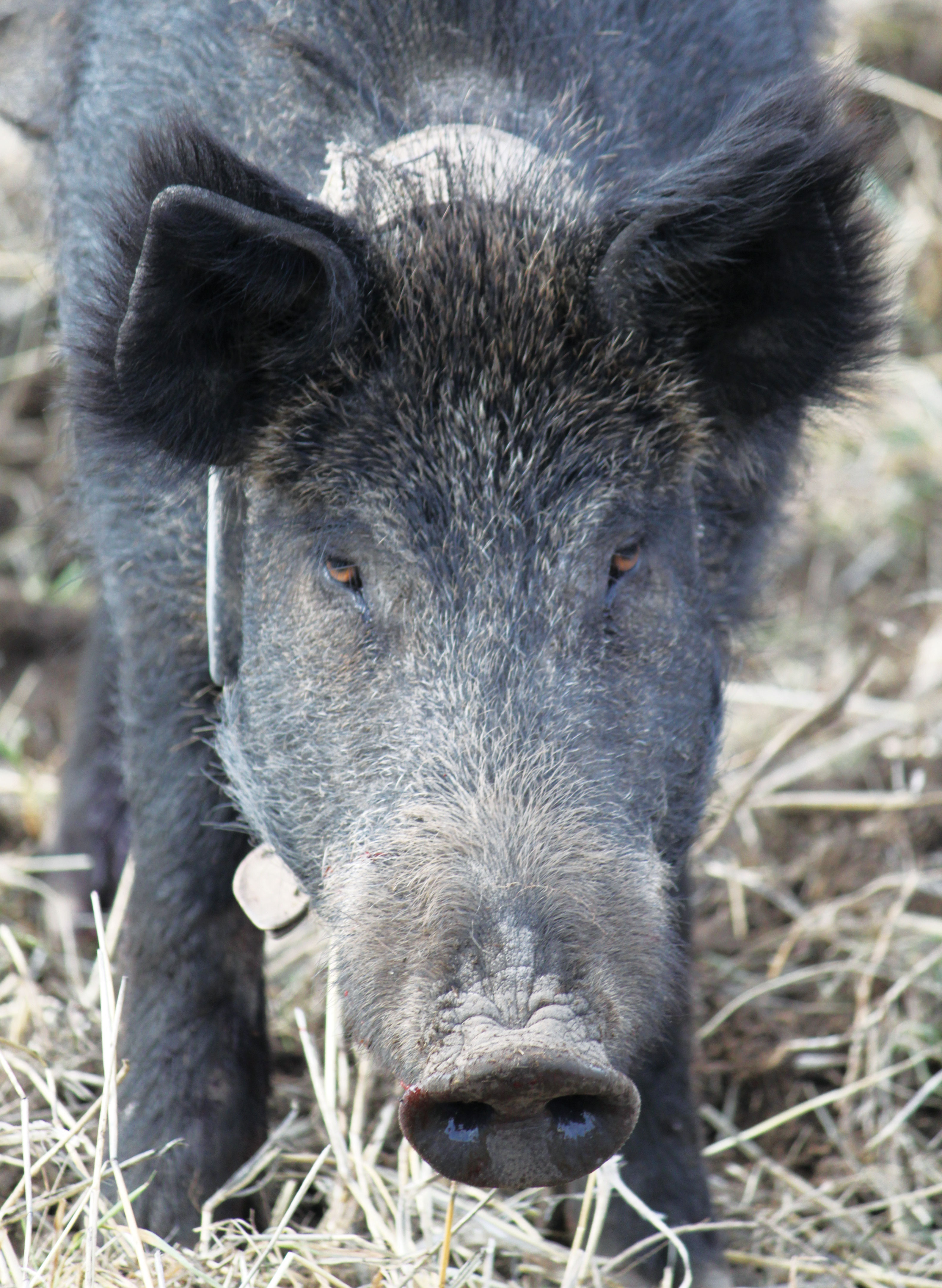
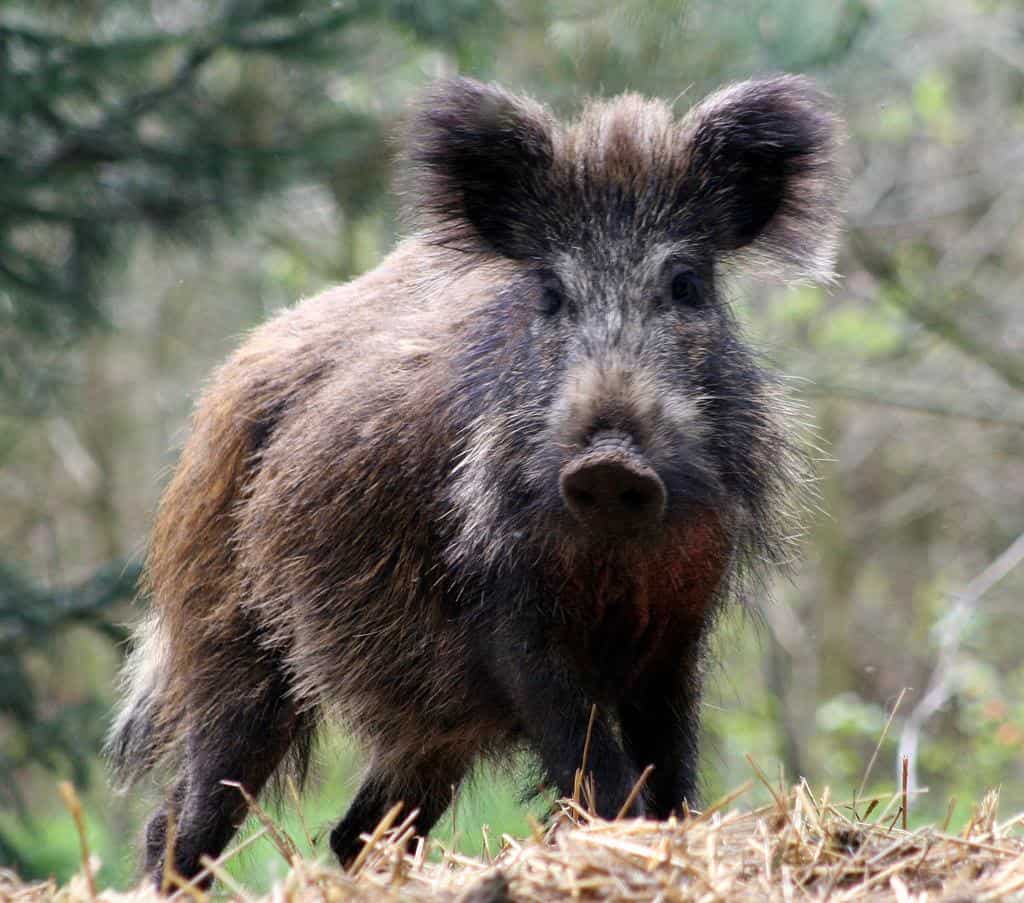
To provide a clear answer: while wild boars—or feral swine—have established massive, destructive populations in states like California and Texas, Oregon maintains a remarkably successful track record of eradication. If you are hiking the Cascade Range or exploring the coastal regions near Cannon Beach, you are extremely unlikely to encounter a wild boar.
A History of Prevention
The state of Oregon has implemented a zero-tolerance policy regarding feral swine. Historically, these animals are not native to North America; they are invasive species introduced by human activity. Their presence is detrimental to native habitats, agricultural interests, and local water quality. Recognizing the severe environmental threat, the Oregon Department of Fish and Wildlife has aggressively managed reports of sighting and populations.
Why Oregon is Different
Unlike neighboring regions where the geography and climate have allowed wild pigs to flourish, Oregon’s harsh winters at higher elevations and the state’s proactive monitoring programs have prevented these animals from establishing stable, self-sustaining populations. While a rogue individual may occasionally wander across the southern border from California, the state’s wildlife agencies move quickly to locate and remove any animals that threaten the delicate balance of the Pacific Northwest ecosystem.
Ecological Impact and Wildlife Management
For those who view Oregon through the lens of a tourist or an adventurer, it is helpful to understand why the state works so hard to keep wild boars out. Feral swine are often referred to as “ecosystem engineers” in a negative sense. They destroy everything they touch.
Habitat Destruction
Wild boars are notorious for “rooting”—a behavior where they plow up the ground with their snouts in search of roots, bulbs, and insects. This behavior creates massive soil erosion, destroys native vegetation, and ruins the habitat for ground-nesting birds and smaller mammals. In a state known for its pristine beauty, such as the areas around Crater Lake National Park, the arrival of a wild boar population would be catastrophic.
Impact on Water Quality
Beyond soil degradation, pigs are known to wallow in streams and wetlands, contaminating water sources with waste and sediment. For a state that prides itself on the purity of its rivers, such as the Willamette River, maintaining a boar-free status is a matter of both environmental stewardship and public health. This commitment to conservation is part of what makes hiking in Oregon such a unique experience compared to other parts of the United States.
What Wildlife Should Travelers Actually Expect?
Since wild boars are not a concern for visitors to the Beaver State, travelers should focus their attention on the spectacular native wildlife that does inhabit these regions. Understanding what you might actually encounter can significantly improve your outdoor experience.
Large Mammal Spotting
While hiking near Mount Hood, you are far more likely to spot Rocky Mountain elk or black-tailed deer. These animals are a cornerstone of the Oregon wilderness experience. If you are staying at a lodge near Sunriver or adventuring through the Columbia River Gorge, keep your binoculars ready for these majestic native species rather than searching for invasive swine.
Predators and Safety
Though wild boars are absent, hikers should always be aware of native predators. Black bears and mountain lions (cougars) do inhabit the wilder regions of Oregon. Regardless of where you are trekking—be it the Wallowa Mountains or the Coast Range—it is essential to practice “Leave No Trace” principles, store food securely, and maintain situational awareness.
Tips for Responsible Wildlife Tourism
Traveling through the Pacific Northwest requires a deep respect for the natural environment. Whether you are visiting Eugene for the local culture or heading into the wilderness for a multi-day hike, being an informed visitor is key to preserving the landscape.
Respecting Protected Zones
Many areas in Oregon are designated as protected Wilderness Areas. These lands are managed to ensure that native species can thrive without the interference of invasive threats. When you choose to visit these landmarks, you contribute to the local economy, which in turn helps fund the wildlife management programs that keep invasive species—like wild boars—at bay.
Reporting Sightings
If you are hiking in the rural corners of the state and happen to see an animal that looks like a feral pig, it is vital to report it to the Oregon Department of Fish and Wildlife rather than attempting to approach or document it yourself. Because the state is so committed to maintaining its boar-free status, every report is taken seriously. Your vigilance as a tourist helps maintain the integrity of Oregon’s natural heritage.

Engaging with Local Conservation
Travelers looking to give back can look for volunteer opportunities or educational tours that focus on local ecology. Many local outfitters operating out of Bend or Hood River offer guided trips that emphasize the importance of native biodiversity. By prioritizing these eco-conscious choices, you ensure that your presence supports the health of the very landscapes you have come to admire.
Ultimately, the question of “Are there wild boars in Oregon?” serves as a reminder of how important it is to protect regional ecosystems from invasive threats. Because the state has remained vigilant, your trip through Oregon remains an authentic encounter with the true, native wildlife of the American West. You can traverse the forests of the Pacific Northwest with confidence, knowing that the damage and dangers associated with wild boars are not part of your travel story here. Whether you are exploring the volcanic peaks of Central Oregon or the misty shores of the Oregon Coast, you are in a landscape that remains guarded and wild in the best possible way.
LifeOutOfTheBox is a participant in the Amazon Services LLC Associates Program, an affiliate advertising program designed to provide a means for sites to earn advertising fees by advertising and linking to Amazon.com. Amazon, the Amazon logo, AmazonSupply, and the AmazonSupply logo are trademarks of Amazon.com, Inc. or its affiliates. As an Amazon Associate we earn affiliate commissions from qualifying purchases.