
The Pacific Northwest is a land defined by its dramatic geography, emerald forests, and a sense of untamed wilderness that has captivated explorers for centuries. Among its diverse states, Oregon stands out as a territory steeped in mystery, particularly regarding its moniker: The Beaver State. While today’s travelers might associate the state with the towering spires of Mount Hood or the rocky coastline of Cannon Beach, the historical roots of its identity are inextricably linked to a small, industrious mammal that once fueled the global economy.
The Economic Engine of the Frontier
To understand the origin of the nickname, one must look back to the early 19th century, a time when the North American continent was a vast, largely unmapped frontier for European powers. During this era, the global fashion industry was obsessed with the felt hat. Beaver fur, with its unique ability to be felted into a water-resistant, durable material, became the most sought-after commodity in the world.
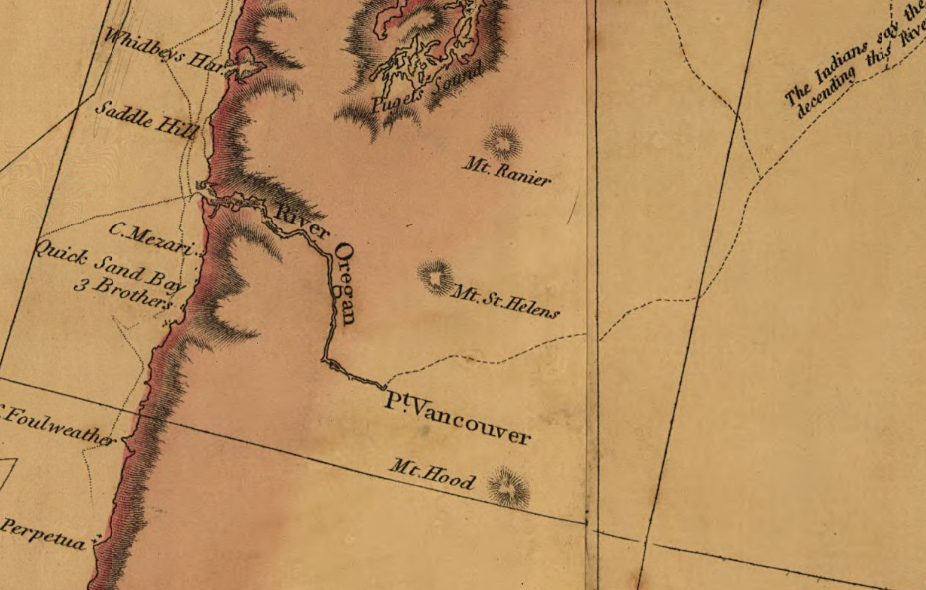
The Rise of the Fur Trade
The pursuit of beaver pelts served as the primary catalyst for the exploration of the Pacific Northwest. Companies like the Hudson’s Bay Company and the North West Company dispatched trappers into the dense wilderness of what is now Portland and the Willamette Valley. These men were the first non-indigenous inhabitants to truly document the rivers and streams of the region, creating the maps that would later guide pioneers on the Oregon Trail.
Impact on Early Settlement
The sheer abundance of the American beaver (Castor canadensis) in these waterways provided a reliable source of income for early settlers and trappers alike. It was during these formative years that the state became synonymous with the animal. The beaver was not merely a local inhabitant; it was the symbol of industry, persistence, and the very currency that allowed the region to integrate into the burgeoning global market.
From Commodity to State Symbol
As the fur trade eventually declined in the mid-1800s due to changing fashion trends and the depletion of beaver populations, the animal had already firmly cemented its place in the cultural consciousness of the region. By the time the state moved toward official recognition and statehood, the association with the beaver was so profound that it was the natural choice for a symbolic identity.
Formalization of the Nickname
The nickname “The Beaver State” was not an immediate or official government decree but rather a cultural consensus that emerged over decades. It was cemented by the animal’s industrious nature, which mirrored the spirit of the pioneers who trekked across the Rocky Mountains to build homes in the rain-soaked valleys. By the early 20th century, the state legislature officially adopted the beaver as the state animal, further codifying the nickname that had existed in folklore for a hundred years.
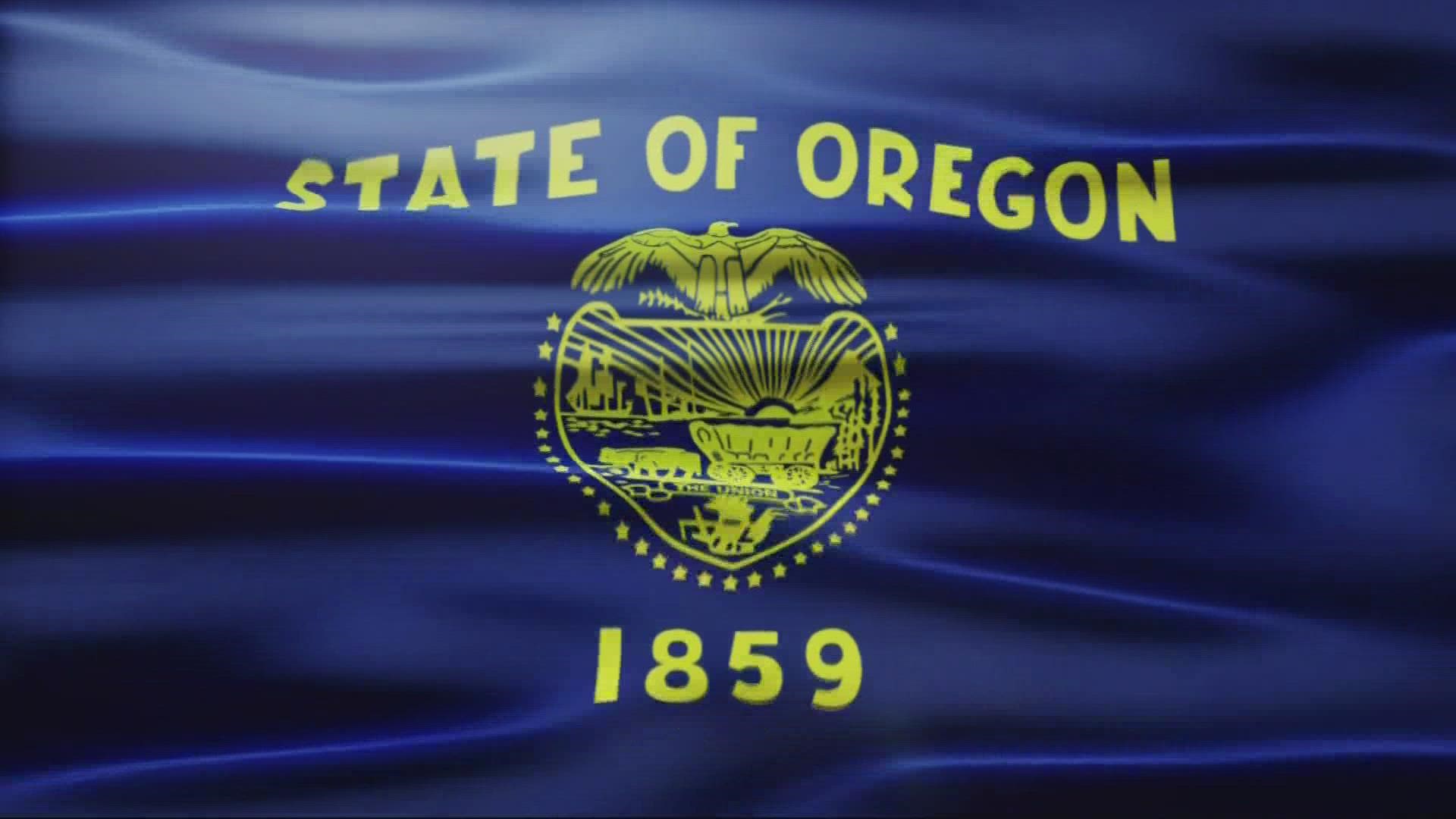
The Beaver on the State Seal
The significance of the creature is perhaps best illustrated on the Oregon State Seal. The official emblem features a beaver prominently, signifying the state’s historical reliance on its natural resources and the ingenuity required to thrive in a rugged environment. It remains one of the few U.S. state flags that is double-sided, with the state seal on the front and a golden beaver on the reverse, a unique detail that highlights the state’s pride in its namesake.
The Ecological Legacy of the Beaver
Beyond the historical economics, the beaver has played an essential role in the physical geography of the state. These animals are “ecosystem engineers,” capable of transforming landscapes by constructing dams that create wetlands, filter water, and provide habitats for diverse wildlife species.
Restoring the Watersheds
In recent years, conservationists across the state—from the high deserts of Bend to the coastal ranges—have been working to reintroduce or protect beaver populations. By encouraging beaver activity, land managers are finding that they can mitigate the effects of drought and improve the health of salmon populations in rivers like the Columbia River. The irony of the state’s nickname is that the very animal that was once nearly hunted to extinction for its fur is now recognized as a critical tool for environmental restoration.
The Beaver in Modern Culture
Today, the legacy of the beaver is woven into the fabric of daily life in Salem and beyond. It is the mascot of the Oregon State University Beavers, an emblem of grit and team spirit that resonates with locals. For visitors, seeing a beaver in its natural habitat in places like the Crater Lake National Park or along the banks of local streams provides a tangible connection to the history that gave the state its identity.
Reflections on a Durable Identity
The moniker “The Beaver State” serves as a bridge between the past and the present. It reminds us of an era where nature dictated the rhythm of human survival, and it underscores the persistent ingenuity of those who chose to call this corner of the United States home.
Why the Name Persists
While many states have nicknames based on minerals or flowers, Oregon chose an animal that represents character traits—tenacity, intelligence, and hard work. These are values that residents continue to champion today, whether through sustainable agriculture, technological innovation in Silicon Forest, or the protection of the state’s stunning natural landscapes.

A Continuing Journey
As travelers navigate the Cascade Range or explore the artistic districts of Eugene, they are walking through a landscape shaped by both the beaver and the people who honored it. The nickname is more than just a historical footnote; it is a testament to how human identity is shaped by the land. Whether one is hiking the Pacific Crest Trail or enjoying the bounty of the Willamette Valley wine region, the spirit of the industrious beaver remains a silent witness to the ongoing story of this remarkable state. The evolution of the name from a fur-trader’s objective to a symbol of state pride ensures that, like the dams built in the rivers, the legacy of the beaver will continue to endure, anchoring the state’s culture in the rich history of the frontier.
LifeOutOfTheBox is a participant in the Amazon Services LLC Associates Program, an affiliate advertising program designed to provide a means for sites to earn advertising fees by advertising and linking to Amazon.com. Amazon, the Amazon logo, AmazonSupply, and the AmazonSupply logo are trademarks of Amazon.com, Inc. or its affiliates. As an Amazon Associate we earn affiliate commissions from qualifying purchases.