
The story of how the United States acquired the sprawling, rugged territory known as Oregon is a narrative of imperial ambition, diplomatic brinkmanship, and the relentless expansion of the American frontier. Long before it was a state renowned for the dramatic cliffs of Cannon Beach or the verdant valleys of Willamette Valley, the region was a contested wilderness claimed by the world’s most powerful empires.
The Age of Exploration and Competing Claims
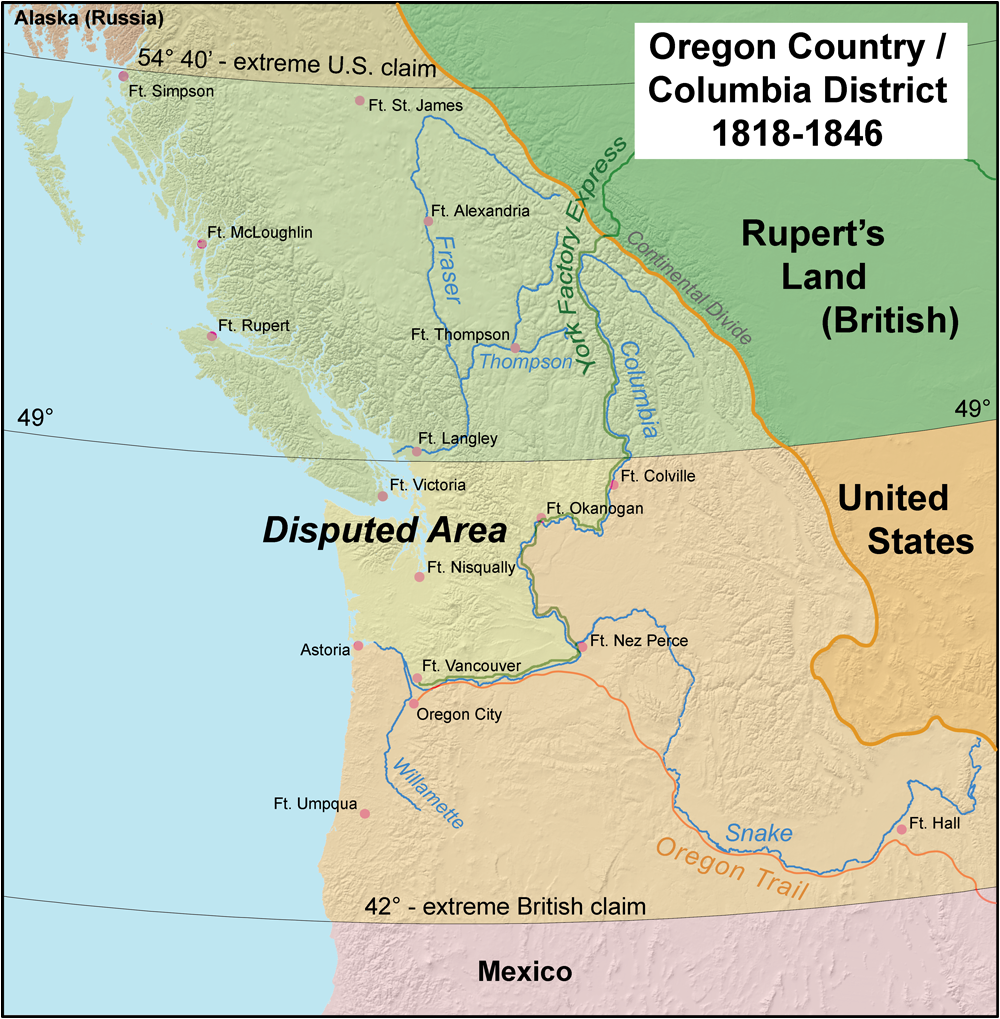
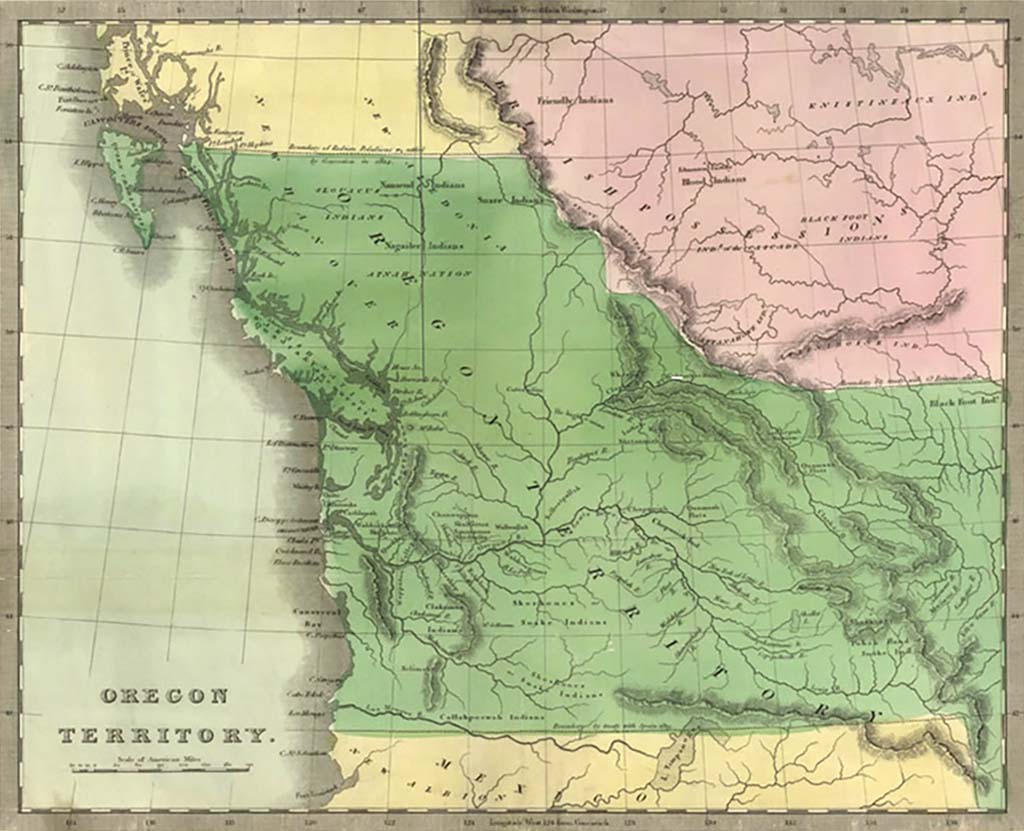
The quest for the Pacific Northwest was not merely a local pursuit; it was a global geopolitical struggle. By the early 19th century, the Oregon Country—a vast territory stretching from the Rocky Mountains to the Pacific Ocean—was effectively being carved out by Great Britain, Spain, Russia, and the nascent United States.
The Role of Early Maritime Explorers
The legitimacy of these claims relied heavily on discovery and exploration. While Spanish explorers had sailed up the coast as early as the 16th century, it was the maritime expeditions of the late 1700s that truly brought the region into focus. Captain James Cook, representing the British Empire, famously charted the coastlines, searching for the elusive Northwest Passage. Following him, American Captain Robert Gray sailed his ship, the Columbia Rediviva, into the mouth of the great river that now bears its name, the Columbia River. This discovery became the foundational legal argument for the American claim to the territory.
Overland Expeditions
While ships mapped the coast, the land itself remained a mystery until the Lewis and Clark Expedition. Commissioned by President Thomas Jefferson, this daring trek across the American West reinforced American sovereignty over the interior. By tracing the Missouri River and successfully reaching the Pacific Ocean, Meriwether Lewis and William Clark provided the crucial physical link that connected the Louisiana Purchase to the western edge of the continent.
Diplomacy and the Era of Joint Occupation
As the 19th century dawned, the potential for conflict over the region grew. Both the United Kingdom and the United States held overlapping claims, creating a volatile environment. To avoid an outright war, the two nations signed the Convention of 1818.
The Concept of Joint Occupancy
The Convention of 1818 established a period of “joint occupancy,” allowing citizens of both nations to trade and settle in the region without formal sovereignty being determined. During this time, the Hudson’s Bay Company, a British powerhouse, dominated the fur trade from its headquarters at Fort Vancouver. The presence of the Hudson’s Bay Company ensured that, for a time, British interests were the primary economic force in the territory, challenging the American influence.
Changing Demographics
The tide began to shift in the 1830s and 1840s as missionaries and settlers began to trickle into the region. Inspired by reports of the fertile soil and temperate climate, settlers traveled the Oregon Trail. This massive migration—famously known as the “Great Migration of 1843″—effectively changed the demographics of the region. As hundreds of American families established farms in the Willamette Valley, the argument for American ownership moved from legal theory to the reality of physical presence.
The Oregon Treaty and Manifest Destiny
By the mid-1840s, the political atmosphere in Washington D.C. had shifted. The concept of Manifest Destiny—the belief that the United States was divinely ordained to expand across the continent—became the driving force of national policy.
The 54-40 or Fight Movement
During the 1844 presidential election, James K. Polk campaigned on an aggressive platform regarding the Oregon border. The cry of “Fifty-four forty or fight!” resonated with voters who demanded the entire region up to the southern border of Russian Alaska. The rhetoric pushed both nations to the brink of conflict, threatening to drag Great Britain and the United States into another war only decades after the War of 1812.
Resolving the Border
Wisely, President Polk and the British government opted for a diplomatic compromise. The Oregon Treaty of 1846 established the 49th parallel as the permanent border between the two nations. This line extended the United States-Canada boundary from the Rocky Mountains to the Pacific Ocean. While some expansionists were disappointed that they did not gain the entirety of the territory, the treaty secured the present-day states of Oregon, Washington, and Idaho for the United States.
Legacy of the Acquisition
The acquisition of the Oregon Territory was a defining moment in the history of the American West. It transformed the United States into a true transcontinental nation, with direct access to the Pacific Ocean.
Cultural and Historical Impact
Today, the legacy of this expansion is visible throughout the region. From the historic sites of the National Park Service along the Columbia River Gorge to the preserved frontier towns, the history of the Oregon Trail remains a central component of the identity of the Pacific Northwest. Travelers can still trace the paths taken by early pioneers, visiting museums and markers that commemorate the difficult, often harrowing, journey across the Great Plains.

The Modern Frontier
The region has evolved from a disputed wilderness into a beacon of natural beauty and cultural innovation. Major urban centers like Portland and Seattle stand as testaments to the rapid development that followed the establishment of stable borders. Whether exploring the ancient forests of Olympic National Park or the rugged coastline of Astoria, the Oregon that was once fought over by empires is now a premier destination for those seeking to understand the intersection of history and landscape. The story of how the United States acquired this land serves as a reminder of the shifting power dynamics that sculpted the modern map of North America. Through diplomatic patience and the unstoppable push of westward migration, the nation secured its future on the shores of the Pacific, forever altering the course of its history.
LifeOutOfTheBox is a participant in the Amazon Services LLC Associates Program, an affiliate advertising program designed to provide a means for sites to earn advertising fees by advertising and linking to Amazon.com. Amazon, the Amazon logo, AmazonSupply, and the AmazonSupply logo are trademarks of Amazon.com, Inc. or its affiliates. As an Amazon Associate we earn affiliate commissions from qualifying purchases.