
Navigating the dissolution of a marriage is a significant life transition, often compared to the complexities of planning a long-term relocation or managing high-stakes international travel arrangements. When you reside in the beautiful state of Oregon, the legal process for filing for divorce—legally known as “dissolution of marriage”—follows a structured path. Understanding this framework is essential for managing the logistics of your new chapter with the same meticulous care you might apply to coordinating an itinerary for a luxury trip through the Pacific Northwest.
Understanding Residency Requirements and Legal Grounds
Before initiating the filing process, it is vital to confirm that you meet the jurisdictional requirements established by the state courts. Just as you cannot book a stay at a Ritz-Carlton without verifying your eligibility and reservation details, you cannot file for divorce in Portland or any other city in the state unless you qualify as a resident.
Residency Prerequisites
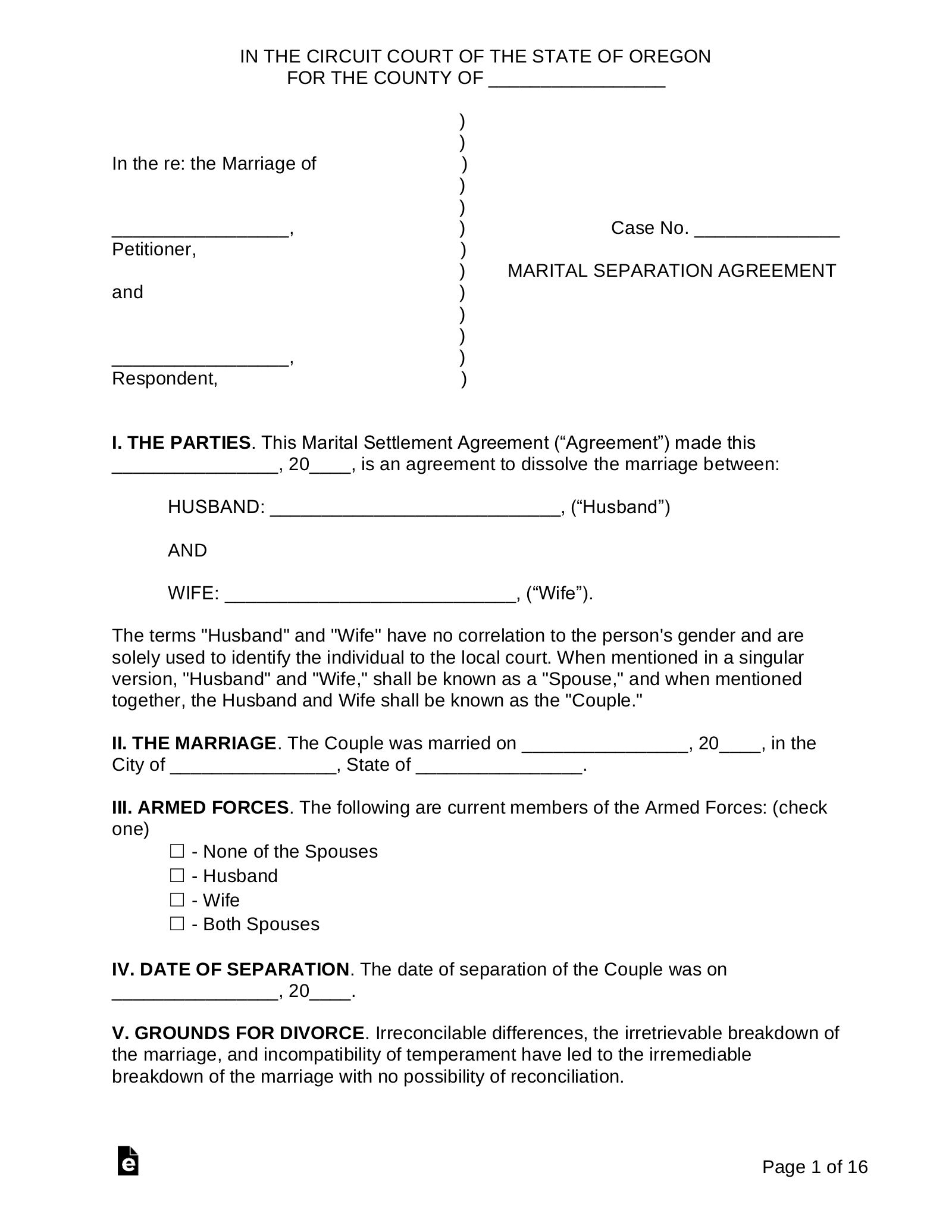
Under state law, at least one spouse must have been a resident of the state for at least six months immediately preceding the filing of the petition. This is a strict threshold. If you have recently moved to Bend or Eugene from out of state, you must ensure your residency status is established and documented.
No-Fault Divorce Explained
Oregon operates as a “no-fault” divorce state. This means you are not required to prove wrongdoing, infidelity, or specific cause for the breakdown of the marriage. The legal standard is “irreconcilable differences,” which have caused the irremediable breakdown of the marriage. From a practical standpoint, this simplifies the initial filing, as you do not need to build a case against your spouse; you simply need to assert that the relationship is no longer sustainable.
The Filing Process: Step-by-Step Logistics
Filing for divorce can be viewed as the ultimate transition, much like closing out a long-term stay at a Four Seasons Hotel and preparing for your next destination. The documentation process requires precision and organization.
Preparing the Initial Documentation
The process begins with the “Petition for Dissolution of Marriage.” This document outlines your requests regarding the division of property, debts, spousal support, and—if children are involved—custody and parenting time. You must also file a “Summons,” which formally notifies your spouse of the legal action.
Filing with the County Court
You must file these documents with the circuit court in the county where either you or your spouse resides. For instance, if you are living in Salem, you will file with the Marion County court. Filing fees vary by county, and you will need to be prepared for these administrative costs, much like accounting for resort fees or local taxes when budgeting for a vacation.

Service of Process
Once filed, the “Summons” and the “Petition” must be legally served to your spouse. This ensures the other party is officially aware of the proceedings. You cannot simply hand the papers to your spouse yourself; you must use a neutral third party, such as a process server or a sheriff’s deputy, to deliver the documents. This stage is critical; failure to serve the papers correctly can stall the entire timeline of your separation.
Managing Assets, Debts, and Parenting Plans
One of the most complex aspects of an Oregon divorce is the “equitable distribution” of assets. While this does not always mean an exact 50/50 split, the court aims for a fair division of property acquired during the marriage.
Categorizing Property
- Marital Property: Assets acquired during the marriage, regardless of whose name is on the title, are generally considered marital property.
- Separate Property: Property owned by one spouse prior to the marriage or acquired via inheritance may be classified as separate. However, if these assets are commingled, they can become subject to division.
Parenting Time and Custody
If you have minor children, the court prioritizes the “best interests of the child.” You will need to create a detailed parenting plan that outlines decision-making authority and physical custody schedules. Much like crafting a travel itinerary, a well-structured parenting plan helps manage expectations and reduces future conflict. It is highly recommended to consult with professionals who can help navigate these discussions to ensure the transition is as smooth as possible for all family members involved.
Finalizing the Dissolution
Once the petition is served, there is a mandatory waiting period before the divorce can be finalized. This time allows for mediation, negotiation, or trial if the parties cannot reach an agreement.
Mediation vs. Litigation
Oregon encourages parties to reach an amicable agreement through mediation. Mediation acts as a neutral space where you and your spouse can resolve issues without the adversarial nature of a courtroom. It is often the preferred route for those who wish to maintain a level of privacy and control, similar to opting for a private villa rental over a crowded tourist hotel.
The Judgment of Dissolution
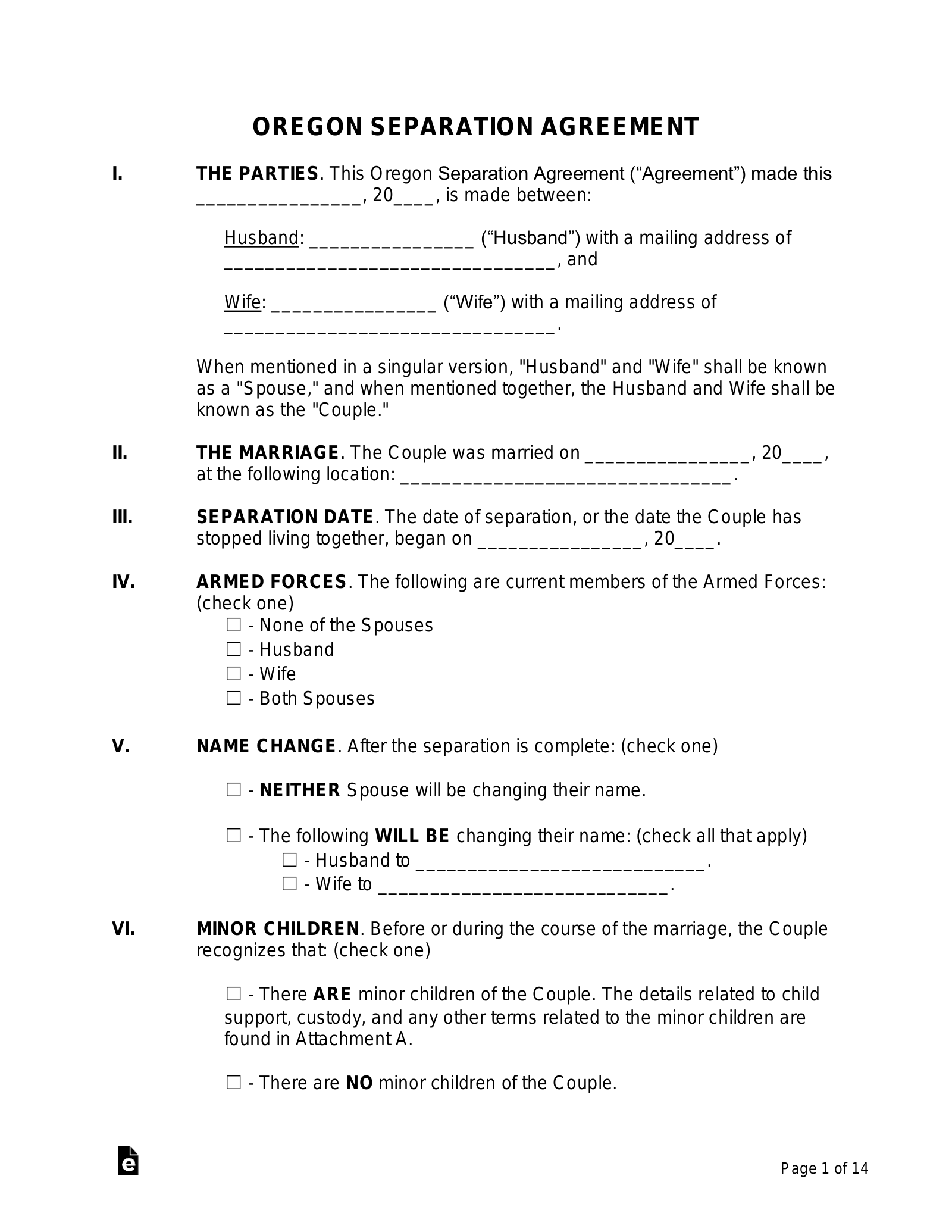
If you and your spouse agree on all terms, you can submit a “Stipulated Judgment” to the court. Once a judge reviews and signs this document, your divorce is legally finalized. If you cannot agree, the court will hold a hearing or trial to make the final decisions for you.
Navigating a divorce in Oregon is a significant life journey that requires careful planning and a clear understanding of your legal rights. Whether you are situated near the Coast Range or in the urban heart of the state, the goal is to emerge from the legal process with a firm foundation for your next chapter. Always remember that while the state provides the framework, the quality of your transition depends on your ability to remain organized, informed, and focused on the future.
If you find the process overwhelming, consider it similar to planning an intricate, multi-stop journey across North America. You wouldn’t embark on such a trip without a roadmap or professional guidance, and the same logic applies here. Consulting with a legal professional can provide the clarity you need to navigate these procedural requirements effectively, ensuring that every detail is managed with the precision required to bring your marriage to a final, legally sound conclusion. As you close this chapter, focus on the logistics of your future, ensuring that every decision made during the dissolution serves your long-term goals and personal well-being.
LifeOutOfTheBox is a participant in the Amazon Services LLC Associates Program, an affiliate advertising program designed to provide a means for sites to earn advertising fees by advertising and linking to Amazon.com. Amazon, the Amazon logo, AmazonSupply, and the AmazonSupply logo are trademarks of Amazon.com, Inc. or its affiliates. As an Amazon Associate we earn affiliate commissions from qualifying purchases.