
For families relocating to the Pacific Northwest, understanding the educational landscape is a vital part of the transition. While many parents focus on finding the perfect neighborhood near Portland or searching for properties in Bend, integrating into the local school system is often the most significant logistical hurdle. Whether you are moving from out of state or simply planning your child’s academic future in Oregon, knowing the graduation requirements is essential for long-term planning.
The Standard Diploma Requirements
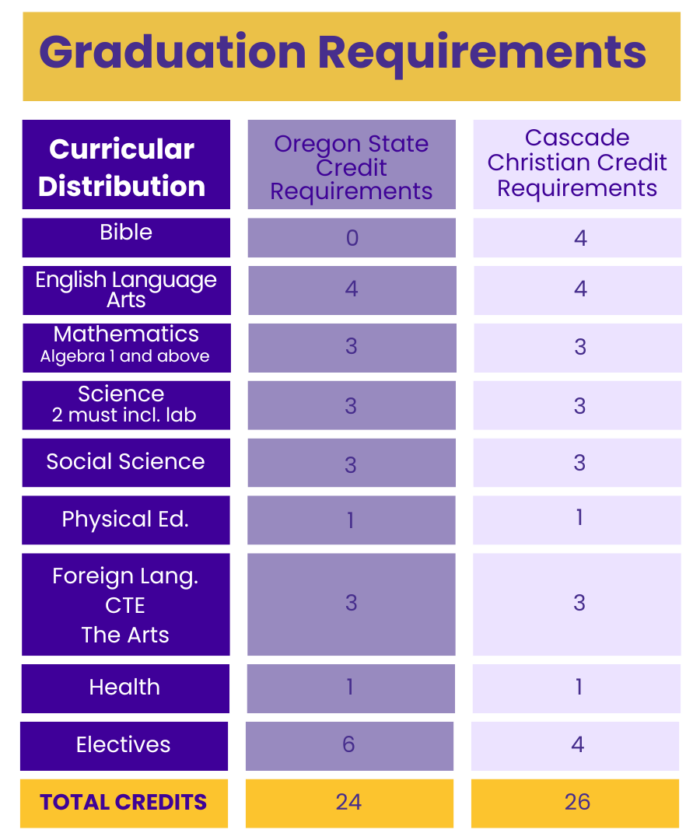
In the state of Oregon, the Department of Education sets a framework for high school graduation that balances core academic rigor with essential life skills. To earn a standard high school diploma, students must successfully complete a minimum of 24 credits. These credits are distributed across specific subject areas, ensuring that graduates possess a well-rounded foundation before heading to universities in Eugene or joining the workforce.
Core Subject Breakdown
To reach that 24-credit threshold, students must allocate their coursework according to the following state-mandated guidelines:
- Language Arts: 4 credits. This sequence typically includes intensive study in literature, composition, and communication.
- Mathematics: 3 credits. Students are required to complete at least Algebra I and two additional courses in higher-level mathematics.
- Science: 3 credits. This must include two lab-based courses, covering subjects like biology, chemistry, or physics.
- Social Sciences: 3 credits. This area covers United States history, world history, geography, and civics.
- Physical Education: 1 credit.
- Health Education: 1 credit.
- Second Language, Arts, or Career and Technical Education (CTE): 3 credits. Students have flexibility here to pursue personal interests, whether that be foreign languages, music, theater, or vocational training.
- Electives: 6 credits. These allow students to explore advanced placement options or personalized learning paths.
Essential Skills and Personalized Learning
Beyond the raw credit count, the state of Oregon emphasizes the application of knowledge. Graduation is not merely a numbers game; it is an assessment of a student’s ability to function in the real world. This is categorized through “Essential Skills,” which include reading, writing, and mathematics. Students are often required to demonstrate proficiency in these areas through state-approved assessments or work samples.
Personalized Learning Requirements
The state also mandates that students engage in a Personalized Learning framework. This ensures that students are not just sitting in classrooms but are actively participating in their own academic journey.
- Education Plan and Profile: Students must create a roadmap for their high school years, setting goals for their future beyond graduation.
- Career-Related Learning Experiences: This encourages students to step out into the community, perhaps shadowing professionals in Salem or volunteering at local businesses, to gain exposure to potential career paths.
- Extended Application: Often referred to as a “Senior Project,” this allows students to apply academic skills to a real-world project, demonstrating their ability to plan, research, and execute a meaningful task.
Navigating Local District Variations
While the state of Oregon dictates the baseline for graduation, local school districts hold the authority to require additional credits. If you are researching neighborhoods, you might find that districts in more competitive urban centers like Lake Oswego or Beaverton have slightly higher credit requirements or additional graduation projects.
Why Districts Add Requirements
Districts often increase the burden of credits to better align with the entrance expectations of major research institutions like the University of Oregon or Oregon State University. When a school board determines that students need four years of mathematics rather than three, they are often anticipating the competitive nature of college admissions.
- Check the Student Handbook: Always request the most recent course catalog from the specific high school your child plans to attend.
- Consult a Guidance Counselor: Early in the freshman year, sit down with a counselor to map out a four-year plan. They are the ultimate authority on how your child’s transfer credits from a previous state will equate to the Oregon system.
- Focus on Electives: If your child has a specific interest, such as culinary arts or graphic design, look for districts that offer robust CTE (Career and Technical Education) programs that satisfy the elective requirements while providing certifications.
Preparing for Post-Secondary Life
Graduating high school in Oregon is often just the first step in a larger plan. The 24-credit system is designed to provide enough flexibility for students to be “college and career ready.” For families moving to the region, it is helpful to view these requirements as a baseline rather than an endpoint.
Students looking to attend prestigious private colleges in Portland or pursue competitive trades often take extra credits, participate in dual-enrollment programs where they earn college credit while still in high school, or engage in rigorous AP (Advanced Placement) courses.

Maximizing the High School Experience
Beyond the credits, consider the culture of the school district. Does the school foster a environment of academic rigor, or does it prioritize creative exploration? Since Oregon offers a diverse range of educational environments—from the dense, tech-focused suburban schools near Hillsboro to the smaller, community-centric schools in rural areas—the “best” school is one that aligns with your child’s learning style and future ambitions.
By keeping an eye on the 24-credit mandate and understanding the Personalized Learning requirements, parents can ensure their children stay on track. Moving to a new state is a significant life event, but by securing this academic foundation, families can ensure that their children are set up for success in the beautiful landscapes and thriving communities of the Pacific Northwest. Whether your student is destined for a technical institute in Medford or a liberal arts college in the heart of Willamette Valley, meeting these milestones ensures they leave high school with their doors wide open for the future.
LifeOutOfTheBox is a participant in the Amazon Services LLC Associates Program, an affiliate advertising program designed to provide a means for sites to earn advertising fees by advertising and linking to Amazon.com. Amazon, the Amazon logo, AmazonSupply, and the AmazonSupply logo are trademarks of Amazon.com, Inc. or its affiliates. As an Amazon Associate we earn affiliate commissions from qualifying purchases.