
The iconic moniker “The Big Apple” has become synonymous with New York City, conjuring images of grandeur, boundless opportunity, and a vibrant energy unlike any other global metropolis. For travelers planning their next destination, it’s a name that immediately evokes a sense of aspiration and excitement. But where did this unique nickname come from, and how did a simple fruit become such a powerful emblem for one of the world’s most visited cities? The story of “The Big Apple” is a fascinating journey through sports, music, urban decay, and a brilliant tourism campaign, ultimately intertwining with the very fabric of New York City’s identity as a premier travel destination and a hub of culture and lifestyle.
The Curious Roots: From Racetracks to Reporters’ Notebooks
The journey of “The Big Apple” begins not in the bustling streets of Manhattan or the neon glow of Times Square, but on the dusty tracks of horse racing circuits in the early 20th century. The phrase was born within a specialized vernacular, far from the mainstream, reflecting the hopes and dreams of those seeking their fortune in the competitive world of thoroughbred racing.
The Man Behind the Moniker: John J. Fitz Gerald
Credit for popularizing the term is widely given to John J. Fitz Gerald, a diligent and well-traveled sports reporter for The Morning Telegraph. Fitz Gerald’s beat covered the vibrant and often high-stakes world of horse racing across the United States, particularly in the prominent racing centers of New York and New Orleans. It was during his travels that he stumbled upon the colorful slang that would eventually immortalize New York City.
In 1920, while interviewing stable hands and jockeys at a racetrack in New Orleans, Fitz Gerald overheard them referring to the New York City racetracks as “The Big Apple.” For these racing enthusiasts, New York represented the pinnacle of their sport – the most prestigious races, the biggest purses, and the highest stakes. To them, winning a race in New York was like getting the largest, juiciest apple from the tree of opportunities. It was the ultimate prize, the grandest reward, the biggest “slice” of the pie.

Intrigued by the vividness of the phrase, Fitz Gerald adopted it for his horse racing column, which he aptly titled “Around the Big Apple.” He started using it consistently from February 18, 1924, in The Morning Telegraph. In his own words, he explained: “The Big Apple. The dream of every lad that ever threw a leg over a thoroughbred and the goal of all horsemen. There’s only one Big Apple. That’s New York.”
The tracks he was referring to included legendary venues like Belmont Park, Aqueduct Racetrack, and Saratoga Race Course (though Saratoga is upstate, the broader New York racing scene was part of the “Big Apple” allure). Through Fitz Gerald’s popular column, the term began its slow but steady journey into the public consciousness, initially within the specific niche of the racing community. It was a term born of ambition, reflecting the city’s magnetic pull for those seeking ultimate success.
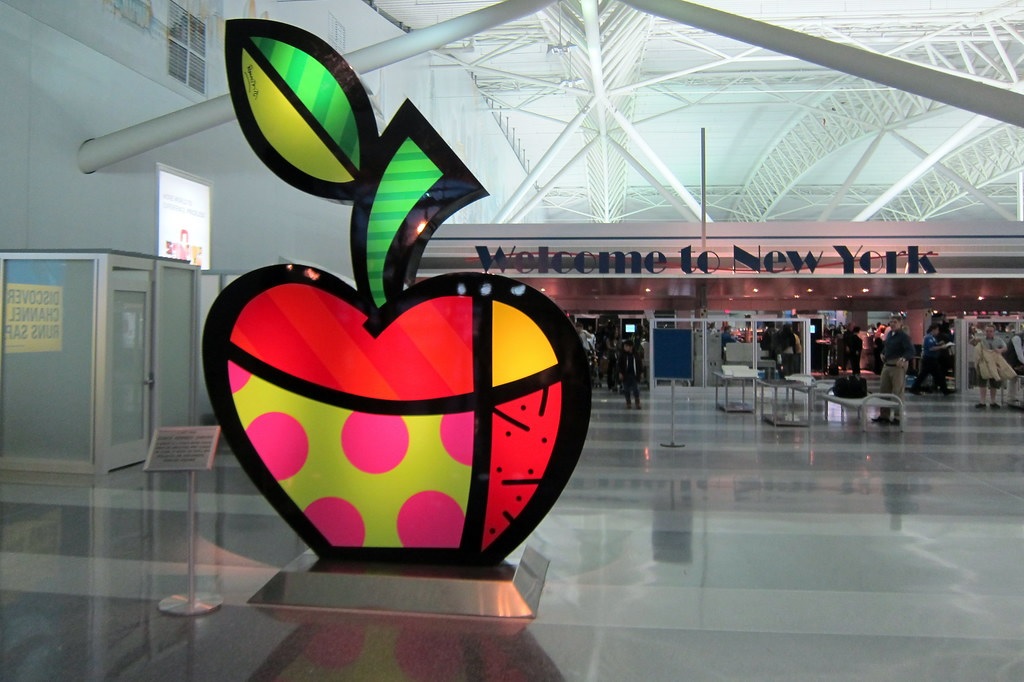
The Jazz Age and Beyond: A Gradual Ascent
While Fitz Gerald introduced “The Big Apple” to the horse racing public, its expansion into broader cultural circles occurred organically, particularly during the vibrant and revolutionary era of the Jazz Age.
Jazz Musicians and the “Big Apple”
As the 1920s roared on, New York City was rapidly solidifying its reputation as the epicenter of arts, culture, and entertainment, particularly for the burgeoning jazz scene. Musicians from across the United States flocked to New York, drawn by the promise of legendary clubs, appreciative audiences, and the chance to make it big. In this context, “The Big Apple” took on a new, yet equally potent, meaning.
For jazz artists, particularly those playing in the vibrant clubs of Harlem and other Manhattan neighborhoods, New York City was the ultimate gig, the place where true talent was recognized and rewarded. As the saying went among them, “There are many apples on the tree, but only one Big Apple.” This metaphorical ‘Big Apple’ symbolized the pinnacle of their profession – the largest, most coveted stage. Performing in New York meant you had arrived, you were playing with the best, and you were at the heart of the musical world.
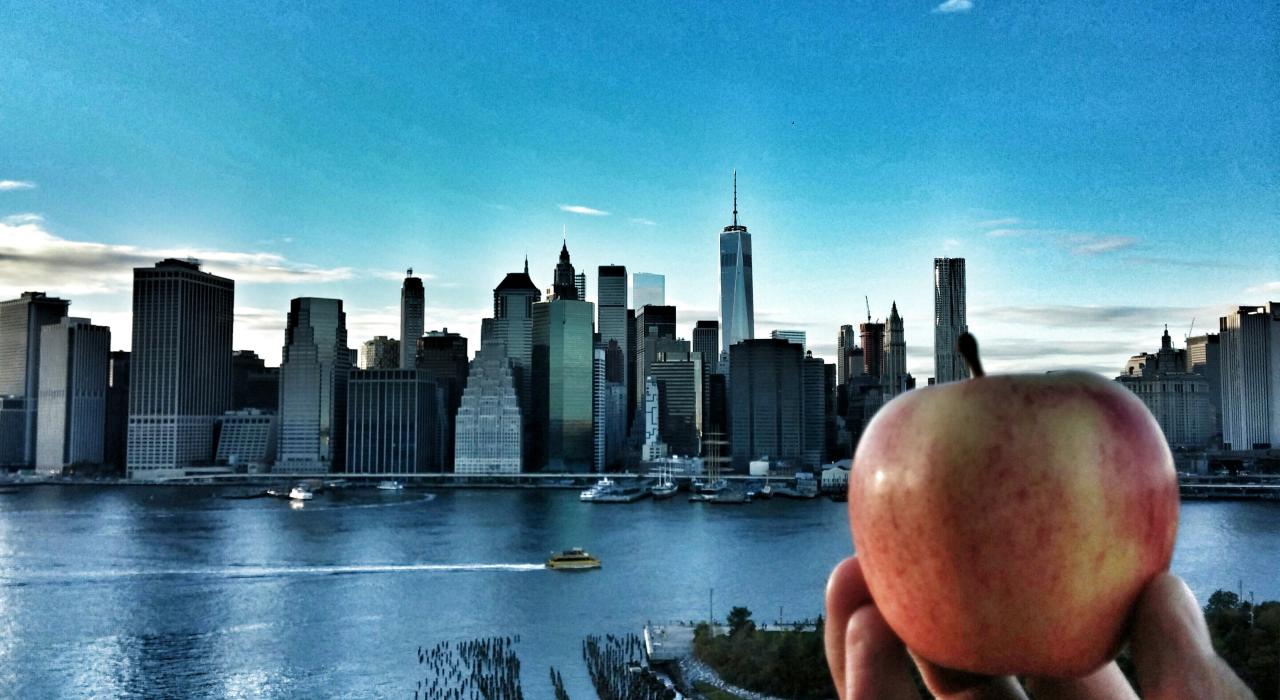
The nickname appeared in various jazz-related contexts throughout the 1930s. For instance, a popular song and dance called “The Big Apple” emerged during this period, further embedding the phrase into the cultural lexicon, albeit still within specific circles. It reflected New York City’s increasing dominance as a cultural capital, a place where dreams were pursued, and legends were made. Even as the Great Depression cast a shadow over the nation, the allure of New York as “The Big Apple” persisted, a beacon of hope and opportunity for artists and ambitious individuals alike.
The Apple’s Rebirth: A 1970s Tourism Triumph
Despite its origins and gradual popularization in niche circles, “The Big Apple” wasn’t universally recognized as New York City’s official nickname for decades. Its true ascendancy to global recognition came much later, in the midst of a challenging period for the city, through a deliberate and highly successful tourism campaign.
Revitalizing a City with a Catchy Slogan
By the 1970s, New York City was facing a severe image crisis. High crime rates, economic downturn, budget deficits, and a general perception of urban decay plagued the metropolis. The city, once seen as a beacon, was now often viewed with apprehension by both potential visitors and its own residents. This grim reality led to a critical need for a rebranding effort – one that could restore confidence and attract much-needed tourism dollars.
Enter Charles Gillett, the insightful president of the New York Convention and Visitors Bureau (now known as NYC & Company). Gillett was tasked with the daunting challenge of improving the city’s image and boosting its appeal as a tourist destination. It was during his research into classic New York lore that he rediscovered the old nickname, “The Big Apple.” He recalled hearing it from older jazz musicians and noted its vibrant, positive connotations of aspiration and reward.
Gillett recognized the inherent optimism and unique charm of the phrase. It offered a stark contrast to the prevailing negative narrative. In 1971, he launched a groundbreaking marketing campaign, prominently featuring the catchy slogan “The Big Apple.” The campaign aimed to brand New York City as a fun, desirable, and exciting place to visit. Bright red apple logos were plastered everywhere, welcoming visitors and encouraging locals to take pride in their city. The campaign coincided with the equally famous “I Love New York” slogan and logo, which was introduced by the state in 1977.
The combined efforts of these campaigns were nothing short of a triumph. “The Big Apple” quickly resonated with the public, both domestically and internationally. It provided a fresh, positive identity that helped shed the negative stereotypes of the era. The nickname became a symbol of resilience, a testament to the city’s enduring appeal, and a powerful draw for travelers. Thanks to this strategic initiative, what was once a niche slang term became a household name, firmly cementing its place in popular culture and tourism guides around the world.
The Enduring Symbol: The Big Apple in Modern New York
Today, “The Big Apple” is more than just a historical nickname; it’s a living, breathing metaphor that encapsulates the very essence of New York City. It symbolizes the city’s vastness, its endless opportunities, and its status as a global leader in virtually every field imaginable.
A Metaphor for Opportunity and Grandeur
The nickname perfectly embodies New York City’s magnetic allure. It is truly a place where people from all walks of life come to “take a bite” out of life, to pursue their dreams, and to experience the zenith of urban living. Whether one aspires to conquer Wall Street, shine on Broadway, launch a fashion empire on Fifth Avenue, or simply immerse themselves in diverse cultures, New York presents an unparalleled stage.
This symbolism is woven into every aspect of a traveler’s experience. From the moment one catches sight of the majestic Statue of Liberty or gazes upon the shimmering spire of the Empire State Building, the grandeur of “The Big Apple” is undeniable. The city’s landmarks aren’t just architectural marvels; they are monuments to ambition, history, and human achievement. Exploring neighborhoods like the historic Greenwich Village, the trendy Meatpacking District, or the cultural enclaves of Chinatown and Little Italy reveals the myriad facets that make up this multifaceted “apple.”
The nickname also resonates with the city’s reputation as a cultural melting pot and an innovator in lifestyle. From high-end luxury travel experiences to accessible budget travel adventures, from sophisticated culinary tours to vibrant street art explorations, New York City offers a spectrum of experiences. Its world-class museums, such as the Metropolitan Museum of Art and the Museum of Modern Art, alongside its legendary Broadway theaters, ensure that tourism here is rich with intellectual and artistic engagement. The city’s dynamic food scene, boasting everything from Michelin-starred restaurants to iconic street carts, further solidifies its status as a destination offering the very best.
Navigating The Big Apple: A Traveler’s Perspective
For anyone considering a trip to New York City, understanding its “Big Apple” identity can significantly enhance the travel experience. It’s about more than just seeing famous sites; it’s about embracing the city’s ethos of aspiration, diversity, and relentless energy.
Crafting Your New York City Experience
When planning your visit to this magnificent destination, consider how to best immerse yourself in its unique offerings, balancing iconic landmarks with local culture and comfortable accommodation.
Accommodation: The sheer variety of hotels and accommodations in New York City mirrors its diverse character. From ultra-luxury properties like The Plaza Hotel or St. Regis New York that offer unparalleled amenities and service, to stylish boutique hotels such as The Standard High Line providing unique local experiences, to more budget-friendly options and even long-term apartment rentals for extended stays, there’s something for every preference and wallet. When booking, consider the neighborhood that best suits your travel style – whether you want to be in the heart of the action near Times Square or prefer the charming streets of West Village. Reviews and comparison tools are invaluable for finding the perfect place to rest your head after a day of exploring.
Attractions & Activities: To truly experience “The Big Apple,” a mix of iconic landmarks and authentic local experiences is essential. Walk across the majestic Brooklyn Bridge for stunning skyline views, wander through the verdant expanse of Central Park, or catch a world-class Broadway show. Dive into the local culture by exploring the historic Tenement Museum on the Lower East Side, joining a food tour through Queens‘ diverse neighborhoods, or discovering the vibrant art scene in DUMBO, Brooklyn. Every corner of the city presents an opportunity for a unique experience, whether it’s high-end shopping, exploring a quiet garden, or visiting a historic site. For family trips, attractions like the American Museum of Natural History or a ferry ride to Ellis Island offer both education and fun. For those on business stays, the city offers unparalleled networking opportunities and amenities.
Tips for a Memorable Stay: Getting around New York City is easiest via its extensive public transportation system, particularly the Subway, which operates 24/7. Consider purchasing a MetroCard for convenience. The best times to visit are typically spring and fall, when the weather is pleasant, and the city is buzzing with outdoor activities and cultural events. Planning is key to making the most of your trip; whether you’re aiming for luxury travel or sticking to a budget travel plan, having an itinerary will help you navigate the immense scale and variety of the city. Remember, “The Big Apple” offers so much that you can only take one bite at a time, but each bite promises to be unforgettable.
In conclusion, the nickname “The Big Apple” has evolved from a niche term among horse racing enthusiasts and jazz musicians to a universally recognized symbol of New York City’s grandeur and magnetic appeal. It stands as a testament to the city’s enduring power as a destination that attracts millions seeking opportunity, culture, and an unforgettable experience. For any traveler, embarking on a journey to “The Big Apple” is to engage with a truly legendary place, promising adventures as rich and diverse as the city itself.
LifeOutOfTheBox is a participant in the Amazon Services LLC Associates Program, an affiliate advertising program designed to provide a means for sites to earn advertising fees by advertising and linking to Amazon.com. Amazon, the Amazon logo, AmazonSupply, and the AmazonSupply logo are trademarks of Amazon.com, Inc. or its affiliates. As an Amazon Associate we earn affiliate commissions from qualifying purchases.