
The vast, wild expanse of Alaska, known as the Last Frontier, holds a unique allure for adventurers, nature lovers, and those seeking an escape into the untouched wilderness. While its towering glaciers, abundant wildlife, and vibrant indigenous cultures are widely celebrated today, there was a time when this magnificent territory was not yet part of the United States of America. The question of “When Alaska Became A State?” marks a pivotal moment in both American history and the development of this extraordinary land, transforming it from a remote territory into the 49th state and opening its wonders to the world.
The journey to statehood was a long and arduous one, stretching back nearly a century after its acquisition. It’s a story woven with threads of geopolitical strategy, economic booms, military significance, and the persistent efforts of its residents. Understanding this historical context not only provides insight into Alaska’s past but also enriches any visit to its breathtaking landscapes, offering a deeper appreciation for the forces that shaped its identity and its place in the global imagination.
A Journey Through Time: Alaska’s Path to Statehood
Alaska’s path to becoming a state is a captivating narrative that began long before the idea of statehood even took root. It involves international diplomacy, resource exploitation, and a growing desire for self-determination among its diverse population.
From Russian America to Seward’s Folly
Before becoming an American territory, Alaska was known as Russian America. Explored by Russian navigators in the early 18th century, it became a hub for fur trading, primarily for sea otter pelts, attracting Russian merchants and trappers. However, by the mid-19th century, Russia found its North American colony to be an economic burden and strategically vulnerable, especially after the Crimean War.
The opportunity arose for the United States to expand its reach. On March 30, 1867, U.S. Secretary of State William H. Seward negotiated the purchase of Alaska from Russia for $7.2 million, or approximately two cents an acre. At the time, this transaction was widely ridiculed by the American press and public, who dubbed it “Seward’s Folly” or “Seward’s Icebox,” believing the land to be barren and worthless. Little did they know, this seemingly barren icebox held unimaginable riches and strategic importance.
The Gold Rush Era and Early Development
The skepticism surrounding Alaska’s value began to dissipate towards the end of the 19th century. The discovery of gold in the Yukon Territory in Canada in 1896, which sparked the famous Klondike Gold Rush, brought tens of thousands of prospectors flocking to the region. Many of these prospectors passed through or settled in Alaska itself, leading to significant gold discoveries in places like Nome and Fairbanks.
This influx of people and capital spurred the first substantial development in the territory. Towns sprung up, transportation networks began to form, and rudimentary infrastructure was established. Beyond gold, other resources like copper, fish, and timber also proved to be highly valuable, laying the groundwork for Alaska’s economic future and attracting a more permanent population. This period also saw the establishment of crucial federal institutions, slowly integrating Alaska more closely with the rest of the United States.
World Wars and Strategic Importance
The 20th century further underscored Alaska’s immense strategic importance, particularly during the two World Wars. During World War I, its resources contributed to the war effort, but it was World War II that truly cemented Alaska’s vital role in national defense.
The Japanese invasion of the Aleutian Islands in 1942, marking the only time American soil was occupied by an enemy during the war, highlighted Alaska’s vulnerability and its critical position as a potential battleground. The subsequent Aleutian Islands Campaign involved significant military build-up, including the construction of airfields, naval bases, and the Alaska Highway, which connected the territory to the contiguous United States. This period brought a massive influx of military personnel and construction workers, dramatically increasing the population and creating a strong sense of a shared Alaskan identity. Post-war, during the Cold War, Alaska’s proximity to the Soviet Union made it a crucial frontline for defense, further solidifying its strategic value.
The Fight for Statehood
The post-WWII era saw a surging desire for statehood among Alaskans. They argued that territorial status meant a lack of full representation in Congress, economic exploitation by outside interests, and limited control over their own destiny. Key figures like Ernest Gruening, who served as Governor of the Alaska Territory, became fervent advocates for statehood.
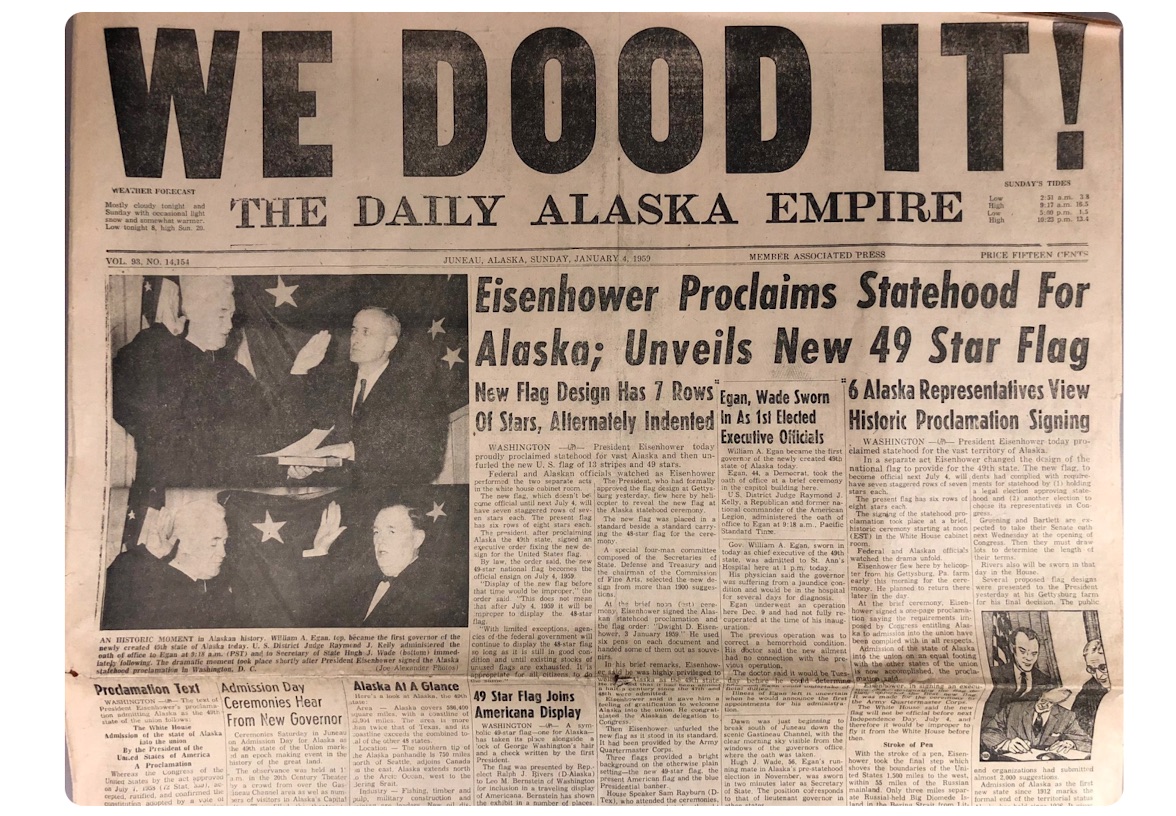
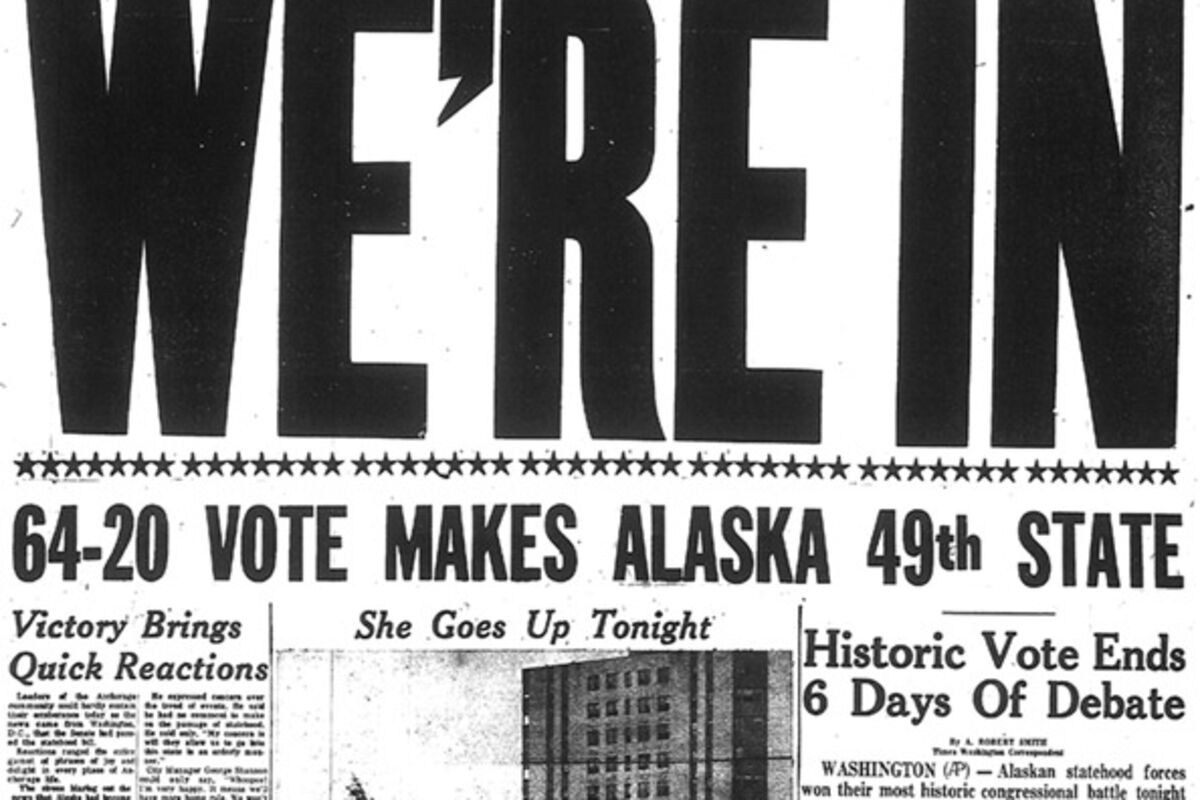
The movement gained momentum through constitutional conventions, widespread public support, and persistent lobbying in Washington, D.C. Despite opposition from some who feared the cost of admitting such a large and sparsely populated territory, the compelling arguments for economic development, self-governance, and strategic defense ultimately prevailed. Finally, on July 7, 1958, President Dwight D. Eisenhower signed the Alaska Statehood Act into law.
The official proclamation that transformed the territory into the 49th state of the United States was made on January 3, 1959. This momentous day marked the culmination of nearly a century of development and advocacy, fundamentally altering Alaska’s future and paving the way for its incredible growth and recognition on the world stage.
Alaska Today: A Land of Unrivaled Beauty and Adventure
Since gaining statehood, Alaska has blossomed into a premier destination for travelers seeking unparalleled natural beauty and thrilling adventures. Its vast wilderness, diverse ecosystems, and rich cultural heritage offer a spectrum of experiences for every type of visitor.
Iconic Destinations and Natural Wonders
Alaska is a tapestry of majestic landscapes. The crown jewel is undoubtedly Denali National Park and Preserve, home to Mount Denali (formerly Mount McKinley), North America’s highest peak. Visitors here can witness an incredible array of wildlife, including grizzly bears, moose, caribou, and wolves, all against a backdrop of stunning mountain vistas.
Further south, the tidewater glaciers and marine wildlife of Glacier Bay National Park and Preserve and Kenai Fjords National Park offer dramatic cruising experiences, where colossal ice chunks calve into the sea. The famous Inside Passage cruise route, stretching from Seattle up to Skagway or Juneau, provides breathtaking views of temperate rainforests, glaciers, and charming coastal towns.
Major cities like Anchorage, the state’s largest city, serve as vibrant hubs offering access to urban amenities and gateway to wilderness adventures. Juneau, the scenic capital, is only accessible by air or sea, nestled between mountains and the Gastineau Channel. Fairbanks, located in the interior, is renowned for its exceptional views of the Northern Lights during winter.
Unique Experiences and Cultural Immersion
Beyond its iconic landmarks, Alaska offers a wealth of unique experiences. Wildlife viewing opportunities abound, from bear viewing tours in Katmai National Park to whale watching excursions in the protected waters of the Inside Passage. In winter, dog sledding tours provide an exhilarating way to explore the snowy terrain, often following in the footsteps of the famous Iditarod Trail Sled Dog Race.
Cultural immersion is another cornerstone of an Alaskan trip. The state is rich in Indigenous cultures, with numerous Alaska Native groups whose traditions, art, and history are deeply intertwined with the land. The Alaska Native Heritage Center in Anchorage provides an invaluable opportunity to learn about these diverse cultures through storytelling, dance, and authentic village sites. Local cuisine, featuring fresh seafood like wild Alaskan salmon, halibut, and king crab, along with wild game, offers a taste of the region’s bountiful natural resources.
Planning Your Alaskan Adventure: Accommodation and Travel Tips
Embarking on an Alaskan adventure requires careful planning, especially when it comes to accommodation and navigating this immense state. The options are as diverse as the landscape itself, catering to various budgets and travel styles.
Diverse Accommodation Options
When considering your stay in Alaska, you’ll find a wide range of accommodation choices. For those seeking luxury and comfort, cities like Anchorage and Juneau offer well-appointed hotels and resorts with modern amenities. Many cruises also provide luxurious suites with all-inclusive packages, allowing you to explore the coastal wonders in style.
For a more immersive wilderness experience, consider staying in a remote wilderness lodge. These lodges, often accessible only by floatplane, provide unique opportunities for wildlife viewing, fishing, and hiking, combined with rustic charm and sometimes gourmet dining. Cozy bed and breakfasts are scattered throughout smaller towns, offering personalized service and a taste of local hospitality. For budget-conscious travelers, hostels and campgrounds are available, especially in national parks and popular hiking areas. Given the popularity of Alaska as a travel destination, especially during the peak summer months (June to August), it is highly recommended to book your accommodation, tours, and transportation well in advance to secure your preferred options and avoid disappointment.
Navigating the Last Frontier
Traveling around Alaska is an adventure in itself due to its sheer size and diverse terrain. Cruises are a popular way to explore the coastal regions and the Inside Passage, offering convenient access to multiple destinations without the hassle of driving. The historic Alaska Railroad provides a scenic and comfortable way to travel between key interior destinations like Anchorage, Denali, and Fairbanks, with options for both day trips and multi-day excursions.
For reaching remote areas or traversing vast distances quickly, domestic flights are often the most practical choice, with small bush planes being essential for accessing truly off-the-grid locations. While driving is possible along the limited road system, it requires careful planning, especially when venturing off the main highways.

The best time to visit Alaska depends on your interests. Summer (June-August) is ideal for wildlife viewing, hiking, fishing, and longer daylight hours. Winter (November-March) offers spectacular opportunities to see the Northern Lights, enjoy snow sports, and experience the quieter, stark beauty of the Alaskan landscape. Packing layers of clothing, including waterproof gear, is crucial regardless of the season, as Alaskan weather can be unpredictable.
The Lasting Legacy of Statehood: Tourism and Lifestyle
Alaska’s statehood in 1959 marked a significant turning point, opening up new avenues for economic development and tourism that have profoundly shaped its modern identity and the lifestyle of its residents. It allowed Alaska to take greater control over its vast land and resources, paving the way for responsible development while also preserving its pristine wilderness.
The oil discovery at Prudhoe Bay in 1968 and the subsequent construction of the Trans-Alaska Pipeline System brought immense wealth and transformed the state’s economy. This newfound prosperity, coupled with increasing accessibility and the growing appeal of wilderness travel, significantly boosted Alaska’s tourism industry. Today, tourism is a cornerstone of the Alaskan economy, drawing millions of visitors annually who contribute to local businesses, create jobs, and foster a deeper appreciation for the state’s natural heritage.
For both residents and visitors, Alaska represents a lifestyle deeply connected to nature and adventure. Whether it’s luxury travelers enjoying an upscale cruise through the Inside Passage, budget travelers backpacking through national parks, or families on a summer road trip, the state offers diverse experiences. It embraces a spirit of self-reliance, community, and respect for the environment. Statehood empowered Alaskans to advocate for policies that balance resource extraction with conservation, leading to the establishment and expansion of numerous national parks, wildlife refuges, and wilderness areas that protect the very landscapes that draw so many.
In conclusion, the answer to “When Alaska Became A State?” — January 3, 1959 — is more than just a date; it’s the culmination of a rich history and the beginning of a remarkable journey. It’s the moment the Last Frontier officially joined the American family, setting the stage for its emergence as a global icon of wilderness, adventure, and a truly unforgettable travel destination. From its dramatic past to its vibrant present, Alaska continues to captivate and inspire, inviting everyone to discover its boundless wonders.
LifeOutOfTheBox is a participant in the Amazon Services LLC Associates Program, an affiliate advertising program designed to provide a means for sites to earn advertising fees by advertising and linking to Amazon.com. Amazon, the Amazon logo, AmazonSupply, and the AmazonSupply logo are trademarks of Amazon.com, Inc. or its affiliates. As an Amazon Associate we earn affiliate commissions from qualifying purchases.