
For anyone considering a visit, a relocation, or even a seasonal work stint in the sun-drenched landscapes of Arizona, understanding the local economic landscape is as crucial as knowing the best routes to the Grand Canyon or the most vibrant eateries in Scottsdale. At the heart of this economic understanding lies the minimum wage – a fundamental figure that impacts everything from the cost of a cup of coffee to the price of a night’s stay at a luxurious resort. While it might seem like a purely fiscal detail, the minimum wage in Arizona plays a significant role in shaping the travel experience, the hospitality industry, and the overall lifestyle for both residents and visitors alike.

The Grand Canyon State, renowned for its breathtaking natural beauty, vibrant cities, and thriving tourism sector, is a magnet for travelers seeking diverse experiences – from adventurous hikes to serene desert retreats. Its tourism industry is a major economic driver, employing countless individuals in hotels, restaurants, attractions, and various service roles. Therefore, grasping the nuances of Arizona’s minimum wage provides a deeper insight into the local economy, the cost of living, and the intricate dance between wages, prices, and the quality of services that define the state’s allure.
This article delves into the specifics of Arizona’s minimum wage, exploring its current rates, its historical context, and critically, its far-reaching implications for the state’s vital tourism and hospitality sectors. Whether you’re a prospective employee, a budget-conscious traveler, or simply curious about the economic dynamics of this captivating United States state, understanding these figures is key to navigating the diverse offerings of Arizona.
Arizona’s Minimum Wage Landscape
The journey of the minimum wage in Arizona reflects a broader national conversation about fair compensation and its impact on workers and businesses. Unlike many states where minimum wage adjustments are primarily legislative, Arizona’s minimum wage has largely been shaped by voter initiatives, signifying a strong public sentiment for regular increases. This has led to a dynamic environment where rates are reviewed and updated annually, often exceeding the federal minimum wage.
Current Rates and Recent Updates
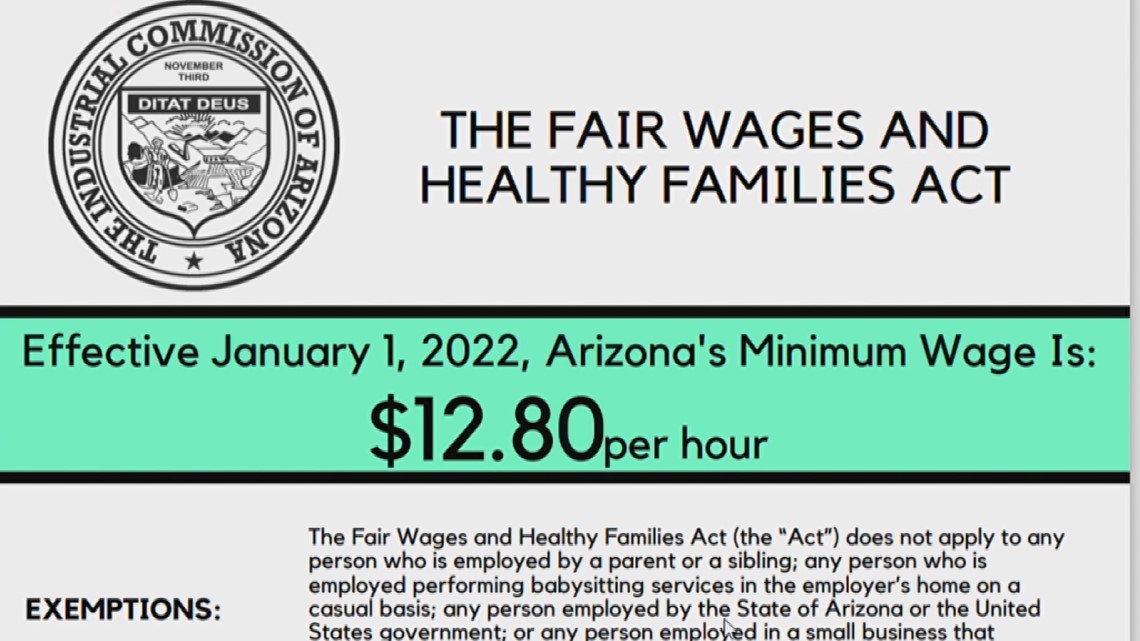
As of January 1, 2024, the statewide minimum wage in Arizona stands at $14.35 per hour. This figure is a direct result of Proposition 206, the Fair Wages and Healthy Families Act, which was passed by Arizona voters in 2016. This landmark legislation not only mandated an immediate increase but also established a framework for annual adjustments based on the cost of living, specifically tied to the Consumer Price Index for Phoenix metropolitan area. This mechanism ensures that the minimum wage keeps pace with inflation, providing workers with more stable purchasing power over time.
While the $14.35 per hour is the statewide standard, it’s essential to note that some cities within Arizona have opted to establish their own, higher local minimum wages. The most prominent example is Flagstaff, a popular mountain destination near the Grand Canyon, which consistently maintains one of the highest minimum wages in the state, surpassing the state mandate. As of January 1, 2024, Flagstaff’s minimum wage is $17.40 per hour. These local variations highlight the diverse economic conditions and priorities across different regions of Arizona and are particularly relevant for those seeking employment or planning a trip to specific cities.
Tipped Employee Regulations
The hospitality sector, a cornerstone of Arizona’s economy, heavily relies on tipped employees. Waitstaff, bartenders, bellhops, and many other service professionals in hotels, resorts, and restaurants earn a significant portion of their income through gratuities. Recognizing this, Arizona has specific regulations for tipped employees, which differ from the standard minimum wage.
Under Arizona law, employers of tipped employees can pay a cash wage lower than the standard minimum wage, provided that the employee’s tips, when combined with their cash wage, meet or exceed the statewide minimum wage. The tip credit, as it’s known, allows employers to pay a minimum of $3.00 per hour less than the standard minimum wage. This means that for 2024, the minimum cash wage for tipped employees is $11.35 per hour ($14.35 – $3.00). However, if an employee’s combined hourly wage (cash wage plus tips) does not reach the full $14.35 minimum wage, the employer is legally obligated to make up the difference.
This system is designed to balance the income potential from tips with a guaranteed base wage. For travelers, understanding this structure offers insight into why tipping culture is so prevalent and important in the United States, particularly in high-tourism areas like Phoenix, Tucson, and Sedona. It underscores the reliance of many service workers on tips to achieve a living wage, impacting the overall cost of dining and services.
Exemptions and Exceptions
While minimum wage laws aim for broad coverage, certain categories of workers and employment situations are exempt from these regulations. Generally, these exemptions mirror those found in the federal Fair Labor Standards Act (FLSA)). Common exemptions include:
- Salaried Professional, Administrative, and Executive Employees: Those who meet specific duties tests and earn a salary above a certain threshold are often exempt from overtime and minimum wage requirements.
- Outside Salespeople: Employees whose primary duty is making sales away from the employer’s place of business.
- Certain Agricultural Workers: Depending on the size of the farm and the number of hours worked.
- Direct Care Workers: Provided by the state to family members or others.
- Casual Babysitters and Companions for the Elderly or Infirm: When not employed by an agency.
- Employees of Small Businesses (Federal Exemption): While Arizona’s Prop 206 applies to most employers, the federal FLSA exempts businesses with less than $500,000 in annual gross revenue, though many Arizona businesses would still be covered by state law.
It’s important for both employers and employees in Arizona to be aware of these specific exemptions to ensure compliance and understanding of labor rights. For individuals considering seasonal work or specific types of employment in the state, verifying their status relative to these exemptions is a crucial step.
The Impact on Arizona’s Tourism and Hospitality Sector
The minimum wage is more than just a number; it’s a critical component of the economic ecosystem, particularly in a state like Arizona, where tourism and hospitality are economic pillars. The rates paid to employees directly influence the quality of service, the cost of experiences, and the overall attractiveness of the state as a travel destination.
Attracting and Retaining Talent
A competitive minimum wage is a powerful tool for attracting and retaining skilled talent in the demanding service industries. In Arizona’s vibrant tourism sector, from the luxury suites of Phoenix resorts to the bustling cafes near Sedona’s Red Rocks, the quality of human interaction significantly shapes a visitor’s experience. Higher wages can lead to:
- Improved Employee Morale and Motivation: Workers who feel fairly compensated are generally more engaged and committed to providing excellent service, which directly benefits guests.
- Reduced Employee Turnover: High turnover is costly for businesses and disruptive to service quality. Competitive wages help retain experienced staff, ensuring consistent, high-quality service at hotels, restaurants, and attractions.
- Enhanced Service Quality: When businesses can attract and keep experienced staff, guests benefit from more knowledgeable, efficient, and friendly service – from a concierge at the Arizona Biltmore, A Waldorf Astoria Resort to a tour guide at Antelope Canyon. This directly contributes to Arizona’s reputation as a premier travel destination.
- Stronger Local Economy: Money earned by local workers is typically spent locally, supporting other businesses and creating a ripple effect throughout the community, which indirectly benefits the overall tourism ecosystem.
Ultimately, a robust minimum wage can elevate the entire guest experience, making Arizona even more appealing to discerning travelers who value quality and service.
Cost of Living vs. Minimum Wage in Key Tourist Destinations
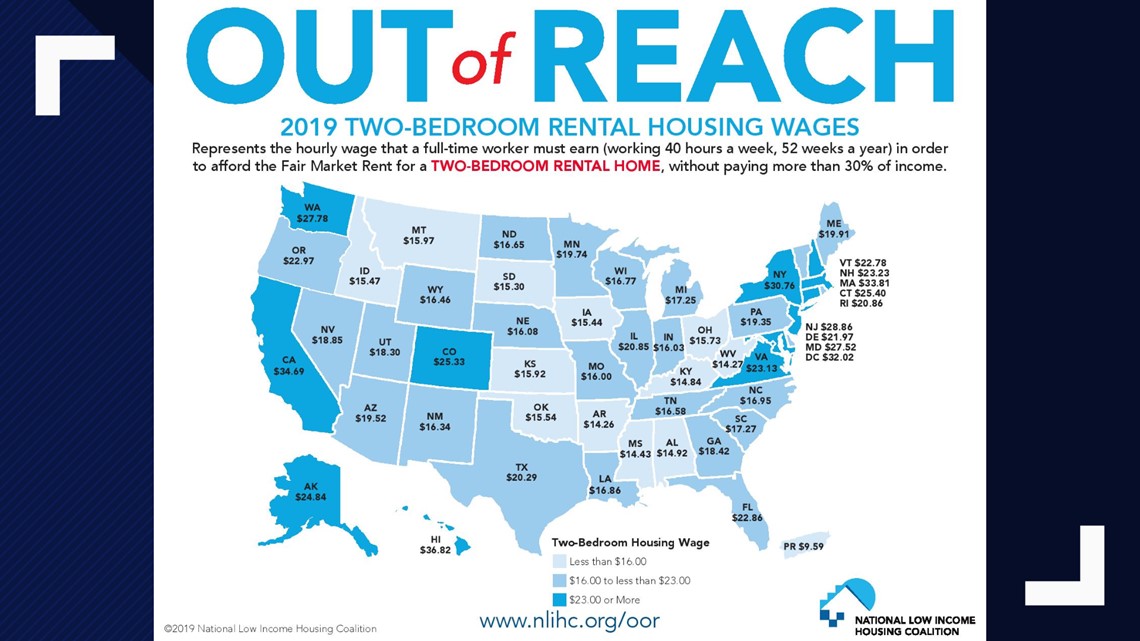
While Arizona’s minimum wage has steadily increased, the cost of living in its most popular tourist destinations has also seen a significant uptick. This dynamic is crucial for anyone considering living or working in these areas, even temporarily. Cities like Scottsdale, Sedona, and even parts of Phoenix and Tucson are known for their picturesque settings, upscale amenities, and vibrant lifestyle, but these often come with a higher price tag for housing, food, and services.
For an individual earning the minimum wage, affording an apartment in Old Town Scottsdale or near the spiritual vortexes of Sedona can be challenging. Even in Flagstaff, despite its higher local minimum wage, the limited housing options and high demand due to its university and proximity to the Grand Canyon can make it difficult to find affordable accommodation. This disparity means that while minimum wage workers contribute significantly to the tourism industry, they often face a considerable struggle to live comfortably in the very places they serve. This is particularly relevant for seasonal workers or those on budget travel who might seek employment to extend their stay.
Budgeting for Travelers and Seasonal Workers
For travelers planning a trip to Arizona, understanding the minimum wage indirectly influences their budget. Higher wages for service workers often translate to slightly higher prices for dining, hotel stays, and attractions. While this might mean a marginally increased expenditure, it also often signifies better quality service and a more sustainable local economy. When budgeting for an Arizona vacation, particularly in premium destinations like Scottsdale or Sedona, it’s wise to account for these potentially higher costs.
For seasonal workers, who often flock to Arizona for jobs in ski resorts during winter in Flagstaff or hospitality roles during the peak spring season in Phoenix, detailed budgeting is paramount. They need to factor in:
- Hourly Wage vs. Living Expenses: Calculate how many hours are needed to cover rent, utilities, transportation, and food, especially if sharing apartments or seeking cheaper villas further from central areas.
- Tipped vs. Non-Tipped Roles: Understand the potential variability in income for tipped positions and plan accordingly.
- Cost of Transportation: Public transport can be limited in some areas, making personal vehicles or ride-sharing services a significant expense.
- Saving for Off-Season: Many seasonal jobs have an end date, requiring workers to save enough to cover expenses during downtime or to travel to their next opportunity.
Detailed financial planning allows seasonal workers to fully enjoy the unique experiences Arizona offers, from exploring its famous landmarks to participating in local cultural activities.
Lifestyle and Economic Considerations for Visitors and Residents
The minimum wage, while a direct measure of earnings, ripples out to influence broader lifestyle choices and economic realities for both those living in Arizona and those passing through. Its implications touch upon everything from how one experiences the state’s natural wonders to the viability of starting a small business.
Exploring Arizona on a Budget
Despite the rising cost of living in some areas, Arizona remains a fantastic destination for budget travelers who know how to navigate its economic landscape. Understanding the local wage structure can help travelers make informed decisions to optimize their expenses:
- Self-Catering vs. Dining Out: While Arizona’s food scene is incredible, frequent dining, especially in high-wage areas like Flagstaff or Scottsdale, can quickly add up. Opting for accommodation with kitchen amenities like apartments or villas and preparing some meals can significantly reduce costs.
- Free and Low-Cost Attractions: Arizona boasts numerous free or low-cost attractions, including many hiking trails in national forests, scenic drives through areas like the Superstition Mountains, and exploring historic districts like Old Town Scottsdale or Tucson’s Barrio Viejo. Museums often have free admission days.
- Off-Peak Travel: Visiting during shoulder seasons (spring or fall outside of major events) can yield lower prices for hotels and flights, as demand on the local service industry may be less intense.
- Public Transportation and Carpooling: In cities like Phoenix and Tucson, utilizing public transport or carpooling for excursions can save money compared to constant ride-sharing or rental car expenses.
A well-planned budget travel strategy allows visitors to experience the diverse beauty and culture of Arizona without feeling the pinch of its economic realities, demonstrating that unforgettable experiences don’t always require a luxury budget.
The Entrepreneurial Spirit and Local Businesses
Minimum wage policies have a direct bearing on the entrepreneurial landscape and the health of local businesses, particularly within the tourism and hospitality sectors. Small businesses, often the backbone of local economies in popular destinations like Sedona, Bisbee, or Jerome, feel the impact most acutely.
- Operational Costs: Increased minimum wages directly raise labor costs for businesses. This can lead to difficult decisions regarding staffing levels, investment in automation, or adjustments to pricing of goods and services.
- Pricing Strategy: To offset higher labor costs, businesses may increase prices for their products or services – a factor that travelers might notice in restaurants, gift shops, or local tour operators.
- Competitiveness: While higher wages can boost morale and reduce turnover, they also put pressure on small businesses to remain competitive, especially against larger chains that might have greater economies of scale.
- Innovation and Efficiency: Faced with higher labor costs, some businesses are incentivized to innovate, streamline operations, or find niche markets, which can ultimately lead to more unique and efficient offerings for consumers.
Understanding this interplay helps appreciate the delicate balance that local businesses maintain to provide authentic Arizona experiences while operating within a regulated wage environment.
Long-Term Stay and Relocation Insights
For digital nomads, remote workers, or individuals considering a long-term stay or full relocation to Arizona, the minimum wage discussion extends beyond a mere hourly rate. It becomes a significant indicator of the overall economic climate and the viability of building a life in the state.
- Job Market Analysis: While many relocating individuals might not directly seek minimum wage jobs, understanding the base wage provides context for the broader job market. It influences starting salaries for entry-level positions across industries, including tech, healthcare, and administrative roles, which often support the tourism sector indirectly.
- Cost of Living Projection: The minimum wage helps benchmark the cost of living. If minimum wage workers struggle to afford housing in a particular city, it suggests that overall expenses, including rent for apartments or purchasing a home, will be higher for everyone. This insight is crucial when evaluating cities like Tempe, Mesa, or Chandler for relocation.
- Quality of Life: The intersection of wages and the cost of living directly impacts the quality of life. An adequate minimum wage can support a more vibrant local economy, leading to better public services, community amenities, and a generally more stable social environment, all of which are attractive to long-term residents.
- Investment Opportunities: For those looking to invest in rental properties or small businesses that cater to the local workforce or tourists, understanding the wage structure is vital for projecting profitability and sustainability.
Whether you’re exploring the possibility of purchasing a villa in Sedona or simply seeking a seasonal job at a Phoenix hotel, factoring in Arizona’s minimum wage provides a comprehensive view of the economic landscape, ensuring more informed decisions for a fulfilling Arizona experience.
Conclusion
The minimum wage in Arizona is far from a static, isolated economic figure. It is a dynamic force, continually shaped by voter mandates and cost-of-living adjustments, exerting a profound influence across the state’s diverse sectors. From the bustling hospitality establishments in Phoenix and Scottsdale to the serene landscapes surrounding the Grand Canyon, the minimum wage underpins the quality of service, the economic viability of local businesses, and the broader lifestyle for both residents and a myriad of visitors.
For travelers, understanding these wage dynamics offers a richer perspective on the cost of their Arizona adventures, from the price of a meal to the booking of accommodation. For those considering seasonal work or a long-term stay in this captivating state, the minimum wage serves as a crucial benchmark for evaluating job opportunities, budgeting for living expenses, and assessing the overall economic climate.
Arizona’s commitment to regularly adjusting its minimum wage demonstrates a proactive approach to supporting its workforce, which in turn strengthens its foundational tourism and hospitality industries. This ensures that whether you’re enjoying the amenities of a luxury resort, exploring ancient landmarks, or simply savoring the local food, your experience is, in many ways, a reflection of a carefully managed economic environment designed to benefit many. As Arizona continues to evolve, its minimum wage will remain a key indicator of its economic health and its dedication to fostering both thriving communities and unparalleled travel experiences.
LifeOutOfTheBox is a participant in the Amazon Services LLC Associates Program, an affiliate advertising program designed to provide a means for sites to earn advertising fees by advertising and linking to Amazon.com. Amazon, the Amazon logo, AmazonSupply, and the AmazonSupply logo are trademarks of Amazon.com, Inc. or its affiliates. As an Amazon Associate we earn affiliate commissions from qualifying purchases.