
For many, the mention of Arizona evokes images of endless sunshine, vast deserts, and scorching temperatures. While much of that holds true, there’s a dramatic and often misunderstood chapter in the state’s annual climate: the monsoon season. Far from a gentle shower, this period brings a breathtaking display of nature’s power, transforming the parched landscape with intense thunderstorms, striking lightning, and sudden downpours. Understanding when the monsoon season occurs and what it entails is crucial for anyone planning to visit or reside in the Grand Canyon State, offering unique travel experiences, but also demanding careful preparation.
Unveiling Arizona’s Monsoon: A Climatic Phenomenon
The monsoon season in Arizona is not merely a rainy period; it’s a significant shift in atmospheric patterns that fundamentally alters the state’s weather. This phenomenon is a defining characteristic of the summer months across the Southwestern United States and Northwestern Mexico, driven by a complex interplay of atmospheric pressure systems and moisture advection from tropical regions. For travelers, understanding this unique climate cycle is key to planning an unforgettable trip, whether you’re seeking adventure amidst the elements or a tranquil escape from the heat.
What Defines the Monsoon?
The word “monsoon” itself originates from the Arabic word “mausim,” meaning season, highlighting its cyclical nature. In Arizona, the North American Monsoon, often called the Arizona Monsoon, is characterized by a reversal of winds, bringing a surge of moisture from the Gulf of California and the Pacific Ocean into the typically arid region. This influx of humidity, combined with the intense solar heating of the desert floor, creates an unstable atmosphere ripe for towering cumulonimbus clouds and spectacular thunderstorms.
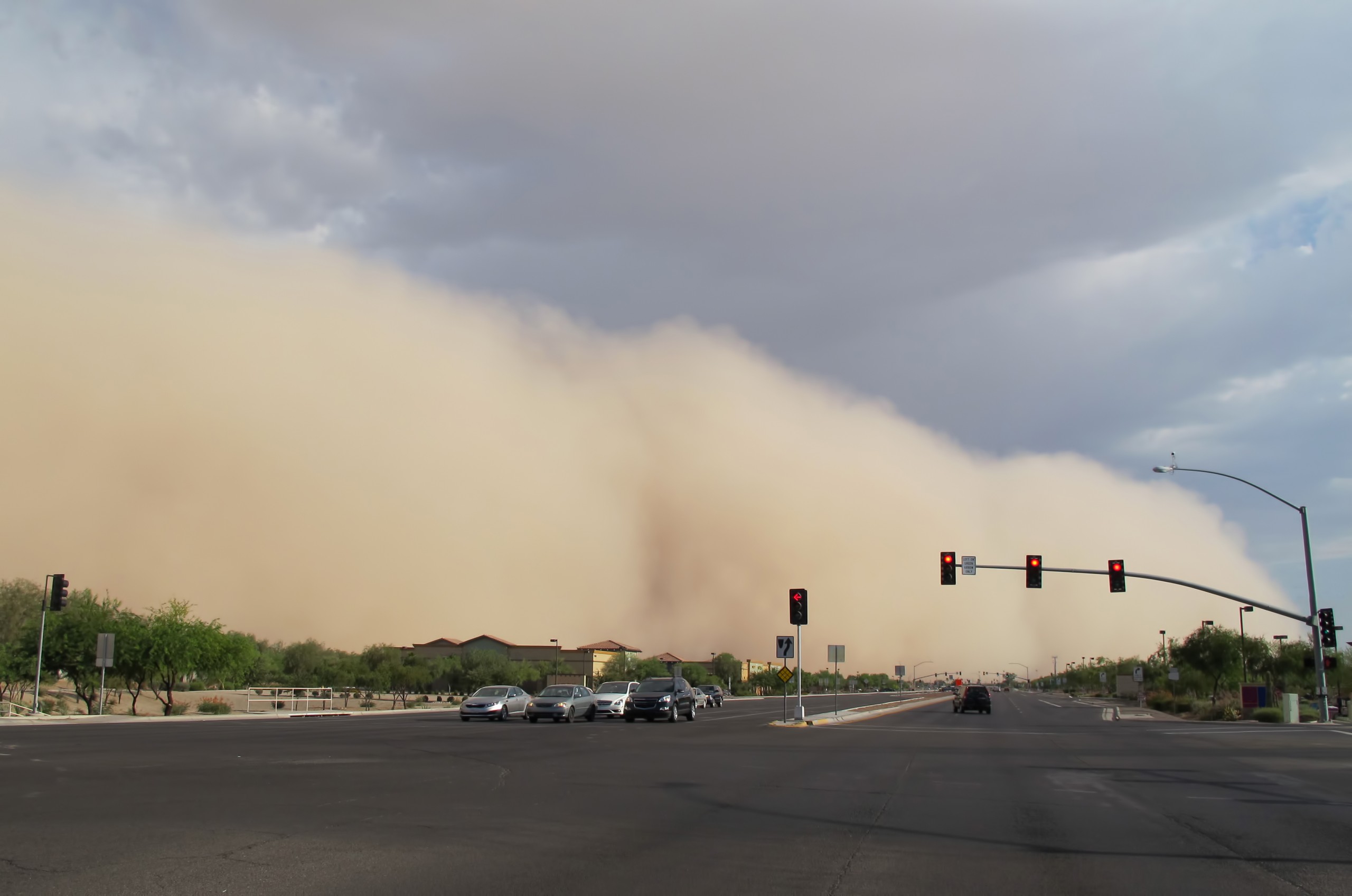
These storms typically manifest as localized, intense downpours, often accompanied by strong winds, vivid lightning displays, and sometimes hail. One of the most iconic and dramatic features of the Arizona monsoon is the “haboob” – a massive wall of dust preceding a thunderstorm, which can dramatically reduce visibility and temporarily transform the landscape. While the rain offers a much-needed reprieve from the relentless summer heat, the associated risks like flash floods and dust storms necessitate informed travel and accommodation choices.

Typical Timeline and Variations
Formally, the monsoon season in Arizona begins on June 15th and concludes on September 30th. However, the onset and intensity of monsoon activity can vary considerably from year to year and even week to week. Early monsoons might see scattered showers begin in late June, while others might not really kick into gear until mid-July. The peak of the season is typically from mid-July through August, when the daily chance of thunderstorms is highest, especially in the afternoon and early evening.
The geographical spread of monsoon activity also varies. Areas like Tucson and Phoenix in the lower deserts experience the heat and humidity that fuel these storms most directly. Higher elevations, such as Flagstaff or the mountain ranges around Sedona, also receive significant rainfall, which can lead to rapid runoff in canyons and washes. It’s not uncommon for one part of a city to experience a torrential downpour while another remains dry. This localized nature adds to the unpredictable, yet captivating, charm of the Arizona monsoon. For those traveling throughout the state, checking local weather forecasts diligently becomes an essential part of the daily routine.
Preparing for Your Monsoon Season Trip
Traveling during Arizona’s monsoon season offers a unique perspective on this diverse state, blending the thrill of dramatic weather with moments of serene beauty. However, it requires a different approach to planning than a typical desert escape. From accommodation choices to daily itineraries, understanding how to navigate the season safely and enjoyably is paramount for any visitor.
Accommodation Choices During Monsoon
When selecting your accommodation during monsoon season, location and amenities become even more critical. In cities like Phoenix, Scottsdale, and Tucson, many luxury resorts and hotels are designed to be oases from the summer heat, boasting expansive pools, air-conditioned indoor activities, and often covered outdoor spaces. Properties such as the Four Seasons Resort Scottsdale at Troon North or The Phoenician offer a high level of comfort and service, allowing guests to enjoy the dramatic weather from a safe and plush vantage point. Look for resorts that offer excellent dining options, spas, and indoor entertainment, ensuring you have plenty to do if a storm keeps you indoors.
For those on a budget, consider hotels or apartments with good air conditioning and perhaps a covered patio where you can sit and watch a storm roll in. Booking well in advance is always wise, especially for popular destinations, but during monsoon season, it also provides peace of mind. Check hotel reviews specifically for mentions of their monsoon preparedness or their ability to handle weather-related issues. Some boutique hotels in Sedona or Prescott might offer cozier, more intimate settings for watching the storms, but always confirm their accessibility during heavy rain. Remember, a safe and comfortable base is essential for a stress-free monsoon adventure.

Navigating Dust Storms and Flash Floods
The two most significant hazards during the Arizona monsoon are dust storms (haboobs) and flash floods. Being prepared for these can make all the difference in ensuring a safe trip.
Dust Storms (Haboobs): These massive walls of dust can appear seemingly out of nowhere, reducing visibility to near zero in a matter of minutes.
- Driving: If you encounter a haboob while driving, the immediate and safest action is to pull completely off the road, turn off your lights (so others don’t mistake your vehicle for being on the road), and take your foot off the brake. Wait for visibility to improve before resuming your journey.
- Outdoors: If you are caught outside, seek immediate shelter indoors. If no shelter is available, cover your mouth and nose to protect against inhaling dust.
- Accommodation: When booking hotels, especially for extended stays, consider properties that offer covered parking to protect your vehicle from dust and debris.
Flash Floods: Heavy monsoon rains can quickly turn dry washes and low-lying areas into raging rivers.
- Never drive or walk through flooded areas: The old adage, “Turn around, don’t drown,” is especially critical in Arizona. Even a few inches of rapidly moving water can sweep a vehicle away. Roads can also collapse under floodwaters.
- Hiking: Avoid hiking in canyons, washes, or near rivers during or immediately after a thunderstorm. Check weather forecasts before heading out and be aware of your surroundings for signs of rising water. Many popular hiking trails, especially in areas like Sedona and Saguaro National Park, can become extremely dangerous during heavy rainfall due to slick surfaces and rushing water.
- Local Culture and Tourism: Pay attention to local news and alerts. Arizona’s tourism sector is well-versed in monsoon safety, and local guides and information centers will offer the most up-to-date advice.
Embracing the Unique Beauty of Arizona’s Monsoons
Despite the challenges, the monsoon season in Arizona is a period of incredible natural beauty and unique experiences for travelers. The desert undergoes a dramatic transformation, and the interplay of light and shadow, thunder and rain, creates unforgettable vistas. This is a time when the desert truly comes alive, offering a different kind of adventure.
Exploring Arizona’s Landmarks
Many of Arizona’s famous landmarks take on a new, vibrant character during the monsoon.
- Grand Canyon: Witnessing a thunderstorm over the Grand Canyon is an awe-inspiring experience. The vast expanse allows you to see rain shafts miles away, and lightning strikes illuminate the canyon walls dramatically. While hiking into the canyon during a storm is discouraged, observing from the rim offers unparalleled photographic opportunities.
- Sedona: The red rocks of Sedona deepen in color when wet, and the clouds hanging low over the buttes create a mystical atmosphere. Post-rain, the air is crisp, and waterfalls can briefly appear in unexpected places. While hiking trails might be muddy, the town itself remains a delightful hub for art galleries, spas, and culinary experiences.
- Sonoran Desert: The Sonoran Desert comes alive after monsoon rains. Cacti and other desert plants, including the iconic Saguaro, perk up, and a verdant flush can appear within days. Wildflowers, though less abundant than in spring, can also make an appearance. Saguaro National Park near Tucson is a prime location to witness this revitalization, but always check trail conditions.
- Monument Valley: While further north and often experiencing less intense monsoons, the storms that do roll through Monument Valley can create incredibly dramatic backdrops for the iconic buttes and mesas, offering photographers unparalleled shots.
- Petrified Forest National Park: The vibrant colors of the petrified wood and painted desert badlands are intensified after rain, making for striking visual contrasts.
Consider guided tours during this period, as local experts are best equipped to navigate the changing conditions and ensure a safe and informative experience. Many tour operators adapt their itineraries to account for weather, offering alternatives or adjusting timings to avoid the peak storm hours.
Capturing the Monsoon Magic: Photography and Experiences
For photographers and nature enthusiasts, the Arizona monsoon is a treasure trove of opportunities. The dramatic skies, lightning displays, and vibrant landscapes offer stunning subjects.
- Lightning Photography: With appropriate safety precautions (shooting from indoors or a safe, covered location), capturing the intense lightning strikes is a hallmark of monsoon photography.
- Post-Rain Landscapes: The clarity of the air after a storm, coupled with rich colors and often rainbows, creates spectacular opportunities for landscape photography.
- Wildlife Viewing: Many desert animals become more active during and after monsoon rains, making it a good time for wildlife spotting, particularly around water sources.
- Cultural Experiences: Many of Arizona’s cities, like Phoenix and Tucson, offer a rich array of indoor cultural attractions, museums, and culinary scenes that thrive year-round, providing excellent alternatives during stormy weather. Consider exploring local art galleries, historical museums, or engaging in a culinary tour. This can be a perfect blend of lifestyle and tourism, allowing you to immerse yourself in local culture while waiting for the skies to clear.
Safety First: Tips for Travelers
Beyond the specific hazards of dust storms and flash floods, general safety during monsoon season is paramount.
- Stay Informed: Regularly check local weather forecasts and advisories from the National Weather Service. Many local news outlets provide real-time radar and storm tracking.
- Flexible Itinerary: Be prepared to adjust your plans at a moment’s notice. A hiking trip might need to be swapped for a museum visit, or a planned drive might need to be delayed.
- Pack Appropriately: Lightweight, breathable clothing is essential for the heat and humidity. However, a light rain jacket and sturdy, waterproof shoes are also highly recommended. Don’t forget a hat, sunglasses, and plenty of water for when the sun does shine.
- Vehicle Maintenance: Ensure your vehicle’s tires are in good condition, and that windshield wipers are functional. Keep your fuel tank full, as unforeseen delays might require extended idling.
- Emergency Kit: Consider carrying a basic emergency kit in your car, including extra water, snacks, a first-aid kit, and a fully charged cell phone.
- Respect Local Advice: Local residents and tourism operators have extensive experience with the monsoon. Heed their advice regarding safety and activities.
In conclusion, Arizona’s monsoon season, spanning from mid-June to the end of September, is a dynamic and essential part of the state’s natural rhythm. While it demands respect and careful planning from visitors, it also unveils a raw, vibrant beauty that is distinct from any other time of year. For those prepared to embrace its unique character, the monsoon offers a profoundly memorable travel experience, revealing the desert’s resilience and dramatic splendor. It’s a period where the desert breathes a sigh of relief, and the skies put on a show that simply must be seen to be believed.
LifeOutOfTheBox is a participant in the Amazon Services LLC Associates Program, an affiliate advertising program designed to provide a means for sites to earn advertising fees by advertising and linking to Amazon.com. Amazon, the Amazon logo, AmazonSupply, and the AmazonSupply logo are trademarks of Amazon.com, Inc. or its affiliates. As an Amazon Associate we earn affiliate commissions from qualifying purchases.