
When planning a journey to the sun-kissed shores, vibrant cities, and breathtaking natural wonders of California, travelers often focus on booking the perfect accommodation, mapping out iconic landmarks, and curating unforgettable experiences. From the glamour of Los Angeles to the majestic Golden Gate Bridge in San Francisco, the Golden State offers an unparalleled tapestry of destinations. However, amidst the excitement of exploration and content creation, a critical legal nuance often goes overlooked: California’s status as a “two-party consent” state for recording conversations.
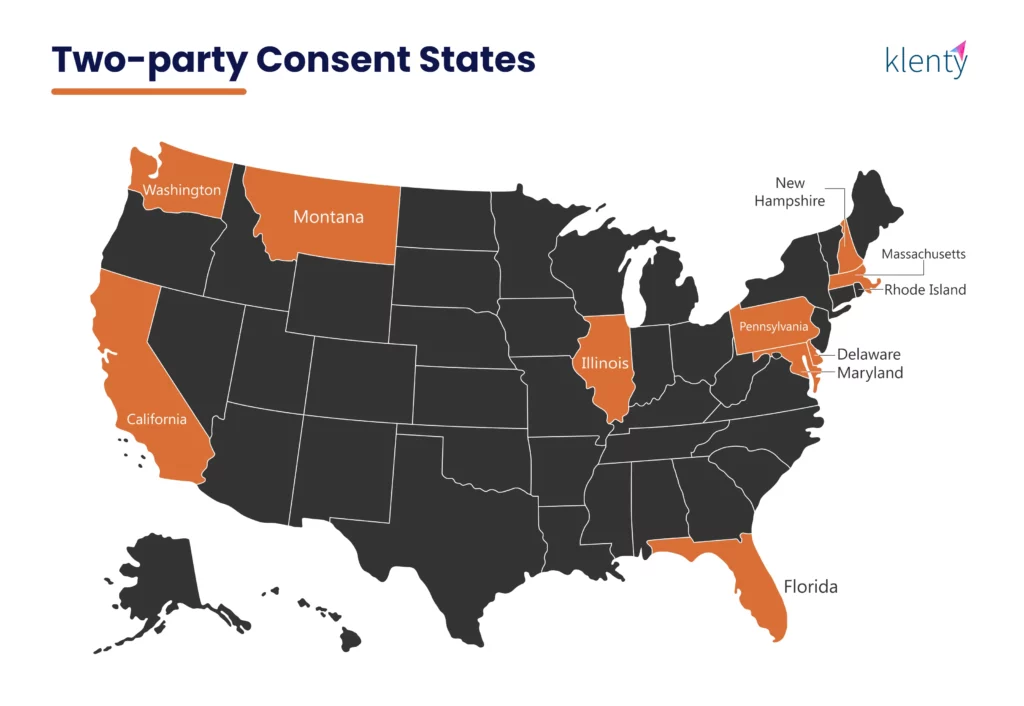
The simple and definitive answer is yes: California is indeed a two-party consent state, more accurately described as an “all-party consent” state. This means that, with very few exceptions, you cannot legally record a private conversation without the explicit permission of all parties involved in that conversation. For residents and visitors alike, understanding this law is not just a matter of legal compliance but also a fundamental aspect of respectful interaction, privacy, and ensuring your travel memories don’t inadvertently lead to legal complications.

This seemingly straightforward rule carries significant implications for how you document your travel, engage with locals, and even conduct business while traversing the state. Whether you’re a seasoned travel blogger creating compelling vlogs, a tourist capturing family memories, or a business traveler conducting important meetings, being aware of California’s strict privacy laws is paramount. Ignoring these regulations can lead to severe penalties, ranging from hefty fines to potential jail time and civil lawsuits, which can quickly overshadow the joy of your California adventure.
Understanding California’s Consent Law for Travelers
The legal framework governing recording in California is one of the strictest in the United States. This robust protection of individual privacy is designed to ensure that people can speak freely without the constant concern that their words are being secretly captured and potentially used against them. For travelers, this creates a distinct environment compared to many other states where “one-party consent” laws prevail, allowing an individual to record a conversation as long as they are a party to it, without informing others.
The Core of California’s Privacy Act
The cornerstone of California’s recording laws is the California Invasion of Privacy Act (CIPA), specifically Penal Code Section 632. This statute makes it illegal to intentionally record a confidential communication without the consent of all parties involved. The term “confidential communication” is crucial here. It generally refers to any communication carried on in circumstances that reasonably indicate that any party to the communication desires it to be confined to the parties thereto. In simpler terms, if people expect their conversation to be private, you need their permission to record it.
This definition covers a vast array of everyday interactions that travelers might encounter. Imagine discussing tour details with a guide in Yosemite National Park, checking in with hotel staff at a luxury resort in Beverly Hills, negotiating a price with a vendor at a local market, or simply having a casual chat with fellow guests by the pool. In all these scenarios, if the participants reasonably believe their conversation is private, recording without their knowledge and consent is a violation of California law.
It’s important to distinguish between recording audio of a conversation and recording video of public scenes. While you are generally free to film public spaces and capture the sights and sounds of San Diego’s Gaslamp Quarter or the bustling streets of Santa Monica, the moment that video recording captures private conversations, the two-party consent rule comes into play for the audio portion. This distinction is vital for vloggers and content creators who often blend visual storytelling with recorded commentary and interviews.
What “Two-Party Consent” Means in Practice
Practically speaking, “two-party consent” means obtaining clear, explicit permission from everyone whose voice will be recorded. This isn’t about vague gestures or assumptions; it requires a direct affirmation.
For example, before you hit record:
- On a phone call: You must inform the other party that the call is being recorded and receive their verbal consent. A simple, “Just letting you know, this call may be recorded for quality and training purposes, do you consent?” is common practice for businesses, but individuals also need to abide by this.
- In-person conversation: You should clearly state your intention to record. “I’m documenting my trip for my blog; would it be okay if I record our conversation about the best local eateries in Napa Valley?” is a good approach. Wait for a clear “yes” before proceeding.
- Implicit vs. Explicit Consent: While some situations might imply consent (e.g., participating in a public interview where a microphone is clearly visible and acknowledged), it is always safer and legally sounder to seek explicit verbal consent. When in doubt, ask.
This legal requirement impacts every facet of travel, from casual interactions to more structured engagements. It underscores a strong cultural and legal emphasis on privacy that sets California apart. Understanding this difference is key to a smooth and legally compliant visit, allowing you to fully immerse yourself in the California lifestyle without worry.
Navigating Recordings in California: A Tourist’s Perspective
For travelers keen on documenting every moment of their California adventure, the two-party consent law adds an important layer of consideration. Whether you’re a professional content creator or simply someone wanting to capture memories, knowing how to navigate these rules ensures your efforts remain within legal bounds and respect local norms.
Recording Interactions in Hotels and Public Spaces
Hotels, resorts, and various forms of accommodation are central to any travel experience. Interactions with front desk staff, concierge services, or even fellow guests in common areas are frequent. If you find yourself in a dispute with hotel management over a billing issue or unsatisfactory service, you might be tempted to record the conversation for your own protection. However, in California, doing so without their consent would be illegal if the conversation is considered confidential.
Even within your own hotel suite or apartment, while you have a strong expectation of privacy, recording conversations with visitors or service personnel (e.g., room service, maintenance) without their consent could still be problematic if they consider the conversation private. The safest approach is always to ask.
In public spaces, the rules become slightly more nuanced. You are generally free to record visual footage and ambient sounds in places like Disneyland Park, Universal Studios Hollywood, or bustling street markets, as long as there is no reasonable expectation of privacy. For instance, filming a street performer or capturing the general ambiance of the Santa Monica Pier is typically permissible. However, if you zoom in to record a specific conversation between two people who are not performing or intentionally broadcasting, and they expect their conversation to be private, you would need their consent for the audio.
Consider a tour guide explaining the history of Alcatraz Island or a ranger providing insights at Death Valley National Park. While they are performing a public service, if your recording device captures a private side conversation they have with a colleague, that could be an issue. Always err on the side of caution. When engaging directly with people, whether asking for directions in San Diego or inquiring about local cuisine in Sacramento, explicitly ask for permission if you intend to record the audio of their responses.
Vlogging, Social Media, and Travel Content Creation
The digital age has transformed how we experience and share our travel. Vlogging and social media content creation are integral parts of many people’s lifestyle, allowing them to share their California adventures with a global audience. From capturing candid moments on the Hollywood Walk of Fame to reviewing a local eatery, audio often plays a significant role.
For vloggers, this means being particularly mindful. While you can film yourself talking to the camera against a scenic backdrop without issue, the moment you interact with others and record their voices, you must seek consent. This applies to:
- Interviews: Always ask permission before interviewing locals, fellow travelers, or service providers.
- Candid street interactions: If you approach someone to ask a question and intend to use their voice in your vlog, get their consent first.
- Ambient conversations: Even if you’re not directly speaking to people, if your microphone picks up private conversations nearby that form a significant part of your audio track, you could face issues. Consider using directional microphones that focus on your voice or clearly indicate to those around you that you are recording.
The prevalence of smartphone cameras and easy-to-use recording apps makes accidental violations common. A quick video taken at a restaurant with friends discussing private matters, later shared online, could breach privacy laws if their consent wasn’t obtained. The key is to cultivate a habit of asking. A simple, “Hey, I’m recording for my travel vlog, is it okay if I include our chat?” can save you a lot of trouble. This not only keeps you legally compliant but also fosters trust and respect with those you encounter, enriching your travel experience.
Legal Ramifications and Best Practices for Visitors
Understanding that California is an all-party consent state is the first step; comprehending the consequences of non-compliance and adopting best practices is equally vital for a worry-free visit. The intent behind the law is to protect individual privacy, and its enforcement reflects this serious commitment.
Penalties for Non-Compliance
Violating California’s two-party consent law can lead to severe repercussions, both criminal and civil. These penalties are designed to deter unauthorized recording and uphold the state’s stringent privacy standards.
Criminal Penalties:
Under Penal Code Section 632, unlawfully recording a confidential communication is a “wobbler” offense, meaning it can be charged as either a misdemeanor or a felony, depending on the specifics of the case and the prosecutor’s discretion.
- Misdemeanor: Punishable by a fine of up to $2,500, up to one year in county jail, or both.
- Felony: Punishable by a fine of up to $10,000, imprisonment in state prison for 16 months, two years, or three years, or both.
Subsequent offenses carry even higher fines and longer potential jail or prison sentences. These are not minor slaps on the wrist; they represent significant legal trouble that can derail any travel plans and create lasting problems.
Civil Penalties:
Beyond criminal charges, individuals who have been unlawfully recorded can also pursue civil lawsuits against the perpetrator.
- Statutory Damages: Victims can seek statutory damages of $5,000 for each violation. This means if you record multiple conversations or record one person multiple times without consent, the damages can accumulate significantly.
- Actual Damages: In addition to statutory damages, victims can also sue for “actual damages,” which would cover any quantifiable harm they suffered as a direct result of the illegal recording (e.g., emotional distress, reputational harm, financial loss).
- Punitive Damages: In some egregious cases, victims might also be awarded punitive damages, intended to punish the wrongdoer and deter similar conduct in the future.
Imagine being on a budget travel adventure, only to face thousands of dollars in fines or civil judgments. The financial and emotional toll of such legal battles can be immense, far outweighing any perceived benefit of secretly recording a conversation. For international travelers, legal issues could even impact future entry into the United States.
Practical Tips for Responsible Recording
Given the strict nature of California’s laws, adopting a cautious and respectful approach to recording is the smartest strategy. Here are some practical tips for travelers and content creators:
- Always Assume Consent is Needed: Unless you are absolutely certain that a conversation is not confidential (e.g., someone publicly broadcasting on a loudspeaker), assume you need permission from all parties before recording.
- Explicitly Ask for Consent: Make it a habit to clearly and verbally ask, “Is it okay if I record this conversation?” or “I’m making a video; do you mind if I include our discussion?”
- Document Consent: If possible, include the verbal consent in your recording itself. This provides irrefutable proof that permission was granted. For written agreements, keep a record.
- Be Clear About Your Intent: Explain why you are recording (e.g., “for my travel vlog,” “to remember details of our tour,” “for personal notes”). Transparency builds trust.
- Focus on Visuals in Public: When in bustling public areas, prioritize capturing the visual scenery and ambient sounds rather than trying to record specific private conversations without consent.
- Understand “Reasonable Expectation of Privacy”: This is the core concept. People generally have a reasonable expectation of privacy in their homes, private offices, hotel rooms, and during personal conversations, even if they’re in a public place but speaking quietly or away from crowds.
- Know the Exceptions (but don’t rely on them): While there are legal exceptions (e.g., recording conversations with law enforcement in certain circumstances, recordings where there’s no reasonable expectation of privacy, or when a recording device is clearly visible and announced in a public forum and people choose to proceed), these are complex. It’s best not to rely on nuanced interpretations and instead, always seek consent for confidential communications.
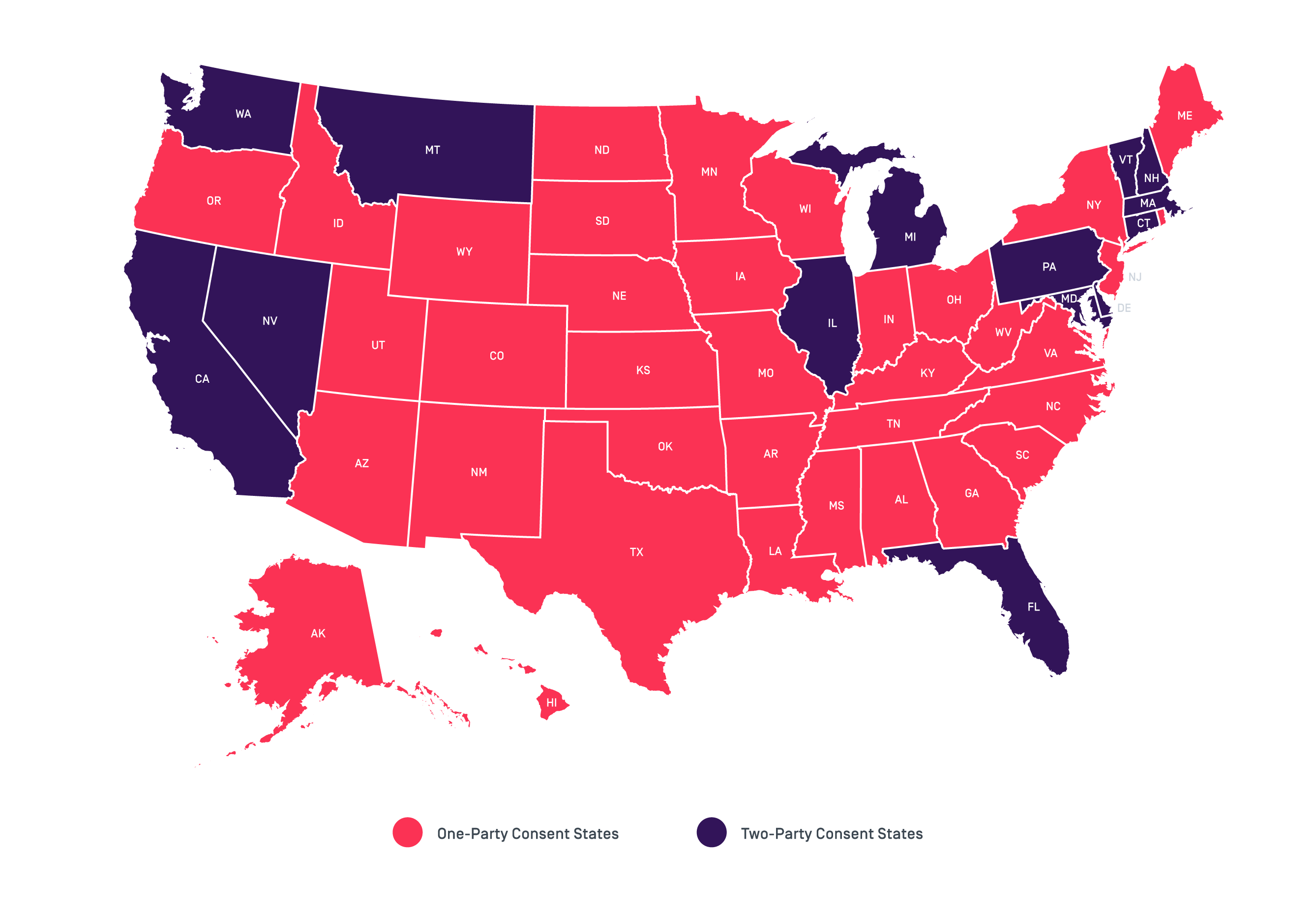
- Educate Yourself on Other States: If your travel plans extend beyond California, remember that laws vary. States like New York, Florida, and Nevada are generally one-party consent states, meaning you only need the consent of one party (often yourself) to record. Always check the specific laws of each state you visit.
Broader Implications for Your California Journey
Embracing California’s two-party consent law is not merely about avoiding legal trouble; it’s about fostering a respectful and enjoyable tourism experience. When you ask for consent, you acknowledge the privacy and autonomy of others. This small gesture can significantly enhance your interactions, opening doors to more genuine conversations and richer cultural exchanges. Locals are often more willing to share insights, stories, and recommendations when they feel respected and understand how their voice or image will be used.
For those engaging in business stays or professional networking within California, this law is especially critical. Recording meetings, negotiations, or even casual business discussions without explicit consent can lead to serious professional and legal repercussions, potentially damaging reputations and undermining trust. Always ensure that all participants in a business context are aware and agree to any recording.
California offers an incredible array of experiences, from the bustling city life of Los Angeles to the serene landscapes of its national parks. As you plan your itinerary, secure your accommodation, and dream of the memories you’ll create, remember to integrate an understanding of its unique privacy laws into your travel preparations. By doing so, you ensure that your journey through the Golden State is not only adventurous and fulfilling but also legally sound and respectful of the local environment. Enjoy your trip, record responsibly, and cherish the authentic connections you make along the way.
LifeOutOfTheBox is a participant in the Amazon Services LLC Associates Program, an affiliate advertising program designed to provide a means for sites to earn advertising fees by advertising and linking to Amazon.com. Amazon, the Amazon logo, AmazonSupply, and the AmazonSupply logo are trademarks of Amazon.com, Inc. or its affiliates. As an Amazon Associate we earn affiliate commissions from qualifying purchases.