
The question “Is California on Pacific Standard Time?” might seem straightforward, but its implications for travelers, residents, and businesses exploring the Golden State are anything but simple. The answer, in essence, is yes and no, depending on the time of year. California primarily observes the time zone known as Pacific Time, which alternates between Pacific Standard Time (PST) during the colder months and Pacific Daylight Time (PDT) during the warmer months. This annual shift, driven by Daylight Saving Time, is a crucial detail for anyone planning a trip, scheduling a business meeting, or simply trying to catch a flight in this vibrant and diverse state. Understanding this temporal dance is key to seamlessly navigating everything from booking a luxury suite in Beverly Hills to timing your visit to the Golden Gate Bridge for a spectacular sunset.

California is a global magnet for travel, offering an unparalleled array of destinations, attractions, and experiences. From the sun-drenched beaches of San Diego to the majestic redwoods of Northern California, and the bustling urban centers of Los Angeles and San Francisco, the state caters to every taste and budget. Whether you’re seeking a family-friendly adventure at Disneyland Resort, a serene retreat in Napa Valley, or a long-term stay for a business venture in Silicon Valley, time management, influenced by the Pacific Time Zone, plays an invisible yet significant role in optimizing your journey. This article delves into the nuances of California’s time zone, offering essential insights for travelers and exploring how it intertwines with the rich tapestry of travel, tourism, accommodation, and lifestyle that defines the Golden State.
Understanding Time Zones in the Golden State
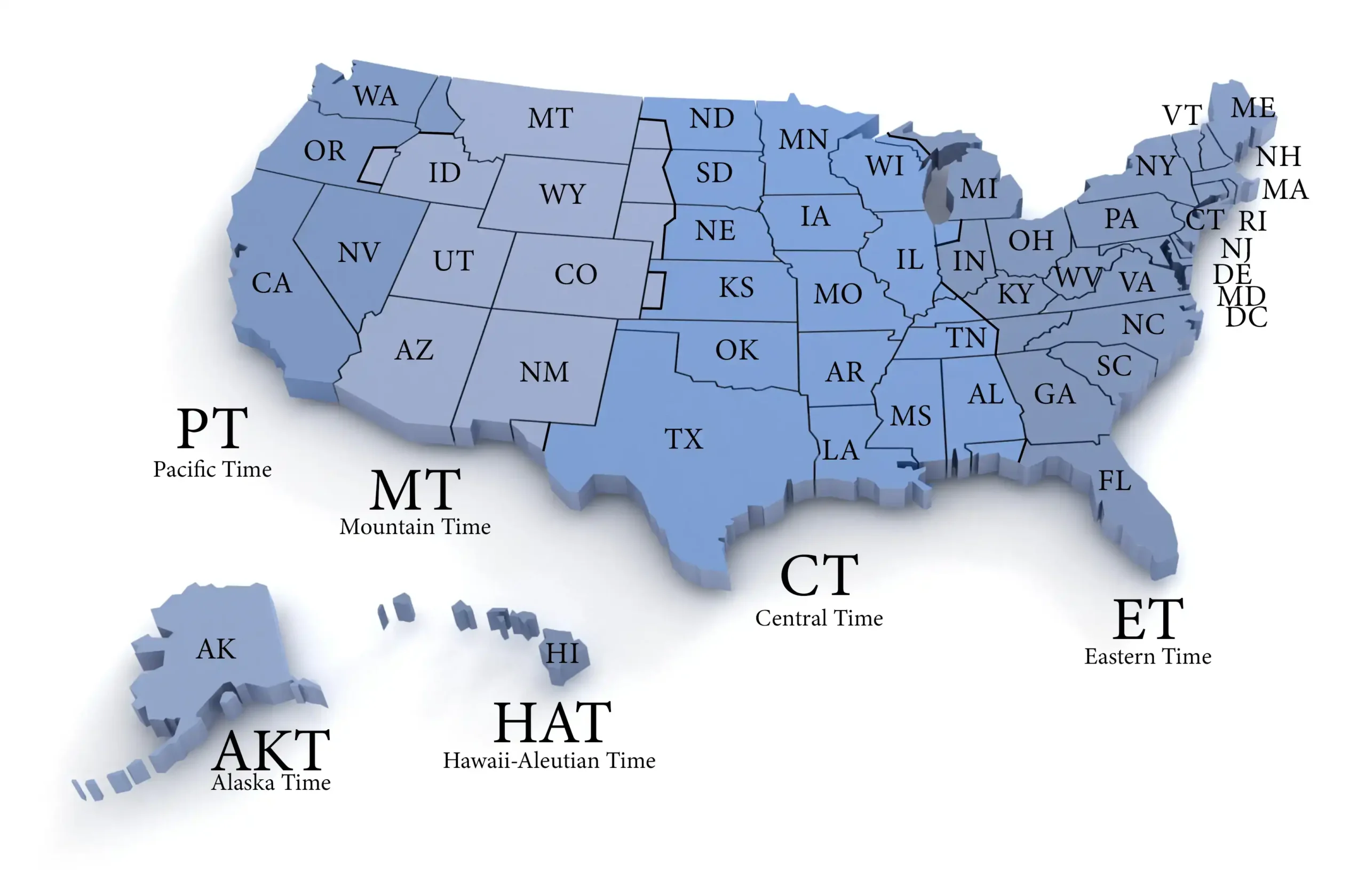
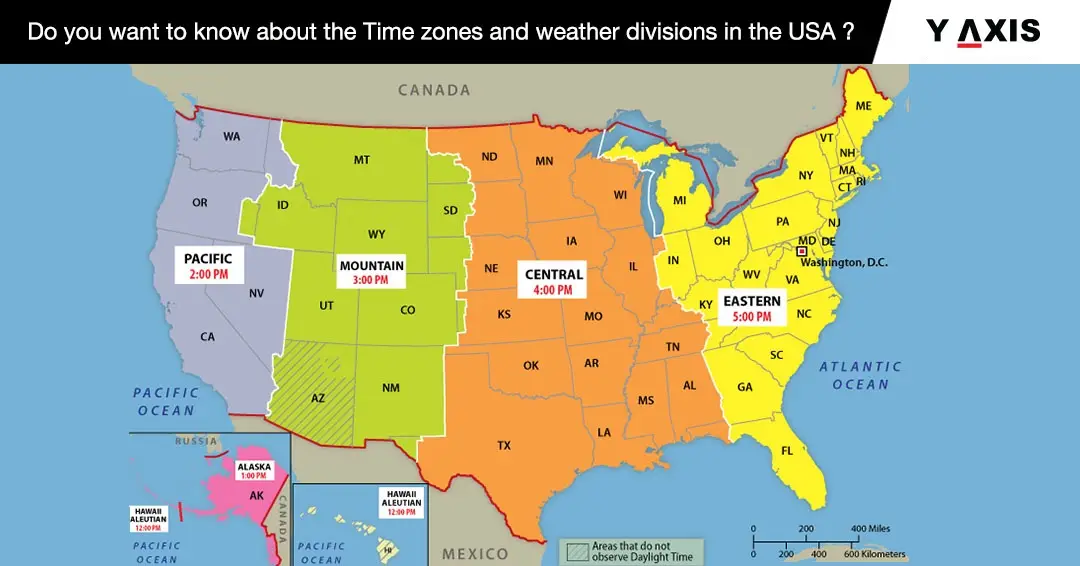
The concept of time zones was established to synchronize activities across vast geographical areas, allowing for consistent scheduling while accounting for the Earth’s rotation. For the contiguous United States, there are four primary time zones: Eastern, Central, Mountain, and Pacific. California falls entirely within the Pacific Time Zone, making its temporal rhythm distinct from much of the rest of the country.
The Basics: PST vs. PDT
Pacific Standard Time (PST) is observed during the fall and winter months. It is UTC-8, meaning it is eight hours behind Coordinated Universal Time. When the clocks “fall back” in early November, California officially switches to PST. This period offers travelers slightly earlier sunsets, which can be picturesque for certain landmarks like the Santa Monica Pier or for enjoying a cozy evening in a resort.
Pacific Daylight Time (PDT), on the other hand, is in effect during spring and summer. It is UTC-7, seven hours behind Coordinated Universal Time. The shift to PDT occurs in mid-March when clocks “spring forward.” This change extends daylight into the evening, providing more hours for outdoor activities such as hiking in Yosemite National Park, exploring the vibrant nightlife of Hollywood, or enjoying an al fresco dining experience in a San Francisco neighborhood. For tourism, PDT is often preferred as it maximizes daylight for sightseeing and recreational pursuits. Hotels and attractions typically adjust their operating hours to align with these longer days, offering extended pool hours, later entry times for museums, and a more relaxed pace for evening entertainment.
The consistent application of these two time designations across California means that whether you are in the northern reaches near the Oregon border or the southern tip bordering Mexico, you will be on the same time as everyone else in the state. This simplifies intra-state travel planning but necessitates careful consideration when coordinating with regions outside of the Pacific Time Zone.
Geographical Context: Why California Uses Pacific Time
California’s location along the Pacific Ocean determines its position in the Pacific Time Zone. The state occupies the westernmost portion of the contiguous United States, making it the last to experience sunrise and sunset relative to the eastern states. This geographical reality is why a morning flight from New York City (Eastern Time) to Los Angeles (Pacific Time) will mean a significantly earlier arrival time on the clock, often allowing travelers to feel like they’ve gained a few hours in their day, despite the actual travel duration.
The vastness of the United States made the adoption of standardized time zones essential for efficient railway operations in the late 19th century, a system that quickly became the norm for civil time. California, as a burgeoning economic and travel hub, naturally aligned itself with the Pacific designation. This system ensures that the sun is roughly at its highest point around noon within each time zone, providing a logical framework for daily life and activities across the state’s diverse landscapes, from the Central Valley’s agricultural heartland to the towering peaks of the Sierra Nevada Mountains.
Navigating Time for Travelers: Practical Implications
For those journeying to or within California, understanding the nuances of Pacific Time is more than a trivial detail; it’s a critical component of successful travel planning and an enhanced experience. The difference can affect everything from flight connections to tour timings, and even your body’s internal clock.
Planning Your California Itinerary
When planning your California itinerary, always factor in the time difference, especially if you’re arriving from a different time zone. For instance, a flight from London or New York means you’ll be crossing multiple time zones, potentially leading to jet lag. Arriving in Los Angeles at 3:00 PM PST could feel like 11:00 PM GMT or 6:00 PM EST, impacting your immediate energy levels and desire to explore. Seasoned travelers often recommend scheduling lighter activities for the first day, allowing time to adjust. Many hotels and resorts, from boutique apartments in San Francisco to luxury villas in Palm Springs, are equipped to assist guests with jet lag, offering amenities like blackout curtains, early check-in (subject to availability), and even specialized spa treatments to help reset your circadian rhythm.
Booking tours and attractions requires careful attention to operating hours, which can vary between PST and PDT periods. A guided visit to Universal Studios Hollywood might have different opening and closing times in summer (PDT) compared to winter (PST). Similarly, sunrise hot air balloon rides over Napa Valley will commence at different clock times depending on the season, even though the actual sun event remains the same relative to local daylight. Always double-check reservation confirmations and attraction websites for the exact local time. For those interested in local culture and food experiences, coordinating with local events, farmers’ markets, or restaurant reservations is crucial. A popular brunch spot in San Diego might open at 8 AM PDT in summer, but 8 AM PST in winter, meaning an hour’s difference in actual sun time for your meal.
Business and Leisure: Synchronizing Your Schedule
For business travelers, time zone differences are paramount. Scheduling virtual meetings with colleagues on the East Coast means a three-hour time difference. A 9 AM meeting in New York means a 6 AM start in Los Angeles, which could significantly impact your choice of accommodation and amenities. Business-centric hotels in areas like Silicon Valley or downtown San Francisco often provide 24-hour business centers, robust Wi-Fi, and in-room dining services to accommodate early starts or late finishes dictated by inter-time zone communication.
Leisure travelers, too, must synchronize their schedules, albeit for more enjoyable pursuits. Catching a ferry to Alcatraz Island or a show in Hollywood requires being punctual according to local Pacific Time. When booking long-distance travel, such as flights from Los Angeles to Hawaii (which doesn’t observe Daylight Saving Time) or to Las Vegas (Mountain Time, but observes DST), pay close attention to the time zone changes upon arrival and departure to avoid missing connections or appointments. The advent of smartphones and smartwatches has largely automated time zone adjustments, but a manual check is always recommended, especially when relying on traditional clocks.
California by the Clock: Experiences Across the State
The Pacific Time Zone, with its seasonal shifts, subtly shapes the rhythm of life and the nature of experiences across California’s diverse landscapes. From bustling urban centers to serene natural wonders, the clock dictates how and when you engage with the Golden State.
Early Birds and Night Owls: Making the Most of Your Day
Whether you’re an early riser or prefer to embrace the night, California’s time zone influences your schedule. During PDT, the extended daylight hours are a boon for those who love outdoor activities. Imagine starting your day with a sunrise hike in Griffith Park in Los Angeles, enjoying breakfast with a view, and still having a full afternoon for museum visits at the Getty Center before catching a late dinner. The longer evenings are perfect for leisurely strolls along the beach in Santa Barbara, exploring the vibrant culinary scene of Oakland, or experiencing the dazzling spectacle of a theme park like Disneyland well into the evening. Resorts often extend pool hours or outdoor entertainment during these months, catering to guests who wish to maximize their daylight experience.
Conversely, PST brings earlier sunsets, creating a different kind of charm. Winter travelers can enjoy breathtaking early evening views from the Golden Gate Bridge or the Observatory in San Diego. This period is ideal for cozy evenings by the fireplace in a cabin near Lake Tahoe or for indulging in California’s world-class indoor attractions, such as the numerous museums in San Francisco or the performing arts venues in Los Angeles. The shorter daylight hours often lead to earlier starts for ski resorts in the Sierra Nevada and can influence the booking patterns for accommodation, with guests often opting for properties that offer exceptional evening amenities or dining experiences.
Notable Destinations and Their Timeless Appeal
Every major California city and landmark has its own rhythm within the Pacific Time Zone. In San Francisco, the iconic cable cars begin their routes early in the morning and continue late into the evening, adjusting for seasonal demand. A visit to Alcatraz Island requires timed tickets, which are always scheduled according to local Pacific Time, regardless of where you’re coming from.
In Los Angeles, the entertainment capital, studio tours, red carpet events, and theme park schedules are strictly adherence to PST/PDT. For instance, if a show at the Dolby Theatre is advertised for 7 PM, it’s 7 PM Pacific Time. Understanding this prevents missed curtain calls. Farther south, in San Diego, attractions like Balboa Park and the San Diego Zoo publish their operating hours clearly, making it easy for families to plan their day. Even in remote areas like Death Valley National Park, where the extreme temperatures often dictate early morning or late afternoon exploration, all activities are planned around the Pacific Time Zone.
For those venturing into wine country, a typical day of wine tasting in Napa Valley or Sonoma usually runs from mid-morning to late afternoon, allowing ample time for appointments at various wineries, all operating on local Pacific Time. The serene coastal drive along Big Sur is best enjoyed with plenty of daylight, making PDT a preferred time for photographers and scenic tourists who want to capture the coastline’s grandeur. These examples underscore how deeply the Pacific Time Zone is integrated into the operational fabric and cultural experiences of California’s most beloved destinations.
Beyond the Clock: Embracing the California Lifestyle
The concept of time in California extends beyond mere clock-watching; it influences lifestyle choices, business operations, and the overall rhythm of life in the Golden State. For visitors and residents alike, adapting to and leveraging the Pacific Time Zone is part of fully embracing the California experience.
Accommodation and Amenities: Time-Sensitive Offerings
Accommodation providers across California are keenly aware of the impact of time zones on their guests. From luxury suites in Anaheim near theme parks to cozy apartments in Santa Cruz for long-term stays, hotels, resorts, and vacation rentals offer a range of amenities and services designed to help guests adjust or simply make the most of their time.
Consider the role of dining hours. A resort in Laguna Beach might offer extended breakfast hours to accommodate late risers, or a San Francisco hotel catering to business travelers might open its fitness center at 5 AM Pacific Time for guests needing an early start before cross-country calls. During Daylight Saving Time (PDT), many hotels enhance their outdoor amenities, extending hours for rooftop bars, poolside lounges, and al fresco dining options to take advantage of the longer evenings. For budget travel, understanding these operational hours helps in planning meals and activities without incurring unexpected costs or missing out on free amenities. For family trips, knowing when pools close or kid-friendly activities wrap up is essential for smooth scheduling.
Booking platforms also play a role, displaying local times for check-in/check-out, tour departures, and activity slots, often converting them to your current time zone for convenience. Reviews and comparisons of accommodations often touch upon the flexibility of services relative to guest schedules, highlighting properties that offer late check-out options or 24/7 concierge services—features that become invaluable when dealing with jet lag or tight travel itineraries.
Seasonal Shifts and Travel Planning
The shift between PST and PDT is a predictable annual event, yet it can catch unprepared travelers off guard. The “spring forward” in March, though only an hour, can feel disruptive, especially if you have an early flight or a crucial appointment on the day of the change. Conversely, the “fall back” in November can feel like a gift of an extra hour of sleep but might also mean that certain outdoor activities or attractions close an hour earlier by the clock.
Savvy travelers use these seasonal shifts to their advantage. Visiting during PDT allows for maximized daylight, ideal for exploring California’s natural wonders like the Redwood National and State Parks or enjoying extended evenings in cities. If your interest lies in fewer crowds and perhaps lower accommodation prices, visiting during PST, particularly in the shoulder seasons, can be appealing. This is also a time when you can enjoy the dramatic sunsets and cooler temperatures, perfect for exploring urban landmarks or embarking on scenic drives.
Ultimately, whether you’re planning a luxurious escape to a Malibu villa, a budget-friendly road trip along Highway 1, or a business stay in Sacramento, understanding California’s time zone and its seasonal transitions is fundamental. It empowers you to optimize your schedule, enhance your experiences, and truly immerse yourself in the diverse offerings of this magnificent state, ensuring that every moment, by the clock or by the sun, is well spent.
The Future of California Time: Debates and Directions
While the current system of alternating between Pacific Standard Time and Pacific Daylight Time has been the norm for decades, the discussion around Daylight Saving Time is a perennial topic in California and across the United States. There have been significant debates, and even legislative efforts, to potentially alter this tradition.
In 2018, California voters passed Proposition 7, which granted the state legislature the power to change Daylight Saving Time by a two-thirds vote, and to then seek federal approval to make the change. This opened the door for California to potentially observe PDT year-round, effectively eliminating the “fall back” to PST. The rationale behind such a move often centers on arguments ranging from potential health benefits (reducing the disruption to circadian rhythms), economic advantages (more daylight for retail and tourism in the evenings), and even safety (fewer accidents due to less driving in the dark during peak hours).
However, the path to year-round PDT is complex. Federal law requires states to choose between observing standard time year-round or observing Daylight Saving Time during the warmer months. To observe Daylight Saving Time year-round, federal approval is needed. States like Arizona and Hawaii already largely opt out of Daylight Saving Time, remaining on standard time year-round. While the debate continues, for the foreseeable future, California will likely remain on its current schedule, alternating between PST and PDT.
For the travel and tourism industry, a permanent shift to PDT would have notable implications. It would mean consistently brighter evenings throughout the year, potentially boosting evening tourism and outdoor dining opportunities even in what are currently PST months. For destinations like Anaheim’s theme parks or coastal cities, this could mean extended hours for attractions and more vibrant nightlife consistently. Hotels and resorts would have a more stable schedule for planning amenities and activities, and travelers would have one less temporal adjustment to consider. However, it would also mean later sunrises in winter, potentially impacting early morning activities like fishing charters or certain business schedules.
The conversation about California’s time practices underscores the state’s forward-thinking approach and its continuous evaluation of how best to serve its diverse population and economy. For now, travelers to the Golden State should continue to operate with the understanding that California observes Pacific Time, shifting between Pacific Standard Time and Pacific Daylight Time with the seasons. Planning accordingly ensures a smoother, more enjoyable, and truly timeless California experience, regardless of what the clock says.
LifeOutOfTheBox is a participant in the Amazon Services LLC Associates Program, an affiliate advertising program designed to provide a means for sites to earn advertising fees by advertising and linking to Amazon.com. Amazon, the Amazon logo, AmazonSupply, and the AmazonSupply logo are trademarks of Amazon.com, Inc. or its affiliates. As an Amazon Associate we earn affiliate commissions from qualifying purchases.