
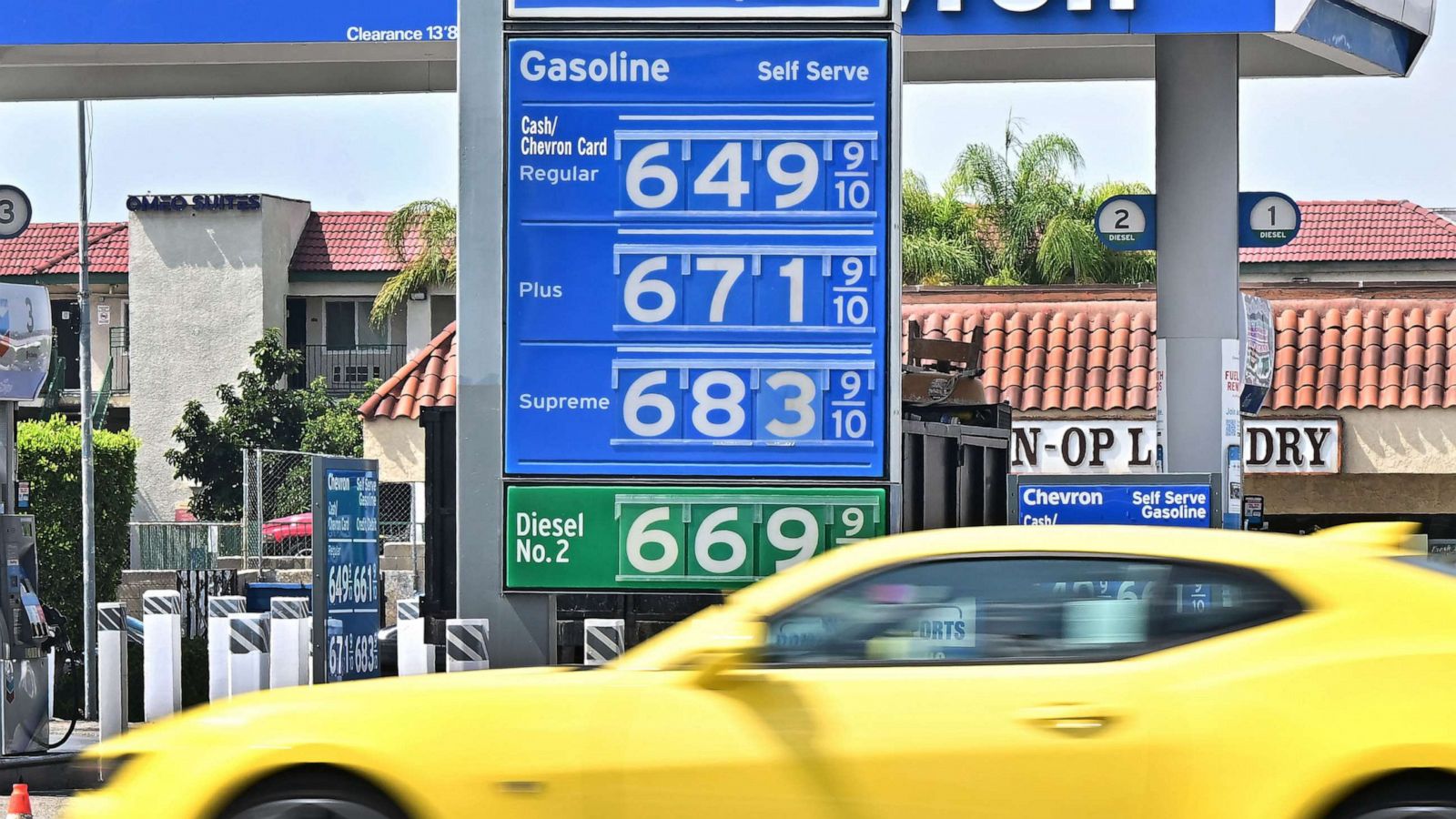
California, a land of sun-kissed beaches, towering redwoods, and vibrant cities, beckons millions of travelers each year. From the iconic Golden Gate Bridge in San Francisco to the star-studded streets of Hollywood in Los Angeles, and the pristine wilderness of Yosemite National Park, the Golden State offers an unparalleled diversity of experiences. However, one question often weighs on the minds of visitors, especially those planning extensive road trips: “What are gas prices like in California?”
The truth is, gas prices in California are consistently among the highest in the United States, and understanding why, and how to navigate these costs, is crucial for any traveler or resident looking to make the most of their time here. For those dreaming of a scenic drive along the Pacific Coast Highway or a family adventure to Disneyland, fuel expenses can significantly impact the overall travel budget. This article delves into the intricacies of California’s fuel landscape, offering insights and practical tips for planning your perfect Golden State getaway, ensuring your journey is as smooth and enjoyable as the destination itself. We’ll explore how these prices influence travel styles, accommodation choices, and the overall lifestyle of both tourists and locals, integrating seamlessly with themes of travel, tourism, and smart living.

Understanding California’s Fuel Landscape
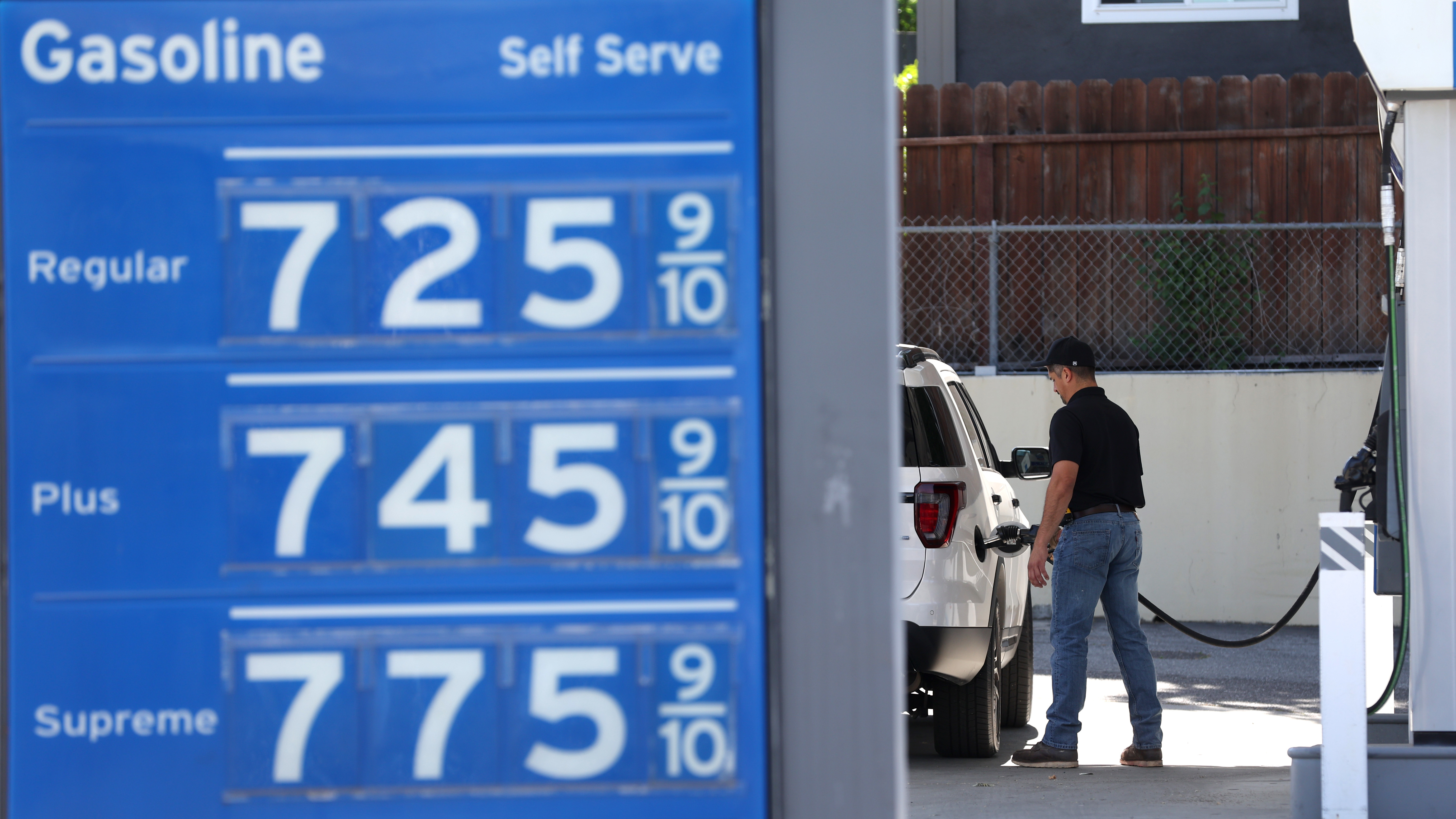
The perception of California as a high-cost-of-living state extends directly to its gas pumps. While prices fluctuate based on global oil markets, refinery issues, and seasonal demand, they invariably remain elevated compared to national averages. This isn’t just a random occurrence; several specific factors contribute to the Golden State’s distinctive fuel costs, making it essential for travelers to factor this into their budget planning.
The Factors Behind the Pump Price
Understanding the components that make up the price per gallon at a California gas station is the first step toward managing your travel budget effectively.
Firstly, taxes play a significant role. California imposes some of the highest state excise taxes on gasoline in the nation, alongside a sales tax that applies to fuel purchases. Additionally, the state’s cap-and-trade program, designed to reduce greenhouse gas emissions, adds another layer of cost, as fuel suppliers must purchase allowances for the emissions generated by the gasoline they sell. These environmental initiatives, while beneficial for the state’s long-term sustainability goals and air quality (a significant draw for tourists seeking pristine natural beauty in places like Lake Tahoe or Big Sur), directly translate to higher prices at the pump.
Secondly, unique fuel blends are a major contributor. To combat air pollution, particularly in dense urban areas like Los Angeles and San Francisco, California mandates a special blend of gasoline that is cleaner-burning than the federal standard. This “California blend” is more expensive to produce due to its specific formulation requirements, and fewer refineries are equipped to make it. This limited supply chain creates a vulnerability; if one of the state’s major refineries experiences an outage or maintenance issue, supply can tighten rapidly, causing prices to spike.
Finally, geographic isolation and market dynamics contribute to the situation. California is somewhat isolated from the national fuel pipeline network, meaning it largely relies on its own refineries and imports from abroad. This relative isolation limits competition and makes the state’s market more susceptible to local supply disruptions. The state’s vast population and high demand also play a role, as the sheer volume of consumption means any price increase is felt acutely by millions of drivers and businesses, including the robust tourism sector. When planning a trip involving driving to remote landmarks such as Death Valley National Park or Joshua Tree National Park, understanding these underlying factors helps set realistic expectations for fuel costs.
Regional Variations: From Los Angeles to Lake Tahoe
While gas prices are generally high across California, they are not uniform. Travelers will notice significant regional variations, often influenced by population density, local competition, and proximity to major distribution hubs. Urban centers, particularly the bustling metropolitan areas of Los Angeles, San Francisco, and San Diego, tend to have higher average prices due to higher demand and often higher local taxes or fees. Gas stations located near major tourist attractions or along popular freeway exits can also command premium prices, capitalizing on convenience for hurried travelers.
Conversely, some smaller towns or less densely populated regions, particularly in the Central Valley or parts of Northern California, might offer slightly lower prices. However, these savings can be offset by the increased distance traveled to reach them, making a cost-benefit analysis crucial. For instance, fueling up before heading to a mountain resort in Lake Tahoe or the remote areas of Sequoia National Park is often a wise strategy, as options become scarcer and potentially more expensive closer to the destinations themselves. Leveraging gas price comparison apps (like GasBuddy) can be incredibly beneficial for finding the most economical options, helping budget-conscious travelers save money that can then be spent on local experiences, unique souvenirs, or an extra night at a charming boutique hotel.
Navigating California on a Budget: Impact on Travel and Tourism
High gas prices undeniably influence how both locals and visitors approach travel and tourism in California. Rather than deterring exploration, they encourage smarter, more strategic planning, turning potential challenges into opportunities for more focused and enriched experiences. This involves everything from how you envision your classic road trip to where you choose to lay your head at night.
The Road Trip Reimagined: Planning for Fuel Costs
The quintessential California experience for many involves a legendary road trip, perhaps cruising down the Pacific Coast Highway with the ocean breeze in your hair, or journeying through wine country in Napa Valley. While these dreams are absolutely achievable, high gas prices necessitate a reimagined approach to planning. Instead of spontaneous, aimless driving, travelers now benefit from detailed itineraries that optimize routes and minimize unnecessary detours.
It’s advisable to calculate estimated fuel costs as a significant line item in your travel budget. Online fuel cost calculators can help project expenses based on your vehicle’s fuel efficiency and planned mileage. Consider renting a more fuel-efficient vehicle, or even a hybrid or electric car, especially if your itinerary involves extensive driving. Many car rental agencies in major cities like Los Angeles and San Francisco now offer a range of eco-friendly options, aligning with California’s progressive environmental ethos. Furthermore, packing light reduces vehicle weight, marginally improving fuel economy, and ensuring tires are properly inflated can make a noticeable difference over hundreds of miles.
Accommodation Choices and Their Proximity to Attractions
The cost of fuel can subtly, yet significantly, influence decisions about accommodation. For travelers focused on specific attractions or cities, choosing a hotel, resort, or apartment that is centrally located or within walking distance of key landmarks becomes more appealing. For instance, staying in a hotel near Disneyland in Anaheim or within downtown San Diego to explore its Gaslamp Quarter can drastically cut down on daily driving and parking expenses.
Families or groups might opt for serviced apartments or villas that offer more space and amenities, reducing the need to drive out for every meal or activity. These accommodation types, available through platforms like Life Out of the Box, often allow for longer stays at a better value. When comparing hotels, resorts, or even long-term rentals, consider not just the nightly rate but also the proximity to your planned activities and the availability of public transportation. Many urban hotels near attractions in San Francisco or Los Angeles also offer shuttle services, further reducing reliance on personal vehicles and the associated fuel costs. This strategic approach to booking can free up budget for other aspects of your trip, such as dining at a renowned California restaurant or indulging in a unique local experience.
Rethinking Your California Itinerary: From Extensive Drives to Focused Exploration
High gas prices may prompt a shift from sprawling, multi-region itineraries to more focused, in-depth explorations of specific areas. Instead of trying to cover the entire state from San Diego to Redwood National Park in one go, travelers might choose to concentrate their efforts on a particular region, such as Southern California (exploring Los Angeles, San Diego, and Palm Springs) or Northern California (focusing on San Francisco, Napa Valley, and Yosemite National Park). This not only saves on fuel but also allows for a richer, more immersive cultural and travel experience in each chosen destination, moving beyond superficial sightseeing to truly absorb local culture and hidden gems.
For example, a trip focused on San Francisco can involve extensive use of the city’s excellent public transportation, including cable cars and BART, to visit landmarks like Alcatraz Island and Fisherman’s Wharf, eliminating the need for a car entirely for several days. Similarly, a visit to Orange County could revolve around its world-class theme parks and coastal towns without needing to venture far afield. This approach aligns perfectly with the lifestyle of mindful travel, where quality of experience takes precedence over sheer quantity of destinations.
Lifestyle Adjustments for California Visitors and Residents
Adapting to California’s fuel costs often involves a blend of practical strategies and a willingness to embrace alternative modes of transportation. For both short-term visitors and long-term residents, these adjustments can lead to more sustainable, enjoyable, and often more authentic travel experiences.
Smart Strategies for Fuel Efficiency
Maximizing fuel efficiency is paramount when driving in California. Beyond choosing a fuel-efficient rental car, driving habits play a huge role. Smooth acceleration and deceleration, maintaining a consistent speed (within legal limits), and avoiding aggressive driving can significantly reduce fuel consumption. Using cruise control on highways, especially during longer stretches of road trips like those traversing the desert landscapes or reaching the Sierra Nevada mountains, can be very effective.
Another smart strategy is leveraging technology. Many smartphone apps (e.g., GasBuddy, Waze) can help locate the cheapest gas stations in real-time, often highlighting price differences of 50 cents or more per gallon within a small radius. Planning your fuel stops in advance, perhaps when entering or exiting a less expensive area, can lead to considerable savings over the course of a trip. Additionally, signing up for loyalty programs offered by major gas station chains can provide discounts, which accumulate quickly for frequent travelers. For those on a budget, every saved dollar is a dollar that can be spent on a delicious taco in San Diego or a unique souvenir from Santa Monica’s Venice Beach.
Exploring Alternatives to Driving
California’s major urban areas are increasingly offering robust public transportation options, presenting excellent alternatives to driving. In San Francisco, the Muni system (buses, streetcars, cable cars, and subway) can get you almost anywhere. Los Angeles’s Metro system has expanded considerably, connecting downtown with Hollywood, Santa Monica, and other key areas. San Diego boasts an efficient trolley and bus network, ideal for exploring its vibrant neighborhoods. Utilizing these systems not only saves on gas and parking but also offers a more local perspective, allowing travelers to soak in the atmosphere and culture of the cities.
Ride-sharing services (Uber, Lyft) are widely available, providing convenient door-to-door transport, especially when traveling short distances or after hours. For those who enjoy an active lifestyle, cycling is a popular and environmentally friendly option, particularly in coastal cities like Santa Monica and communities around Lake Tahoe or Napa Valley (where bicycle tours of wineries are a common attraction). Many cities also offer bike rental programs, allowing visitors to explore at their own pace without the hassle of a car. Integrating these alternatives into your travel plans can significantly reduce your fuel budget and enhance your overall travel experience.
The Rise of Electric Vehicles for California Travel
California is a global leader in electric vehicle (EV) adoption and infrastructure. For travelers concerned about gas prices and environmental impact, renting an EV is an increasingly viable and attractive option. Major car rental companies at airports like Los Angeles International Airport (LAX) and San Francisco International Airport (SFO) offer a growing fleet of electric and hybrid vehicles.
The state boasts an extensive network of EV charging stations, from public charging points in city centers and near attractions to those available at hotels and resorts. Many high-end hotels and eco-friendly accommodations proudly offer complimentary or low-cost EV charging as an amenity, catering to the environmentally conscious traveler. Apps like PlugShare can help EV drivers locate charging stations along their route, ensuring a seamless journey. While the initial rental cost for an EV might sometimes be slightly higher, the savings on fuel (or rather, electricity) can be substantial, making it an economically smart and forward-thinking choice for exploring California’s diverse landscapes, from the innovation hubs of Silicon Valley to the serene shores of Lake Tahoe.
Maximizing Your California Experience Despite High Gas Prices
While gas prices in California require consideration, they should by no means deter you from experiencing the incredible beauty and diversity the state has to offer. With thoughtful planning and strategic choices, you can fully immerse yourself in all that California has to offer, from its world-class attractions to its stunning natural landmarks, without breaking the bank on fuel.
Package Deals and All-Inclusive Resorts
One excellent strategy to manage overall travel costs, including indirect fuel expenses, is to opt for package deals or stays at all-inclusive resorts. Many travel agencies and online platforms offer bundles that combine flights, accommodation, and sometimes even rental cars or activity passes. These packages often provide better value than booking each component separately. For example, a family trip to Disneyland might be significantly more affordable through a package that includes hotel stays and park tickets, potentially reducing the need for extensive driving outside the resort area.
Similarly, all-inclusive resorts, particularly popular in destinations like Palm Springs or luxury retreats in Napa Valley, can help manage your budget by covering most of your expenses upfront, from meals to activities and entertainment. While not all-inclusive in the traditional sense of a Caribbean resort, many California hotels offer resort fees that encompass amenities and local shuttles, implicitly reducing your driving needs and associated fuel costs, allowing you to focus on relaxation and enjoyment rather than calculating every penny.
Focus on Specific Regions
As mentioned earlier, narrowing your focus to one or two regions for a more extended period can be a highly effective way to manage fuel costs and enhance your travel experience. Instead of attempting a whirlwind tour of the entire state, consider dedicating your trip to, for example, the vibrant culture and theme parks of Southern California, including Universal Studios Hollywood and the beaches of Orange County. Or, perhaps immerse yourself in the natural splendor of Central California, combining Yosemite National Park with the majestic Sequoia National Park.
This focused approach allows for slower travel, deeper engagement with local communities, and the discovery of hidden gems that might be missed in a rushed itinerary. You can spend more time hiking, exploring local markets, enjoying regional cuisine, and truly soaking in the unique atmosphere of a place. This type of immersive travel often aligns better with a budget-conscious lifestyle, as it inherently reduces transit time and associated fuel consumption, allowing you to allocate resources to memorable experiences rather than transportation.
The Enduring Appeal of California
Despite the higher gas prices, California’s enduring appeal remains undiminished. The state’s unparalleled natural beauty, diverse cultural attractions, world-class cities, and innovative spirit continue to draw visitors from around the globe. From the dramatic cliffs of Big Sur to the serene deserts, from bustling urban landscapes to tranquil vineyards, there is truly something for everyone.
The key to a successful and budget-friendly trip lies in proactive planning and a willingness to adapt. By understanding the factors behind California’s gas prices, employing smart fuel-saving strategies, exploring public transportation, and focusing your itinerary, you can absolutely enjoy an incredible journey without feeling burdened by the cost of fuel. Think of it as an invitation to travel more thoughtfully, to discover new ways of experiencing a destination, and to embrace the rich, varied lifestyle that California offers. With a little preparation, your California adventure will be unforgettable, proving that the Golden State’s treasures are well worth the journey, regardless of the price at the pump.
LifeOutOfTheBox is a participant in the Amazon Services LLC Associates Program, an affiliate advertising program designed to provide a means for sites to earn advertising fees by advertising and linking to Amazon.com. Amazon, the Amazon logo, AmazonSupply, and the AmazonSupply logo are trademarks of Amazon.com, Inc. or its affiliates. As an Amazon Associate we earn affiliate commissions from qualifying purchases.