
For anyone living in or planning to extensively explore the golden landscapes of California, understanding the requirements for a Real ID is no longer just a recommendation – it’s a vital component for seamless travel and daily life. In an era where domestic air travel and access to federal facilities demand enhanced security, your standard California driver’s license or identification card might soon fall short. Whether you’re a long-time resident of Los Angeles, a recent transplant to San Francisco, or a globe-trotter frequently passing through California’s international hubs, securing your Real ID ensures your journey remains uninterrupted. This comprehensive guide will walk you through everything you need to know, from the federal mandate to the specific documents you’ll need to present at the California Department of Motor Vehicles (DMV).
Understanding the Real ID Act: More Than Just a Driver’s License
The Real ID Act of 2005 was a federal law passed by the United States Congress, building upon the recommendations of the 9/11 Commission. Its primary goal was to establish minimum security standards for state-issued driver’s licenses and identification cards and to regulate the sources that federal agencies can accept for identification purposes. This means that after the full implementation date (which has seen several extensions, most recently to May 7, 2025), a standard state driver’s license or ID card will no longer be sufficient for boarding domestic flights or entering certain federal facilities, such as military bases or nuclear power plants.
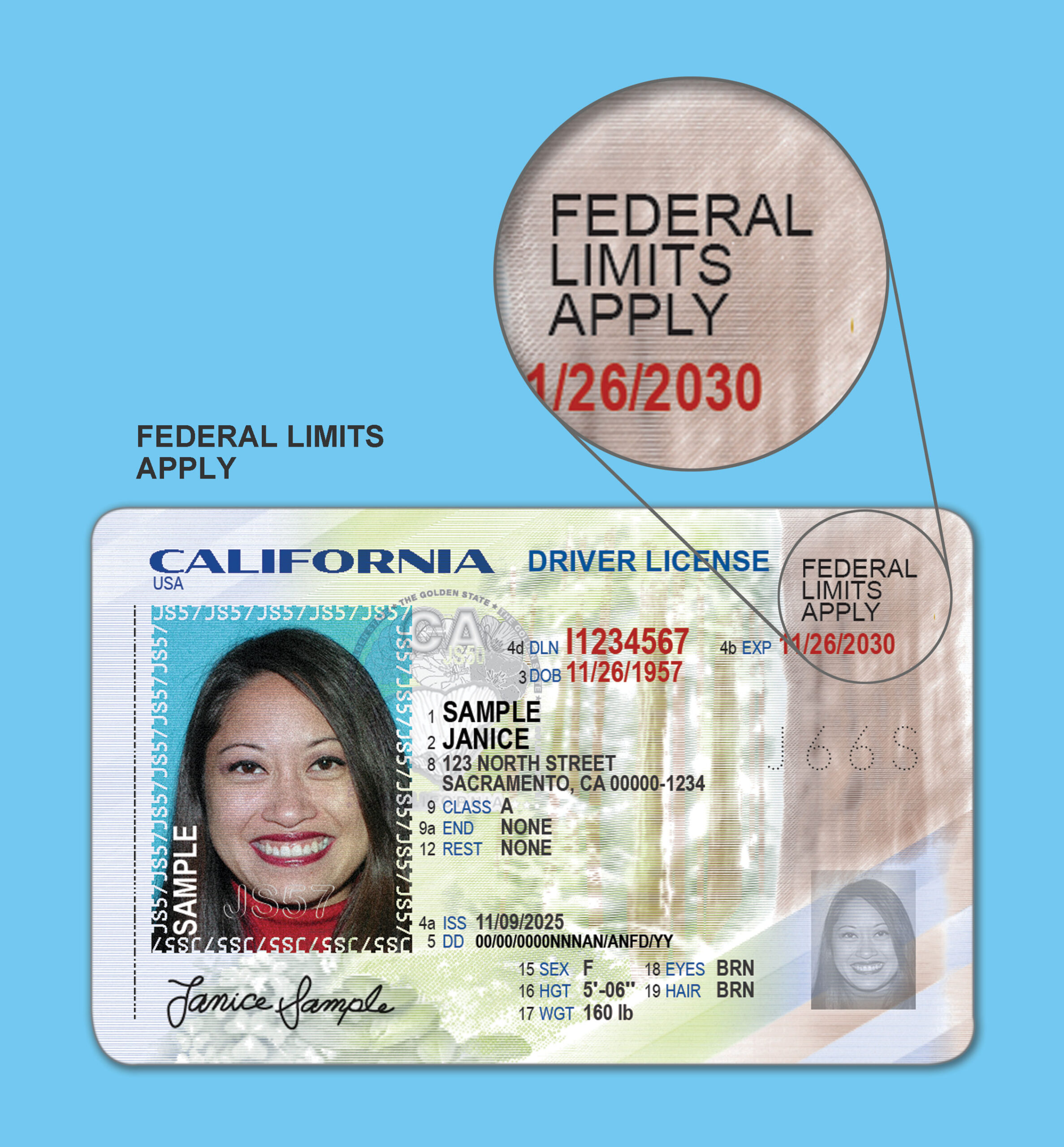
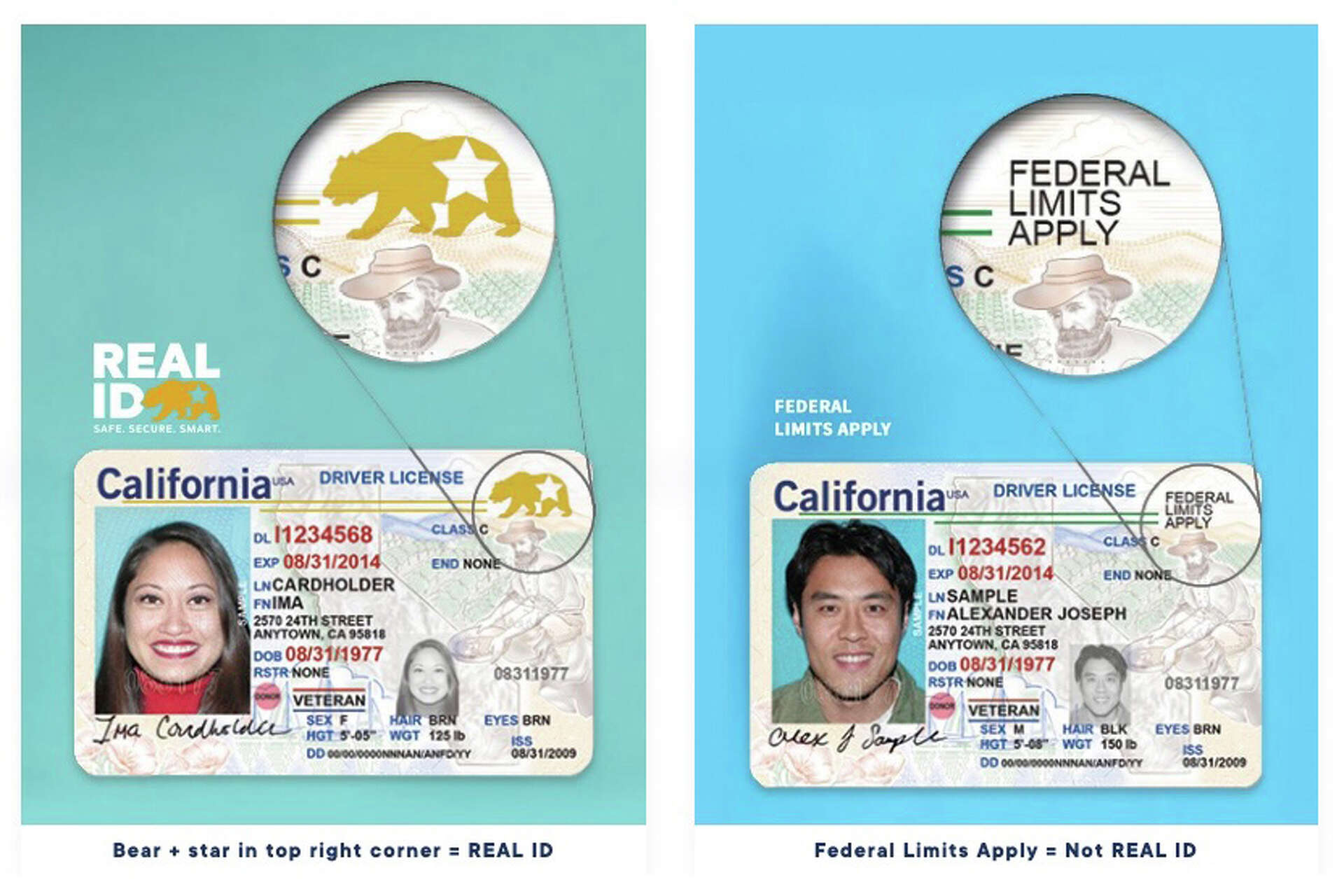
For travelers and those with a dynamic lifestyle, this has significant implications. Imagine planning a spontaneous weekend getaway to San Diego, a business trip to Sacramento, or even visiting a federal courthouse – without a Real ID-compliant document, you could face unexpected hurdles. The Real ID is visually distinct, typically marked with a gold bear with a star cutout, or a gold star, indicating its compliance with federal standards. This small but significant symbol is your key to unlocking hassle-free domestic travel and secure access across the United States.
The Federal Mandate and its Impact on Travel
The federal mandate stemming from the Real ID Act is primarily enforced by the Transportation Security Administration (TSA) at airport security checkpoints. Once fully implemented, travelers will need a Real ID or another acceptable form of identification, such as a U.S. Passport or a U.S. Passport Card, to board domestic flights. This has a profound impact on tourism and travel experiences, especially within a state as vast and popular as California.
Think of the myriad attractions: flying into Los Angeles for Disneyland, catching a domestic flight up to San Francisco to see the Golden Gate Bridge, or journeying to the natural wonders of Yosemite National Park. Without a Real ID, these adventures could become complicated or impossible. While international travel already requires a passport, the Real ID streamlines domestic journeys, preventing last-minute scrambles or unforeseen travel disruptions that can impact carefully planned itineraries. For business travelers, ensuring compliance means avoiding delays that could affect crucial meetings or conferences.
Who Needs a Real ID in California?
The simple answer is: anyone who plans to use a state-issued ID for domestic air travel or to access federal facilities after the May 7, 2025 deadline.
- Frequent Flyers: If you regularly fly domestically for leisure or business, a Real ID is essential for smooth airport experiences.
- Federal Facility Visitors: This includes anyone needing to access military bases, federal courthouses, or other secure government buildings.
- Residents Without a Passport: If you do not possess a valid U.S. Passport or Passport Card, your California Real ID will become your primary federally accepted identification.
- Parents of Minors: While children under 18 generally do not need ID for domestic flights, parents or guardians traveling with them will need a Real ID or alternative acceptable identification.
It’s important to note that a Real ID is not mandatory for driving, voting, applying for federal benefits, entering hospitals, or for law enforcement purposes. A standard California driver’s license or identification card will still serve these functions. However, given the broad scope of the Real ID Act, opting for a Real ID simplifies many aspects of modern life, reducing the need to carry multiple forms of identification.
Essential Documents for Your California Real ID Application
Applying for a Real ID in California requires a methodical approach and specific documentation to verify your identity, residency, and legal presence in the United States. The DMV is stringent about these requirements, so arriving prepared is crucial to avoid multiple visits. It’s highly recommended to gather all necessary documents well in advance of your appointment. The key is to present original documents or certified copies; photocopies are generally not accepted.
Proof of Identity: Establishing Who You Are
This is arguably the most critical component of your Real ID application. You need one document that definitively proves your full legal name and date of birth. Common acceptable documents include:
- Valid U.S. Passport or Passport Card: These are perhaps the easiest and most universally accepted forms of identification.
- Certified Copy of a U.S. Birth Certificate: Must be issued by a state, county, or municipal authority. Hospital birth certificates are usually not accepted.
- Certificate of Naturalization or Citizenship: For naturalized citizens.
- Unexpired Permanent Resident Card (Form I-551): For lawful permanent residents.
- Unexpired Employment Authorization Document (EAD) Card (Form I-766): Often presented with a Social Security card.
- Foreign Passport with a valid U.S. Visa and an approved I-94 form: For non-immigrants with legal status.
Always check the official California DMV website for the most up-to-date list of acceptable documents, as requirements can occasionally be refined. The goal is to establish a clear and verifiable link to your identity as recorded by official government sources.
Verifying California Residency: Where You Live Matters
To qualify for a California Real ID, you must demonstrate that you are a bona fide resident of the state. The DMV requires two different documents showing your California street address. P.O. Box addresses are generally not accepted for this purpose. Examples of acceptable residency documents include:
- Utility Bills: Gas, electric, water, or cable bill (cell phone bills often are not accepted).
- Rental or Lease Agreement: A valid, signed agreement for your current residence.
- Mortgage Bill: Statement from your mortgage lender.
- Bank Statements: Official statements from a financial institution.
- Insurance Documents: Car, home, or health insurance policies.
- Medical Documents: Recent medical bills or explanation of benefits (EOB).
- School Documents: Enrollment verification or transcripts for students.
- Employment Documents: Pay stubs with your address.
- Tax Documents: Property tax bill or federal/state tax returns.
- Vehicle Registration/Title: Your current California vehicle registration or title.
It is crucial that these documents display your name and current California residential address. They must also be recent, typically within the last two to three months, unless they are annual statements like a mortgage bill or property tax statement.
Social Security Number: The Missing Piece
You will need to provide proof of your Social Security Number (SSN). This does not necessarily mean presenting your physical Social Security card, though that is an acceptable option. Other forms of proof include:
- Social Security Card: Your original card.
- W-2 Form: A wage and tax statement showing your SSN.
- SSA-1099 Form: Social Security Benefit Statement.
- Non-SSA-1099 Form: Tax form showing your SSN.
- Pay Stub: A current pay stub with your name and SSN visible.
The DMV will electronically verify your SSN, so ensure the number you provide matches official records. If you are not eligible for an SSN, you will need to affirm this on the application.
Name Changes and Additional Documentation
If your current legal name differs from the name on your primary identity document (e.g., due to marriage, divorce, or a legal name change), you will need to provide original or certified copies of the legal documents that demonstrate the name change. This could include:
- Marriage Certificate.
- Divorce Decree.
- Court Order for a Legal Name Change.
These documents create a “chain of evidence” linking your current name to the name on your identity document. Without them, the DMV cannot process your application, as federal regulations require strict alignment of names across all submitted documents. This step is particularly vital for individuals whose life events have led to a change in their legal identity, ensuring that their Real ID accurately reflects their current status for travel and official purposes.
Navigating the Application Process at the DMV
While the thought of visiting the DMV might evoke images of long lines and tedious waits, the process for obtaining a Real ID in California can be surprisingly streamlined with proper preparation. The state has invested in making the application process as efficient as possible, especially given the federal mandate.
Making an Appointment: Your First Step
The single most effective way to save time and reduce stress at the DMV is to make an appointment. This is crucial for Real ID applications, as they require in-person verification of documents. You can schedule an appointment online through the official California DMV website. Be prepared to book several weeks in advance, especially in larger metropolitan areas like Los Angeles or San Francisco, as slots can fill up quickly.
In addition to scheduling an appointment, the California DMV offers an online Real ID application process. By completing the application online beforehand, you can upload some documents and pre-fill much of the necessary information, which significantly cuts down on the time spent at the physical office. When you arrive for your appointment, staff can quickly review your pre-submitted details and focus on verifying your original documents and taking your photo. This hybrid approach is designed to enhance efficiency and improve the customer experience.
What to Expect During Your Visit
On the day of your appointment, arrive punctually with all your original documents. Even if you’ve uploaded documents online, the DMV staff must see and verify the physical originals.
- Check-in: You’ll typically check in at a designated counter, where your appointment will be confirmed, and you’ll receive a waiting number.
- Document Review: When your number is called, you’ll meet with a DMV technician. They will meticulously review all your submitted documents against the federal requirements. This is where attention to detail in gathering your papers pays off. Any discrepancies or missing documents will require you to reschedule.
- Application Completion: You may need to sign forms or answer additional questions.
- Fingerprint and Photo: Your fingerprints will be scanned, and a new photo will be taken for your Real ID card.
- Fee Payment: You will pay the standard application fee, which is the same as for a conventional driver’s license or ID card.
- Temporary ID: You will receive a temporary paper ID that is valid immediately. Your permanent Real ID card will be mailed to your address within a few weeks. It’s crucial to ensure your mailing address on file is accurate.
The entire in-person process, when well-prepared, can take as little as 30 minutes to an hour, making it a relatively minor inconvenience for the long-term benefits of a Real ID.
Real ID vs. Standard Driver’s License: Choosing Your Path
When applying for or renewing your California driver’s license or identification card, you will be presented with a choice: a Real ID-compliant card or a standard federal non-compliant card.
- Real ID: As discussed, this allows for domestic air travel and access to federal facilities. It requires stricter documentation.
- Standard ID/License: This card is perfectly valid for driving, proving your age, and other non-federal identification purposes. However, it will not be accepted by the TSA for domestic flights or for entry into federal buildings after the May 7, 2025 deadline.
The choice largely depends on your lifestyle and travel habits. For individuals who rarely fly or interact with federal facilities, a standard license might suffice, provided they have an alternative acceptable ID (like a U.S. Passport) if needed. However, given the growing importance of seamless identification for travel and access, opting for the Real ID is generally the more pragmatic choice for most California residents, especially those who embrace the state’s vibrant travel and tourism opportunities. It simplifies life by providing a single, widely accepted form of identification.
Real ID and Your California Travel Lifestyle
California is a state synonymous with travel, diverse destinations, and an active lifestyle. From the sun-drenched beaches of Santa Monica to the snowy peaks of the Sierra Nevada, and from bustling urban centers like San Francisco to serene wine regions, the opportunities for exploration are endless. A Real ID is not just a bureaucratic requirement; it’s an enabler for this lifestyle, ensuring that your adventures remain hassle-free.
Seamless Air Travel and Access to Federal Facilities
For many, the most significant impact of the Real ID Act will be on air travel. Having a Real ID means one less thing to worry about when rushing through airport security at Los Angeles International Airport or San Francisco International Airport. The TSA will recognize your California Real ID as valid identification, allowing you to proceed to your gate without issue. This is crucial for impromptu trips, family vacations to Disneyland, or business conferences.
Beyond airports, access to federal facilities is another key area. This includes military bases – vital for service members and their families, or contractors – as well as various government buildings across the United States. Whether you’re visiting a national park service office in Yosemite National Park or attending a meeting at a federal courthouse, your Real ID provides undisputed proof of identity. This facilitates operations for government employees, contractors, and even tourists accessing federal sites that require stricter entry protocols.
Beyond the Airport: Why a Real ID Benefits Californians
While air travel is a primary concern, the benefits of a Real ID extend to broader aspects of a California lifestyle. It serves as a robust and federally recognized form of identification that streamlines interactions where ID verification is critical. For instance, while not strictly required, a Real ID can simplify processes at banks, post offices, or other institutions that may have stricter ID verification policies due to federal affiliations.
Moreover, for residents who engage in interstate travel by car or train, having a federally compliant ID provides an extra layer of reassurance, particularly if ever interacting with law enforcement or state agencies outside of California. It signifies a higher standard of identity verification, which can be advantageous in various unexpected scenarios. In essence, the Real ID becomes a versatile tool, consolidating your identification needs into one dependable card, embodying convenience and security for the modern Californian.

Alternatives to the Real ID: Passports and Other Options
It’s important to remember that the Real ID is not the only acceptable form of identification for domestic air travel or federal facility access. Other federally approved documents include:
- U.S. Passport: The gold standard for international travel, it is also perfectly valid for domestic air travel. Many frequent international travelers simply use their passport for all flights.
- U.S. Passport Card: A smaller, wallet-sized card designed for land and sea travel to Canada, Mexico, the Caribbean, and Bermuda. It is also accepted by the TSA for domestic flights.
- DOD ID Card: For active military personnel and their dependents.
- Permanent Resident Card (Green Card): For lawful permanent residents of the United States.
- Enhanced Driver’s License (EDL): While California does not issue EDLs, some other states do. These are also federally compliant for air travel.
For those who already possess a valid U.S. Passport or Passport Card, obtaining a Real ID might not be strictly necessary for air travel purposes. However, having a Real ID as your primary driver’s license can still offer the convenience of not having to carry your passport for domestic flights or federal building access, reducing the risk of loss or damage to your most vital travel document. It ultimately boils down to personal preference and existing documentation.
In conclusion, securing a Real ID in California is a forward-thinking step for anyone who values seamless travel and reliable identification. By understanding the federal requirements, meticulously gathering the necessary documents, and navigating the DMV process with preparation, you can ensure that your access to California’s myriad attractions and the broader United States remains unobstructed. Don’t let a simple ID prevent you from experiencing all that “life out of the box” has to offer. Make your appointment and get your Real ID today.
LifeOutOfTheBox is a participant in the Amazon Services LLC Associates Program, an affiliate advertising program designed to provide a means for sites to earn advertising fees by advertising and linking to Amazon.com. Amazon, the Amazon logo, AmazonSupply, and the AmazonSupply logo are trademarks of Amazon.com, Inc. or its affiliates. As an Amazon Associate we earn affiliate commissions from qualifying purchases.