
In the vast and exciting world of travel, where every journey promises new discoveries and unforgettable experiences, seamless preparation is key. Whether you’re planning a luxurious escape to an exotic resort, a thrilling adventure through national parks, or a crucial business trip, the last thing you want is a hurdle at the airport or a federal facility. This is where the California Real ID comes into play, a vital piece of identification that has become increasingly important for residents of the Golden State who wish to travel freely within the United States.
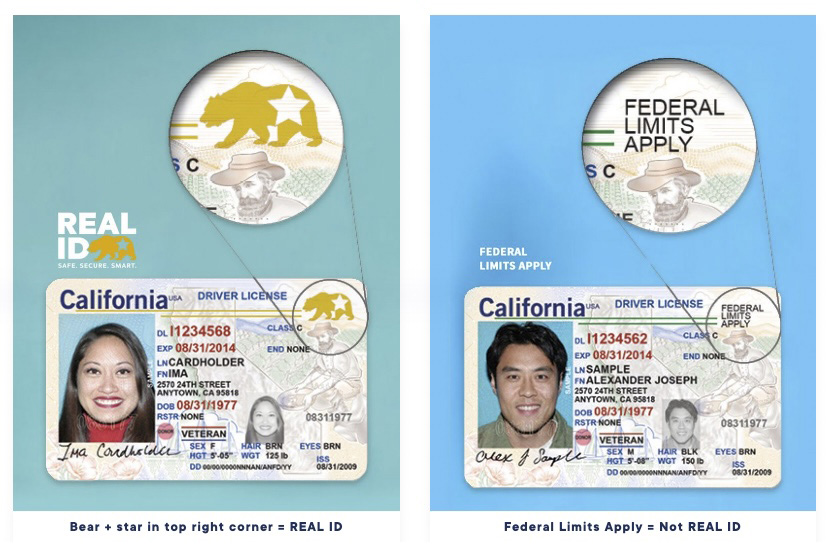
A California Real ID is a federally compliant driver’s license or ID card that signifies a higher standard of security and verification than a standard state-issued driver’s license. Easily identifiable by a distinctive bear and star symbol in the top right corner, it serves as an official document proving your identity and residency. Its primary purpose is to meet the requirements of the Real ID Act, a federal law passed in 2005 in response to the 9/11 attacks, which set minimum security standards for state-issued driver’s licenses and ID cards that federal agencies can accept for identification purposes.
For anyone who loves to explore, whether it’s uncovering the hidden gems of Los Angeles‘s vibrant culture, marveling at the natural grandeur of Yosemite National Park, or venturing beyond California to other states, understanding the Real ID is crucial. It’s more than just an updated form of identification; it’s a gateway to uninterrupted travel and access, ensuring your journey from booking your accommodation to arriving at your destination is as smooth as possible. This comprehensive guide will delve into what the California Real ID entails, why it’s indispensable for modern travelers, how to obtain it, and its broader implications for your travel and lifestyle choices.
The Evolution of Identification: Why Real ID Matters for Travelers
The landscape of personal identification has significantly evolved over the past two decades, largely driven by enhanced security concerns. The Real ID Act of 2005, enacted by the United States Congress, mandated that federal agencies, including the Transportation Security Administration, could no longer accept standard state-issued driver’s licenses and ID cards for certain purposes unless they met specific security standards. This legislative shift marked a pivotal moment for domestic travel and access to federal facilities, fundamentally altering how Americans prove their identity.
Initially, there was a grace period, but as deadlines approached, states, including California, began issuing Real ID compliant driver’s licenses and ID cards. The goal was to improve the integrity and security of state-issued identification documents, making it harder for individuals to obtain fraudulent IDs. For the avid traveler, the implications are straightforward and profound: a Real ID ensures you can navigate the travel ecosystem without unnecessary stress or delays.
Navigating Domestic Air Travel with Real ID
The most significant and widely impactful reason for obtaining a California Real ID is for domestic air travel. As per the federal mandate, individuals aged 18 and older are required to present a Real ID compliant driver’s license or another acceptable form of identification, such as a passport, to pass through TSA checkpoints for domestic flights. This requirement, though it had several implementation delays, is now firmly in place, making the Real ID an essential document for anyone flying from bustling hubs like Los Angeles International Airport, San Francisco International Airport, or San Diego International Airport.
Imagine you’ve meticulously planned a trip, perhaps a weekend getaway to the wine country of Napa Valley, a family adventure to Disneyland Resort, or a business conference in Sacramento. You’ve booked your flights, secured your preferred hotel or apartment accommodation, and packed your bags. Arriving at the airport only to discover your standard driver’s license is no longer sufficient could turn your excitement into a logistical nightmare. While a passport is always an acceptable alternative, carrying it for domestic travel might feel excessive for some. The Real ID offers that perfect balance of compliance and convenience, allowing you to breeze through security and focus on the joy of your journey. It eliminates the need to remember to bring a passport for a short domestic hop, streamlining the process for frequent and infrequent travelers alike. This simplicity is particularly valued by those who embark on frequent business trips or juggle family travel, making the entire airport experience less of a chore and more of a prelude to their destination’s attractions.
Accessing Federal Facilities and Nuclear Power Plants
While domestic air travel is the most common scenario where the Real ID requirement surfaces for the general public, it’s also crucial for accessing certain federal facilities and nuclear power plants. This might not directly impact every traveler, but for individuals involved in specific government-related business, educational tours, or those residing near such facilities, having a Real ID is imperative.
For instance, if your travel itinerary includes a visit to the California State Capitol in Sacramento, or other federal buildings that require identification for entry, a Real ID will serve as your accepted form of identification. This aspect underscores the Real ID’s broader purpose in enhancing national security by standardizing identification for sensitive locations. While exploring California’s iconic landmarks like the Golden Gate Bridge or the historical site of Alcatraz Island, a Real ID won’t be required for general entry, but its underlying security features contribute to a safer environment for everyone to enjoy these attractions and experiences. For those engaging in business stays that involve federal government contracts or consultations, having a Real ID ensures that access to necessary facilities is never an impediment to productivity.
Obtaining Your California Real ID: A Step-by-Step Guide for Seamless Journeys
The process of obtaining a California Real ID is designed to be straightforward, though it requires careful preparation. The California Department of Motor Vehicles (DMV) is the issuing authority, and they’ve streamlined the application process to make it as efficient as possible. By understanding the requirements and following the steps, you can secure your Real ID well in advance of your next adventure, ensuring your travel plans remain unaffected.
The key to a hassle-free application lies in organization and a clear understanding of the necessary documentation. This preparation not only saves time but also prevents frustrating repeat visits to the DMV office.
Required Documents: Proof of Identity and Residency
To apply for a California Real ID, you will need to provide several documents to prove your identity, Social Security number, and California residency. The exact combination of documents can vary, so it’s always best to consult the official California DMV website for the most current and comprehensive list. However, generally, you’ll need:
- Proof of Identity: This could be an original or certified copy of a U.S. birth certificate, a valid U.S. passport or passport card, a foreign passport with an approved I-94 form, or an employment authorization document. This step is critical as it establishes who you are on a federal level.
- Proof of Social Security Number (SSN): Your Social Security card, a W-2 form, or a pay stub with your full SSN are acceptable. The DMV verifies this information to ensure compliance with federal security standards.
- Two Proofs of California Residency: This is where you demonstrate that you are a legitimate resident of California. Documents commonly accepted include utility bills (gas, electric, water, cell phone), mortgage statements, rental agreements, bank statements, or medical documents. Each document must clearly show your name and current California address. This requirement helps prevent identity fraud and ensures that the Real ID is issued to bonafide residents.
- Proof of Signature: While not always a separate document, your current driver’s license or ID card can serve this purpose, or you might sign a form at the DMV office.
It’s highly recommended to gather all original documents or certified copies before starting your application. Photocopies are generally not accepted. This meticulous preparation will save you significant time and potential frustration during your DMV visit. For travelers eyeing a perfect hotel suite in San Francisco or an adventure tour through Death Valley, ensuring your ID is ready means one less thing to worry about in your travel checklist.
The Application Process: Online and In-Person
The California DMV has implemented a hybrid application process to enhance efficiency. You can start your Real ID application online, but you must complete it in person at a DMV office.
- Start Online: Begin by filling out the online Real ID application on the official California DMV website. This pre-fills much of the necessary information, reducing the time you’ll spend at the DMV office. After completing the online form, you’ll receive a confirmation code.
- Schedule an Appointment: While walk-ins are accepted, scheduling an appointment is highly advisable to minimize wait times. DMV offices, particularly in major cities like Oakland, Sacramento, or San Jose, can get very busy. An appointment ensures a more predictable experience.
- Visit a DMV Office: Bring all your original required documents (identity, SSN, two proofs of residency) and your online application confirmation code to your scheduled appointment. At the DMV, a staff member will review your documents, take your photo, and collect your thumbprint. You will also be required to pass a vision test and, if applying for a driver’s license (or renewing one), a written test.
- Receive Your Temporary ID: Once all requirements are met, you will receive a temporary paper Real ID that is valid for domestic air travel and other purposes. Your permanent Real ID card will be mailed to you within a few weeks.
This process, while seemingly detailed, is a crucial step for travelers who value convenience and peace of mind. For those planning complex itineraries, from discovering California’s best attractions to embarking on luxury travel experiences, getting the Real ID sorted early on removes a potential source of stress.
Beyond the Airport: Real ID’s Impact on Your Travel Lifestyle
While the primary impetus for the Real ID is linked to air travel, its existence subtly permeates various aspects of a modern traveler’s lifestyle. It’s not just about getting through security; it’s about establishing a consistent, federally compliant identification that simplifies many interactions within the travel and tourism sectors. For residents of California, a state synonymous with diverse landscapes and vibrant culture, having a Real ID can indirectly enhance your ability to explore both within and outside its borders.
The website’s focus on Travel, Hotels, Tourism, Accommodation, Landmarks, and Lifestyle directly aligns with the benefits of possessing a Real ID. It’s a foundational element that ensures the logistics of your journey are sound, allowing you to fully immerse yourself in the local culture, savor gourmet food experiences, or relax in a beautifully appointed villa without administrative worries.
Exploring California and Beyond: A Stress-Free Approach
Having a California Real ID contributes significantly to a stress-free travel approach, whether you’re crisscrossing the state or venturing far beyond. Imagine planning a road trip along the scenic Pacific Coast Highway, stopping at charming coastal towns, exploring the majestic redwoods, or enjoying the vibrant nightlife of Hollywood. While a Real ID isn’t explicitly required for driving, the confidence that it grants for any unforeseen need for federal identification adds a layer of security to your travels.
For families planning trips to Disneyland Resort or nature enthusiasts heading to Lake Tahoe or Joshua Tree National Park, the ease of having a federally compliant ID removes one potential source of pre-trip anxiety. This peace of mind allows travelers to focus on the exciting aspects of their journey – researching the best hotels with premium amenities, discovering unique local food experiences, or planning visits to iconic landmarks like the Getty Center or Universal Studios Hollywood. Even for spontaneous decisions, like hopping on a last-minute flight to a Palm Springs resort for a relaxing weekend, your Real ID ensures you’re always ready for departure.
Furthermore, for business travel, where time is often of the essence, the Real ID is an indispensable tool. It ensures that executives, sales professionals, and consultants can reliably meet their flight schedules and access any necessary federal buildings without impediment, contributing to a smooth and efficient workflow. This reliability underscores the Real ID’s role in enabling modern, dynamic lifestyles, whether they involve luxury travel or budget-conscious explorations.
Differentiating Real ID from Other Identification
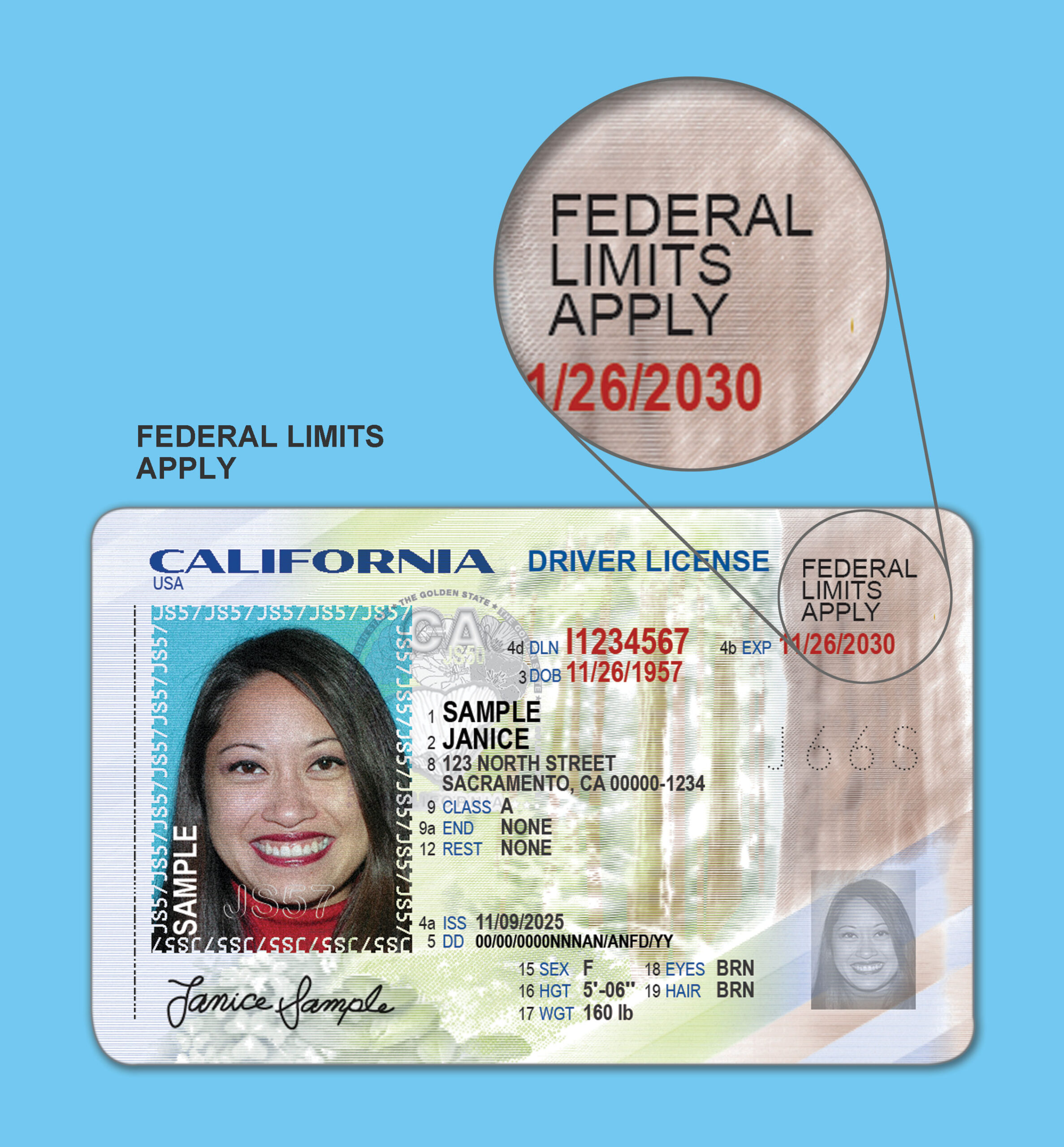
It’s important for travelers to understand that the California Real ID is distinct from a standard California driver’s license and also from a U.S. passport. A standard California driver’s license (without the bear and star symbol) is still valid for driving, voting, and age verification, but it will not be accepted by the TSA for domestic air travel after the enforcement date. This is a critical distinction that many sometimes overlook.
A U.S. passport, on the other hand, is a federally issued document and is always an acceptable form of identification for domestic air travel, as well as being mandatory for international travel to Mexico, Canada, or any other country. The Real ID essentially bridges the gap between a standard state ID and a passport for domestic federal purposes. It is not, however, valid for international travel.
Therefore, your choice of identification depends on your travel plans:
- For domestic air travel: A Real ID or a U.S. passport (or other acceptable federal IDs) are required.
- For international travel: A U.S. passport is essential.
- For driving and general ID (not federal facility access or air travel): A standard California driver’s license is sufficient.
Understanding these distinctions allows you to make informed decisions about your identification needs, optimizing your preparation for any type of journey, whether it’s a quick flight to San Diego for a beachside stay or an epic multi-country adventure. It enables you to choose the most convenient and compliant form of identification for each specific travel scenario, reinforcing the overarching theme of effortless exploration.

Conclusion
The California Real ID is more than just an updated driver’s license or ID card; it’s an indispensable tool for anyone who embraces the modern travel lifestyle. In a world where security measures are paramount, having a federally compliant identification ensures that your travel plans, whether for leisure, business, or family, proceed without unexpected hitches. From navigating bustling airports to potentially accessing federal buildings, the Real ID offers peace of mind and convenience.
By understanding its purpose, familiarizing yourself with the application process, and gathering the necessary documents, you can easily obtain your California Real ID. This simple step will allow you to focus on what truly matters: immersing yourself in the rich local culture, indulging in exquisite food, discovering breathtaking landmarks, and creating unforgettable experiences that define the joy of travel. So, as you plan your next adventure, make sure your California Real ID is ready, ensuring your journey begins and continues seamlessly.
LifeOutOfTheBox is a participant in the Amazon Services LLC Associates Program, an affiliate advertising program designed to provide a means for sites to earn advertising fees by advertising and linking to Amazon.com. Amazon, the Amazon logo, AmazonSupply, and the AmazonSupply logo are trademarks of Amazon.com, Inc. or its affiliates. As an Amazon Associate we earn affiliate commissions from qualifying purchases.