
California, a land of unparalleled beauty, innovation, and diverse experiences, beckons travelers from across the globe. From the sun-drenched beaches of San Diego to the majestic redwoods of the north, and from the bustling urban energy of Los Angeles to the iconic charm of San Francisco, the Golden State offers an endless array of adventures. Whether you’re planning a luxurious escape, an extended family vacation, a digital nomad’s long-term stay, or even contemplating a relocation to embrace the Californian lifestyle, understanding the local infrastructure is paramount. Beyond securing the perfect accommodation, mapping out your must-see landmarks, or planning your culinary tours, an often-overlooked yet critical aspect of any extended visit or potential residency is healthcare.
For many, the thought of healthcare costs can be a significant concern, influencing decisions about travel duration, destination choice, and overall peace of mind. While short-term visitors typically rely on travel insurance, those considering longer stays, temporary work assignments, or even a permanent move to California will find it immensely beneficial to understand the state’s primary public health insurance program: Medi-Cal.
This comprehensive guide will delve into what Medi-Cal is, who it serves, and why it’s a relevant topic for anyone interested in experiencing California beyond a brief holiday. By understanding this vital safety net, potential residents and long-term visitors can make more informed decisions, ensuring their Californian adventure is not only memorable but also secure and healthy. We’ll explore how knowing about Medi-Cal can factor into budgeting for an extended stay, offer peace of mind, and ultimately enhance your ability to fully immerse yourself in all that California has to offer, from exploring Yosemite National Park to strolling across the Golden Gate Bridge.
Understanding Medi-Cal: California’s Essential Health Program
At its core, Medi-Cal is California’s Medicaid program, a joint federal and state program that provides free or low-cost health coverage to millions of low-income Californians. Enacted to ensure that essential healthcare services are accessible to vulnerable populations, Medi-Cal covers a wide array of medical, dental, and vision benefits. For individuals and families planning an extended stay or considering making California their temporary or permanent home, understanding this program can be a game-changer, impacting everything from financial planning to the quality of their daily life and travel experiences.
In the context of a travel and lifestyle website, why is this relevant? Imagine you’re a digital nomad considering a six-month stint in California, perhaps settling in a charming Orange County apartment or a bohemian bungalow in Oakland. Or perhaps you’re a family contemplating a year-long sabbatical, exploring the state’s national parks and vibrant cities. While travel insurance is standard for shorter trips, extended stays begin to blur the lines between “visitor” and “temporary resident.” If your income during this period falls within certain thresholds, Medi-Cal could provide a crucial safety net, allowing you to allocate more of your budget to experiences, dining, and exploring iconic landmarks like Disneyland or the Hollywood Walk of Fame, rather than worrying about unexpected medical bills.
Who is Eligible for Medi-Cal?
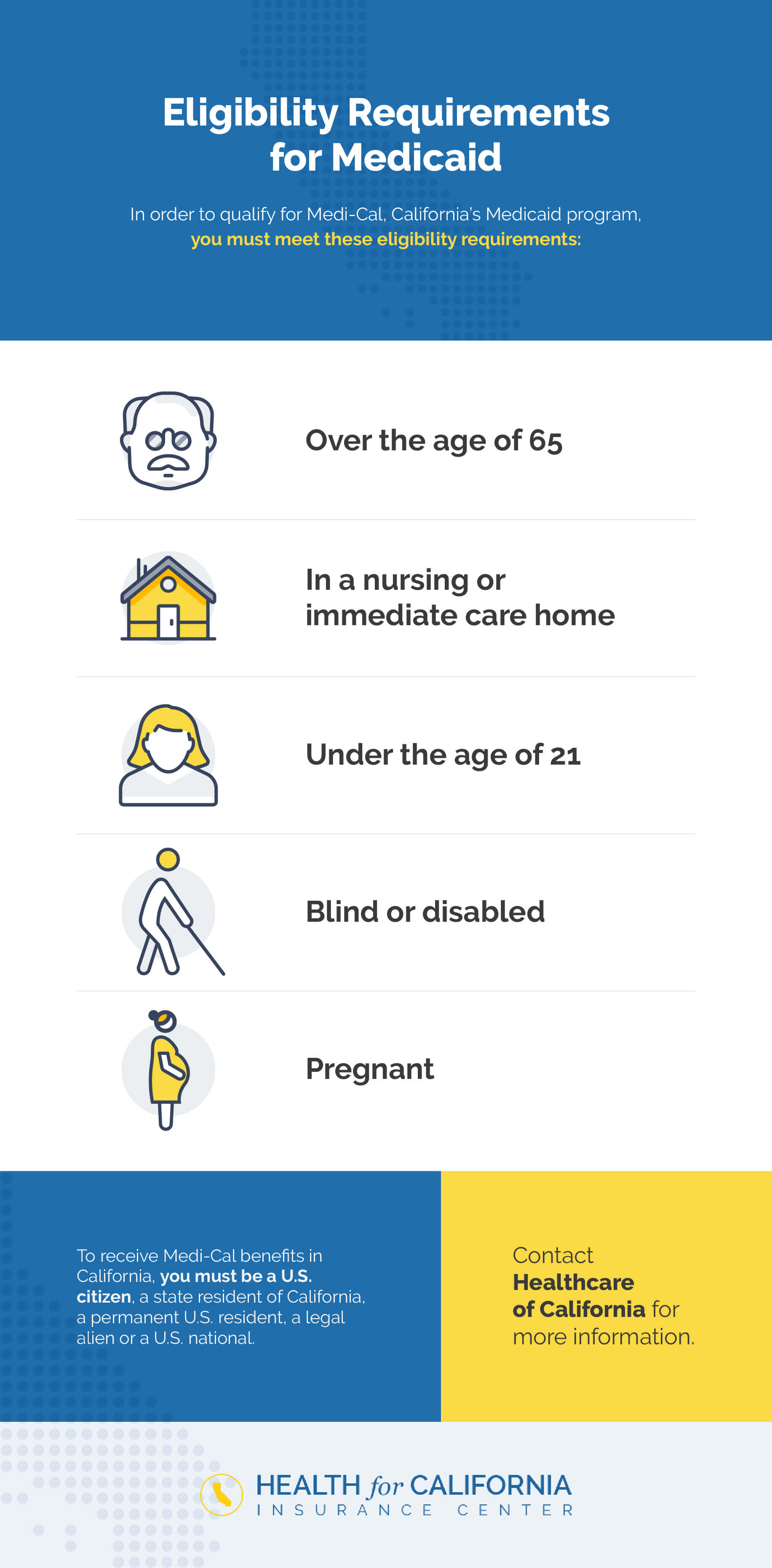
Eligibility for Medi-Cal is primarily based on income relative to the Federal Poverty Level (FPL) and household size. However, other factors also play a significant role. This is where the distinction between a tourist and a potential long-term resident becomes critical. Generally, eligible individuals must be California residents who are U.S. citizens, permanent residents, or lawfully present immigrants.
The program typically covers:
- Low-income adults: Individuals aged 19-64 whose income is at or below 138% of the FPL.
- Families and children: Parents and children with incomes up to a certain percentage of the FPL, which can be higher than for childless adults. This is particularly relevant for families considering a long-term stay, as it ensures access to pediatric care.
- Pregnant individuals: Pregnant women often have higher income thresholds for eligibility, ensuring crucial prenatal and postnatal care.
- Individuals with disabilities: Those meeting specific disability criteria and income requirements.
- Seniors: Individuals aged 65 or older who meet the income and asset limits. For seniors considering California as a retirement destination or for extended stays with family, Medi-Cal can supplement Medicare, covering services that Medicare might not.
- Former foster youth: Up to age 26, regardless of income.
For someone arriving in California with the intention of establishing residency for an extended period – perhaps to take on a temporary job, study, or pursue a lifestyle change – understanding these criteria is vital. While a quick vacation doesn’t make one eligible, a move with the intent to reside, even if temporary, might open doors to considering this option.
Comprehensive Benefits and Services
The breadth of services covered by Medi-Cal is extensive, designed to ensure recipients receive necessary care without prohibitive costs. This peace of mind is invaluable, especially when you’re away from your usual support systems or planning to engage in activities that might carry a slight risk, such as surfing in Malibu or hiking in the Sierra Nevada mountains.
Key services include:
- Doctor visits: Routine check-ups, specialist consultations, and preventative care.
- Hospital services: Emergency room visits, inpatient stays, and outpatient care.
- Prescription drugs: Medications prescribed by a doctor.
- Mental health services: Counseling, therapy, and psychiatric care, crucial for maintaining well-being during travel or relocation.
- Substance use disorder services: Support and treatment for addiction.
- Dental care: Routine cleanings, fillings, and other necessary dental procedures.
- Vision care: Eye exams and, in some cases, glasses.
- Maternity care: Comprehensive services for pregnant individuals.
- Lab tests and X-rays: Diagnostic services.
- Home health services: For those requiring care in their residence.
- Non-emergency medical transportation: Assistance getting to appointments.
For travelers or temporary residents, knowing these services are available through Medi-Cal can transform an extended stay from a potential financial gamble into a secure, well-planned adventure. It allows you to focus on enjoying the vibrant culture of San Jose, the culinary delights of Napa Valley, or the natural wonders of Lake Tahoe, rather than constantly worrying about unforeseen health events.
Navigating Healthcare in California for Extended Stays
When planning an extended visit to California, whether for work, study, or a lifestyle sabbatical, healthcare considerations transition from a simple travel insurance purchase to a more nuanced understanding of local systems. This is particularly true if your stay extends beyond a few weeks and your intention shifts towards a temporary residency. Our website emphasizes seamless travel and enjoyable experiences, and reliable healthcare is a cornerstone of that philosophy.
Short-Term Stays vs. Extended Visits
For traditional tourists on short trips (a few days to a few weeks), comprehensive travel insurance is almost always the recommended solution. It covers emergencies, trip cancellations, lost luggage, and often offers robust medical coverage for unexpected illnesses or injuries abroad. However, as your stay lengthens—think three months, six months, or even a year—the dynamics change.
An extended visit starts to resemble a temporary residency, especially if you establish a mailing address, open a bank account, or engage in employment. In such scenarios, relying solely on travel insurance might not be sufficient or cost-effective in the long run. Travel insurance policies often have limits on duration and may not cover pre-existing conditions or routine care. This is where programs like Medi-Cal become relevant for those who meet the residency and income qualifications. Understanding these distinctions allows you to plan your long-term accommodation, budget, and activities, from exploring the historical missions of Santa Barbara to experiencing the vibrant arts scene of Palm Springs, with greater confidence.
The Application Process for Potential Residents
For those who believe they might qualify for Medi-Cal due to an extended stay with intent to reside and income eligibility, the application process is generally streamlined. Prospective applicants typically apply through Covered California, the state’s health insurance marketplace. While Covered California primarily facilitates enrollment in private health plans with subsidies, it also serves as the gateway for Medi-Cal enrollment.
Steps generally include:
- Online Application: Most people apply online via the Covered California website. The application will determine eligibility for either Medi-Cal or a subsidized private plan.
- Required Documentation: Applicants will need to provide documentation to verify identity, residency, income, and household size. This could include a California driver’s license or state ID, utility bills, pay stubs, tax returns, and proof of legal presence in the United States.
- County Office Application: Alternatively, applications can be submitted directly to a local county social services office. This might be preferable for those who need in-person assistance.
- Enrollment and Plan Selection: Once approved for Medi-Cal, individuals are typically enrolled in a managed care plan within their county. These plans provide access to a network of doctors, hospitals, and specialists.

Navigating this process, even if complex, ensures that your long-term stay in California is not marred by healthcare uncertainties. This proactive approach to planning aligns perfectly with our ethos of informed and enjoyable travel, whether you’re taking a scenic drive along Highway 1 or exploring the vineyards of Sonoma County.
Medi-Cal and Your California Lifestyle
The connection between healthcare access and lifestyle might not be immediately obvious, but for those who value peace of mind, financial prudence, and the freedom to explore, understanding programs like Medi-Cal is crucial. A secure healthcare foundation allows you to fully embrace the diverse Californian lifestyle without the constant undercurrent of worry about potential medical expenses.
Budgeting for an Extended Stay
California is renowned for its high cost of living, which can impact every aspect of an extended stay, from accommodation choices in vibrant cities like Sacramento to daily expenses. Healthcare is often one of the most unpredictable and potentially expensive components of any long-term budget. For eligible individuals, Medi-Cal offers free or low-cost comprehensive health coverage, effectively removing a significant financial burden.
This allows budget-conscious travelers, digital nomads, or families on extended sabbaticals to reallocate funds. Instead of saving for potential medical emergencies, you can invest more in authentic local experiences: perhaps a gourmet food tour in San Francisco, a surf lesson in Santa Cruz, a visit to the countless museums in Los Angeles, or an extended stay at a boutique hotel in Laguna Beach. Knowing that basic healthcare is covered can fundamentally alter your travel budget, turning what might have been a “budget-restricted” trip into a “rich-experience” trip.
Peace of Mind for Families and Seniors
For families embarking on an extended Californian adventure, or seniors considering the state for a long-term retirement stay near loved ones, healthcare access is often the top priority. Children are prone to unexpected sniffles, minor accidents, or routine check-ups. Seniors often have ongoing medical needs that require consistent care.
Medi-Cal provides that essential peace of mind. Families can explore attractions like Universal Studios Hollywood or the Santa Monica Pier knowing that if a child gets sick, quality medical care is accessible. Seniors can enjoy the tranquil beauty of Big Sur or the cultural richness of Pasadena, confident that their health needs are covered. This security removes a major stressor, enabling these groups to truly relax and savor their time in the Golden State, making California an even more appealing destination for multi-generational travel and long-term stays.
Exploring California with Confidence
The ability to explore California’s vast and varied landscape with confidence is immeasurable. From challenging hikes in Joshua Tree National Park to adventurous drives along scenic coastal routes, active exploration is a hallmark of the Californian lifestyle. For those covered by Medi-Cal, the worry of a twisted ankle on a trail or an unexpected illness interrupting an itinerary is significantly lessened.
This freedom allows you to fully engage with the experiences California offers: learning to surf, taking a yoga retreat in Marin County, exploring the vibrant nightlife of West Hollywood, or simply enjoying a long-term stay in a charming coastal town like Carmel-by-the-Sea. Knowing you have access to a network of healthcare providers enables bolder adventures and a more uninhibited embrace of the Californian spirit. It transforms the potential for medical mishap from a looming threat into a manageable part of your well-prepared journey.
Important Considerations and Resources
While Medi-Cal offers a vital lifeline for eligible residents, it’s crucial to approach it with a clear understanding of its parameters and to know when other options might be more suitable. Our goal is to equip you with the knowledge to make informed decisions for a truly exceptional California experience.
Residency Requirements and Documentation
The most critical factor for Medi-Cal eligibility, beyond income, is establishing residency in California. This is where the distinction between a transient visitor and an individual intending to make California their home, even temporarily, becomes paramount. Generally, to be considered a resident, one must be living in the state with the intent to remain there, not just for a fleeting visit.
Proof of residency might include:
- A California driver’s license or state identification card.
- Utility bills or lease agreements in your name.
- Registration to vote in California.
- Employment records from a California employer.
- Tax returns filed as a California resident.
It’s essential to understand that simply being in California for an extended period as a tourist does not automatically grant residency for Medi-Cal purposes. You must demonstrate a clear intent to reside. This nuance is vital for those planning digital nomad stints, long-term educational pursuits, or work-related extended stays, as it dictates eligibility for such programs and impacts your overall lifestyle planning in California.

Beyond Medi-Cal: Other Healthcare Options
For many travelers and even some long-term visitors to California, Medi-Cal will not be the appropriate healthcare solution. Whether you don’t meet the income requirements, don’t intend to establish residency, or simply prefer other options, California offers a robust healthcare landscape.
Other viable options include:
- Travel Insurance: For short-term trips, dedicated travel insurance remains the best option, offering comprehensive coverage for medical emergencies, trip interruptions, and other travel-related incidents.
- Private Health Insurance: If you’re relocating for work, your employer might offer health insurance. Alternatively, individuals can purchase private plans directly from insurance companies or through Covered California. Covered California is the state’s marketplace where individuals and families can compare and enroll in health insurance plans. Many may qualify for federal subsidies to help reduce monthly premium costs, making private insurance more affordable. This is a primary pathway for those who do not qualify for Medi-Cal but still need comprehensive coverage for an extended stay or residency.
- Student Health Plans: For those coming to California for academic pursuits, universities and colleges often offer student health insurance plans.
- COBRA or Existing Employer Plans (if applicable): Individuals moving from another state in the United States might have options to extend coverage from their previous employer for a period.
Understanding the full spectrum of healthcare options ensures that every visitor or prospective resident, regardless of their circumstances, can find a suitable plan to protect their health while enjoying the breathtaking landscapes and vibrant cities of California. The California Department of Health Care Services and Covered California websites are official resources for detailed, up-to-date information.
In conclusion, while the allure of California lies in its scenic beauty, cultural richness, and endless adventure, a well-planned trip or relocation also involves practical considerations. Understanding “What Is Medicaid in California?” or Medi-Cal for short, is not merely an exercise in bureaucratic knowledge but a strategic move for those envisioning an extended, secure, and truly enjoyable experience in the Golden State. It’s about ensuring that your journey, whether it’s a temporary escape or a step towards a new lifestyle, is underpinned by the peace of mind that comes with accessible healthcare.
LifeOutOfTheBox is a participant in the Amazon Services LLC Associates Program, an affiliate advertising program designed to provide a means for sites to earn advertising fees by advertising and linking to Amazon.com. Amazon, the Amazon logo, AmazonSupply, and the AmazonSupply logo are trademarks of Amazon.com, Inc. or its affiliates. As an Amazon Associate we earn affiliate commissions from qualifying purchases.