
California has long been synonymous with innovation, glamour, natural beauty, and a lifestyle that often sets trends for the rest of the world. From the sun-kissed beaches of Malibu to the towering redwoods of the north, and from the bustling urban sprawl of Los Angeles to the iconic cable cars of San Francisco, the Golden State offers an unparalleled array of experiences for every type of traveler. However, beneath the veneer of its vibrant tourism industry and alluring landmarks lies a complex economic landscape, significantly shaped by its progressive labor policies. One of the most impactful of these policies is the state’s minimum wage, a figure that not only defines the living standards for millions of residents but also subtly, yet profoundly, influences the cost of travel, accommodation, and the overall tourism experience within its borders.

For anyone planning a trip to California, whether it’s a luxury travel escape to Beverly Hills, a budget travel adventure through its national parks, or a business stays in Silicon Valley, understanding the state’s minimum wage is crucial. It directly impacts everything from the price of your hotel room and the cost of your morning coffee to the wages of the tour guide leading you through Yosemite National Park or the concierge assisting you at a Grand Hyatt Hotel. This article delves into what the California minimum wage currently stands at, its implications for the travel and hospitality sectors, and how visitors can navigate the financial aspects of exploring this diverse and captivating state.
Understanding California’s Wage Landscape for Travelers
The minimum wage in California isn’t just a number; it’s a reflection of the state’s commitment to ensuring a certain quality of life for its workers, particularly in a region often characterized by a high cost of living. For travelers, this translates into a unique economic ecosystem that sets California apart from many other destinations globally.
The Statewide Standard and Local Variations
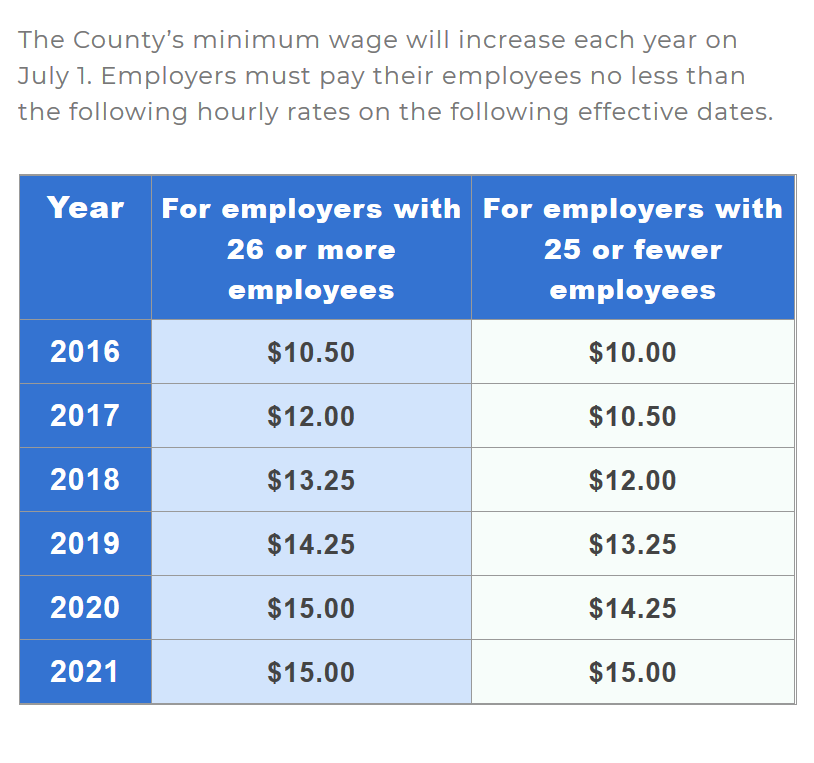
As of January 1, 2024, the statewide minimum wage in California is $16.00 per hour for all employers, regardless of size. This significant figure places California among the states with the highest minimum wages in the United States. However, the complexity doesn’t end there. Many cities and counties across the state have established their own minimum wage ordinances that exceed the state minimum. These local variations are often a direct response to even higher local costs of living, particularly in major metropolitan areas and popular tourist hubs.
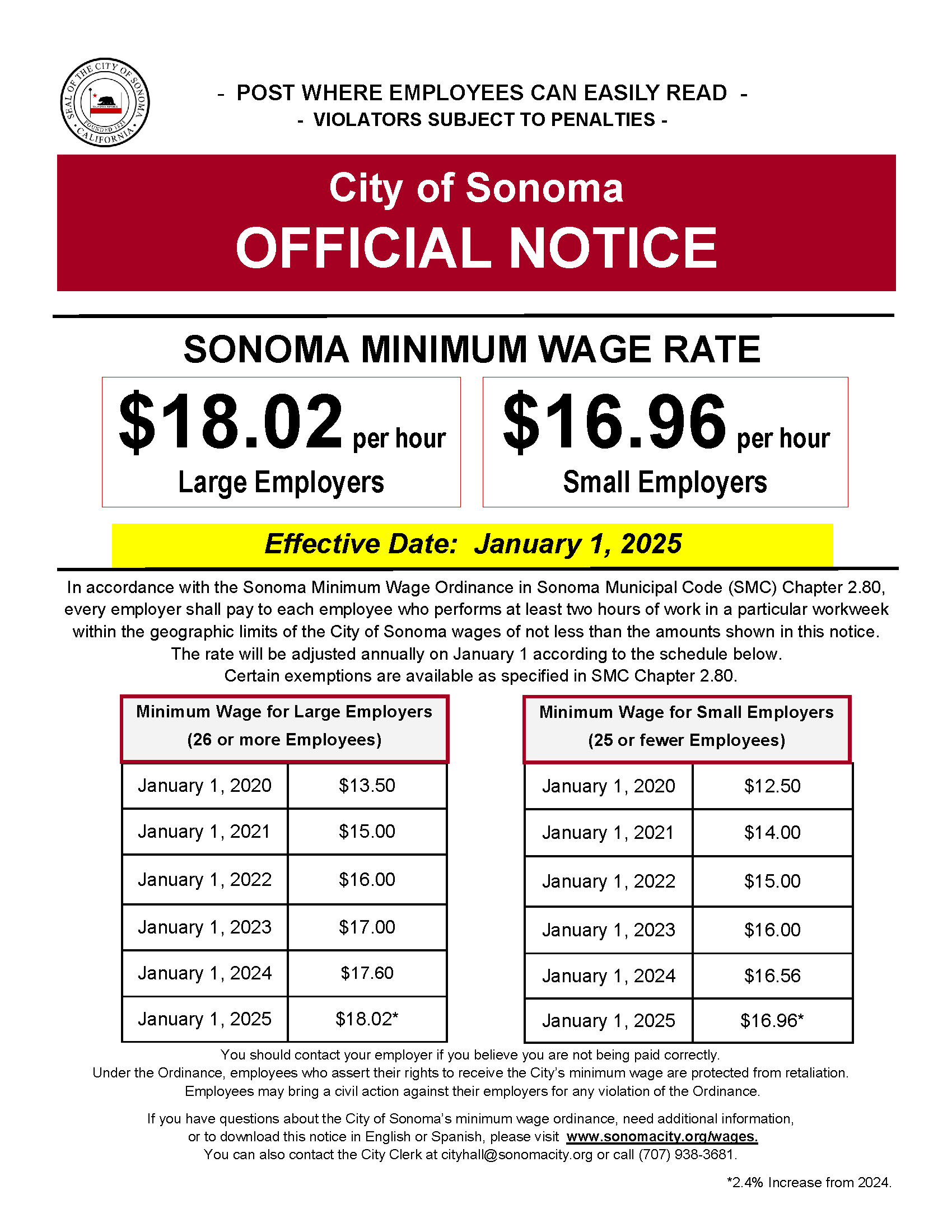
For instance, cities like San Francisco, San Jose, Oakland, Berkeley, and Santa Monica boast minimum wages significantly higher than the state standard, with some reaching upwards of $18-$19 per hour or more. Los Angeles County also has specific rates for unincorporated areas. This patchwork of regulations means that a server at a restaurant in downtown San Francisco or a housekeeper at a hotel in Santa Monica earns substantially more per hour than their counterparts in a region with only the state minimum wage. These local differences are crucial for travelers to understand, as they directly contribute to regional price disparities for goods and services. A coffee in Hollywood might cost more than the same coffee in a less affluent part of the state, not just due to rent, but also labor costs.
How Wages Influence the Hospitality Sector
The hospitality sector, encompassing hotels, restaurants, tour operators, and attractions, is inherently labor-intensive. A higher minimum wage directly translates to increased operational costs for businesses within this industry. These costs are then, to varying degrees, passed on to the consumer.
- Accommodation Costs: Hotels, ranging from sprawling resorts in San Diego to charming boutique hotels in Carmel-by-the-Sea, employ a vast staff – housekeepers, front desk agents, bellhops, maintenance crew, and culinary teams. A higher minimum wage for these employees directly impacts the nightly rates for rooms, whether you’re staying in luxurious suites or a standard room. Understanding this can help travelers temper expectations about pricing, especially when comparing California with other, lower-wage destinations.
- Dining Experiences: From Michelin-starred restaurants in Napa Valley to casual diners in Monterey, the cost of food and service includes significant labor expenses. While tipping remains a strong tradition in the United States, the base wage for restaurant staff in California means that menu prices reflect a higher built-in labor cost compared to states with a lower or separate “tipped minimum wage.”
- Tours and Activities: The cost of guided tours, entry fees to major attractions like Disneyland or Universal Studios Hollywood, and even services like valet parking, all factor in the wages of the staff providing these experiences.
- Quality of Service: On a positive note, the higher minimum wage often correlates with a more professional, experienced, and motivated workforce. Employees earning a living wage are more likely to be content and committed, potentially leading to higher standards of service, which enhances the overall travel experience. This can be a significant benefit, especially for travelers who prioritize exceptional service and knowledgeable local guides.
Navigating Travel Costs in a High-Wage State
Traveling through California requires a thoughtful approach to budgeting, given its economic characteristics. While the state offers incredible value in terms of experiences and natural beauty, the financial outlay for accommodation, dining, and activities can be substantial without proper planning.
Accommodation: Budgeting for Your Stay
Securing accommodation is often the largest single expense for most travelers, and California’s minimum wage plays a role here. The higher operating costs for hotels mean that prices for even standard rooms can be higher than in other parts of the world.
- Diverse Options, Varying Costs: California offers a wide spectrum of accommodation types, from ultra-luxurious resorts along the coast of Big Sur to charming bed and breakfasts in wine country, and from modern city apartments to rustic cabins in the national forests. For budget-conscious travelers, exploring options beyond traditional hotels like vacation rentals, hostels, or even camping in one of the state’s magnificent parks can significantly reduce costs. Long-term stays in serviced apartments can also offer better value for extended visits.
- Strategic Booking: Timing is everything. Booking your hotel or villa well in advance, especially for peak seasons (summer, holidays, major events like Coachella), is crucial for securing better rates. Utilizing comparison websites and looking for special deals or package offers can also yield savings.
- Geographical Considerations: Be mindful of location. While cities like San Francisco, Los Angeles, and San Diego are major draws, they also come with the highest accommodation prices due to a combination of high demand and high labor costs. Exploring the less famous but equally charming towns in the Central Valley, the Inland Empire, or parts of Northern California can offer more affordable lodging options without compromising on the authentic Californian experience.
Dining and Experiences: Culinary Journeys and Attractions
California’s culinary scene is world-renowned, and its diverse attractions cater to every interest. The state’s minimum wage impacts the price of both.
- Restaurant Pricing and Tipping: Expect menu prices to reflect the higher cost of labor. While a higher minimum wage is intended to reduce reliance on tips, tipping remains customary in the United States, typically ranging from 15-20% for good service. Travelers should factor this into their dining budget. For those looking to save, exploring local farmers’ markets, grabbing quick bites from food trucks, or opting for self-catering in accommodations with kitchenettes can be excellent strategies. Many local culture experiences revolve around food, so don’t miss out on exploring diverse cuisines, but be mindful of costs.
- Attractions and Entertainment: Entry fees for popular landmarks and theme parks, as well as the cost of guided tours or unique experiences like wine tasting in Napa Valley or whale watching off the coast of Santa Barbara, will also incorporate labor costs. Look for package deals, city passes, or consider visiting free attractions like Golden Gate Bridge vistas, the Hollywood Walk of Fame, or the numerous beautiful beaches and parks. Many state parks and natural landmarks offer more affordable access, allowing visitors to immerse themselves in California’s incredible natural history and nature.
Lifestyle and Labor: The California Dream for Workers and Visitors
The California dream, often romanticized in popular culture, embodies aspirations of innovation, natural beauty, and a progressive lifestyle. The state’s minimum wage plays a crucial role in shaping this dream, both for those who live and work there, and for those who visit.
Quality of Life and Service Standards
One of the most significant arguments for a higher minimum wage is its potential to improve the quality of life for workers. In the context of travel and tourism, this translates into a few key advantages:
- Motivated Workforce: Employees earning a fair wage are generally more motivated, productive, and less likely to experience high turnover. This consistency in staffing can lead to more experienced and knowledgeable service providers in hotels, restaurants, and attractions.
- Enhanced Service Quality: For visitors, this can mean a noticeably higher standard of service. Whether it’s the friendly and efficient hotel staff, the knowledgeable tour guide, or the attentive restaurant server, the dedication of a well-compensated workforce can significantly elevate the overall experience of a trip to California. This commitment to quality permeates many aspects of the visitor experience, from well-maintained accommodations to impeccably organized attractions.
- Local Economy and Authenticity: A strong local economy, bolstered by fair wages, supports thriving local businesses and communities. This contributes to a richer, more authentic local culture for travelers to explore, away from purely corporate establishments. Engaging with local artists, artisans, and small business owners becomes a more meaningful part of the travel experience.
Different Traveler Lifestyles: Luxury, Budget, Family, Business
The impact of the minimum wage also varies depending on your chosen lifestyle of travel in California.
- Luxury Travel: For those indulging in luxury travel, such as staying in exclusive resorts in Laguna Beach or dining at five-star restaurants, the effect of the minimum wage on overall costs might be less noticeable. These travelers often prioritize impeccable service and unique experiences above all else, which the higher wages help to ensure. The premium paid is often seen as a justifiable cost for superior quality and comfort.
- Budget Travel: Budget travel in California requires careful planning and smart choices. While the minimum wage contributes to higher base costs, it also encourages innovative ways to save. This might involve opting for accommodations further from city centers, utilizing public transportation in cities like San Francisco, cooking some meals, or focusing on free attractions like beaches, parks, and scenic drives.
- Family Trips: Family trips often involve multiple people, so increased costs per person can quickly add up. Families might find value in all-inclusive resorts (if available) or accommodations like apartments or villas that allow for cooking, reducing dining out expenses. Looking for family-friendly activities with group discounts or focusing on natural landmarks like Lake Tahoe or Redwood National Park can provide memorable experiences without breaking the bank.
- Business Stays: For business stays, expenses are often covered by employers. However, per diem allowances might need to be adjusted to reflect the higher cost of living and services in California, especially in tech hubs like San Jose and Silicon Valley. Understanding these dynamics can help businesses set realistic budgets for employees traveling to the state.
Maximizing Your California Experience: Tips for Smart Travelers
Navigating the California landscape with its unique wage structure doesn’t have to be daunting. With a few strategic tips, you can maximize your travel budget and enjoy all the Golden State has to offer.
- Plan Ahead for Everything: This is perhaps the most crucial tip. Whether it’s flights, hotel bookings, rental cars, or tickets to popular attractions, reserving well in advance almost always secures better rates. Last-minute spontaneity in California can be a costly affair, particularly in high-demand areas. Utilizing platforms for booking accommodation early can save significant funds.
- Consider Off-Peak Travel: If your schedule allows, traveling during the shoulder seasons (spring or fall) or even the winter (outside of ski resorts or holiday periods) can lead to substantial savings on accommodation and flights. Not only are prices lower, but popular landmarks and attractions are also less crowded, enhancing your experience.
- Explore Diverse Regions: While the major cities are undoubtedly alluring, California is vast and offers incredible diversity. Venture beyond Los Angeles and San Francisco to discover charming coastal towns, serene mountain retreats, or vibrant agricultural regions where the cost of living (and thus, travel) can be significantly lower. These often provide more authentic glimpses into local culture.
- Embrace Local Modes of Transport and Dining: Utilize public transportation where available (e.g., San Francisco Muni, Los Angeles Metro) to save on rental cars and parking. For dining, seek out local eateries, food trucks, and farmers’ markets instead of tourist traps. Not only will you save money, but you’ll also get a more genuine taste of California’s food scene.
- Leverage Loyalty Programs and Deals: If you frequently travel, ensure you’re part of airline and hotel loyalty programs. Look for package deals that bundle flights and accommodation, or even attractions. Many travel websites offer exclusive reviews and deals that can lead to savings.
- Budget for Tipping: While minimum wages are higher, tipping remains an integral part of the service industry in the United States. Factor in an additional 15-20% for restaurant service, taxi drivers, and other service providers. It’s a key aspect of local culture.
- Utilize Comprehensive Travel Guides: Before you embark on your adventure, consult up-to-date travel guides and online resources specific to California. These resources often provide invaluable tips on budget-friendly activities, dining options, and strategies for making your money go further in a high-cost environment.
In conclusion, the California minimum wage is more than just a labor statistic; it’s a foundational element of the state’s economic identity that ripples through every aspect of the travel and tourism industry. By understanding its impact, from the pricing of your chosen accommodation to the quality of service you receive at a local eatery, travelers can plan more effectively, manage their budgets wisely, and ultimately enjoy a richer, more informed experience in the Golden State. California’s commitment to its workers fosters a unique environment where quality service and memorable experiences often come hand-in-hand with a slightly higher price tag – a small investment for the unparalleled beauty, culture, and adventure that awaits.
LifeOutOfTheBox is a participant in the Amazon Services LLC Associates Program, an affiliate advertising program designed to provide a means for sites to earn advertising fees by advertising and linking to Amazon.com. Amazon, the Amazon logo, AmazonSupply, and the AmazonSupply logo are trademarks of Amazon.com, Inc. or its affiliates. As an Amazon Associate we earn affiliate commissions from qualifying purchases.