
Los Angeles, California, a sprawling metropolis famed for its glittering Hollywood sign, pristine beaches, and vibrant cultural tapestry, is a dream destination for many. From the star-studded streets of Beverly Hills to the artistic enclaves of Downtown, the city offers an unparalleled array of experiences for travelers, digital nomads, and those seeking a new lifestyle. However, behind the glamour and endless sunshine lies a significant economic reality that impacts everyone, from the local resident to the curious visitor: the minimum wage. Understanding the minimum wage in Los Angeles is not just a matter for economists or job seekers; it’s a crucial piece of information for anyone planning a trip, budgeting for accommodation, or simply trying to grasp the true cost of living and leisure in this iconic US city.
For travelers, the minimum wage directly influences the cost of nearly every service encountered, from a barista crafting your morning latte to the bellhop assisting with your luggage at a luxury resort. It shapes the prices of meals at popular restaurants, impacts the operational costs of major attractions like Universal Studios Hollywood or the Santa Monica Pier, and subtly molds the overall budget required for an enjoyable stay. For those considering a longer visit, perhaps as a remote worker or someone exploring a career change, understanding the local wage structure becomes even more critical, defining the affordability of everything from apartment rentals to daily necessities. This article delves into the specifics of Los Angeles’ minimum wage, exploring its intricacies, its impact on the travel and tourism industry, and offering practical insights for budgeting your California adventure.
Understanding Los Angeles’ Minimum Wage Landscape
The minimum wage in Los Angeles is not a static, singular figure. It’s a dynamic policy influenced by both state and local ordinances, often resulting in rates significantly higher than the federal minimum wage. This elevated baseline is a reflection of the city’s high cost of living and a proactive approach to ensuring workers can meet their basic needs in one of the nation’s most expensive urban centers. For visitors and potential residents alike, grasping these nuances is essential for an accurate understanding of the local economic climate.
Current Rates Across the City and County
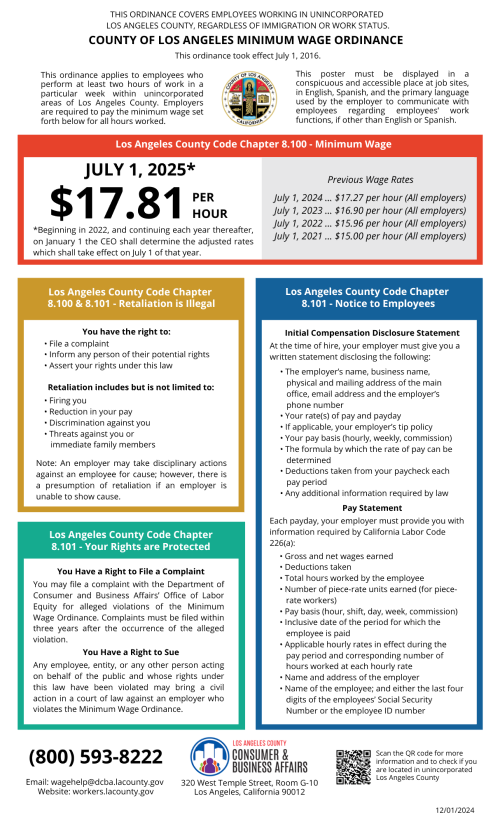
California has one of the highest state minimum wages in the United States. However, Los Angeles takes it a step further. The minimum wage within the actual City of Los Angeles often surpasses the statewide rate. As of early 2024, the minimum wage for employers within the City of Los Angeles, regardless of the number of employees, sits at a competitive rate (typically around $16-$17 per hour, depending on the most recent adjustment). This applies to a vast majority of businesses and service providers that tourists frequent, from the independent coffee shops in Silver Lake to the bustling eateries in Downtown LA.
Beyond the city limits, unincorporated areas of Los Angeles County generally follow the statewide minimum wage. While this is still substantial, it highlights the granular differences within the broader metropolitan area. Furthermore, some specific industries or municipalities within Los Angeles County have even higher minimum wages. For instance, certain cities like Santa Monica or West Hollywood have historically implemented their own local minimum wage ordinances that can exceed both the California state and Los Angeles city rates. This patchwork of regulations underscores the importance of checking specific local ordinances if you’re planning a prolonged stay or considering employment in a particular area. For the average tourist, however, understanding the general high rate within the City of Los Angeles will suffice for budgeting purposes.
Historical Context and Recent Adjustments
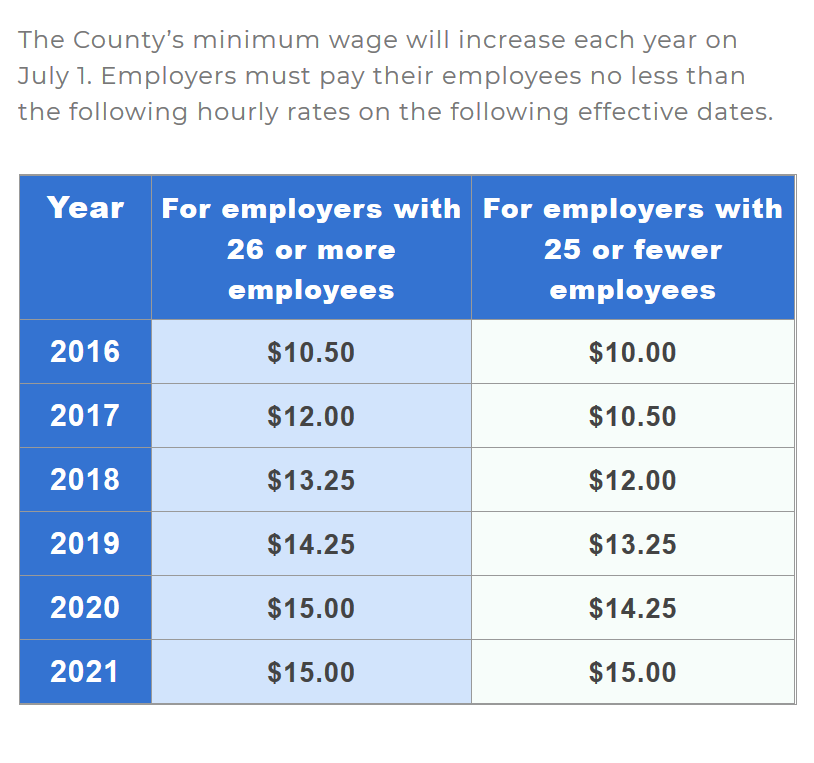
California, and specifically Los Angeles, has been at the forefront of the movement for higher minimum wages. Over the past decade, the city has seen a consistent, scheduled increase in its minimum wage, moving steadily towards a living wage benchmark. These increases are typically tied to inflation and are often adjusted annually, usually on July 1st. This commitment to regularly raising the minimum wage reflects a broader societal and political push to address income inequality and ensure that even entry-level workers can afford to live and work in the region.
The historical trajectory of these increases demonstrates a clear trend: the cost of labor in Los Angeles is on an upward path. For businesses, this means adjusting pricing strategies and operational models. For consumers and travelers, it translates into a consistently higher price point for goods and services compared to regions with lower wage standards. This understanding helps contextualize why certain experiences or accommodations might carry a premium in Los Angeles compared to other global destinations or even other parts of the United States. It’s not just about brand; it’s about the fundamental cost of doing business in a high-wage environment.
The Traveler’s Perspective: Budgeting in a High-Wage City
For anyone planning a trip to Los Angeles, understanding the local minimum wage is more than just a factual detail; it’s a critical component of effective travel budgeting. The elevated wage rates directly influence the prices of services and goods, necessitating a strategic approach to managing expenses, whether you’re embarking on a luxury escape or a budget-conscious adventure.
Impact on Hospitality and Service Costs
The hospitality and tourism sectors are among the most impacted by minimum wage policies. Hotels, restaurants, tour operators, and various attractions rely heavily on a service-based workforce. When the cost of labor rises, these businesses must adjust their pricing to maintain profitability. This means that hotel stays, from boutique hotels in Silver Lake to expansive resorts in Malibu, will likely reflect these higher operational costs. Similarly, dining out at a trendy West Hollywood bistro or grabbing a quick bite from a food truck will generally be more expensive than in cities with lower minimum wages.
Transportation services, such as ride-sharing, taxis, and even guided tours, also factor in these labor costs. While the direct hourly wage of a driver might vary, the overall economic environment created by the minimum wage pushes up the baseline for all service-related jobs. Therefore, when you book a room at the Beverly Wilshire, A Four Seasons Hotel, or enjoy a meal overlooking the Pacific Ocean in Santa Monica, a portion of what you pay is inherently linked to ensuring that the staff providing that exceptional experience are compensated at a fair, locally-mandated rate. Understanding this can help travelers appreciate the value behind the prices they encounter.
Smart Budgeting Tips for Your Los Angeles Trip
Navigating Los Angeles on any budget requires foresight, but especially so in a high-wage city. For budget travelers, creativity and planning are key. Consider staying in areas slightly outside the prime tourist zones, such as Koreatown or parts of Hollywood, where accommodation might be more affordable. Utilize public transport, like the Metro Rail and bus system, to save on ride-sharing costs. Explore the city’s many free attractions, such as hiking trails in Griffith Park leading to the Griffith Observatory, strolling along the beaches, or visiting world-class museums like The Getty Center which often have free admission. Self-catering for some meals, perhaps utilizing a kitchen in an apartment rental or extended-stay hotel, can significantly reduce dining expenses.
For those planning a luxury trip to Los Angeles, while costs might seem less restrictive, understanding the underlying wage structure still provides context. Knowing that premium prices are not just for the brand but also for fair labor practices can enhance the appreciation of the high-quality service received. Even luxury travelers can benefit from strategic planning, perhaps by booking package deals that include hotel, flights, and experiences to streamline costs. Ultimately, regardless of your travel style, recognizing the impact of the minimum wage helps in setting realistic financial expectations for your Los Angeles adventure.
Tipping Etiquette in Los Angeles
Tipping culture in the United States is a widely discussed topic, and Los Angeles is no exception. While the minimum wage for tipped employees can sometimes be lower in other states, California law mandates that employers pay all employees, including those who receive tips, the full state or local minimum wage before tips. This means that a server in Los Angeles is earning the full city minimum wage hourly, not a reduced “tipped minimum wage.”
Despite this, tipping remains a deeply ingrained part of service culture and is expected for good service in Los Angeles. Standard tipping guidelines suggest 15-20% for restaurant service, 10-15% for taxi or ride-share drivers, and a few dollars per bag for hotel porters. While the higher minimum wage ensures a baseline income, tips are still a crucial component of many service workers’ overall earnings, reflecting their hard work and dedication. Therefore, understanding that tips are a bonus for excellent service, rather than a necessity to bring an hourly wage up to a legal minimum, helps travelers participate respectfully in the local economy.
Beyond Tourism: Living and Working in Los Angeles on Minimum Wage
While most visitors focus on short-term budgets, some are drawn to Los Angeles for longer stays, potential relocation, or even a working holiday. For this demographic, the minimum wage takes on a far more significant meaning, transitioning from a budgeting factor to a foundational element of daily survival and financial planning.
Cost of Living vs. Earning Potential
Los Angeles is notorious for its high cost of living. Rent, in particular, is a major expense, with even modest apartments commanding significant monthly fees. Groceries, utilities, transportation, and entertainment also contribute to a substantial financial outlay. While the minimum wage in Los Angeles is among the highest in the nation, it’s often a tight squeeze to live comfortably on that income alone, especially for single individuals without additional support or shared living arrangements.
For those considering moving to Los Angeles and expecting to start at a minimum wage job, it’s crucial to perform a thorough budget analysis. Many residents working minimum wage jobs rely on roommates to afford housing, utilize public transport extensively, and carefully manage discretionary spending. The dream of a Hollywood lifestyle on a minimum wage salary can be a challenging reality, demanding significant financial discipline and resourcefulness. It’s a testament to the city’s allure that so many are willing to navigate these challenges for the opportunity to live in Southern California.
Navigating Accommodation and Daily Expenses
Securing accommodation is arguably the biggest hurdle for anyone attempting to live in Los Angeles on a minimum wage. Options include shared rooms, co-living spaces, or apartments in less central or desirable neighborhoods that require longer commutes. Areas like the San Fernando Valley or parts of Long Beach might offer slightly more affordable options than West LA or Beverly Hills, but often come with trade-offs in terms of commute time and proximity to certain amenities.
Beyond rent, daily expenses like food, health insurance, and personal care need careful management. Exploring local markets, cooking at home, and seeking out free or low-cost recreational activities become essential lifestyle choices. While the minimum wage provides a baseline, it emphasizes the importance of understanding the comprehensive financial picture before making a long-term commitment to living and working in this vibrant, yet expensive, metropolis. For those in the tourism sector, working at a hotel or attraction in Los Angeles, the higher wage is a significant advantage, but even then, careful budgeting is paramount.
The Broader Economic Picture: Why Los Angeles’ Wage Matters
The minimum wage in Los Angeles is not just a local policy; it’s a significant indicator of economic trends, social values, and the future direction of urban economies, especially in a city so heavily reliant on tourism and service industries. Its high rate shapes its unique identity and impacts its global standing as both a destination and a place to live.
Comparing Los Angeles to Other Destinations
When comparing Los Angeles to other major tourist destinations globally, its minimum wage often stands out. Cities like New York City and San Francisco also boast high minimum wages, reflecting similar high costs of living and progressive labor policies. However, many popular European or Asian tourist hubs might have different wage structures, often influenced by national labor laws, social welfare systems, and economic factors, leading to varying price points for similar services.
For instance, a coffee or a basic meal might be significantly cheaper in a city like Lisbon or Bangkok due to lower labor costs, despite being equally vibrant and appealing destinations. This comparison isn’t to diminish Los Angeles’ appeal but to highlight that its economic framework directly translates into different budgeting approaches for travelers. It underscores that Los Angeles offers a premium experience not just in terms of glamour but also in the quality of life and compensation for its service workforce.

The Future of Wages and Tourism
The ongoing commitment to raising the minimum wage in Los Angeles suggests a future where labor costs in the service industry will continue to be a significant factor. For the tourism sector, this means a continuous evolution in business models, potentially leading to more innovation in efficiency, automation, or premium service offerings to justify prices. It might also encourage a focus on higher-value tourism, attracting visitors who are willing to pay for exceptional service and experiences, knowing that the staff are fairly compensated.
For travelers, the future will likely involve continued emphasis on smart budgeting, exploring various accommodation options, and seeking out value beyond just the lowest price. The minimum wage in Los Angeles isn’t just a number; it’s a foundational aspect of its unique economic ecosystem, influencing everything from the cost of a hotel stay to the quality of service received, making it an essential consideration for anyone planning to visit or embrace the Los Angeles lifestyle. Understanding this vital economic indicator allows for more informed decisions, whether you’re dreaming of a weekend getaway or contemplating a long-term move to this dynamic California city.
LifeOutOfTheBox is a participant in the Amazon Services LLC Associates Program, an affiliate advertising program designed to provide a means for sites to earn advertising fees by advertising and linking to Amazon.com. Amazon, the Amazon logo, AmazonSupply, and the AmazonSupply logo are trademarks of Amazon.com, Inc. or its affiliates. As an Amazon Associate we earn affiliate commissions from qualifying purchases.