
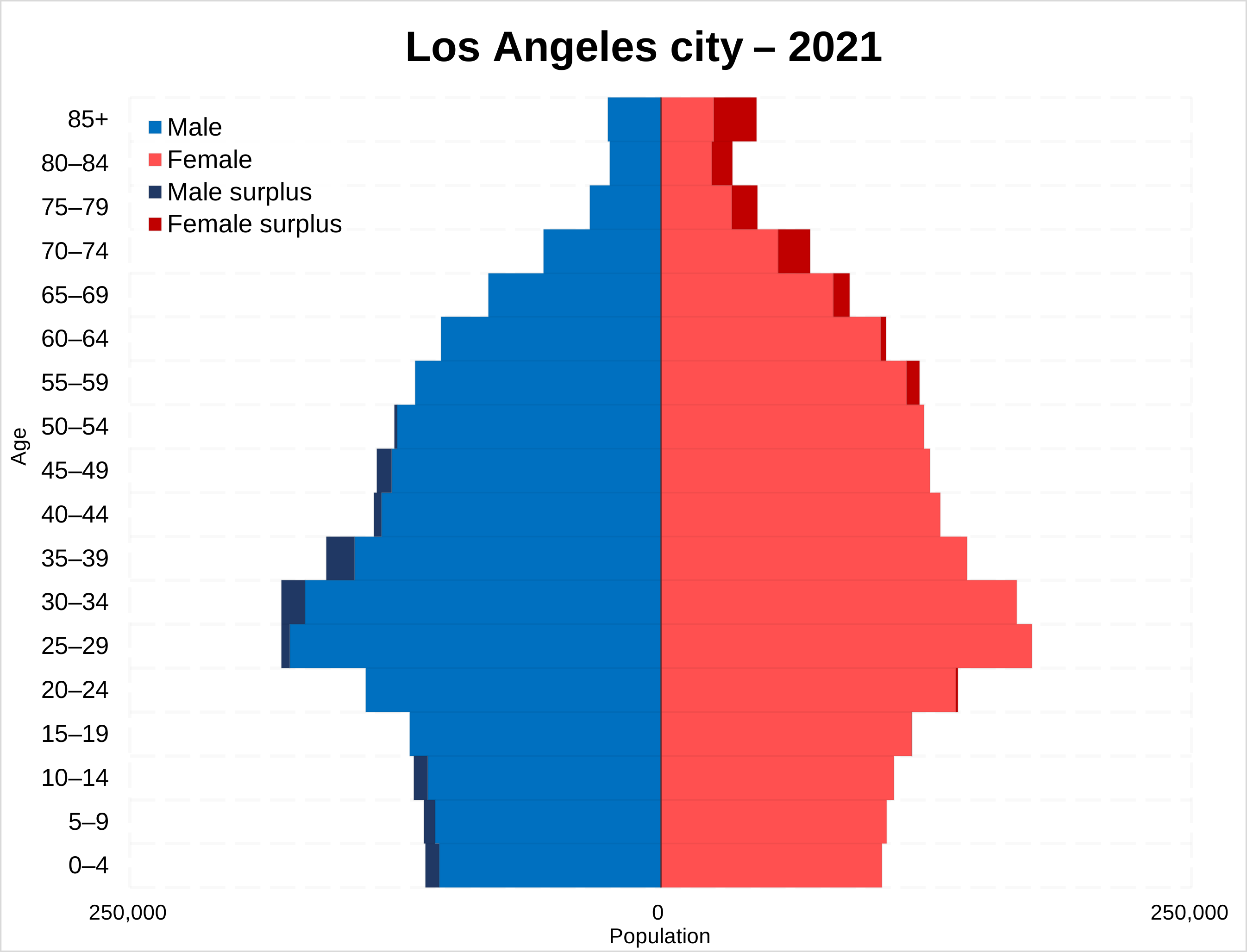
At its core, the city of [Los Angeles] proper boasts a population of approximately 3.8 million residents, making it the second-most populous city in the [United States] after [New York City]. However, this figure only tells part of the story. When we consider the broader [Los Angeles County], the population swells to nearly 10 million people. Furthermore, the expansive [Los Angeles]-Long Beach-Anaheim Combined Statistical Area, which encompasses several distinct counties, is home to a staggering 18.5 million individuals, forming one of the largest megacities in the Western Hemisphere. This immense concentration of people creates a dynamic urban environment unlike any other, directly influencing the travel, tourism, and lifestyle experiences that define a visit to this iconic destination. For anyone planning a trip, understanding this demographic scale is key to navigating its sprawling landscapes, appreciating its cultural depth, and finding the perfect place to stay.
The Dynamic Demographics of a Global Metropolis
The raw numbers of [Los Angeles]’s population are impressive, but the true impact comes from its composition. This city is a living, breathing testament to global diversity, a melting pot where cultures from every corner of the world converge. This demographic richness is not just a statistical footnote; it is the very engine that drives [Los Angeles]’s unique appeal as a travel destination and shapes the everyday [lifestyle] of its residents and visitors.
A Melting Pot of Cultures and Influences
[Los Angeles] is renowned globally as one of the most ethnically diverse cities, and this diversity is a primary driver of its vibrant local culture and myriad experiences. Over 140 nationalities are represented here, speaking more than 224 different languages. This incredible cultural mosaic means that a trip to [Los Angeles] can feel like a journey around the world itself. From the bustling streets of [Chinatown] to the vibrant markets of [Little Ethiopia], the colorful murals of [Olvera Street], and the authentic flavors of [Koreatown], each neighborhood offers a distinct cultural immersion.For travelers, this translates into an unparalleled array of culinary experiences. The city’s food scene is a direct reflection of its population, offering everything from authentic Mexican street tacos and Vietnamese pho to Ethiopian stews, Japanese sushi, and gourmet [restaurants] featuring fusions from every continent. Exploring the local cuisine becomes a profound way to engage with the city’s diverse heritage. Beyond food, this cultural richness fuels a calendar packed with festivals, art exhibitions, and community events that celebrate traditions from [Asia], [Europe], [Latin America], and beyond. This profound intermingling of traditions creates a stimulating environment that constantly reinvents itself, offering endless [activities] and unique insights into global [local culture].
Urban Sprawl and Distinct Neighborhoods
The sheer scale of [Los Angeles]’s population has naturally led to its expansive urban sprawl, covering a vast geographical area. Rather than a singular, compact urban core, [Los Angeles] is a collection of distinct cities and neighborhoods, each with its own character, attractions, and vibe. This decentralization means that understanding the city involves understanding its many parts.
- Hollywood: The undisputed global capital of entertainment, drawing millions with its iconic [Hollywood Walk of Fame], historic theaters, and the famed [Hollywood Sign].
- Beverly Hills: Synonymous with luxury and glamour, offering high-end shopping on [Rodeo Drive] and opulent [hotels].
- Santa Monica: A quintessential beach city boasting the historic [Santa Monica Pier], a vibrant downtown, and stunning [Pacific Ocean] views. [Loews Santa Monica Beach Hotel] provides a luxurious stay right by the ocean.
- Venice Beach: Known for its eclectic boardwalk, street performers, and bohemian spirit.
- Downtown Los Angeles (DTLA): A revitalized hub featuring architectural marvels like the [Walt Disney Concert Hall], numerous museums, a burgeoning arts scene, and a plethora of modern [suites] and [apartments] for accommodation. [Hotel Figueroa] stands as a landmark of history and art in this district.
- Pasadena: East of downtown, famous for its historic architecture, the [Rose Bowl Stadium], and cultural institutions.
These are just a few examples among dozens of unique areas. For visitors, this means that selecting the right neighborhood for accommodation is crucial to experiencing the specific type of [Los Angeles] trip they desire. Whether it’s the buzz of urban [Downtown Los Angeles], the serenity of a beachfront [resort] in [Santa Monica], or the glitz of [Beverly Hills], the population distribution has created a rich tapestry of choices, catering to every travel style and preference.
Population’s Impact on Travel and Tourism Infrastructure
The enormous population of [Los Angeles], combined with its status as a premier global destination, places immense demands on its infrastructure. This influences everything from the availability and type of accommodation to transportation logistics and the very flow of tourist experiences.
Accommodation for Millions: A Diverse Landscape
With millions of residents and a steady influx of tourists, [Los Angeles] has developed an extraordinarily diverse and competitive accommodation market. The city caters to every imaginable budget and preference, a direct response to the needs of its vast population and visitor base.
- Luxury Hotels and Resorts: For those seeking an opulent [lifestyle], [Los Angeles] offers some of the world’s most iconic luxury establishments. The [Beverly Wilshire, A Four Seasons Hotel], for instance, offers unparalleled service and a prime location in [Beverly Hills]. Another prime example of high-end offerings is the [Waldorf Astoria Beverly Hills], known for its sophisticated amenities. These establishments cater not only to discerning travelers but also to the city’s affluent residents and business visitors.
- Boutique Hotels: Smaller, stylish hotels focused on unique design and personalized [experiences] have proliferated in areas like [West Hollywood], [Downtown Los Angeles], and [Silver Lake], reflecting the city’s creative spirit. [The London West Hollywood at Beverly Hills] offers a blend of luxury and boutique charm.
- Business-Oriented Stays: With its robust economy and position as a global commerce hub, [Los Angeles] also has a significant number of [hotels] catering to [business stays], particularly in [Downtown Los Angeles] and near major corporate centers. These often feature extensive [amenities] like conference rooms, high-speed internet, and executive lounges.
- Apartments and Villas for Longer Stays: The large population also means a robust market for [long-term stay] accommodation, including serviced [apartments] and [villas], particularly appealing to film industry professionals, digital nomads, and families on extended trips. Platforms dedicated to [booking] these types of accommodations are essential for both residents needing temporary housing and visitors seeking a home-away-from-home.
- Budget-Friendly Options: While [Los Angeles] can be expensive, the sheer volume of visitors ensures a range of [budget travel] options, including hostels and more affordable [hotels], particularly in areas like [Hollywood] and near major transport hubs. [Comparison] tools are invaluable for finding the best deals across this wide spectrum.

The sheer volume of accommodation options reflects the complex demands of a city that hosts millions of residents and draws millions more in tourists. Each choice offers a different window into the [Los Angeles] experience, allowing visitors to tailor their stay precisely to their needs and interests.
Navigating a Bustling Metropolis
The population density and vastness of [Los Angeles] present unique challenges and opportunities for transportation. The city is famously known for its traffic, a direct consequence of its millions of residents and the reliance on personal vehicles. For travelers, understanding this dynamic is essential for efficient movement and maximizing sightseeing time.
While historically car-centric, [Los Angeles] has invested significantly in expanding its public transportation network. The [Metro Rail] system, comprising subway and light rail lines, connects key areas such as [Downtown Los Angeles], [Hollywood], [Pasadena], and [Santa Monica], offering an increasingly viable alternative to driving. Buses also crisscross the city, providing comprehensive coverage. Utilizing these services, especially during peak hours, can save visitors from the frustration of congestion and parking woes. Travel [guides] often emphasize the importance of planning routes in advance and considering ridesharing services for greater convenience, especially for late-night outings or trips to less accessible areas. The sprawling nature of the city, driven by its population, necessitates a thoughtful approach to getting around, making transport [tips] invaluable.
Culinary Diversity and Foodie Culture
The vibrant and diverse population of [Los Angeles] is arguably best expressed through its world-renowned culinary scene. This city is a paradise for food lovers, where every neighborhood offers a distinct gastronomic adventure, directly shaped by the cultural heritage of its residents.
From Michelin-starred fine dining establishments showcasing innovative Californian cuisine to humble, authentic food trucks serving up regional specialties from [Mexico], [Central America], and [Asia], the options are limitless. The sheer number of people from different backgrounds means a constant demand for authentic flavors from home, leading to a rich tapestry of eateries that cater to every palate. Visitors can embark on culinary tours, explore vibrant food markets, or simply wander through neighborhoods like [Koreatown] or [Little Tokyo] to discover hidden gems. This culinary richness is a cornerstone of the [tourism] experience in [Los Angeles], offering a delicious insight into its [local culture] and making every meal an adventure in itself.
Landmarks and Lifestyle Shaped by Population
The scale of [Los Angeles]’s population profoundly impacts its most famous [landmarks] and defines the varied [lifestyle] opportunities available within the city. These elements are inextricably linked, creating a unique urban fabric that visitors find endlessly fascinating.
Iconic Attractions and Their Crowds
The world-famous [attractions] of [Los Angeles] draw immense crowds, a combination of both its millions of residents and the millions of tourists who flock to the city annually. This high volume of visitors shapes the experience at these iconic sites.
- Universal Studios Hollywood: As one of the most popular theme parks, it attracts huge numbers seeking thrills and immersive entertainment. The large population ensures a steady stream of local visitors year-round, alongside international tourists.
- Griffith Observatory: Offering breathtaking panoramic views of the city skyline, the [Hollywood Sign], and the [Pacific Ocean], it’s a favorite for both residents and tourists, especially at sunset. The crowds here are a testament to its universal appeal.
- The Getty Center: An architectural marvel housing significant art collections, it offers stunning views and serene gardens. Its popularity amongst the local population, combined with its draw for international art enthusiasts, makes it a consistently visited landmark.
- Museum Row (Wilshire Boulevard): Featuring institutions like the [Los Angeles County Museum of Art (LACMA)] and the [La Brea Tar Pits and Museum], this stretch caters to both residents seeking cultural enrichment and tourists exploring the city’s artistic side.
- Santa Monica Pier: A classic landmark offering amusement park rides, restaurants, and entertainment, it’s a bustling hub for both tourists and locals enjoying the Californian beach [lifestyle].
To manage the crowds and enhance the visitor experience, many attractions recommend or require advance [booking] for tickets, especially during peak seasons. Strategies like early morning visits or utilizing fast-pass options become crucial [tips] for navigating these popular spots effectively. The sheer volume of people ensures these landmarks remain vibrant and alive, but also necessitates smart planning.

The Diverse Los Angeles Lifestyle
The large and varied population of [Los Angeles] has cultivated an incredibly diverse range of [lifestyle] options, from the laid-back beach culture to the high-energy entertainment industry and the health-conscious wellness movement. This means that [Los Angeles] offers something for every type of traveler and resident.
For many, the [Los Angeles] lifestyle is synonymous with outdoor activity. From hiking trails in [Runyon Canyon Park] to surfing in [Malibu], and cycling along the beach paths, the climate and natural surroundings encourage an active life. This influences the types of businesses, [food] options, and wellness centers that thrive in the city. The entertainment industry, with its countless jobs and creative energy, also defines a significant aspect of the [Los Angeles] [lifestyle], drawing aspiring artists, actors, and filmmakers from around the globe. This concentration of creative talent fosters a vibrant arts scene, from independent film screenings to live music venues.
Families visiting [Los Angeles] will find a myriad of family-friendly [activities], from the interactive exhibits at the [California Science Center] to nearby theme parks like [Disneyland Park] (though located in [Anaheim], it’s a major draw for [Los Angeles] visitors). For those seeking [luxury travel], the city offers exclusive spas, high-end shopping, and private [villas] for an unparalleled experience. The constant movement of people into and out of [Los Angeles] fuels a dynamic job market and a thriving cultural scene, ensuring that the city remains at the forefront of trends in entertainment, fashion, and technology.
In conclusion, the population of [Los Angeles, California] is far more than a statistic; it is the beating heart of a city that constantly reinvents itself. With nearly 3.8 million people in the city proper and close to 10 million in [Los Angeles County], this demographic powerhouse dictates the city’s sprawling geography, its incredible cultural diversity, its unparalleled culinary scene, and the sheer volume and variety of its travel and [tourism] infrastructure. For every traveler, understanding the magnitude and composition of [Los Angeles]’s population provides invaluable context, enriching the journey and revealing the complex, vibrant soul of this global destination. From selecting the perfect [accommodation] to navigating its iconic [landmarks], the presence of millions is the defining characteristic of the [Los Angeles] experience.
LifeOutOfTheBox is a participant in the Amazon Services LLC Associates Program, an affiliate advertising program designed to provide a means for sites to earn advertising fees by advertising and linking to Amazon.com. Amazon, the Amazon logo, AmazonSupply, and the AmazonSupply logo are trademarks of Amazon.com, Inc. or its affiliates. As an Amazon Associate we earn affiliate commissions from qualifying purchases.