
Los Angeles, often referred to simply as L.A., is a sprawling metropolis in southern California, renowned for its glamorous entertainment industry, diverse cultural landscape, and an enviable climate that draws millions of visitors each year. For anyone planning a trip, one of the first questions that comes to mind is often, “What is the temperature in Los Angeles, California?” The answer, while seemingly straightforward, reveals a fascinating complexity influenced by geography, microclimates, and the changing seasons, all of which profoundly impact the ideal travel experience.
Understanding Los Angeles’s weather is key to maximizing your enjoyment of its vast array of destinations, attractions, and experiences. From the sun-drenched beaches of Santa Monica to the bustling streets of Downtown LA and the iconic hills of Hollywood, the weather dictates everything from what to pack to the best time for specific activities. This comprehensive guide delves into the nuances of L.A.’s climate, offering insights into its seasonal variations, unique microclimates, and practical advice for travelers looking to embrace the California lifestyle.

Understanding Los Angeles’s Mediterranean Climate
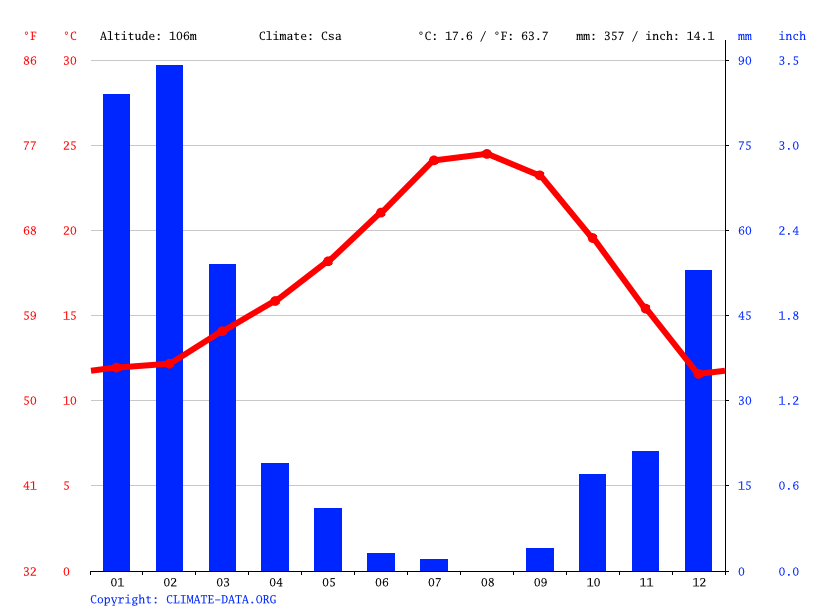
Los Angeles is famous for its Mediterranean climate, characterized by warm, dry summers and mild, wet winters. This type of climate is relatively rare globally, making L.A.’s weather a significant draw. The city enjoys an average of 284 sunny days per year, with temperatures that generally remain pleasant throughout most of the year. However, “pleasant” can mean different things to different people, and understanding the specific characteristics of each season is crucial for planning.
The city’s proximity to the Pacific Ocean plays a pivotal role in moderating coastal temperatures, while inland areas experience greater temperature extremes. This dynamic creates a patchwork of microclimates, where conditions can vary significantly over short distances. For travelers, this means packing versatile clothing and being prepared for shifts in temperature depending on where your day’s adventures take you. Whether you’re exploring landmarks or indulging in local food, understanding the climate is your first step to a successful trip.
Seasonal Weather Breakdown
Each season in Los Angeles offers a distinct atmospheric flavor, influencing the types of activities and packing essentials required.
Winter (December to February)
Winter in Los Angeles is generally mild, with average daytime temperatures ranging from the low to mid-60s Fahrenheit (15-18°C). Nights can dip into the low 40s (4-9°C). This is the wettest season, with occasional rain showers, though extended periods of heavy rain are uncommon. Despite the rain, sunny days are still frequent, making it a comfortable time for sightseeing and exploring indoor attractions. It’s also an excellent time to find better deals on accommodation and experience fewer crowds at popular tourist spots.
Spring (March to May)
Spring brings increasingly warm and sunny weather, with average temperatures climbing into the high 60s and low 70s Fahrenheit (19-23°C). Rainfall decreases significantly, and the days become longer and brighter. The famous “May Gray” and “June Gloom” phenomena can occur, where a marine layer of clouds covers the coast in the mornings, often burning off to reveal sunny afternoons. This season is ideal for outdoor activities, from hiking in Griffith Park to enjoying the blossoming gardens, before the peak summer heat sets in.
Summer (June to August)
Summers in Los Angeles are hot and very dry, with virtually no rainfall. Average daytime temperatures range from the high 70s to the mid-80s Fahrenheit (25-30°C), but heatwaves pushing temperatures into the 90s (32°C+) are not uncommon, especially in inland areas. Coastal regions benefit from cooling ocean breezes, making beach destinations like Malibu and Venice Beach incredibly popular. This is peak travel season, so expect larger crowds and higher prices for hotels and flights.
Autumn (September to November)
Autumn often sees some of the most pleasant weather in Los Angeles, with warm temperatures extending well into October. Daytime averages hover in the low to mid-70s Fahrenheit (21-25°C), and the skies are typically clear. The air can be quite dry, and occasional Santa Ana winds can bring gusts of hot, dry air from inland deserts, sometimes leading to temporary spikes in temperature and increased fire risk. This season offers a wonderful balance, with warm days perfect for outdoor exploration and cooler evenings ideal for dining al fresco.
Microclimates: Coast vs. Inland Valleys
One of the most intriguing aspects of Los Angeles’s climate is its dramatic microclimates. Due to its varied topography, including coastal plains, mountain ranges like the San Gabriel Mountains, and inland valleys, the temperature can vary by as much as 20 degrees Fahrenheit (11°C) within a short drive.
- Coastal Areas: Regions like Santa Monica, Malibu, and Palos Verdes enjoy the moderating influence of the Pacific Ocean. Temperatures here are generally cooler, especially in summer, with milder nights. Fog and marine layer clouds are more common, particularly in spring and early summer mornings. These areas are ideal for those seeking a respite from the inland heat.
- Inland Valleys: Areas such as the San Fernando Valley (e.g., Burbank, Woodland Hills) and the San Gabriel Valley experience much hotter summers and cooler winters. The ocean’s influence is significantly diminished, leading to greater temperature extremes, sometimes mirroring desert conditions. During summer heatwaves, these regions can reach triple-digit temperatures, reminiscent of places like Death Valley, though typically with lower humidity.
- Downtown Los Angeles: Downtown LA typically falls somewhere in between, benefiting from some ocean breeze influence but still experiencing warmer conditions than the immediate coast. Its urban landscape also contributes to a “heat island” effect, where concrete and buildings absorb and re-emit heat.
Preparing for LA’s Weather: What to Pack
Given the microclimates and seasonal shifts, packing for Los Angeles requires a strategic approach. Layering is always recommended, regardless of the season.
- Summer: Lightweight, breathable clothing (cotton, linen), shorts, t-shirts, swimwear. Evenings can still be cool by the coast, so a light jacket or sweater is a good idea. Sunscreen, hats, and sunglasses are essential.
- Winter: Layers are crucial. Long-sleeved shirts, sweaters, and a medium-weight jacket are suitable for most days. For evenings, a warmer coat might be necessary, especially inland. Bring an umbrella and waterproof shoes for rainy days.
- Spring & Autumn: These shoulder seasons are ideal for versatile packing. Jeans, light trousers, t-shirts, and blouses are perfect. Always have a light to medium jacket or cardigan on hand for cooler mornings, evenings, or coastal visits.
Regardless of the time of year, comfortable walking shoes are a must for exploring the city’s vast landmarks and diverse neighborhoods.
How LA’s Weather Shapes Your Travel Experience
The consistent, pleasant weather in Los Angeles significantly enhances its appeal as a prime travel destination. The year-round sunshine facilitates a wide array of outdoor activities and makes exploring the city’s iconic attractions a joy. From beach days to urban adventures, the climate plays a crucial role in shaping the rhythm of life and tourism in the city.

Best Times to Visit for Specific Activities
Understanding the weather patterns helps visitors plan their itineraries to align with their preferred activities.
- Beach Trips: Summer is the quintessential beach season, with warm ocean temperatures perfect for swimming, surfing, and sunbathing at Santa Monica Beach or Malibu Lagoon State Beach. Spring and early autumn also offer pleasant beach days with fewer crowds.
- Hiking: Spring and autumn provide ideal conditions for hiking in popular spots like Runyon Canyon Park or the trails around Griffith Observatory. The temperatures are mild, and the scenery is often lush after winter rains. Even winter offers good hiking opportunities on clear, cool days.
- Theme Parks: Disneyland Park and Universal Studios Hollywood are open year-round. Visiting during the shoulder seasons (spring and autumn) can mean shorter lines and more comfortable temperatures compared to the summer heat. Winter also offers pleasant temperatures, often accompanied by festive holiday decorations.
- Cultural Events and City Exploration: Any time of year is suitable for exploring L.A.’s museums, galleries, and vibrant neighborhoods. The mild winters make indoor cultural attractions very appealing, while spring and autumn are perfect for strolling through Downtown LA or browsing shops on Rodeo Drive.
Navigating LA’s Diverse Attractions
Los Angeles’s diverse landscape means a myriad of attractions awaiting exploration, from iconic landmarks to hidden gems.
- Hollywood’s Allure: The home of moviemaking, Hollywood boasts the Hollywood Walk of Fame, the TCL Chinese Theatre, and the iconic Hollywood Sign. Weather conditions typically allow for comfortable exploration of these outdoor landmarks almost year-round. Consider visiting Griffith Observatory for stunning panoramic views, especially at sunset.
- Beverly Hills Luxury: Experience the opulence of Beverly Hills, with its high-end boutiques on Rodeo Drive and luxurious hotels. Shopping and leisurely strolls are enjoyable in most weather, though intense summer heat might make indoor browsing more appealing.
- Downtown LA’s Urban Pulse: Downtown LA has undergone a significant revitalization, offering vibrant arts districts, historical landmarks like Grand Central Market, and world-class museums such as The Broad and the Museum of Contemporary Art (MOCA). The urban environment can feel warmer than the coast, so plan visits to indoor attractions during the hottest parts of summer days.
- Coastal Charms: The beaches and piers of Santa Monica and Malibu offer a quintessential California experience. Walk or cycle along the Santa Monica Pier, explore the shops and street performers of Venice Beach, or enjoy a meal with ocean views from Malibu Pier. The cooling sea breezes make these areas particularly enjoyable during warm months.
Accommodation and Lifestyle Under the California Sun
Los Angeles is not just a place to visit; it’s a lifestyle. The city’s perpetual sunshine influences everything from its architecture to its vibrant outdoor food scene. When considering accommodation, travelers have a wealth of options, from opulent resorts to cozy apartments, each offering a unique way to experience the L.A. way of life.
Choosing Your Stay: Hotels, Resorts, and More
The choice of accommodation in Los Angeles is as diverse as the city itself, catering to every budget and preference. Many hotels and resorts leverage the pleasant climate with outdoor pools, al fresco dining, and stunning views.
- Luxury Options: For an indulgent experience, consider iconic hotels like The Beverly Hills Hotel or Hotel Bel-Air, known for their exquisite service, lavish suites, and beautiful grounds. Many luxury properties offer amenities like spa services and gourmet dining, perfect for a luxury travel experience.
- Boutique Hotels: Smaller, stylish hotels like The London West Hollywood or those in Silver Lake and Arts District provide a more intimate and unique experience, often reflecting the local culture and artistic flair.
- Budget-Friendly Stays: For those on a budget travel plan, numerous motels, hostels, and more affordable hotels can be found throughout the city, particularly in areas like Hollywood and near major transport hubs. Look for options with good reviews and convenient access to public transportation to save on travel costs.
- Vacation Rentals: Apartments and villas available for short-term long-term stay offer a more local experience, often with kitchen facilities and more space, ideal for family trips or extended visits. Websites specializing in vacation rentals provide options for every need, allowing for personalized booking and comparison.
When booking your accommodation, consider the proximity to your planned activities and the type of atmosphere you prefer. Coastal areas offer ocean breezes and beach access, while Downtown LA provides easy access to cultural attractions and business centers for business stays.
Embracing the Los Angeles Lifestyle
The mild climate profoundly influences the lifestyle in Los Angeles, fostering an emphasis on outdoor living, health, and wellness.
- Dining Experiences: L.A. is a culinary paradise, boasting everything from celebrity chef restaurants to vibrant food trucks. The pleasant weather encourages extensive outdoor dining, with countless patios and rooftop restaurants offering fantastic ambiance. Explore diverse cuisines, from farm-to-table eateries in Santa Monica to authentic ethnic food in Koreatown or Little Ethiopia.
- Outdoor Activities: Locals and visitors alike take advantage of the sunny days for myriad outdoor pursuits. Surfing and paddleboarding are popular along the coast, while cycling paths line the beaches and parks. Hiking trails abound, offering stunning cityscapes and natural beauty. Consider a leisurely bike ride along the Marvin Braude Beach Trail from Will Rogers State Beach to Torrance Beach.
- Family Adventures: Los Angeles is a fantastic destination for family trips. Beyond theme parks, families can enjoy the Los Angeles Zoo, the California Science Center (home to the Space Shuttle Endeavour), or a day exploring the interactive exhibits at the Santa Monica Pier Aquarium. The comfortable weather makes exploring with children much easier.
- Business Travel Considerations: For those on business stays, Los Angeles offers a vibrant environment. The pleasant weather allows for comfortable commutes and enjoyable after-work activities. Many hotels cater to business travelers with excellent amenities, meeting spaces, and convenient access to airports and convention centers.
Planning Your Perfect Los Angeles Trip
Armed with an understanding of Los Angeles’s climate and its influence on travel and lifestyle, you’re well-equipped to plan an unforgettable journey to this iconic United States city.
Essential Travel Tips
A few strategic tips can enhance your trip planning:
- Transportation: While public transit options are improving, Los Angeles is notoriously car-centric. Renting a car offers the most flexibility for exploring the far-flung destinations and diverse microclimates. However, be prepared for traffic, especially during peak hours. Ride-sharing services are also widely available. For specific areas, walking or biking can be a pleasant way to get around, particularly in walkable neighborhoods like Santa Monica or Hollywood.
- Booking in Advance: Especially during peak season (summer) or around major events, it’s wise to book accommodation, flights, and popular attractions well in advance. This ensures you get your preferred choices and often better rates, especially for hotels and resorts.
- Flexibility: While planning is important, being flexible allows you to adapt to any unexpected weather changes (though rare for L.A.) or discover new experiences on the fly. Don’t be afraid to veer off your initial itinerary to explore a charming neighborhood or enjoy an impromptu beach day.
In conclusion, the temperature in Los Angeles, California is generally mild and inviting, making it an appealing destination throughout the year. Its Mediterranean climate offers warm, sunny summers and gentle winters, punctuated by fascinating microclimates that add to its allure. By understanding these nuances, travelers can expertly navigate L.A.’s diverse attractions, choose the perfect accommodation, and fully immerse themselves in the vibrant, sun-drenched lifestyle that makes Los Angeles a truly unique global city. Whether you seek thrilling theme parks, serene beaches, cultural immersion, or simply endless sunshine, Los Angeles promises an unforgettable travel adventure.
LifeOutOfTheBox is a participant in the Amazon Services LLC Associates Program, an affiliate advertising program designed to provide a means for sites to earn advertising fees by advertising and linking to Amazon.com. Amazon, the Amazon logo, AmazonSupply, and the AmazonSupply logo are trademarks of Amazon.com, Inc. or its affiliates. As an Amazon Associate we earn affiliate commissions from qualifying purchases.