
Beyond the simple ticking of a clock, understanding “what time it is in Southern California” is far more profound for travelers, businesses, and anyone planning to engage with this vibrant region. It’s a question that unlocks the rhythm of daily life, informs travel itineraries, and dictates the pace of an unforgettable visit. Southern California, a coveted destination renowned for its sun-kissed beaches, iconic landmarks, and diverse lifestyle, operates on a time zone that influences everything from flight schedules and hotel check-ins to the optimal time for catching a sunset or exploring world-class attractions. For those venturing to this dynamic corner of the United States, a grasp of its temporal pulse is not just a convenience, but a crucial element for seamless travel and maximizing every moment of their experience.
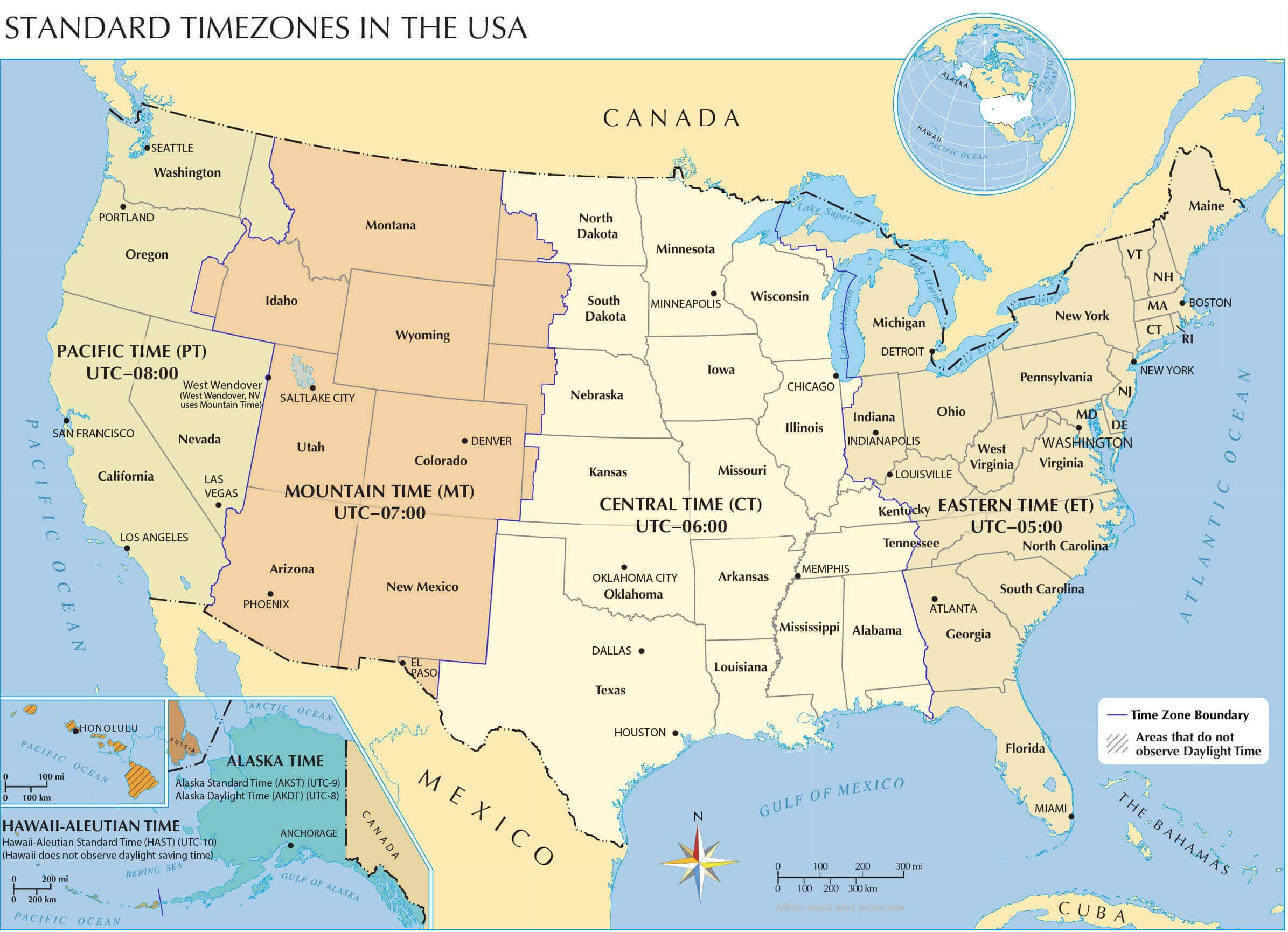
This comprehensive guide will delve into the intricacies of Southern California’s time zone, offering insights into its practical implications for visitors. We’ll explore how daylight saving time impacts your stay, provide strategies for combating jet lag, and offer tips for planning your days to fully immerse yourself in the region’s boundless offerings, from the bustling streets of Los Angeles to the serene shores of San Diego. Whether you’re a first-time visitor or a seasoned explorer, understanding the temporal heartbeat of Southern California is your first step towards a truly enriching journey.
Navigating Time Zones in Southern California
The fundamental answer to “what time is it in Southern California?” lies within its designated time zone. This understanding is paramount for any traveler, as it directly impacts arrival times, activity scheduling, and communication with the outside world.
Pacific Standard Time (PST) vs. Pacific Daylight Time (PDT)
Southern California primarily observes Pacific Standard Time (PST) during the winter months and Pacific Daylight Time (PDT) during the warmer seasons.
- Pacific Standard Time (PST) is UTC-8, meaning it is eight hours behind Coordinated Universal Time. This is in effect from early November to mid-March.
- Pacific Daylight Time (PDT) is UTC-7, seven hours behind Coordinated Universal Time. This shift occurs during Daylight Saving Time, which typically begins on the second Sunday in March and ends on the first Sunday in November. During this period, clocks are moved forward by one hour, effectively “gaining” an hour of daylight in the evening.
This annual adjustment, while common in many parts of the United States, can sometimes catch travelers off guard. Always confirm whether Southern California is observing PST or PDT, especially if your trip spans a Daylight Saving Time transition.
Comparing Southern California’s time zone to others across the globe highlights the potential for significant differences. For instance, it is three hours behind Eastern Standard Time (EST/EDT) in New York and six hours behind Greenwich Mean Time (GMT) in London. Travelers arriving from distant locations, such as Europe or Asia, will face even greater time differentials, making pre-trip planning and in-flight adjustments crucial.
The Immediate Impact for Travelers
The time in Southern California has direct and immediate consequences for various aspects of your trip:
- Arrivals and Departures: Flight schedules are meticulously planned according to the local time zone. When booking flights to major hubs like Los Angeles International Airport (LAX) or San Diego International Airport (SAN), ensure you’ve accounted for the time difference from your departure city. Arriving mentally prepared for the local time will ease your transition through customs, baggage claim, and ground transportation. Similarly, when departing, allow ample time for check-in and security, always adhering to the local time zone.
- Hotel Check-in/Check-out: Most accommodation options, from boutique hotels in Beverly Hills to luxury resorts in Laguna Beach, have standardized check-in times (often 3 PM or 4 PM) and check-out times (usually 11 AM or 12 PM). Being aware of the local time when you land will help you manage your arrival, especially if you anticipate an early arrival or late departure. Many hotels offer luggage storage, allowing you to begin exploring while awaiting your room or after checking out.
- Scheduling Tours and Activities: Whether you plan to spend a magical day at Disneyland Park in Anaheim, embark on a Hollywood Studio Tour, or book a whale-watching excursion off the coast of Dana Point, these experiences operate on fixed schedules. Missing a tour due to a time zone miscalculation can be disappointing and costly. Double-check all booking confirmations for local times and plan your travel to and from the activity with sufficient buffer time. The vibrant tourism scene in Southern California runs like clockwork, and being in sync with it ensures you make the most of every opportunity.
Optimizing Your Southern California Experience with Time Management
Beyond simply knowing the time, strategically managing your time is key to unlocking the full potential of your Southern California adventure. This involves not only planning your itinerary but also understanding how your body adjusts to the new temporal rhythm.
Beating Jet Lag and Maximizing Your Days

For many travelers, especially those arriving from the East Coast of the United States or international destinations, jet lag can be a significant hurdle. Southern California’s PST/PDT can be a stark contrast to their home time zones, causing fatigue, disrupted sleep patterns, and reduced energy. However, with a few proactive steps, you can minimize its effects and fully enjoy your days:
- Pre-Adjust Gradually: If possible, begin shifting your sleep schedule a few days before your trip. Start going to bed an hour earlier or later (depending on the direction of your travel) to gently nudge your body towards Southern California time.
- Hydrate, Hydrate, Hydrate: Drink plenty of water before, during, and after your flight. Dehydration can exacerbate jet lag symptoms. Avoid excessive alcohol and caffeine, which can disrupt sleep.
- Embrace Sunlight: Upon arrival, seek out natural light, especially in the morning. Sunlight helps reset your body’s internal clock. Spend time outdoors, perhaps enjoying a morning stroll along Santa Monica Beach or exploring Balboa Park in San Diego.
- Stay Active (Mildly): Gentle exercise, like walking, can help reduce fatigue and promote better sleep. Avoid strenuous workouts immediately upon arrival.
- Stick to Local Time: As soon as you land, try to adapt to the local time for meals and sleep, even if you feel tired. Taking short naps (20-30 minutes) if absolutely necessary can help, but avoid long naps that interfere with nighttime sleep.
- Prioritize Rest on Arrival: Consider a less demanding schedule for your first day. Instead of hitting the most strenuous attractions, opt for a relaxing beach day in Malibu or a leisurely museum visit at the Getty Center.
- Maximize Early Mornings or Late Evenings: Once adjusted, you can leverage the time difference to your advantage. Early risers might enjoy popular attractions with fewer crowds or witness breathtaking sunrise views over the Pacific Ocean. Conversely, for those who adapt quickly to the later evenings, Southern California’s vibrant nightlife in Hollywood or the Gaslamp Quarter awaits.
Booking and Communication Across Time Zones
The time difference isn’t just about your internal clock; it also plays a critical role in your logistical planning and communication.
- Seamless Booking Experience: When reserving accommodation, dining reservations, car rentals, or tours from a different time zone, always be mindful of the local time in Southern California. A 9 AM tour in San Diego would be 12 PM EST, so scheduling calls or online bookings requires careful conversion. Many online booking platforms automatically adjust to your local time, but it’s always wise to double-check the time zone specified in the confirmation. For long-term stays or more complex arrangements, direct communication with providers might involve coordinating call times.
- Staying Connected (Personal & Business Travel): For family trips, you’ll want to communicate with loved ones back home. For business stays, coordinating meetings or calls with colleagues in other time zones is essential. Use time zone converter apps or websites to easily determine the best window for communication. Be considerate of your contacts’ sleep schedules, especially when calling international numbers. For remote workers, Southern California’s PST/PDT can offer a unique advantage, allowing for early morning work sessions before East Coast colleagues are awake, or late evening collaborations with Asia.
- Emergency Preparedness: In the unlikely event of an emergency, knowing the local time and how it relates to contacts in other regions can be vital. Ensure you have emergency contact numbers readily accessible and consider sharing your itinerary with someone back home who can monitor your whereabouts.
Time-Sensitive Exploration: Southern California’s Diverse Attractions
Understanding the time in Southern California allows you to meticulously plan your itinerary, ensuring you experience the best the region has to offer at the most opportune moments. From bustling theme parks to tranquil beaches, timing can significantly enhance your visit.
Day and Night Experiences in Iconic Cities
Southern California’s major cities transform from day to night, each offering distinct experiences that are best enjoyed during specific hours:
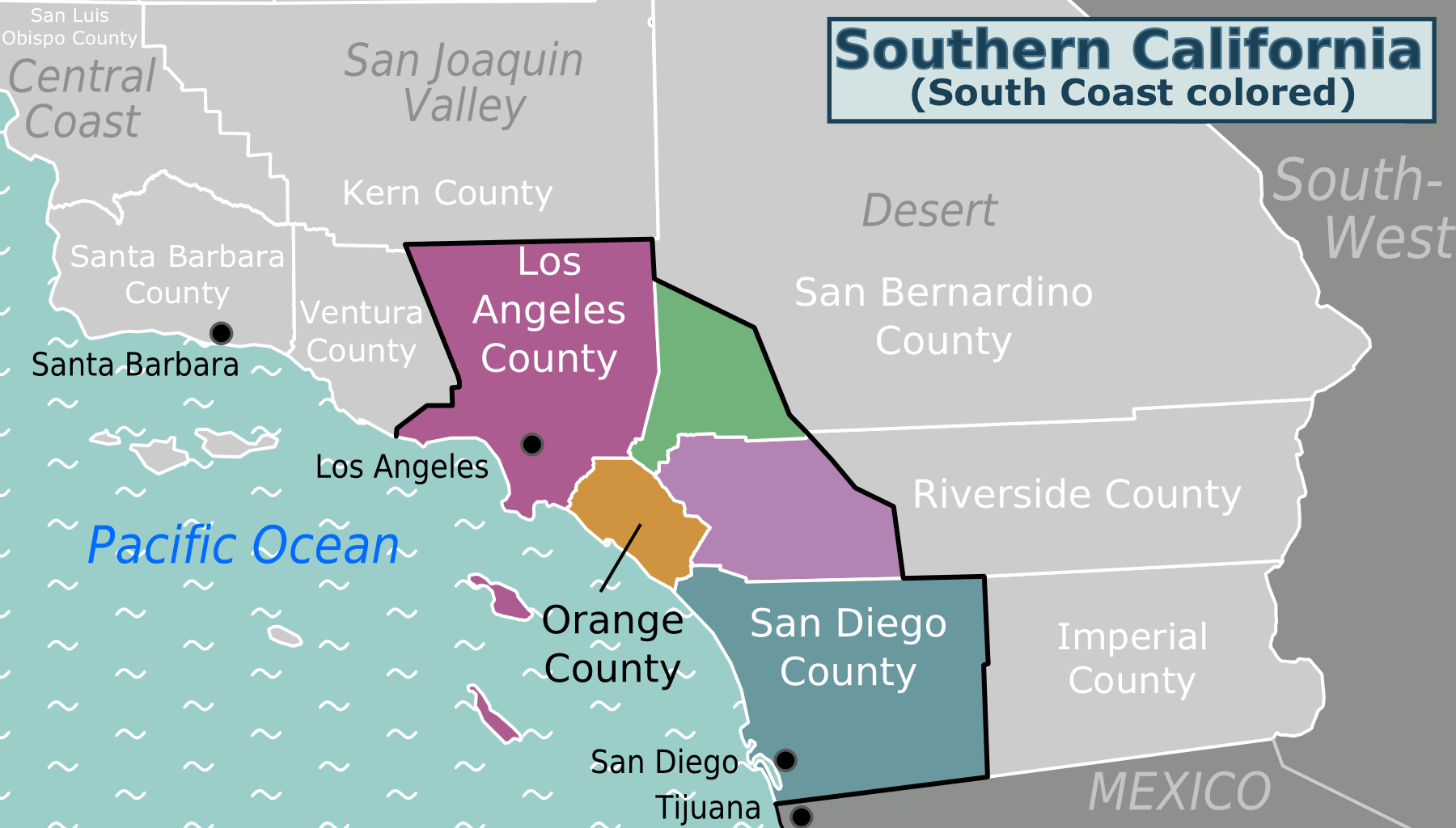
- Los Angeles: The City of Angels
- Daytime: Begin your day early to beat the notorious Los Angeles traffic and crowds. Morning is ideal for exploring the exhibits at the Getty Center or hiking the trails to the Hollywood Sign. Mid-day might involve high-end shopping on Rodeo Drive in Beverly Hills or a visit to Universal Studios Hollywood for thrilling rides and studio tours. Don’t forget to stroll the historic Hollywood Walk of Fame.
- Nighttime: As evening approaches, head to the Griffith Observatory for panoramic city views and stargazing. The vibrant nightlife of West Hollywood or a show at the Walt Disney Concert Hall offer perfect evening entertainment. A sunset walk or Ferris wheel ride at Santa Monica Pier provides classic Southern California charm.
- San Diego: California’s Beach City
- Daytime: Mornings in San Diego are perfect for exploring the lush gardens and world-class museums of Balboa Park, home to the famous San Diego Zoo. A sunny afternoon might be spent at Coronado Beach or visiting the USS Midway Museum.
- Nighttime: The historic Gaslamp Quarter comes alive in the evening with its array of restaurants, bars, and entertainment venues. For a more relaxed evening, enjoy dinner with a view of San Diego Bay.
- Orange County: Theme Park Central
- Day and Night: Disneyland Resort and Knott’s Berry Farm are all-day experiences. Arrive at opening for the shortest lines and stay until closing to enjoy the spectacular parades and fireworks. The coastal towns like Laguna Beach offer beautiful sunset views and charming evening dining.
- Palm Springs: Desert Oasis
- Daytime: Mornings are best for hiking in the nearby Indian Canyons or exploring mid-century modern architecture.
- Nighttime: Palm Springs offers cooler desert evenings perfect for outdoor dining or exploring the vibrant downtown area.
Seasonal and Event Timings
The time of year you visit Southern California also plays a crucial role, influencing everything from weather to crowds and event availability.
- Peak Season (Summer): From June to August, Southern California experiences its busiest period. Theme parks like Disneyland and Universal Studios Hollywood extend their hours, but wait times are significantly longer. Coastal cities are bustling, and hotel prices tend to be higher. Planning requires early bookings and patience. This is also the time for many outdoor concerts and festivals.
- Shoulder Seasons (Spring & Fall): April-May and September-October are often considered the best times to visit. The weather is pleasant, crowds are thinner, and prices for accommodation and flights are generally more favorable. These seasons are ideal for enjoying outdoor activities, exploring cities at a more leisurely pace, and experiencing local culture without the summer rush.
- Off-Peak Season (Winter): November to March sees fewer tourists, especially outside of holiday periods. While cooler, the weather remains mild compared to many other parts of the United States. This is an excellent time for budget travel and enjoying the holiday festivities at theme parks, or perhaps a trip to the snow-capped mountains of Big Bear Lake, just a short drive away.
- Special Events: Southern California hosts numerous sporting events, film festivals, and cultural celebrations throughout the year. For instance, the Rose Parade in Pasadena on New Year’s Day requires early planning and securing viewing spots hours in advance. Similarly, attending a concert at the Hollywood Bowl or a game at Dodger Stadium means coordinating with their specific event times. Always check event calendars well in advance and factor in travel time and potential crowds.
In conclusion, knowing “what time it is in Southern California” extends far beyond checking a clock. It’s about a holistic approach to travel planning, recognizing the rhythm of the region, and adapting to its temporal nuances. By understanding PST/PDT, managing jet lag, and aligning your itinerary with the ebb and flow of daily life and seasonal events, you are not just visiting Southern California; you are truly experiencing it on its own vibrant terms. This foresight transforms a good trip into an exceptional one, ensuring every moment is maximized and every memory is cherished.
LifeOutOfTheBox is a participant in the Amazon Services LLC Associates Program, an affiliate advertising program designed to provide a means for sites to earn advertising fees by advertising and linking to Amazon.com. Amazon, the Amazon logo, AmazonSupply, and the AmazonSupply logo are trademarks of Amazon.com, Inc. or its affiliates. As an Amazon Associate we earn affiliate commissions from qualifying purchases.