
The allure of Hawaii has captivated travelers for generations, beckoning with its pristine beaches, vibrant culture, and lush volcanic landscapes. Yet, for many on the mainland, particularly those residing in California, a common question often arises: “Just how far is Hawaii from California?” This seemingly simple query unravels a complex tapestry of geographic distance, travel logistics, and the promise of an unforgettable journey across the vast Pacific Ocean. Understanding this distance is not merely about a number on a map; it’s about appreciating the journey itself, the time it takes, and the profound transformation from the continental bustle to the tranquil rhythm of island life.
For anyone planning a Hawaiian escape, whether it’s a romantic getaway, a family vacation, or a solo adventure, knowing the specifics of this geographical separation is crucial for budgeting time, managing expectations, and choosing the ideal mode of transport. From the bustling metropolitan hubs of California to the serene shores of the Aloha State, the journey is a significant part of the experience, offering a gradual transition into a world apart.
The Vast Pacific: Understanding the Geographic Distance
The expanse between California and Hawaii is one of the most significant overwater routes in the world, defining the islands as truly remote yet incredibly accessible. Geographically, Hawaii is an archipelago situated deep within the Pacific Ocean, approximately 2,400 miles (3,860 kilometers) southwest of the continental United States. This substantial distance is a key factor in its unique biodiversity, distinct cultural heritage, and the feeling of stepping into another world upon arrival.
Measuring the Miles: From Coast to Aloha State
While 2,400 miles provides a general idea, the precise distance can vary depending on the specific points of origin and destination. California is a long state, and Hawaii comprises several islands, each with its own major airport.
For instance, the most common flight path connects Los Angeles on the California coast to Honolulu on the island of Oahu. The approximate distance for this route is around 2,550 miles (4,100 kilometers). Similarly, a flight from San Francisco to Honolulu covers about 2,390 miles (3,846 kilometers). If your destination is Kahului on Maui, the distance from Los Angeles is slightly shorter at roughly 2,480 miles (3,990 kilometers), and from San Francisco it’s about 2,330 miles (3,750 kilometers). These figures highlight that while the overall distance is considerable, minor variations exist depending on which of Hawaii’s captivating islands you choose to visit.
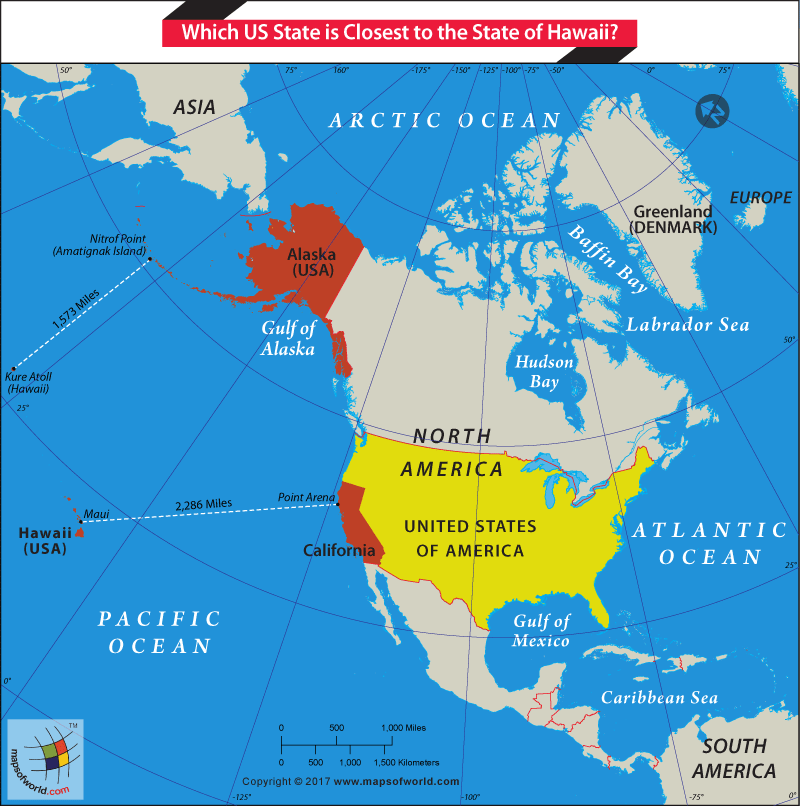
It’s also worth noting the distinction between nautical miles and statute miles. For air travel, statute miles (the standard land measurement) are typically used. For sea travel, nautical miles are more relevant, with one nautical mile being slightly longer than a statute mile (approximately 1.15 statute miles). This distinction is primarily for maritime navigation but good to be aware of when considering different modes of transport. The substantial oceanic gap underscores Hawaii’s unique position as the most isolated population center on Earth, a fact that only adds to its mystique and ecological significance. This isolation has allowed for the evolution of incredible endemic species and a vibrant local culture distinct from the mainland.
Bridging the Distance: Travel Options and Time
Despite the considerable distance separating Hawaii from California, the journey is a well-trodden path for millions of travelers each year. The primary modes of transport are air travel and sea voyages, each offering a distinct experience and travel duration.
Flying Across the Ocean: Air Travel
For the vast majority of visitors, air travel is the preferred and most practical method of reaching the Hawaiian Islands. Modern aircraft have significantly reduced travel times, making a trip to paradise achievable within a standard workday.
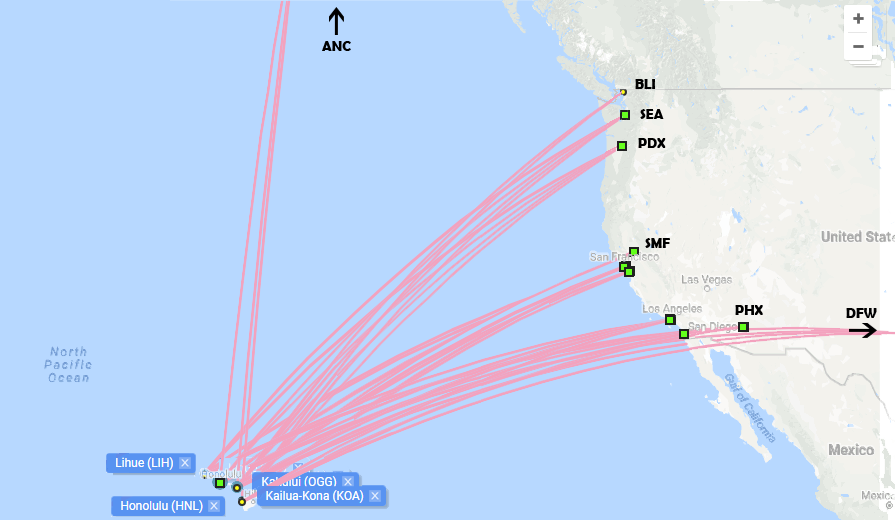
Average Flight Times: A direct flight from major California airports to Honolulu International Airport (HNL) on Oahu typically takes between 5 to 6 hours. For example, a flight from Los Angeles International Airport (LAX) to HNL averages around 5 hours and 30 minutes, while a flight from San Francisco International Airport (SFO) might be closer to 5 hours. Flights to other major Hawaiian airports, such as Kahului Airport (OGG) on Maui, Kona International Airport (KOA) on the Big Island of Hawaii, or Lihue Airport (LIH) on Kauai, have similar durations, often slightly shorter depending on the exact flight path.
Major Airlines and Routes: Numerous airlines operate direct flights between California and Hawaii, reflecting the popularity of this route. Key carriers include Hawaiian Airlines, United Airlines, Delta Air Lines, American Airlines, and Southwest Airlines. These airlines offer various classes of service, from economy to first class, catering to different budgets and preferences for comfort. Common departure airports in California extend beyond LAX and SFO to include San Diego International Airport (SAN), Oakland International Airport (OAK), San Jose International Airport (SJC), and Sacramento International Airport (SMF), providing ample options for travelers across the state.
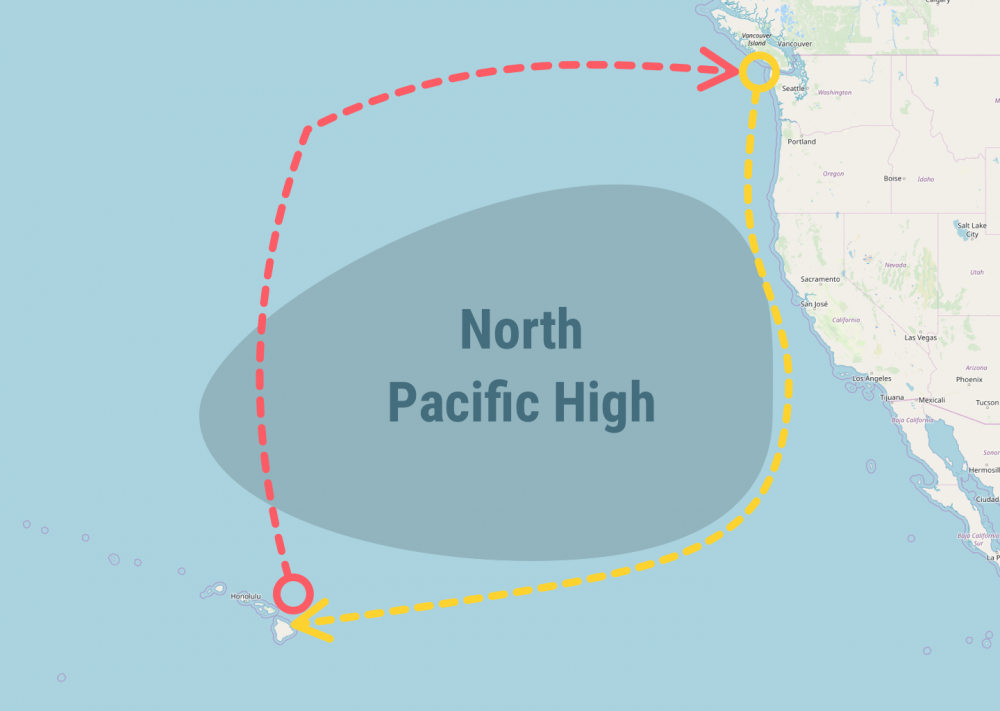
Factors Influencing Flight Duration: Several factors can influence the exact flight duration. Tailwinds, particularly the prevailing Westerlies, can shorten eastbound flights from Hawaii to California by 30-60 minutes, while headwind conditions on westbound flights can add to the journey. The specific aircraft model and its cruising speed also play a role, as does air traffic control. For a longer journey, choosing an airline known for its comfortable economy seating or opting for a premium economy, business, or first-class experience can significantly enhance the trip. Many airlines flying this route offer in-flight entertainment, Wi-Fi, and meal services, making the journey part of the holiday experience. For those considering business stays or luxury travel, these enhanced services provide a seamless transition to the islands.
Cruising the Pacific: Sea Voyages
For those who view the journey as an integral part of the destination, a cruise from California to Hawaii offers a leisurely and luxurious alternative to flying. While considerably longer, it provides an opportunity to unwind, enjoy onboard amenities, and experience the vastness of the Pacific Ocean firsthand.
Cruise Durations: A typical cruise from California to Hawaii lasts between 5 to 10 days for the eastbound leg (from Hawaii back to California), or often 14 to 16 days for a roundtrip voyage that includes several days exploring the Hawaiian Islands. The westbound journey (from California to Hawaii) usually takes 5-7 days of continuous sailing before reaching the first Hawaiian port.
Departure Ports and Cruise Lines: Major cruise lines like Princess Cruises, Holland America Line, Norwegian Cruise Line, and Royal Caribbean International offer itineraries to Hawaii. Common departure ports in California include Los Angeles (specifically the Port of Los Angeles in San Pedro), San Francisco, and San Diego.
Onboard Amenities and Experiences: Cruising to Hawaii is about the journey as much as the destination. Modern cruise ships are floating resorts, equipped with a dazzling array of amenities. Guests can enjoy gourmet dining, Broadway-style shows, casinos, spas, fitness centers, swimming pools, and various recreational activities. Many ships offer specialty restaurants, luxurious suites, and personalized services that elevate the experience to luxury travel. It’s an ideal option for those seeking a relaxing, all-inclusive vacation where every aspect of the trip is handled, from accommodation to entertainment.
Planning Your Hawaiian Escape: Logistics and Experience
Once you’ve grasped the distance and chosen your preferred mode of transport, the real excitement of planning your Hawaiian escape begins. From selecting the perfect island to finding ideal accommodation, every decision contributes to the overall travel experience.
Choosing Your Hawaiian Island Destination
Each of the main Hawaiian Islands offers a unique flavor and set of attractions, catering to different types of travelers.
- Oahu: The Gathering Place – Home to the capital city of Honolulu and iconic Waikiki Beach, Oahu blends urban vibrancy with natural beauty. Here, you can explore historical landmarks like Pearl Harbor, hike up Diamond Head for panoramic views, or catch a surf lesson on the North Shore.
- Maui: The Valley Isle – Renowned for its stunning beaches, the scenic Road to Hana, and majestic Haleakala National Park, Maui offers a mix of adventure and relaxation. It’s a popular choice for romantic getaways and whale watching excursions.
- Hawaii Island (The Big Island): The Orchid Isle – The largest of the islands, it boasts diverse climates and landscapes, from active volcanoes in Hawaii Volcanoes National Park to black sand beaches and lush rainforests. It’s perfect for nature enthusiasts and those seeking varied experiences.
- Kauai: The Garden Isle – Known for its dramatic cliffs of the Na Pali Coast, lush valleys, and stunning waterfalls, Kauai is a haven for outdoor adventurers and those looking for a more serene, untouched Hawaiian experience.
Considering the local culture, desired activities, and specific attractions will help you select the ideal island for your trip.
Accommodation and Stays: A Home Away From Home
Once you’ve chosen your island, finding the right accommodation is paramount. Hawaii offers a spectrum of lodging options, from lavish resorts and boutique hotels to cozy apartments and sprawling villas, catering to every style of lifestyle and budget travel preference.
- Luxury Resorts: For those seeking indulgence, resorts like the Grand Hyatt Kauai Resort & Spa or the Four Seasons Resort Maui at Wailea provide unparalleled amenities, including world-class spas, multiple dining options, private beach access, and concierge services. These are perfect for luxury travel or special occasions.
- Hotels: Across all islands, a wide range of hotels from international chains to independent establishments offer comfortable and convenient stays. Many provide excellent value and can be found close to major attractions.
- Vacation Rentals: For families, longer stays, or those preferring a more local experience, villas and apartments available through platforms like Airbnb or VRBO offer kitchens and more space, often proving more economical for groups. This option also allows for a deeper immersion into the local community and lifestyle.
When booking, consider factors like proximity to beaches, dining, and desired activities, as well as reviews and comparison sites to ensure you get the best value. Early booking, especially for peak seasons, is always advisable.
Maximizing Your Trip: Tips for Travelers
To make the most of your journey across the Pacific and into the heart of Hawaii, a few key tips can enhance your experience.
- Best Time to Visit: Hawaii enjoys pleasant weather year-round, but generally, the shoulder seasons (April-May and September-November) offer fewer crowds and more favorable prices for flights and accommodation.
- What to Pack: Light clothing, swimwear, reef-safe sunscreen, a reusable water bottle, and comfortable walking shoes are essentials. Don’t forget a light jacket for cooler evenings, especially if visiting higher elevations like Haleakala.
- Local Culture and Etiquette: Embrace the aloha spirit by being respectful of local customs, the ‘aina (land), and fellow visitors. Learn a few Hawaiian phrases, respect sacred sites, and be mindful of environmental preservation. Engaging with the local culture through hula shows, luaus, or visiting farmers’ markets enriches your tourism experience.
- Activities and Attractions: From surfing and snorkeling to hiking and exploring historical sites, plan your travel destinations and attractions in advance. Many popular tours and activities, especially those involving limited capacities, require pre-booking. Consider unique experiences like a helicopter tour over the Na Pali Coast or a sunrise visit to Haleakala.
Beyond the Distance: The Allure of the Aloha State
The question of “how far is Hawaii from California?” ultimately leads to an understanding that while the physical distance is substantial, it is an easily surmountable barrier for travelers. The journey, whether by air or sea, becomes an exciting prelude to the unparalleled beauty and unique cultural richness that awaits. The 2,400+ miles across the Pacific are a small price to pay for the opportunity to immerse oneself in a destination unlike any other.
Hawaii is more than just a collection of islands; it’s a state of mind, a vibrant tapestry of natural wonders, historical depth, and the enduring spirit of aloha. The moment you step off the plane or disembark from your cruise ship, the mainland feels a world away, replaced by the scent of plumeria, the sound of crashing waves, and the warm embrace of the island sun. This transformation, facilitated by a few hours of flight or several days at sea, makes every mile worth it, promising memories that will last a lifetime.
LifeOutOfTheBox is a participant in the Amazon Services LLC Associates Program, an affiliate advertising program designed to provide a means for sites to earn advertising fees by advertising and linking to Amazon.com. Amazon, the Amazon logo, AmazonSupply, and the AmazonSupply logo are trademarks of Amazon.com, Inc. or its affiliates. As an Amazon Associate we earn affiliate commissions from qualifying purchases.