
California, a state synonymous with sunshine, innovation, and diverse landscapes, spans a vast geographical area. This sheer size inevitably leads to an important practical consideration for anyone planning a visit, conducting business, or simply trying to connect with friends and family across its breadth: understanding its time zones. While the vast majority of the state operates under a single, well-defined time zone, a deeper dive reveals nuances that are crucial for seamless travel and communication. This article will demystify California’s temporal landscape, ensuring you’re always in sync with the Golden State.
The Dominant Standard: Pacific Time
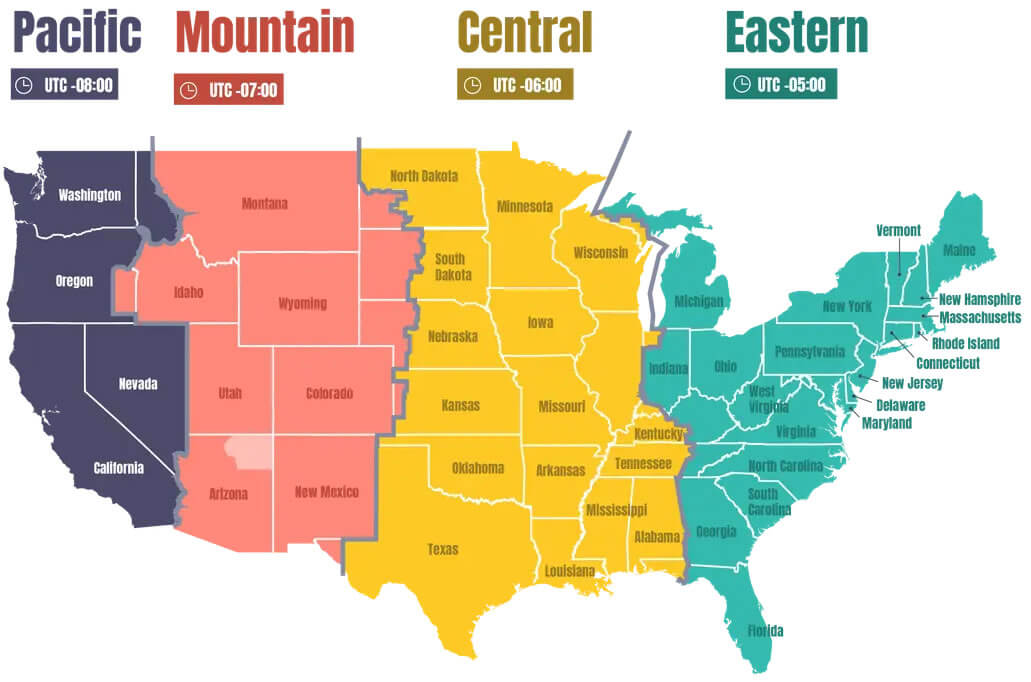
The heart of California, encompassing its most populous cities and iconic destinations, adheres to Pacific Time. This time zone is a crucial element in the daily rhythm of millions and a fundamental aspect of planning any itinerary within the state. Understanding its two seasonal variations is key to avoiding confusion.
Pacific Standard Time (PST)
During the cooler months, typically from the first Sunday in November to the second Sunday in March, California observes Pacific Standard Time (PST). This is the “standard” clock time for the region. PST is UTC-8, meaning it is eight hours behind Coordinated Universal Time (UTC). When daylight saving time is not in effect, a call placed to Los Angeles at 9:00 AM PST would be 5:00 PM UTC. For those in Europe, this might translate to an early evening or late afternoon connection, depending on their specific time zone within Europe.
PST in Practice
For travelers, recognizing PST means knowing that during these months, California is generally several hours behind East Coast cities like New York City or Miami. If you are coordinating a meeting with a business in San Francisco, remember that a 10:00 AM PST start time is equivalent to 1:00 PM EST in New York. This difference is particularly important for international travelers, as the gap between PST and European or Asian time zones can be significant, often requiring early morning or late evening communication.
Pacific Daylight Time (PDT)
As the days grow longer and warmer, California, like most of the United States, springs forward into Pacific Daylight Time (PDT). This begins on the second Sunday in March and concludes on the first Sunday in November. PDT is UTC-7, advancing the clock by one hour from PST. This adjustment is designed to maximize daylight hours during the waking day.
PDT in Practice
During PDT, California is one hour closer to UTC and, consequently, one hour closer to East Coast times. A 10:00 AM PDT in Los Angeles would be 1:00 PM EST in New York. This shift is vital for anyone making travel arrangements, booking tours, or scheduling calls. It’s a reminder to always double-check the local time when coordinating with someone in California, especially if you are in a different time zone or if your travel spans the date change for daylight saving. For instance, if you are in London (which also observes daylight saving time, albeit on different dates), the difference between PDT and British Summer Time (BST) will fluctuate slightly around the DST transition periods.
Beyond the Mainland: Island Time in California
While the vast majority of California’s population and its most famous landmarks reside within the Pacific Time Zone, the state’s territorial waters extend to include islands that fall under a different temporal jurisdiction. This is a nuanced but important point for understanding the entirety of California’s timekeeping.
The Channel Islands and UTC-8
The remote and rugged Channel Islands, a national park and a haven for unique wildlife and pristine coastlines, are geographically part of California. However, these islands, particularly those further offshore, are sometimes considered to operate under the same time as the mainland, i.e., Pacific Time. This can lead to some confusion, as historically, and in some very specific contexts, islands in similar maritime zones are designated differently. For the practical purposes of most visitors and residents, including those visiting the Channel Islands National Park, the time is the same as on the mainland. However, for maritime navigation and certain specialized operations, it’s worth noting that any perceived temporal difference is usually minimal and often aligned with the mainland for ease of coordination.
International Waters and Observances
It is essential to clarify that California itself, as a state of the United States, does not have its own distinct time zone separate from the federally mandated zones. Any apparent divergence from Pacific Time would typically relate to the governing of specific maritime territories or the context of international waters. For any traveler planning a trip to California, the primary focus should remain on PST and PDT, as these are the time zones governing all land-based activities and the vast majority of tourist experiences.
Planning Your California Sojourn: Time Zone Considerations
Understanding California’s time zones is more than just a matter of knowing the hour; it’s about enhancing your travel experience, ensuring smooth communication, and avoiding potential logistical headaches. Whether you’re planning a visit to the bustling streets of Los Angeles, the tech hubs of Silicon Valley, the wine country of Napa Valley, or the iconic cliffs of Big Sur, being time-aware is paramount.
Synchronizing Your Itinerary
When booking flights into major California airports like Los Angeles International Airport (LAX) or San Francisco International Airport (SFO), flight schedules will always reflect local arrival and departure times. However, it is the connections you make on the ground and the activities you plan that require careful temporal coordination. If you’re arranging a dinner reservation in San Diego for 7:00 PM, and you’re coming from a different time zone, factor in travel time and any potential jet lag.
Booking and Reservations
For popular attractions such as a tour of Alcatraz Island or a visit to the Griffith Observatory, booking in advance is often essential. The booking systems will typically default to the local time zone of the attraction. When confirming, always verify the time in PDT or PST, depending on the season. This applies equally to booking accommodation at world-renowned hotels like The Beverly Hills Hotel or the historic Fairmont San Francisco.
Communication and Connectivity
In our increasingly interconnected world, maintaining communication across time zones is a daily reality for many. For travelers to California, this means being mindful of when to call or message contacts back home or colleagues. A casual call to a friend in Sacramento at 10:00 PM PST might be interrupting their early morning routine if they are on the East Coast. Conversely, a business call scheduled for 9:00 AM EST in New York is a very early start in California.
Business and Professional Interactions
For those conducting business in California, understanding Pacific Time is non-negotiable. Many technology companies and creative industries are headquartered in California, and their business hours are structured around PDT and PST. When setting up virtual meetings, always specify the time zone, or better yet, use a scheduling tool that automatically converts times for participants in different locations. This prevents misunderstandings and ensures that meetings start promptly, whether you are in Palo Alto or London.

Embracing the Sunshine, On Time
California’s allure lies in its diversity – from the sun-drenched beaches of Southern California to the majestic peaks of the Sierra Nevada and the vibrant urban centers. To fully immerse yourself in the Golden State experience, a basic understanding of its temporal framework is an indispensable tool. By recognizing the prevalence of Pacific Standard Time (PST) and Pacific Daylight Time (PDT), and by always confirming local times for appointments and activities, you can ensure your journey through California is as smooth and enjoyable as the Pacific Ocean breeze. Whether you’re chasing the sunrise over the desert or watching the sunset over the Pacific, knowing the time will help you savor every moment.
LifeOutOfTheBox is a participant in the Amazon Services LLC Associates Program, an affiliate advertising program designed to provide a means for sites to earn advertising fees by advertising and linking to Amazon.com. Amazon, the Amazon logo, AmazonSupply, and the AmazonSupply logo are trademarks of Amazon.com, Inc. or its affiliates. As an Amazon Associate we earn affiliate commissions from qualifying purchases.