
California, often lauded as the Golden State and a beacon for dreamers, innovators, and adventurers, presents a fascinating duality. On one hand, it’s home to iconic landmarks, breathtaking natural wonders like Yosemite National Park and the Pacific Coast Highway, and vibrant urban centers like Los Angeles and San Francisco. Its allure as a premier destination for travel and tourism is undeniable, drawing millions each year to experience its diverse culture, world-class hotels, and unparalleled lifestyle opportunities. On the other hand, California is also known for its notoriously high cost of living, a reality that impacts both its residents and the very fabric of its tourism industry. At the heart of this economic discussion lies the state’s minimum wage – a figure that influences everything from the daily budgets of its workforce to the pricing of a latte in Hollywood or a room in a Napa Valley resort.

For anyone considering a move to California, looking for employment within its booming service sectors, or simply planning an extended trip, understanding the state’s minimum wage is crucial. It provides essential context for navigating the local economy, budgeting for accommodation, dining, and attractions, and appreciating the economic landscape that shapes the experiences of both visitors and the people who make California what it is. This comprehensive guide will delve into the intricacies of California’s minimum wage, exploring its current status, historical trajectory, and profound impact on the cost of living, the tourism industry, and the pursuit of a California dream, regardless of one’s budget.
The Current Landscape of California’s Minimum Wage
California has consistently been at the forefront of the national conversation regarding fair wages, often setting a precedent for other states. The commitment to increasing the minimum wage reflects a broader societal goal of ensuring a livable income, particularly in a state where expenses can quickly escalate. This progressive stance has led to a structured, incremental approach to wage increases, influencing the economic stability of countless residents and the operational models of businesses across various sectors, including the extensive travel and hospitality industries.
Statewide Minimum Wage and Local Variations
As of January 1, 2024, the statewide minimum wage in California is set at $16.00 per hour for all employers, regardless of the number of employees. This uniform rate for both large and small businesses marks a significant step towards simplifying wage regulations and ensuring a baseline standard across the state. However, it’s critical to understand that this statewide figure represents only the floor. Many cities and counties within California have adopted their own local minimum wage ordinances, which often exceed the state minimum. These local variations are typically enacted in areas with an even higher cost of living, reflecting regional economic pressures and the specific needs of their communities.
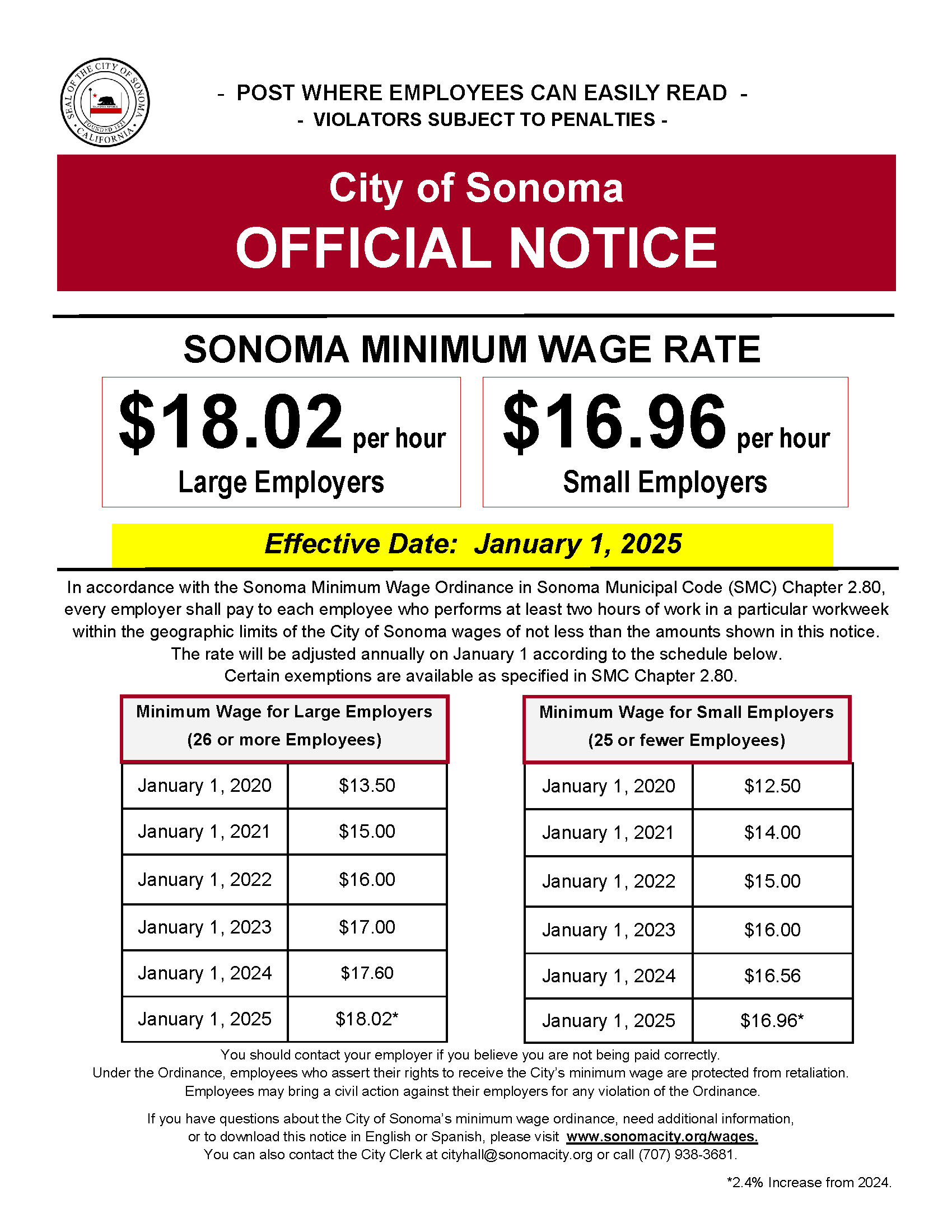
For example, major metropolitan areas like San Francisco, San Jose, Oakland, and parts of Los Angeles County have local minimum wages that can be several dollars higher than the state’s rate. Emeryville, a small city in the East Bay, is frequently cited as having one of the highest minimum wages in the nation. These local mandates are often adjusted annually, usually taking effect on July 1st, based on inflation and other economic indicators. For businesses, particularly those in the hospitality sector with operations across different municipalities, this creates a complex compliance landscape. For residents and job seekers, it means that earning $16.00 per hour in a more affordable part of California like the Central Valley will offer a different purchasing power than earning the same (or even a higher local minimum) in an expensive city like Santa Monica or Palo Alto. This nuance is vital for anyone planning their finances, whether for daily living or a vacation.
A Brief History of Wage Progression
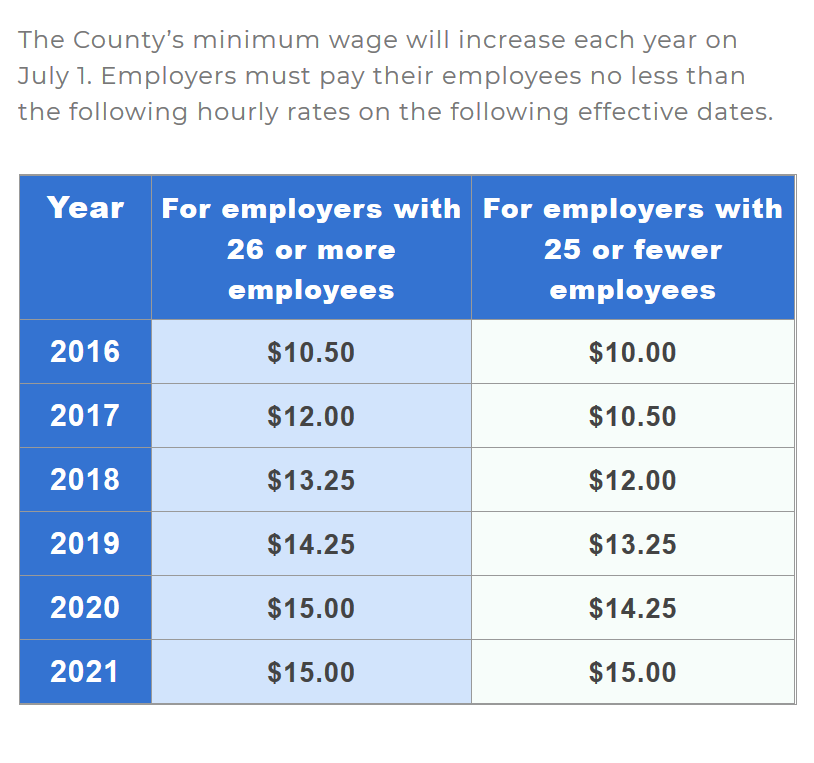
California’s journey to its current minimum wage has been a deliberate and often debated process. The state embarked on a path several years ago to incrementally raise the minimum wage to $15.00 per hour, a target achieved for larger employers by 2022 and for all employers by 2023. This multi-year plan provided businesses with predictability and time to adjust to the rising labor costs. The initial legislation, signed in 2016, outlined specific annual increases, culminating in the $15 threshold, followed by automatic annual adjustments tied to inflation.
This systematic approach aimed to mitigate the economic shock that a sudden, significant wage hike might impose, allowing for gradual integration into business models and consumer prices. The move was widely seen as a response to the escalating cost of living, particularly housing, which has made it increasingly difficult for low-wage earners to afford basic necessities in many parts of the state. The decision to raise the minimum wage reflected a political and social consensus that economic prosperity should be shared more equitably, and that a strong minimum wage is a fundamental tool for poverty reduction and economic stability. This historical context underscores the state’s ongoing commitment to wage fairness, which continues to shape its economic policies and influence the broader American labor landscape.
Minimum Wage and the Cost of Living in California
The relationship between California’s minimum wage and its famously high cost of living is a complex and often challenging one. While the state boasts one of the highest minimum wages in the United States, the sheer expense of housing, transportation, and daily necessities can quickly offset these higher earnings. For visitors planning a trip, understanding this dynamic is key to budgeting effectively, particularly when considering options for accommodation and daily activities. For residents, it shapes their daily decisions and long-term financial planning.
Navigating Accommodation and Daily Expenses
Housing costs are by far the most significant driver of California’s high cost of living, particularly in desirable urban centers and coastal regions. Cities like San Francisco, Los Angeles, San Diego, and Silicon Valley consistently rank among the most expensive places to rent or buy property globally. This directly impacts the pricing of virtually all forms of accommodation, from luxury hotels and boutique resorts to more budget-friendly motels and short-term apartment rentals. A significant portion of a hotel’s operating costs, for instance, is tied to property expenses and the wages of its staff, which are higher due to the local cost of living. Consequently, a hotel room in San Francisco or Beverly Hills will naturally command a premium compared to a similar offering in states with lower operating costs.
Beyond accommodation, daily expenses also reflect the state’s economic realities. Groceries, dining out, entertainment, and transportation can all be more expensive in California than in other parts of the country. A meal at a casual restaurant, for example, might be priced to cover higher labor costs for kitchen staff and servers, many of whom are earning at or above the local minimum wage. For a traveler, this means that even seemingly small purchases add up quickly. For a minimum wage earner residing in California, budgeting becomes an intricate dance, often requiring meticulous financial planning and, for many, living with roommates or commuting long distances to find more affordable housing. This struggle highlights the critical role of minimum wage adjustments in attempting to keep pace with an ever-rising cost of living, especially for those working in the very industries that cater to the state’s vibrant tourism sector.
Impact on Travel Budgets and Lifestyle Choices
For potential visitors to California, understanding the implications of the state’s minimum wage and high cost of living is paramount to effective trip planning. A family planning a vacation to Disneyland Resort in Anaheim or a couple exploring the beaches of Malibu will quickly find that their travel budget needs to be more robust than for a similar trip elsewhere. This doesn’t mean California is inaccessible, but rather that strategic planning, leveraging travel guides, and exploring alternative accommodation options become essential.
The elevated minimum wage contributes to the overall pricing structure of goods and services, including those most utilized by tourists. For instance, the cost of a rental car, a guided tour through San Francisco, or even just a cup of coffee can be higher. This inevitably influences travel budgets, potentially leading visitors to opt for shorter stays, fewer high-end experiences, or to seek out more budget-friendly alternatives. On the flip side, the higher wages for hospitality staff, while contributing to costs, can also lead to a more stable and experienced workforce, potentially enhancing service quality in hotels and restaurants. For residents, the higher minimum wage allows for certain lifestyle choices that might otherwise be out of reach, but it still often necessitates careful budgeting, making trade-offs, and exploring ways to enjoy the Golden State without breaking the bank. From choosing more affordable destinations within the state to embracing free attractions, navigating California’s economic landscape requires both awareness and ingenuity.
The Tourism and Hospitality Sector: A Minimum Wage Perspective
The tourism and hospitality industry is a cornerstone of California’s economy, generating billions in revenue and employing millions of people. From the bellhops at luxury hotels in Beverly Hills to the ride operators at Universal Studios Hollywood and the servers in San Diego’s Gaslamp Quarter, a vast segment of this workforce earns the state or local minimum wage, or just above it. This economic reality has profound implications for both the employees who serve visitors and the businesses that make up the vibrant California experience.
Workforce Dynamics and Service Quality
A higher minimum wage in the hospitality sector can lead to several significant shifts in workforce dynamics. For employees, it offers a greater sense of financial stability, potentially reducing turnover rates and fostering a more experienced and dedicated workforce. When workers feel adequately compensated, they are often more engaged, motivated, and committed to providing excellent service. This can directly translate into improved customer experiences for tourists, from more attentive hotel staff to more knowledgeable tour guides and friendlier restaurant servers. In a competitive market like California’s, superior service can be a key differentiator for hotels, resorts, and attractions aiming to attract and retain visitors.
However, businesses also face challenges. The increased labor costs associated with a higher minimum wage can put pressure on profit margins, especially for smaller businesses or those operating in highly competitive segments. To manage these costs, some businesses might explore strategies like optimizing staffing levels, investing in automation for certain tasks, or adjusting pricing. This delicate balance between fair wages and operational viability is a constant consideration for employers in California’s booming hospitality scene. The goal is to ensure that while employees earn a livable wage, businesses remain sustainable and capable of delivering the high-quality experiences that California is known for.
Economic Implications for Businesses and Travelers
The economic implications of California’s minimum wage extend broadly across the tourism ecosystem. For businesses, particularly those in hospitality, a higher minimum wage directly translates to increased operational costs. These costs are often passed on, at least in part, to consumers through higher prices for hotel rooms, restaurant meals, admission tickets to theme parks like Knott’s Berry Farm, and other services. This contributes to the overall perception of California as an expensive travel destination.
However, the economic impact is not solely about increased costs. Higher wages for local workers can also stimulate the local economy. When hospitality employees earn more, they have greater disposable income, which they often spend within their communities, supporting local businesses, services, and attractions. This creates a positive feedback loop, strengthening the economic foundation of tourist-dependent areas. For travelers, while the sticker price might be higher, the argument is that they are contributing to a more equitable economy and potentially benefiting from a more stable and high-quality service sector. Understanding this interplay helps both visitors and industry professionals appreciate the multifaceted economic landscape that defines California’s vibrant tourism and lifestyle appeal. It highlights that the price of a hotel room or a meal isn’t just about profit, but also about supporting the local workforce that makes the California experience possible.
Experiencing California on Any Budget
Despite its reputation for high costs, California remains an incredibly diverse and accessible travel destination for individuals and families on any budget. The key lies in strategic planning, leveraging local knowledge, and embracing the myriad of free and low-cost attractions that the Golden State has to offer. Whether you’re a minimum wage earner dreaming of a California adventure or a savvy traveler looking to maximize value, there are countless ways to explore without overspending.
Smart Travel Strategies for Affordability
To navigate California’s economic landscape efficiently, smart travel strategies are essential. When it comes to accommodation, consider staying slightly outside major city centers. For example, rather than a downtown San Francisco hotel, look for options in neighboring cities like Oakland or Berkeley, which often offer lower rates and convenient public transit into the city. Similarly, exploring motels or vacation rentals in suburban areas around Los Angeles can significantly cut costs compared to staying directly in Hollywood or Santa Monica. Hostels are also a fantastic option for solo travelers or small groups, providing affordable beds in vibrant, social environments in cities like San Diego and Santa Barbara.
Transportation costs can also be managed effectively. While renting a car is often the most convenient way to explore the vast state, utilizing California’s extensive public transportation networks in cities can save a significant amount. Los Angeles Metro, BART in the Bay Area, and San Diego MTS all offer affordable ways to get around major urban areas. For longer distances, consider bus services like FlixBus or Amtrak, which can be more economical than flying or driving. When it comes to dining, embrace local markets and grocery stores for picnic lunches, utilize happy hour specials, and seek out ethnic eateries, food trucks, and casual diners, which often provide delicious and affordable meals compared to upscale restaurants. Traveling during the off-season (typically fall and winter, excluding holidays) can also yield lower prices for flights and accommodation, offering a more budget-friendly California experience.
Exploring Free and Low-Cost Attractions
One of California’s greatest assets is its abundance of natural beauty and cultural riches, many of which are free or inexpensive to enjoy. The state boasts an incredible array of beaches along its expansive coastline, from the iconic shores of Malibu to the rugged beauty of Big Sur, all offering free access for swimming, sunbathing, and surfing. California’s state parks system, though some have a small entrance fee, offers endless opportunities for hiking, camping, and exploring diverse landscapes, including majestic redwood forests, desert vistas, and serene lakes. National parks like Yosemite National Park, Joshua Tree National Park, and Death Valley National Park have entrance fees, but an America the Beautiful pass can cover these costs for a year, making them a great value for frequent visitors.
Many cities also offer a wealth of free attractions. In San Francisco, you can walk across the Golden Gate Bridge, explore Golden Gate Park, visit Fisherman’s Wharf, or enjoy the views from Twin Peaks. Los Angeles offers free hikes in the Hollywood Hills to the Hollywood Sign, strolling along the Santa Monica Pier, or browsing the Hollywood Walk of Fame. Numerous museums in California offer free admission days or are always free, such as The Getty Center in Los Angeles (though parking has a fee). Local street festivals, farmer’s markets, and cultural events are also excellent ways to experience the local lifestyle without a hefty price tag. By focusing on these accessible options, anyone can craft a memorable and enriching California adventure, proving that the Golden State truly offers something for everyone, regardless of their financial constraints.
The Future of Minimum Wage in the Golden State
California’s approach to the minimum wage is not static; it’s a dynamic policy continually shaped by economic conditions, social advocacy, and legislative initiatives. The state’s commitment to incremental increases and annual adjustments tied to inflation ensures that the minimum wage remains a living document, responsive to the evolving cost of living and the needs of its workforce. This forward-looking perspective is particularly relevant for the travel and tourism industries, which rely heavily on a stable and motivated labor force.
Discussions around the minimum wage in California often extend beyond the general hourly rate. Recent legislative efforts have focused on specific sectors, acknowledging the unique challenges and economic realities within different industries. For example, significant attention has been given to workers in the fast-food industry and healthcare, leading to specialized minimum wage standards for these sectors. These targeted approaches reflect a growing understanding that a one-size-fits-all minimum wage, while foundational, may not fully address the diverse needs of California’s vast and varied economy.
The future trajectory of the minimum wage will undoubtedly continue to influence investment in hotels, the pricing of attractions, and the overall affordability of travel and lifestyle within the state. As California grapples with balancing economic growth, social equity, and business sustainability, the minimum wage will remain a central pillar of its economic policy, impacting everything from the vibrancy of its urban centers to the sustainability of its beloved landmarks. For residents, workers, and prospective visitors alike, staying informed about these developments is key to understanding the evolving economic landscape of the Golden State.
In conclusion, California’s minimum wage is far more than just a number; it is a critical economic lever that influences the daily lives of millions and shapes the very experience of this iconic state. From the cost of a hotel room in San Diego to the budget needed for a road trip along the Pacific Coast Highway, the minimum wage reverberates through the entire economy. While its high cost of living presents challenges, a deeper understanding of its economic underpinnings, combined with smart planning and an appreciation for its diverse offerings, ensures that California remains an accessible and rewarding destination for all who wish to explore its unparalleled beauty and dynamic lifestyle.
LifeOutOfTheBox is a participant in the Amazon Services LLC Associates Program, an affiliate advertising program designed to provide a means for sites to earn advertising fees by advertising and linking to Amazon.com. Amazon, the Amazon logo, AmazonSupply, and the AmazonSupply logo are trademarks of Amazon.com, Inc. or its affiliates. As an Amazon Associate we earn affiliate commissions from qualifying purchases.