
Los Angeles, California, often referred to simply as LA, is a city synonymous with year-round sunshine, vibrant culture, and an undeniable allure that attracts millions of visitors annually. From the star-studded sidewalks of Hollywood to the sun-kissed shores of its famous beaches, LA promises a diverse array of experiences. However, beyond the glitz and glamour, a fundamental question often arises for those planning a visit: “What’s the temperature like?”
Understanding LA’s climate is not merely about knowing what to pack; it’s about unlocking the best travel experiences, choosing the perfect accommodation, and truly immersing oneself in the unique lifestyle this Southern California metropolis offers. The city’s famed Mediterranean climate plays a pivotal role in shaping everything from tourism activities and local culture to the ideal season for your visit and the type of amenities you might seek in a hotel or resort. This comprehensive guide will delve deep into the nuances of Los Angeles, California’s temperature, providing insights that will help you plan an unforgettable journey.

Understanding Los Angeles’s Climate: A Year-Round Allure
Los Angeles, California is blessed with one of the most desirable climates in the world, a classic Mediterranean climate. This distinctive weather pattern is characterized by mild, wet winters and hot, dry summers, with abundant sunshine for the majority of the year. This type of climate is relatively rare globally, found in only a few select regions across Europe, Africa, Australia, and the western coast of North America, making LA’s weather a significant draw.
The Mediterranean Magic: What Defines LA’s Weather?
The defining features of LA’s climate are its consistent sunshine, averaging over 300 sunny days annually, and comfortable temperatures for much of the year. The proximity to the vast Pacific Ocean is a crucial moderating factor, especially for coastal areas. Sea breezes from the Pacific Ocean typically keep temperatures milder along the coastline, in areas like Santa Monica and Malibu. As you move inland, away from the ocean’s influence, temperatures tend to rise, particularly in valleys such as the San Fernando Valley, where summer heatwaves can push the mercury significantly higher. This creates a fascinating mosaic of microclimates across the sprawling urban landscape, a key aspect for any visitor to understand.
Seasonal Breakdown: Temperatures Through the Year
While LA is often perceived as having perpetually perfect weather, there are distinct seasonal variations that influence the travel experience.
-
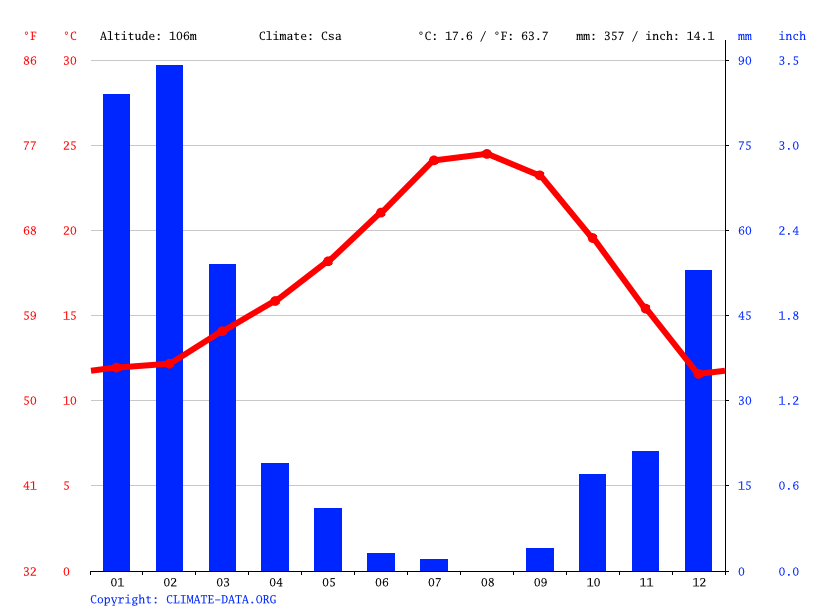
Summer (June – August): This period marks the peak tourist season in Los Angeles, California, defined by abundant warmth and radiant sunshine. Average daily temperatures typically range from 75-85°F (24-29°C) along the coast. However, inland regions can frequently experience temperatures soaring into the 90s°F (30s°C) and occasionally exceeding 100°F (38°C) during heatwaves. Nighttime temperatures usually remain pleasant, settling into the 60s°F (15-20°C). Humidity levels are generally low, which makes the heat more tolerable compared to many other parts of the United States. This is the ideal time for beach activities, poolside relaxation, and enjoying extended daylight hours.
-
Autumn (September – November): Many consider autumn to be one of the most delightful times to visit Los Angeles, California. The city often experiences an “Indian Summer,” meaning warm and sunny conditions persist well into October and even November. Average daytime temperatures usually fall between 70-80°F (21-27°C), accompanied by crisp, comfortable evenings. Rainfall is minimal, making it an excellent season for outdoor exploration, hiking, and enjoying al fresco dining without the intense summer heat or crowds.
-
Winter (December – February): LA winters are famously mild when compared to much of North America. Daytime temperatures typically hover around 60-70°F (15-21°C), with nights dipping into the 40s and 50s°F (4-12°C). This marks the rainy season, though significant downpours are usually brief and interspersed with sunny days. Snow is an extremely rare sight within the city limits, although it can often be observed on the peaks of the nearby San Gabriel Mountains. Despite the cooler temperatures, many outdoor activities remain viable, and indoor attractions offer a comfortable escape.
-
Spring (March – May): Spring is a beautiful transitional period in Los Angeles, California, characterized by gradually warming temperatures. Visitors can expect averages of 65-75°F (18-24°C) during the day, with comfortable nights. This season also brings blooming wildflowers to the surrounding hillsides, particularly after winter rains, making it a picturesque time for nature lovers and photographers. Rain showers become less frequent as the city approaches summer.
Planning Your Los Angeles Adventure: Weather-Wise Travel Tips
Understanding LA’s climate is the first step; planning around it ensures a more comfortable and enjoyable trip. The right preparation can enhance your experience, from choosing the optimal time to visit to packing the perfect wardrobe.
Best Times to Visit for Optimal Comfort
For travelers prioritizing comfortable temperatures and aiming to avoid peak summer crowds, late spring (April-May) and early autumn (September-October) are generally recommended. These months strike a perfect balance, offering warmth without the intense heat that can be present in July and August. During these periods, you can comfortably enjoy activities like beach outings, hiking in Runyon Canyon Park, or exploring the iconic Griffith Observatory with ease.
If the vibrancy of summer and guaranteed sunshine are what you seek, June through August promise a lively atmosphere, perfect for poolside relaxation at a luxury resort such as the Beverly Wilshire, A Four Seasons Hotel or a family-focused adventure near Disneyland Resort in Anaheim. Winter, while cooler and wetter, offers its own distinct advantages, including fewer tourists at popular sites like the Getty Center and the opportunity to experience festive holiday decorations and events without extreme cold.

What to Pack: Essentials for Every Season
Due to LA’s diverse microclimates and the notable temperature drops between day and night, layering is a crucial strategy regardless of the season.
- Summer: Pack lightweight, breathable clothing, swimwear, sunscreen with a high SPF, a wide-brimmed hat, and sunglasses. Evenings, especially along the coast, can become surprisingly cool, so a light jacket or cardigan is a smart addition to your luggage.
- Autumn/Spring: Versatile layers are paramount. T-shirts, long-sleeved shirts, jeans, and a medium-weight jacket or sweater are ideal. Comfortable walking shoes are a must for exploring attractions like the Santa Monica Pier, strolling along Rodeo Drive, or navigating the city’s various neighborhoods.
- Winter: Warmer layers, including sweaters and a waterproof jacket or umbrella for occasional rain, are necessary. Closed-toe shoes are also advisable. While you’ll still encounter plenty of sunny days, be prepared for chilly mornings and evenings.
- Year-Round Essentials: Regardless of when you visit, always include comfortable walking shoes, sunglasses, and adequate sun protection. A reusable water bottle is also highly recommended for staying hydrated amidst all your explorations.
Navigating LA’s Microclimates
One of the most fascinating and sometimes challenging aspects of Los Angeles, California is its varied microclimates. It’s entirely possible to experience a warm 75°F (24°C) day at Universal Studios Hollywood in the San Fernando Valley and, just a few miles west, find yourself in a breezy 65°F (18°C) environment at Venice Beach. Therefore, it’s highly advisable to check the specific local forecast for your intended destination within LA rather than relying solely on a general city-wide prediction. This simple foresight can prevent you from being uncomfortably dressed and ensure a more pleasant experience as you explore the city’s diverse offerings.
Accommodation and Activities: Adapting to the LA Forecast
Los Angeles, California’s temperature isn’t just a matter of comfort; it directly influences your choices in accommodation and the types of activities you’ll enjoy. From choosing a hotel with the right amenities to planning your daily itinerary, the weather plays a significant role.
Choosing Your Stay: Hotels, Resorts, and Amenities
The prevailing temperature in Los Angeles, California significantly impacts accommodation choices. During the hot summer months, hotels and resorts offering excellent air conditioning and inviting swimming pools become highly sought after. Luxury resorts in Beverly Hills, such as The Peninsula Beverly Hills, or stunning beachfront properties in Santa Monica like the Fairmont Miramar Hotel & Bungalows, often feature spectacular outdoor pools and amenities specifically designed for warm-weather enjoyment. For budget travelers or those opting for apartment rentals or villas, it’s crucial to confirm the availability and adequacy of cooling systems. Conversely, during the cooler winter months, a cozy hotel with a fireplace lounge or a heated outdoor space might be a more desirable feature. When booking accommodation, always check recent reviews regarding climate control and amenities, especially if you have specific temperature preferences. Many modern hotels, including The Hoxton, Downtown LA, offer sophisticated climate control systems to ensure guest comfort year-round.
Experiencing LA’s Iconic Landmarks and Attractions
The weather profoundly influences how you experience LA’s famous landmarks and attractions, shaping the ideal time for your visit.
- Outdoor Attractions: Hot, sunny days are perfect for visiting the Hollywood Walk of Fame, taking in panoramic views from Griffith Observatory, or observing the unique scene at Muscle Beach. However, it’s vital to stay hydrated, seek shade whenever possible, and apply sunscreen regularly. Cooler days, particularly in spring and autumn, are ideal for more extensive walking tours or exploring the numerous hiking trails within Griffith Park.
- Beaches: Los Angeles, California is home to some of the world’s most renowned beaches, including Venice Beach, Santa Monica Beach, and Malibu Beach. While summer is undoubtedly prime beach weather, even early autumn often offers temperatures warm enough for sunbathing and swimming. During winter, the beaches are still pleasant for leisurely strolls along the shore, though the ocean water will be considerably colder.
- Indoor Attractions: On a rare rainy day or during an intense summer heatwave, LA boasts an abundance of world-class indoor attractions. Immerse yourself in the impressive art collections at the Los Angeles County Museum of Art (LACMA) or the contemporary masterpieces at the Broad Museum. Delve into natural history at the Natural History Museum of Los Angeles County, or catch a captivating performance at the historic Pantages Theatre in Hollywood. The California Science Center is another excellent option for families and science enthusiasts.
Culinary Delights and Lifestyle Experiences
Los Angeles, California’s lifestyle and culinary scene are deeply intertwined with its favorable climate. Al fresco dining is a year-round possibility, thanks to consistently mild temperatures. From sophisticated rooftop bars offering breathtaking city views in Downtown LA to charming patio restaurants nestled in West Hollywood, enjoying meals outdoors is a quintessential LA experience. The city’s thriving food truck scene also flourishes in the sunny weather, offering diverse cuisines from around the globe across various neighborhoods.
The health-conscious and active lifestyle often associated with LA is also significantly fostered by its climate, which encourages outdoor activities such as surfing in Huntington Beach, outdoor yoga sessions, or cycling along the scenic coastal paths. Evenings can be spent cheering on the Lakers at the Crypto.com Arena (formerly known as Staples Center) or attending a live concert, where indoor comfort is always assured, regardless of the temperature outside.
Beyond the Thermometer: Embracing the LA Vibe
While temperature is undoubtedly a significant factor in planning a visit, the true essence of Los Angeles, California lies in its vibrant culture, diverse communities, and endless opportunities for exploration, regardless of the mercury’s reading. From the artistic enclave of the Arts District to the serene and meticulously curated gardens of the Huntington Library, Art Museum, and Botanical Gardens in San Marino, the city genuinely offers something for every traveler.
Whether you are a luxury traveler seeking the finest suites at the Waldorf Astoria Beverly Hills or a budget-conscious adventurer keen on discovering hidden gems, LA’s spirit of innovation and openness shines through. The city’s dynamic appeal, its undeniable role as a global entertainment hub with world-renowned studios like Warner Bros. Studio Tour Hollywood and Paramount Pictures Studio Tour, and its strategic proximity to other iconic California marvels such as Palm Springs or San Diego, ensure that your experience will always be rich, varied, and memorable.
In conclusion, the temperature in Los Angeles, California is, for the most part, a story of pleasant warmth and abundant sunshine, characteristic of its enviable Mediterranean climate. While summer brings significant heat, especially inland, and winter introduces a mild rainy season, the city generally offers favorable conditions for travel year-round. By understanding its unique microclimates and planning accordingly, visitors can optimize their experience, whether they’re lounging by a luxury resort pool, exploring historic landmarks, or savoring the city’s diverse culinary scene. LA’s inviting climate is undoubtedly a major draw, but it’s the seamless blend of weather, culture, and endless possibilities that truly cements its status as a world-class destination.
LifeOutOfTheBox is a participant in the Amazon Services LLC Associates Program, an affiliate advertising program designed to provide a means for sites to earn advertising fees by advertising and linking to Amazon.com. Amazon, the Amazon logo, AmazonSupply, and the AmazonSupply logo are trademarks of Amazon.com, Inc. or its affiliates. As an Amazon Associate we earn affiliate commissions from qualifying purchases.