
Planning a trip to the Golden State requires more than just picking out the perfect itinerary; it demands a keen awareness of local time. “What’s the time in California?” isn’t just a simple query; it’s a fundamental question that underpins everything from flight schedules and hotel check-ins to coordinating with loved ones back home and making the most of your sightseeing adventures. California, a state synonymous with innovation, glamour, and natural beauty, operates predominantly within one time zone, making it relatively straightforward, yet crucial for every traveler to understand.
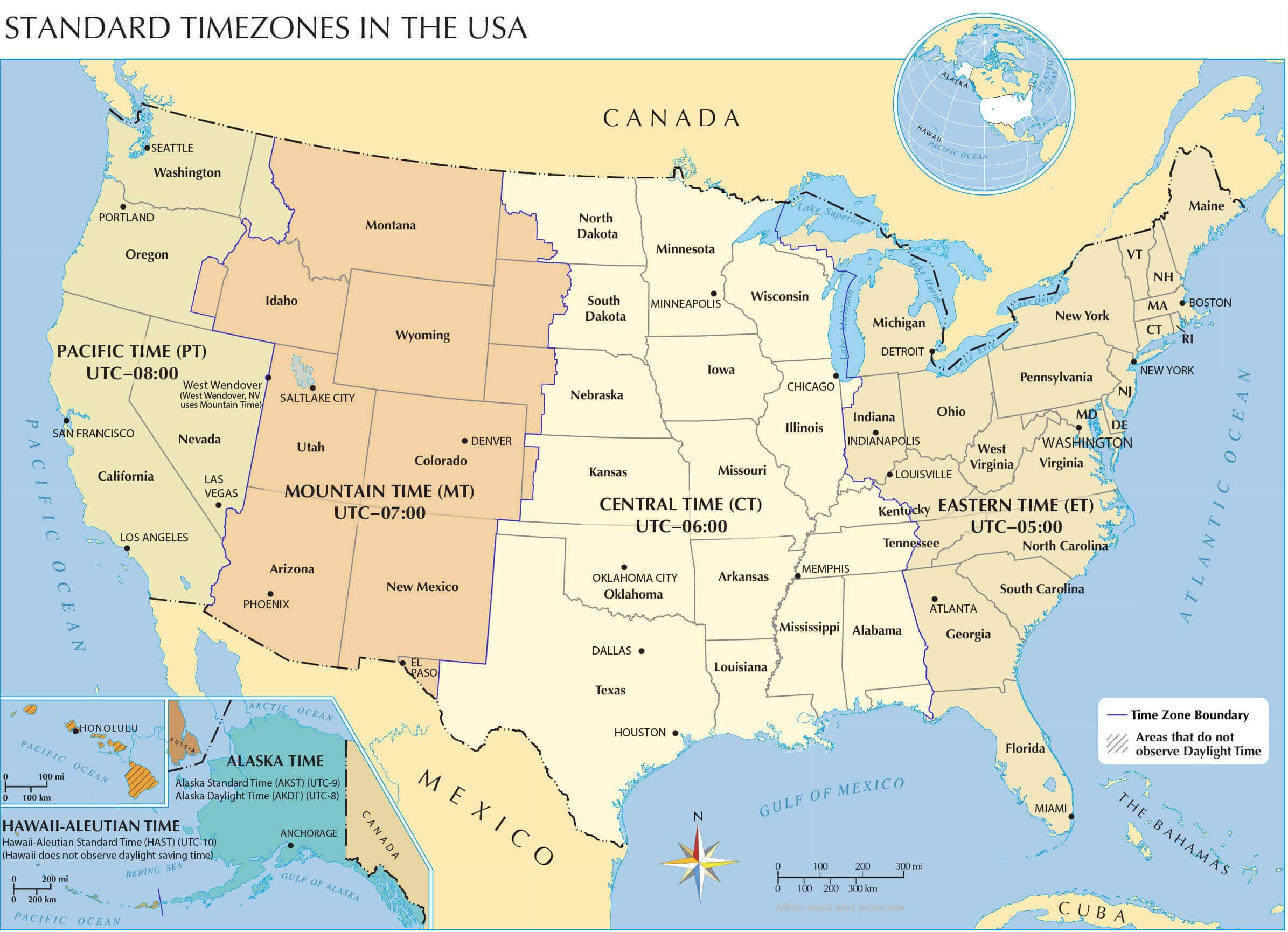
California primarily observes Pacific Time. This means during standard time, it follows Pacific Standard Time (PST), which is UTC-8. As the seasons change, and with the observance of Daylight Saving Time, the state switches to Pacific Daylight Time (PDT), which is UTC-7. This one-hour shift, often referred to as “springing forward” and “falling back,” can have significant implications for visitors arriving from different parts of the globe. From the bustling streets of Los Angeles to the iconic landmarks of San Francisco and the serene beauty of Yosemite National Park, all major destinations within California adhere to this schedule. Understanding this rhythm is the first step towards a seamless and enjoyable California experience, ensuring you’re never caught off guard, whether you’re trying to catch a sunrise hike or make a dinner reservation.
Navigating California’s Time Zones: PST and PDT
For many travelers, particularly those crossing multiple time zones, the concept of local time can seem daunting. However, grasping the nuances of California’s time observance is pivotal for a stress-free journey. The state’s consistent use of Pacific Time simplifies planning, but awareness of its seasonal adjustments is key.
Understanding Pacific Standard Time (PST)
Pacific Standard Time, or PST, is the standard time zone for California during the cooler months. It is observed from early November through mid-March. PST is eight hours behind Coordinated Universal Time (UTC-8). This means that when it’s noon in Greenwich Mean Time (GMT), it’s 4 AM in California during PST.
For travelers arriving from other parts of the United States or international destinations, this time difference is a critical factor. For instance, if you’re flying in from New York City, which is on Eastern Standard Time (EST, UTC-5), you’ll need to set your watch back three hours. Similarly, someone flying from London, United Kingdom (GMT/UTC+0 in winter), would be arriving into an eight-hour time difference. This impacts everything from initial flight bookings to coordinating arrival times with hotels and pre-booked activities. Knowing the precise offset helps mitigate the effects of jet lag and ensures a smoother transition into your California adventure.
Embracing Pacific Daylight Time (PDT)
As the days grow longer and spring arrives, California transitions to Pacific Daylight Time (PDT). This typically occurs on the second Sunday in March when clocks “spring forward” by one hour. PDT is seven hours behind Coordinated Universal Time (UTC-7). This shift provides an extra hour of daylight in the evenings, a welcome change for tourism and outdoor activities, and is observed until the first Sunday in November when clocks “fall back” to PST.
For visitors, the switch to PDT means that sunset occurs later, offering more time to explore attractions like the Santa Monica Pier or enjoy outdoor dining. However, it also means adjusting your body clock to a new setting. If you arrive just before or during this transition, remember to adjust your devices accordingly. This one-hour change can sometimes cause confusion, particularly for international travelers, so always confirm the local time for any scheduled appointments or bookings. The extended daylight hours during PDT are a significant advantage for those looking to maximize their sightseeing, hiking, or beach time across the state.
Why It Matters: Planning Your Itinerary
Understanding PST and PDT is more than just academic; it’s practical. Jet lag, the bane of long-distance travelers, can be significantly eased with proper planning. Arriving from the East Coast or overseas, you might find yourself waking up at 3 AM local time, ready for breakfast, when most of California is still sound asleep. Gradually adjusting your sleep schedule a few days before your trip can help.
Moreover, every aspect of your travel itinerary is tied to local time. Flight departure and arrival times, hotel check-in and check-out windows, guided tour start times, restaurant reservations, and even park operating hours are all set to California’s current time. A simple miscalculation can lead to missed connections, forfeited bookings, or unnecessary stress. Always confirm all your reservations in the local California time. This diligent approach ensures that your precious vacation moments are spent enjoying the beauty and excitement of California, rather than scrambling to catch up.
Beyond the Clock: Maximizing Your California Experience
While understanding the time zones is fundamental, the true magic of California unfolds as you immerse yourself in its diverse offerings, always with an eye on the clock to ensure you experience everything fully. From iconic cityscapes to pristine natural wonders, the state beckons with countless adventures.
Iconic Destinations and Their Local Time
California’s allure lies in its incredible variety of destinations, each promising unique experiences. All these operate uniformly under PST/PDT.
- Los Angeles: The entertainment capital of the world, Los Angeles is a sprawling metropolis offering everything from the glitz of Hollywood Walk of Fame to the relaxed vibes of its numerous beaches. Time your visits to popular attractions like Universal Studios Hollywood to avoid peak crowds, often meaning an early start.
- San Francisco: This iconic city by the bay is famous for its rolling hills, cable cars, and the majestic Golden Gate Bridge. A visit to Alcatraz Island requires booking well in advance, and arrival times are strictly enforced according to local time.
- San Diego: Known for its beautiful beaches, vibrant culture, and family-friendly attractions like Balboa Park, San Diego offers a more laid-back pace. Early morning walks along the coast or sunset cruises are perfectly timed to local daylight hours.
- National Parks: California is home to some of the most breathtaking national parks in the United States. Yosemite National Park, with its towering granite cliffs and ancient sequoias, and Joshua Tree National Park, with its otherworldly desert landscapes, offer incredible hiking and stargazing opportunities. Always check park operating hours, which can vary seasonally, to make sure you have ample time to explore.
- Theme Parks: For families and thrill-seekers, destinations like Disneyland Resort in Anaheim are must-visits. Park opening and closing times are crucial for planning your day and utilizing any early entry benefits, all tied to Pacific Time.
Accommodation: Your California Home Base
Choosing the right accommodation is paramount to a successful trip, and time considerations play a role here too. Whether you’re seeking luxury hotels, charming boutique resorts, or practical vacation rentals, ensuring your check-in aligns with your arrival is vital.
- Booking and Arrival: Always confirm your booking dates and times in local California time. If you’re arriving on an overnight flight, consider booking an extra night to allow for an immediate check-in, rather than waiting for the standard afternoon check-in time. This can be a lifesaver for battling jet lag.
- Diverse Options: California boasts an incredible array of lodging. From the opulent suites of The Beverly Wilshire, A Four Seasons Hotel in Beverly Hills to the historic charm of the Hotel del Coronado in San Diego, or the coastal elegance of The Ritz-Carlton, Laguna Niguel overlooking the Pacific, there’s something for every taste. North of San Francisco, Cavallo Point Lodge offers stunning Golden Gate Bridge views. These establishments understand the needs of travelers arriving from different time zones and often offer amenities to help guests adjust, such as 24-hour room service or flexible concierge services.
- Check-out procedures: Be mindful of check-out times, especially if you have a late flight. Many hotels offer luggage storage or late check-out options, which can be invaluable for making the most of your final day without rushing.
Culinary Delights and Local Experiences
California’s culinary scene is as diverse as its landscapes, from farm-to-table restaurants to exquisite wineries. Your internal clock will play a role in how you experience these.
- Dining Schedules: Travelers from the East Coast might find themselves ready for dinner much earlier than the typical Californian, who often dines later in the evening. Embrace the flexibility; enjoy an early light meal, or simply adapt to the local rhythm.
- Wine Country: The famed wine regions of Napa Valley and Sonoma Valley offer exquisite tasting experiences. Wineries usually have specific opening hours and tour schedules, which are best booked in advance to align with your travel plans.
- Activities and Leisure: Beyond dining, California offers a plethora of activities. Surfing lessons along the coast, hiking in state parks, or exploring vibrant city neighborhoods all have their ideal times. Early mornings often offer the best conditions for outdoor activities, while evenings are perfect for cultural events or enjoying a sunset.
Practical Tips for a Timeless California Journey
A successful trip to California, one where time feels like an ally rather than an obstacle, hinges on smart planning and a few practical considerations.
Adjusting to the Time Difference
Jet lag can significantly impact your initial days in California. Here are some strategies to minimize its effects:
- Pre-Trip Adjustment: A few days before your departure, try to shift your sleep schedule gradually towards California time. Go to bed a little earlier or later, depending on your direction of travel.
- Stay Hydrated: Dehydration can exacerbate jet lag symptoms. Drink plenty of water before, during, and after your flight.
- Light Exercise: Gentle walks or stretches upon arrival can help re-energize your body and signal to it that it’s time to be active.
- Melatonin and Sleep Aids: Some travelers find over-the-counter melatonin supplements helpful in resetting their sleep cycles. Consult with a doctor before using any sleep aids.
- Embrace Daylight: Spend time outdoors in the natural sunlight during your first few days. This helps regulate your body’s circadian rhythm.
Essential Planning and Booking Considerations
Meticulous planning ensures that you maximize every moment of your California trip.
- Confirm All Reservations: Always double-check flight times, hotel check-in/check-out, tour start times, and restaurant bookings, ensuring they are confirmed in California’s local time.
- Travel Insurance: For longer trips or international travel, consider comprehensive travel insurance. This can provide peace of mind in case of unexpected delays or cancellations that might impact your schedule.
- Rental Cars: If you plan to explore beyond the major cities, a rental car is often essential. Book in advance and factor in pick-up and drop-off times relative to your flight schedule.
- Time Zone Converter Apps: Utilize smartphone apps that automatically convert time zones. This can be incredibly useful for coordinating with family or colleagues in different parts of the world.
- Digital vs. Analog Clocks: Ensure all your devices (phone, watch, laptop) automatically update to the correct local time, especially during Daylight Saving transitions.

Lifestyle and Leisure: Embracing the California Vibe
California’s lifestyle is often perceived as laid-back, yet dynamic. How you manage your time can greatly influence your perception of this unique culture.
- Pacing Yourself: Don’t overschedule. Build in downtime to simply relax, soak in the atmosphere, and let your body adjust. The “California pace” often encourages a more mindful approach to life.
- Sunrises and Sunsets: Embrace the natural rhythm of the day. Catching a sunrise over the mountains or a sunset over the Pacific Ocean can be a truly magical, timeless experience.
- Budget vs. Luxury Travel: Whether you’re on a budget travel adventure or indulging in luxury travel, time is your most valuable asset. Budget travelers might spend more time planning public transport routes, while luxury travelers might focus on exclusive experiences with strict timing.
- Family Trips vs. Business Stays: The pace and scheduling for family trips will differ from those on business stays. Families need flexibility for children’s schedules, while business travelers require punctuality for meetings and conferences.
In conclusion, knowing “What’s the time in California?” is far more than a simple fact; it’s a foundational element of successful travel planning for the Golden State. By understanding Pacific Standard Time and Pacific Daylight Time, strategically planning your itinerary, choosing appropriate accommodation, and embracing practical tips for adjustment, you can transform a potential logistical hurdle into a smooth and enriching experience. California’s beauty and vibrant culture await, and with a keen awareness of its rhythm, you are perfectly poised to savor every moment, ensuring a journey that feels timeless, regardless of the clock.
LifeOutOfTheBox is a participant in the Amazon Services LLC Associates Program, an affiliate advertising program designed to provide a means for sites to earn advertising fees by advertising and linking to Amazon.com. Amazon, the Amazon logo, AmazonSupply, and the AmazonSupply logo are trademarks of Amazon.com, Inc. or its affiliates. As an Amazon Associate we earn affiliate commissions from qualifying purchases.