
California, a land of diverse landscapes, iconic landmarks, and vibrant culture, is a top destination for travelers worldwide. From its sun-kissed beaches and bustling cities to its majestic national parks and world-renowned vineyards, the Golden State offers an unparalleled array of experiences. For anyone planning a trip – whether a family vacation, a romantic getaway, or a solo adventure – understanding the local rhythm, especially school schedules, can be incredibly beneficial. The question, “When do schools start in California?”, might seem simple, but its answer holds significant implications for everything from crowd levels at popular attractions to the price of accommodations and flights.
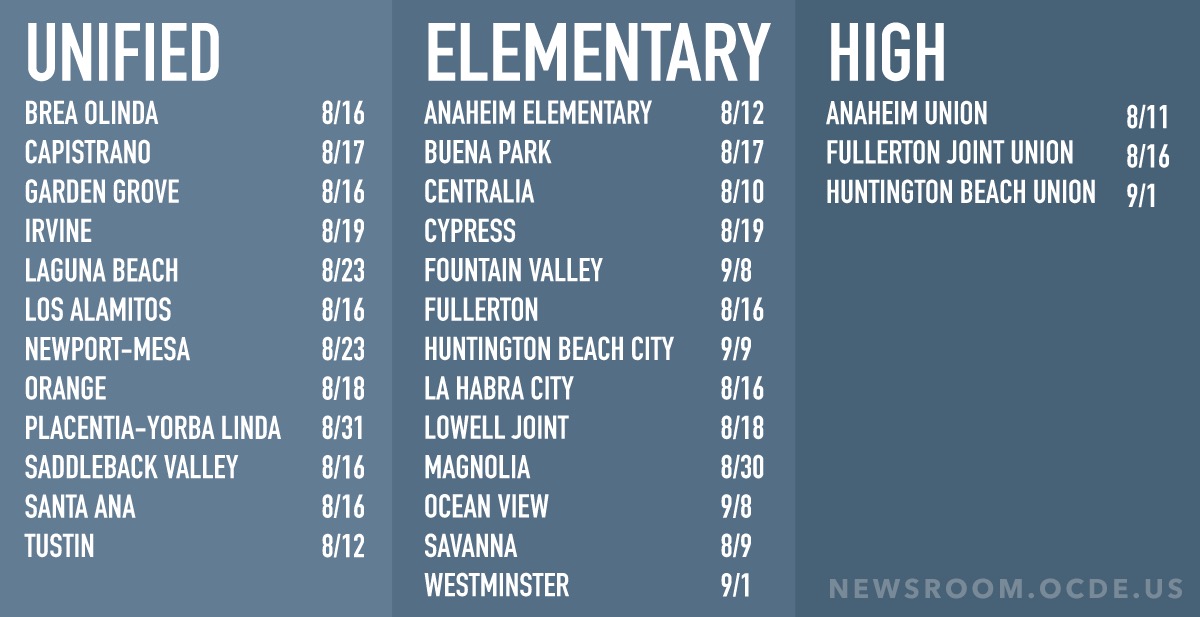
Unlike some countries where a uniform national school calendar dictates start and end dates, California’s educational system is decentralized. This means that each of the state’s more than 1,000 public school districts has the autonomy to set its own academic calendar. While there are common trends, relying on a single date for the entire state would be a mistake when planning your travel. This article will delve into the typical school start times across California, explore the reasons behind the variations, and most importantly, guide you on how this information can be leveraged to enhance your travel experience, whether you’re seeking a serene escape or a budget-friendly adventure.
Understanding these seasonal shifts can transform your journey. Imagine strolling through Disneyland with fewer lines, exploring Yosemite National Park’s stunning vistas in relative solitude, or securing a luxurious suite in San Diego at an unexpectedly low rate. The secret often lies in timing your visit to coincide with the “shoulder season” – those sweet spots just before or after the traditional peak travel periods, often dictated by school holidays. For families traveling with school-aged children, navigating these dates is even more crucial, balancing educational commitments with the desire for memorable family trips. Let’s unlock the secrets to timing your perfect California adventure.
Understanding California’s Diverse School Calendars
The sheer size and demographic diversity of California mean that a one-size-fits-all approach to school scheduling is impractical. From the sprawling urban centers of Los Angeles and San Francisco to the more rural communities, each school district tailors its calendar to meet specific local needs, community traditions, and educational goals. However, general patterns do emerge, providing a framework for understanding when the majority of students head back to class.
The General Timeline: Late August to Early September
Historically, public schools across the United States, including California, commenced classes after Labor Day, which falls on the first Monday of September. This tradition ensured a full summer break for agricultural work and family vacations. While many districts still adhere to a post-Labor Day start, there’s been a noticeable shift over the past two decades towards an earlier return to school.
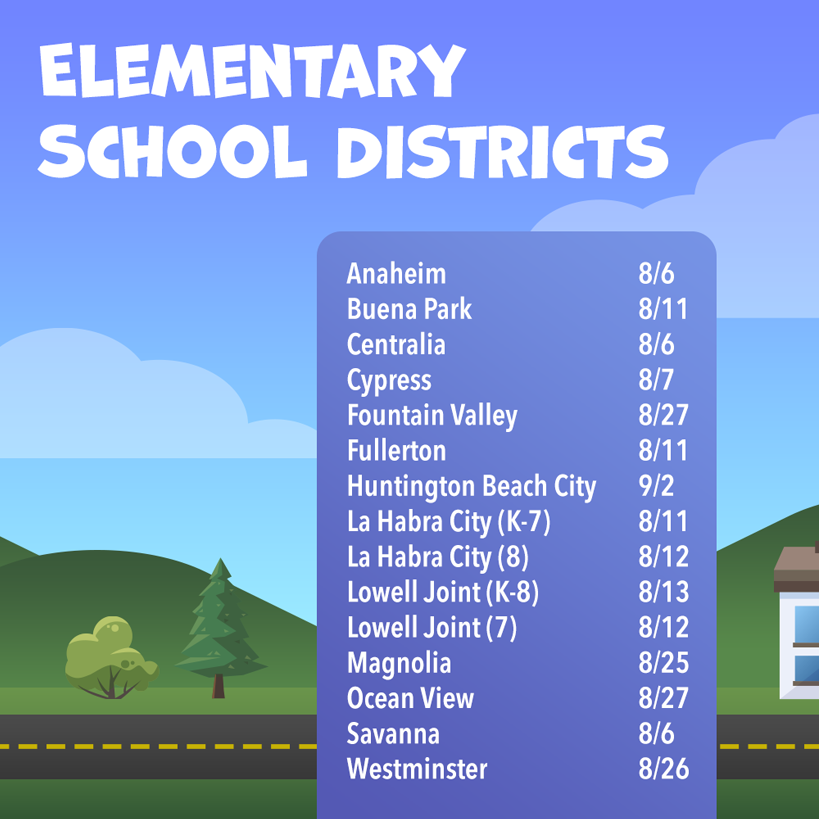
Today, the vast majority of California public schools begin their academic year in mid-to-late August. Some districts might even see students return as early as the second week of August. This earlier start often allows for a longer intersession break in the fall, a longer winter break, and an earlier dismissal for summer vacation, sometimes by late May or early June. The motivation behind this shift often relates to curriculum pacing, allowing for more instructional days before standardized testing periods or enabling students to complete first-semester exams before the winter break. For instance, universities and colleges often operate on a semester system that concludes before the winter holidays, and K-12 schools sometimes aim to align with this model.
District Variations and Key Influencers
To truly pin down a school start date, you need to look at specific school districts. While providing an exhaustive list is impossible due to the sheer number, we can highlight trends in major metropolitan areas that significantly impact tourism and local lifestyle.
- Los Angeles Unified School District (LAUSD): As one of the largest school districts in the United States, LAUSD’s calendar significantly influences the ebb and flow of tourist activity in Southern California. Typically, LAUSD schools start in mid-August, usually the second or third week. This means that by the last week of August, a substantial portion of the local family population is engaged in school routines.
- San Diego Unified School District (SDUSD): Similar to Los Angeles, SDUSD generally commences its academic year in mid-to-late August. This timing has a direct bearing on attractions like San Diego Zoo, SeaWorld, and the city’s popular beaches, which see a noticeable drop in local family crowds after this period.
- San Francisco Unified School District (SFUSD): In Northern California, SFUSD also typically starts school in mid-August, often aligning with the pattern seen in the south. This impacts visitor numbers to iconic sites like the Golden Gate Bridge, Alcatraz Island, and Fisherman’s Wharf.
- Other Major Districts: Districts like Sacramento City Unified School District, Anaheim Union High School District (serving the area around Disneyland), Irvine Unified School District, San Jose Unified School District, Fresno Unified School District, and Oakland Unified School District generally follow this mid-to-late August trend. However, it is always wise to consult the official website of the specific district you’re interested in for the most accurate and up-to-date calendar.
Factors influencing these dates include:
- Total Instructional Days: California law mandates a minimum number of instructional days (typically 180 days for public schools), which schools must schedule within their academic year.
- Holidays and Breaks: Major holidays like Thanksgiving, winter break, and spring break are usually non-instructional days, and the placement of these can shift the start/end dates.
- Local Community Needs: Some districts might adjust calendars for local agricultural cycles, specific community events, or even extreme weather patterns, although the latter is less common in California’s milder climate.
- Year-Round Schedules: A small number of schools or tracks within districts might operate on a year-round calendar, which spaces out breaks more evenly throughout the year, rather than one long summer break. However, the majority follow a traditional schedule.
The Traveler’s Perspective: Navigating Peak and Shoulder Seasons
For travelers, the ripple effect of school start dates is profound. The period when schools are out—primarily June, July, and most of August—is universally recognized as the peak summer travel season in California and across the United States. During this time, families with children have the flexibility to travel, leading to higher demand for everything from theme park tickets to hotel rooms and flights. However, as schools resume classes in August and September, a significant shift occurs, creating what is often referred to as the “shoulder season.” This period, extending through September and into early October, offers a unique window of opportunity for savvier travelers.
Beating the Crowds at California’s Top Attractions
Popular attractions in California are undeniably at their busiest during the summer months. Theme parks like Disneyland in Anaheim and Universal Studios Hollywood in Los Angeles experience maximum capacity, resulting in long lines, crowded walkways, and often higher ticket prices. Similarly, iconic natural wonders such as Yosemite National Park, Sequoia National Park, and Lake Tahoe are swamped with visitors during the peak summer season, making it difficult to find lodging, parking, or even a quiet moment to appreciate the scenery.
However, once schools reopen in mid-to-late August and especially throughout September, there’s a noticeable decrease in domestic family travel. This shift immediately translates to:
- Shorter lines at theme parks: You can often experience more rides and shows in a single day, significantly enhancing the value of your ticket.
- Reduced crowds at national parks and landmarks: Imagine hiking through Yosemite or exploring the Santa Monica Pier with more breathing room. The serene beauty of these locations becomes even more accessible when not obscured by throngs of people.
- Easier reservations at popular restaurants and tours: Securing a table at a coveted restaurant in Napa Valley or booking a specialized tour becomes less competitive.
- Better photo opportunities: Fewer people means clearer shots of the Golden Gate Bridge or the Hollywood sign without countless strangers in your frame.

For travelers prioritizing a more relaxed pace and an authentic experience, timing your visit for the post-school-start period can be a game-changer. The weather across much of California remains pleasant and warm through September, often extending into October, particularly in Southern California and along the coast. This makes the shoulder season ideal for beach activities, hiking, and exploring urban environments without the oppressive summer heat or the intense crowds.
Finding Value in Accommodation and Flights
The principle of supply and demand heavily influences travel costs. During peak seasons, demand for flights, hotels, and car rentals soars, leading to significantly higher prices. Conversely, when demand dips, so do the costs, making travel more accessible for budget-conscious individuals or those seeking more luxurious experiences without the premium price tag.
- Accommodation: Hotels, resorts, apartments, and villas across California often adjust their pricing based on anticipated demand. After schools reopen, many establishments, especially those catering to families, will lower their rates. This could mean the difference between booking a standard room and splurging on a spacious suite with a view, or extending your stay by a few extra nights without breaking the bank. From charming boutique hotels in San Francisco to luxurious resorts in Beverly Hills or family-friendly suites near theme parks, accommodation options become more affordable and offer better value. Look for special “fall” or “back-to-school” promotions that capitalize on this shift in demand.
- Flights: Airfares typically see a substantial drop in September compared to the peak July and August travel months. Airlines, facing reduced demand from families, often introduce competitive pricing to fill seats. This applies to both domestic flights within the United States and international flights arriving at major California airports like Los Angeles International Airport (LAX) or San Francisco International Airport (SFO). Booking travel for the weeks immediately following school restarts can result in significant savings, freeing up your budget for experiences, dining, or shopping.
- Car Rentals: Similar to flights and hotels, car rental prices tend to decrease as the summer rush subsides. This is particularly advantageous for those planning a quintessential California road trip, perhaps along the Pacific Coast Highway from Big Sur to San Diego, offering more affordable vehicle options for exploring the state’s vast attractions.
By strategically planning your trip around California’s school calendars, you can enjoy a more peaceful, pleasant, and budget-friendly travel experience, maximizing your enjoyment and minimizing stress.
Planning Your California Getaway: Lifestyle Considerations
The school calendar not only dictates the flow of tourists but also profoundly influences the lifestyle of local residents. This creates distinct atmospheres during different times of the year, offering varied experiences for visitors. Understanding these nuances can help you align your travel goals with the state’s prevailing mood and activities.
Family-Friendly Adventures and Last-Minute Summer Escapes
For families with school-aged children, timing is paramount. The traditional summer break (June, July, and early August) remains the most viable period for extended family vacations without impacting school attendance. During this time, California buzzes with family-centric activities, from theme park specials to kid-friendly events at museums and zoos. Resorts and hotels often ramp up their family amenities, offering kids’ clubs, specialized entertainment, and larger family suites.
However, for those willing to embrace a “last-minute summer escape” strategy, the first two to three weeks of August present a unique opportunity. While some schools might have already started, many are still enjoying their final weeks of freedom. This brief window often sees slightly reduced crowds compared to peak July, and sometimes the very first signs of accommodation price adjustments begin to appear. It’s a sweet spot for families who want to squeeze in one more adventure before the academic year fully kicks in, offering a taste of the peak summer vibrancy without the absolute highest price points or overwhelming crowds. Booking in advance for this period is still recommended, but the travel landscape starts to become more forgiving.
Furthermore, if your family is open to or requires travel during school terms, consider the benefits of a “shoulder season” trip for educational purposes. Visiting historical landmarks, national parks, or cultural institutions in a less crowded environment can enhance learning and create a more immersive experience for children. This strategy often requires coordination with schools, but the rewards in terms of peace and deeper engagement can be significant.
The Benefits of Off-Season Travel for Every Budget
Beyond families, the implications of school schedules extend to all types of travelers, including couples, solo adventurers, and business travelers. The “off-season” or “shoulder season” (primarily September, October, and parts of November before the winter holiday rush) offers a truly elevated California experience.
- Luxury Travel: For those seeking a luxury travel experience, the shoulder season means better availability for premium accommodations such as exclusive resort villas, high-end suites, or coveted reservations at Michelin-starred restaurants in San Francisco or Napa Valley. You might find that a stay at a world-class spa resort in Palm Springs or a wine tasting tour in Sonoma Valley feels more intimate and personalized without the intense summer demand. The serene atmosphere allows for a deeper appreciation of the bespoke services and amenities offered.
- Budget Travel: Conversely, for budget-conscious travelers, the post-school-start period is prime time for savings. Cheaper flights and hotels, reduced rates for car rentals, and even promotional deals on attractions and tours become more common. This allows travelers to extend their trips, explore more destinations within California, or simply enjoy the state’s offerings without financial strain. You might find excellent hostel deals in vibrant cities or score a fantastic price on a cozy Airbnb near the coast. Many outdoor activities, like hiking in the Sierra Nevada Mountains or exploring Death Valley National Park (when temperatures are more forgiving), are inherently affordable and become even more appealing with lower crowds.
- Solo and Couple’s Getaways: Without the constant presence of large family groups, the shoulder season fosters a more tranquil and romantic ambiance. Couples can enjoy quieter dinners, unhurried walks on the beach, or more intimate experiences at wineries and cultural sites. Solo travelers can find more space for reflection and personal exploration, whether it’s hiking a trail in Joshua Tree National Park or exploring the unique neighborhoods of San Francisco.
The flexibility offered by fewer crowds and better prices means travelers can design a trip that perfectly aligns with their personal lifestyle preferences, whether that’s an indulgent retreat, an adventurous exploration, or an economical yet enriching journey.
Essential Resources for Trip Planning
Knowing when schools start in California is just the first step in planning an unforgettable trip. The next is leveraging this knowledge with practical planning tools and resources to ensure a seamless experience.
- Official School District Websites: For precise dates, always refer to the official websites of specific school districts if your travel plans are highly dependent on avoiding or engaging with local school crowds. A quick search for “[City Name] Unified School District Calendar” will typically yield the most accurate information.
- Travel Aggregators and Booking Sites: Utilize platforms for comparing flight prices, hotel rates, and car rentals. Set up price alerts for your desired travel dates, particularly for late August and September, to catch those post-peak season deals.
- Accommodation Reviews and Comparisons: Websites offering booking, reviews, and comparison tools for hotels, suites, resorts, apartments, and villas are invaluable. Pay attention to guest reviews from different times of the year to gauge changes in atmosphere and service quality as crowd levels fluctuate.
- Local Tourism Boards: Official tourism websites for cities like Los Angeles, San Diego, San Francisco, and regions like Napa Valley often provide event calendars that can help you plan around local festivities or quieter periods.
- Travel Guides and Blogs: Websites like Life Out of the Box offer comprehensive guides on California destinations, attractions, and experiences, often including tips for different travel seasons, family trips, luxury travel, and budget travel. These resources can help you discover hidden gems or plan itineraries tailored to shoulder season advantages.
In conclusion, while there isn’t a single universal school start date for all of California, the general trend points to a return to classes in mid-to-late August for most districts. This information is a powerful tool for any traveler. By understanding these schedules, you can strategically plan your visit to avoid peak crowds, secure better deals on flights and accommodations, and experience the Golden State in a more relaxed and authentic way. Whether you’re chasing the thrill of theme parks, the tranquility of national parks, or the vibrant culture of its cities, timing your California adventure with its school calendar can unlock a truly remarkable travel experience.
LifeOutOfTheBox is a participant in the Amazon Services LLC Associates Program, an affiliate advertising program designed to provide a means for sites to earn advertising fees by advertising and linking to Amazon.com. Amazon, the Amazon logo, AmazonSupply, and the AmazonSupply logo are trademarks of Amazon.com, Inc. or its affiliates. As an Amazon Associate we earn affiliate commissions from qualifying purchases.