
The question of when gold was discovered in California isn’t just a simple date; it marks the beginning of one of the most transformative periods in American history, a phenomenon that reshaped a nascent state, propelled a nation’s expansion, and ignited a global fever. The official discovery that set off the infamous California Gold Rush occurred on January 24, 1848, an event that would forever alter the landscape, demography, and economy of the American West. This singular moment, seemingly innocuous at its inception, triggered an unparalleled migration, creating instant cities, forging new industries, and leaving an indelible legacy that continues to draw travelers and history enthusiasts to the Golden State today.
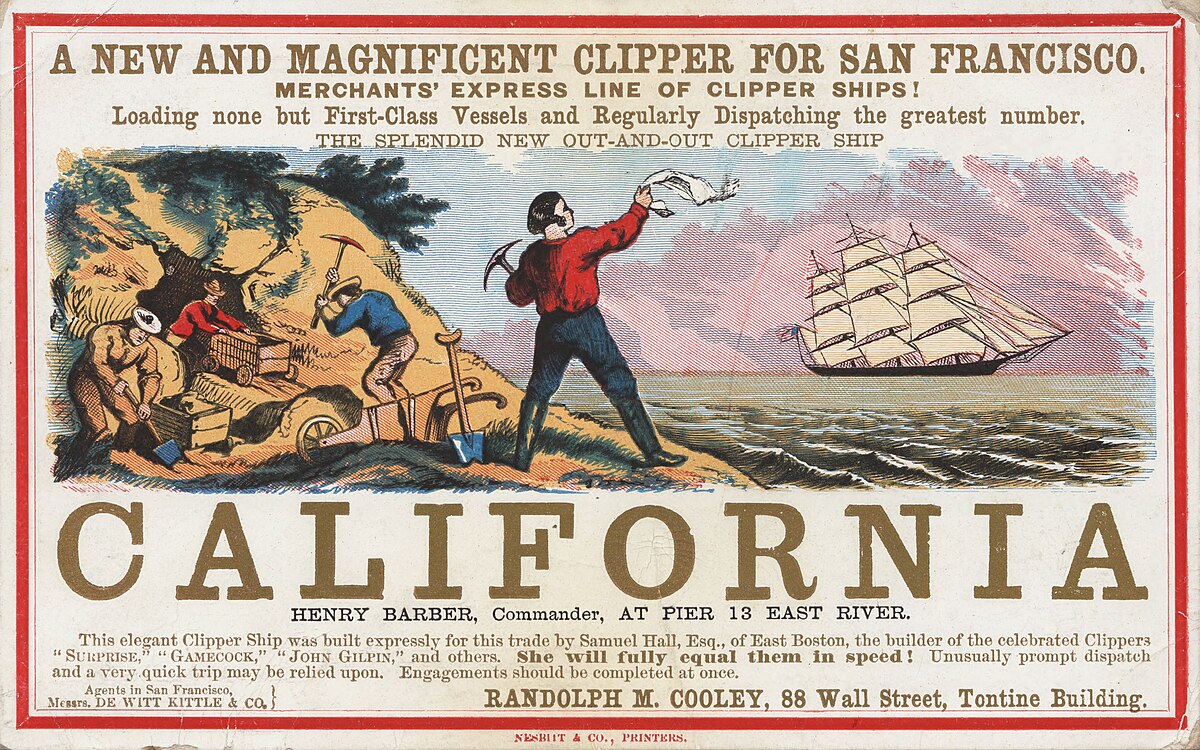
Before this pivotal discovery, California was a remote and sparsely populated territory, recently acquired by the United States from Mexico through the Treaty of Guadalupe Hidalgo. Its reputation was primarily agricultural, with vast ranches and missions defining its cultural and economic identity. The notion of a land rich in precious metals was largely theoretical, or at least, not widely publicized in a way that would stir the masses. All of that changed with a glimmer in a stream, turning California from a quiet frontier into a global magnet overnight.
The Spark: A Chance Discovery at Sutter’s Mill
The scene of the initial gold discovery was utterly unremarkable. It was a typical workday at a sawmill being constructed by John Sutter, a prominent Swiss pioneer who had established Sutter’s Fort near present-day Sacramento. Sutter envisioned an agricultural empire in the fertile Sacramento Valley, and the sawmill was crucial for providing lumber for his expanding ventures. Little did he know, this very mill would be the catalyst for the unraveling of his carefully constructed plans and the beginning of a new chapter for California.
The Man Behind the Moment: James W. Marshall
The individual credited with the discovery was James W. Marshall, a carpenter and millwright hired by Sutter to oversee the construction of the sawmill. The mill was located on the South Fork of the American River in a valley known as Coloma. On that fateful morning of January 24, 1848, Marshall was inspecting the tailrace – the channel that carried water away from the mill wheel – to ensure it was deep enough. He had opened the sluice gate the previous evening to allow the rushing water to wash away sand and debris, and now, in the clear morning light, he was surveying the results.
As he walked along the ditch, his eye caught a peculiar glint beneath the surface of the water. He reached down and picked up several small, yellowish flakes. Their weight and malleability immediately suggested they were not “fool’s gold” (pyrite) but something far more valuable. Marshall performed a rudimentary test, hammering one of the flakes flat, confirming its metallic nature. His heart must have quickened with a mix of disbelief and awe. He had found gold.
The Unintended Revelation
Marshall brought his findings to Sutter, who initially tried to keep the discovery a secret, understanding that a gold rush would jeopardize his agricultural plans. He feared the abandonment of his laborers and the potential for chaos. However, news of such magnitude could not be contained. Word slowly seeped out, carried by workers, merchants, and restless adventurers. One key figure in spreading the news was Samuel Brannan, a storekeeper and newspaper publisher in San Francisco. In May 1848, Brannan famously paraded through the streets of San Francisco with a vial of gold dust, shouting, “Gold! Gold! Gold from the American River!” This public announcement was the match that lit the fuse, transforming whispers into shouts and setting in motion a mass migration.
The timing of the discovery was also historically significant. It occurred just nine days before the signing of the Treaty of Guadalupe Hidalgo, which formally transferred California from Mexico to the United States. Had the discovery been widely known earlier, the negotiations might have taken a very different turn, or California might never have been so easily acquired. The hidden wealth of the land was a jackpot the United States unknowingly won.
The Avalanche: News Spreads and the Rush Begins
Once Samuel Brannan’s dramatic announcement, along with official reports confirming the gold strikes, reached the East Coast and then the world, the trickle of fortune-seekers became a torrent. The year 1849 saw the largest influx, lending the moniker “Forty-Niners” to those who flocked to California in pursuit of wealth. People from all walks of life—farmers, merchants, lawyers, doctors—abandoned their homes, families, and livelihoods, gripped by the pervasive “gold fever.”
The Forty-Niners and Their Perilous Journeys
The journey to California was itself an epic undertaking, a testament to the powerful allure of gold. There were three primary routes:
- The Overland Trail: Thousands journeyed by land, typically starting from Missouri or other points along the Mississippi River. They traveled in wagon trains, facing immense hardships: brutal weather, scarce water, disease, rugged terrain across the Great Plains, the Rocky Mountains, and the daunting Sierra Nevada range. This journey could take anywhere from four to six months, and many did not survive.
- Sea Route Around Cape Horn: For those who could afford it, sailing around the southern tip of South America was an alternative. This voyage was long and dangerous, often taking five to eight months, battling treacherous storms and the isolation of the open ocean. Ships were often overcrowded, and provisions dwindled.
- The Panama Shortcut: A third, faster but still risky option involved sailing to Panama, crossing the Isthmus overland through dense jungle, and then catching another ship up the Pacific coast to California. This route was fraught with tropical diseases like cholera and malaria, and the logistics of securing passage on the second leg were often chaotic and expensive.
The demographics of the “Forty-Niners” were incredibly diverse, reflecting the global reach of the gold news. While a significant portion came from the eastern United States, others arrived from China, Europe, South America, and Australia. Each group brought their own cultures, skills, and ambitions, contributing to the vibrant, albeit often contentious, melting pot that became California.
Boomtowns and the Birth of a State
The arrival of hundreds of thousands of fortune-seekers transformed California almost overnight. Small settlements exploded into bustling boomtowns, often without any semblance of law or order. Places like San Francisco, a sleepy port town, mushroomed into a major urban center. Demand for goods and services soared, making instant fortunes for merchants and entrepreneurs who catered to the miners, sometimes more successfully than the miners themselves.
The rapid population growth forced the hand of the federal government. With an estimated population increase from about 15,000 in 1848 to over 100,000 by 1849, California needed structure. In 1850, largely due to the influx of miners and settlers, California was admitted to the Union as the 31st state, bypassing the traditional territorial phase. This swift statehood was a direct consequence of the gold rush, fundamentally reshaping the political map of the United States.

Life in the mining camps was harsh. While some struck it rich, many more found only disappointment and hardship. Diseases were rampant, sanitation was poor, and violence was common. The early, easily accessible placer gold deposits (gold found in riverbeds) quickly diminished, forcing miners to adopt more complex and destructive methods, such as hydraulic mining, which forever altered California’s waterways and landscapes.
Gold’s Enduring Legacy: Shaping California and Beyond
The immediate impact of the gold rush was immense, but its long-term consequences have been even more profound, touching every aspect of California’s development and contributing significantly to the broader American narrative.
Economic and Demographic Transformation
The California Gold Rush provided a massive injection of wealth into the global economy, stimulating trade and industrial growth. It accelerated the development of infrastructure, including roads, ports, and eventually railroads, to connect California with the rest of the United States. San Francisco emerged as a vital port city and financial hub, a status it largely retains today.
Demographically, the rush created a multicultural society, bringing together people from diverse backgrounds. While this led to innovation and dynamism, it also fueled ethnic tensions, discrimination, and conflicts, particularly against Native Americans, Chinese immigrants, and Mexicans. The push for land and resources led to the displacement and decimation of indigenous populations and the establishment of discriminatory laws.
Environmentally, the impact was devastating. The intense mining activities, especially hydraulic mining, scoured hillsides, choked rivers with sediment, and destroyed natural habitats. The scars of this era are still visible in parts of California’s Gold Country.
Modern Day Echoes: Tourism and Historical Preservation
Today, the spirit of the California Gold Rush continues to draw interest, albeit for different reasons. The historical sites and charming towns that sprang up during the era are now major tourist attractions, forming a vital part of California’s tourism industry. Travelers are keen to explore the rich history, walk the same paths as the “Forty-Niners,” and experience a glimpse of that bygone era.
For those interested in exploring this captivating period, California’s Gold Country offers an abundance of opportunities. From preserved mining towns to interactive museums, the legacy of gold lives on.
Planning Your Own Gold Rush Adventure
Venturing into California’s Gold Country is a fantastic way to immerse yourself in this pivotal chapter of history. It offers a blend of historical exploration, scenic beauty, and authentic local experiences, making it an ideal destination for history buffs, families, and solo adventurers alike.
Must-Visit Historical Sites
- Marshall Gold Discovery State Historic Park in Coloma: This is where it all began. Visitors can see a replica of Sutter’s Mill, pan for gold in the American River, explore historical buildings, and visit the James W. Marshall Monument. It’s an incredibly educational and picturesque site.
- Sutter’s Fort State Historic Park in Sacramento: Located in the heart of the capital city, this meticulously restored fort offers a look into John Sutter’s ambitious agricultural outpost before gold fever swept through. Costumed docents and living history events bring the past to life.
- Columbia State Historic Park: Known as the “Gem of the Southern Mines,” Columbia is a remarkably preserved gold rush town. Here, you can ride a stagecoach, watch blacksmiths at work, explore historic shops, and even pan for gold. It’s like stepping back in time.
- Empire Mine State Historic Park in Grass Valley: This park showcases one of California’s oldest, largest, and richest hard rock gold mines. Visitors can tour the mine owner’s mansion, explore the mining operations, and learn about deep-vein mining techniques.
- Bodie State Historic Park: While a bit off the main Gold Country trail, this is perhaps the best-preserved ghost town from the era. Maintained in a state of “arrested decay,” it offers an authentic, eerie glimpse into a town abandoned when the gold ran out.

Accommodation and Travel Tips
When planning a trip to California’s Gold Country, consider staying in some of the charming historic towns like Nevada City, Sonora, or Jackson. These towns offer a range of accommodation options, from cozy bed-and-breakfasts housed in historic buildings to modern hotels. Many boutique hotels in these areas embrace the local history in their design and amenities, offering a unique travel experience. You might find properties that date back to the 1800s, providing a tangible connection to the past.
For example, a stay at a historic inn like the National Hotel in Jackson or a modern resort with rustic charm offers a comfortable base for exploration. Consider booking accommodations in advance, especially during peak season, as the region is popular with both domestic and international tourists.
Dining experiences often feature farm-to-table cuisine, reflecting California’s rich agricultural heritage, which ironically, was John Sutter’s original vision for the land. Many towns also boast excellent local wineries, a testament to the region’s diverse economic development post-gold rush.
Driving is the most practical way to explore Gold Country, allowing you the flexibility to stop at various landmarks and enjoy the scenic routes through the Sierra Nevada foothills. The best times to visit are spring and fall, when the weather is mild and the landscapes are particularly beautiful. Summers can be hot, especially in the valley regions, while winters in the higher elevations can bring snow.
In conclusion, the discovery of gold on January 24, 1848, was far more than a historical footnote; it was a pivotal moment that irrevocably changed California and cast a golden glow across the global imagination. From the tranquil banks of the American River to the bustling streets of San Francisco, the California Gold Rush embodies the spirit of adventure, the pursuit of fortune, and the enduring power of a single discovery to shape the destiny of millions. Its legacy continues to thrive, inviting new generations to explore its captivating story through travel, historical tourism, and the preservation of its remarkable landmarks.
LifeOutOfTheBox is a participant in the Amazon Services LLC Associates Program, an affiliate advertising program designed to provide a means for sites to earn advertising fees by advertising and linking to Amazon.com. Amazon, the Amazon logo, AmazonSupply, and the AmazonSupply logo are trademarks of Amazon.com, Inc. or its affiliates. As an Amazon Associate we earn affiliate commissions from qualifying purchases.