
The San Andreas Fault is not just a geological curiosity; it is a monumental rift in the Earth’s crust that defines much of the landscape and history of California. For travelers, this iconic fault line presents a unique opportunity to journey through diverse terrains, witness dramatic geological formations, and engage with a dynamic natural world. Far from being a mere line on a map, the San Andreas Fault offers a fascinating backdrop for a variety of travel experiences, from rugged outdoor adventures to luxurious resort stays, all while revealing the powerful forces that continue to shape our planet. This article will guide you through its extensive path, highlight key locations where you can experience its presence, and explore the myriad tourism, accommodation, and lifestyle opportunities that flourish along its formidable stretch. Whether you’re a geology enthusiast, an intrepid explorer, or simply seeking a unique California adventure, understanding where the San Andreas Fault lies opens up a world of discovery.
Tracing the Fault Line: A Journey Across California
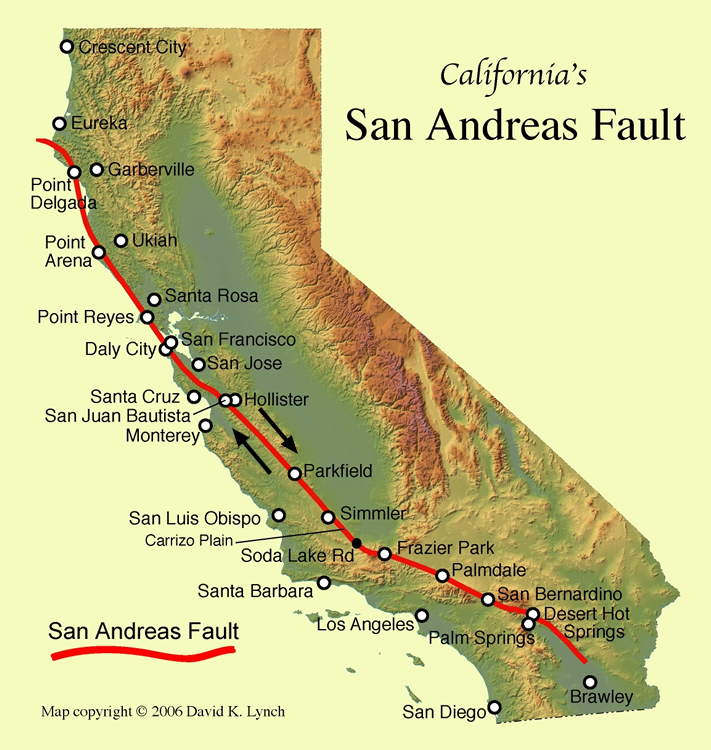
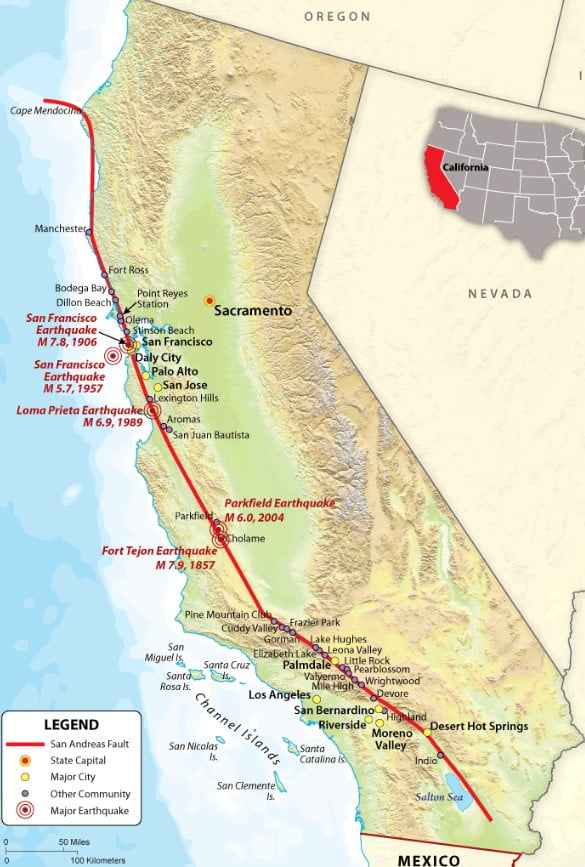
The San Andreas Fault is a right-lateral strike-slip fault, meaning that the Pacific Plate on the west side moves northward relative to the North American Plate on the east side. This massive geological feature extends approximately 800 miles (1,300 kilometers) through California, making it one of the longest faults in the world. Its sheer length means that experiencing the fault involves traversing a vast array of California’s most iconic and diverse landscapes, offering travelers a truly comprehensive tour of the Golden State. From windswept coastal headlands to sun-baked desert valleys, the fault’s presence is etched into the very topography, influencing everything from mountain ranges and valleys to the placement of towns and cities.
From Northern Shores to Southern Deserts
The journey along the San Andreas Fault begins dramatically in Northern California. While parts of the fault run offshore in the far north, it makes its way inland near Point Arena in Mendocino County. Here, visitors can witness the rugged beauty of the Mendocino Coast, where the fault has sculpted dramatic cliffs and coves. A bit further south, the fault passes through the picturesque Point Reyes National Seashore. This area is a prime spot for viewing the fault’s effects, with clear geological evidence visible, including offset fences and stream beds. The 1906 San Francisco earthquake famously shifted the land here by as much as 20 feet, and a historical earthquake trail allows visitors to walk directly over the fault line and understand its immense power. The fault then dives back offshore, skirting the San Francisco Bay Area, though numerous smaller, associated faults weave through the urban landscape, influencing the region’s famed hills and valleys.
Moving into Central California, the fault emerges significantly inland, creating some of the most visible and accessible expressions of its geological power. One of the most famous points along this stretch is Parkfield, often dubbed the “Earthquake Capital of the World” due to its frequent, albeit generally small, seismic activity. This tiny town is a hub for earthquake research, and visitors can drive through areas where the fault is clearly identifiable by displaced roads and fence lines. Southwest of Parkfield, the fault cuts through the spectacular Carrizo Plain National Monument. This remote, vast grassland is perhaps the best place in California to visually trace the fault line from the ground and even from aerial views. The “Wallace Creek” site within the monument is a celebrated example of stream offset, where the creek has been repeatedly bent by the fault’s movement over thousands of years, offering a compelling visual lesson in plate tectonics. The rolling hills and wildflower blooms of the Carrizo Plain offer a serene yet powerful encounter with the fault’s presence, ideal for nature enthusiasts and photographers.
The San Andreas Fault then sweeps southeast into Southern California, becoming an increasingly dominant feature of the desert landscape. It carves its way through regions north of Los Angeles, passing near cities like Palmdale and through the dramatic terrain around Wrightwood in the San Gabriel Mountains. Here, the fault creates sharp valleys, sag ponds, and distinct linear features easily observed from scenic drives or hiking trails. Further south, the fault dives beneath the rapidly developing urban and agricultural areas of the Coachella Valley, influencing the geothermal activity that feeds the hot springs of Desert Hot Springs. It passes just east of Palm Springs, an oasis city renowned for its resorts and vibrant lifestyle, yet sitting within arm’s reach of one of the world’s most active fault lines. The fault’s southernmost visible trace is often associated with the Salton Sea, a vast, intriguing body of water in the low-lying Colorado Desert, where its impact contributes to the region’s unique hydrology and seismic profile before it continues its journey into Mexico.
Key Locations and How to Witness the Fault
To truly appreciate the San Andreas Fault, travelers should seek out specific locations where its presence is undeniably clear. In Northern California, the Point Reyes National Seashore offers marked trails and interpretive signs that explain the fault’s role in the 1906 earthquake. The Earthquake Trail is particularly insightful, with an offset fence providing tangible proof of the ground’s movement. For those in the San Francisco Bay Area, while the main fault is offshore, a visit to the Hayward Fault, a major branch, can be experienced through walking tours in Oakland and Berkeley, where creeping movement has slowly warped streets and buildings.
Central California provides some of the most striking visual evidence. The Carrizo Plain National Monument is unparalleled for its raw, unfiltered view of the fault. The easily accessible Wallace Creek site is a must-see for anyone interested in geology. Additionally, the small town of Parkfield offers a unique perspective on a community built directly on top of the fault, complete with signage and an observatory focused on seismic monitoring. Hiking trails in Pinnacles National Park, though not directly on the San Andreas Fault, offer insights into the volcanic activity and rock formations that are intrinsically linked to the broader tectonic activity of the region.
In Southern California, the fault’s influence is widespread and offers diverse ways to interact with it. The San Andreas Fault runs near Palmdale, where aerial tours can provide breathtaking perspectives of its linear features cutting across the landscape. The desert regions offer numerous opportunities for guided jeep tours, particularly around Palm Desert and Indio, which take visitors directly to visible fault scarp features, sag ponds, and pressure ridges. Companies like Desert Adventures or Red Jeep Tours offer immersive experiences that explain the fault’s geology and its impact on the local environment and ecosystems. These tours often highlight the unique flora and fauna adapted to these tectonically active zones, such as the California Fan Palm Oasis formed by natural springs along the fault line. Further south, near the Salton Sea, visitors can observe the fault’s role in shaping this distinctive body of water and the surrounding geothermal areas, providing a blend of geological intrigue and ecological wonder.
Experiencing the San Andreas: Travel & Tourism Opportunities
Beyond simply locating the San Andreas Fault, travelers can immerse themselves in a range of experiences that blend adventure, education, and relaxation, all inspired by this geological marvel. The fault’s vast reach means that its surrounding regions are ripe with opportunities for various types of tourism, catering to diverse interests and travel styles. Whether you seek adrenaline-pumping excursions or serene moments of natural beauty, the fault acts as a dramatic backdrop.
Adventure and Exploration Along the Fault
For adventure seekers, the San Andreas Fault corridor is a playground. Hiking is undoubtedly one of the best ways to explore the fault, with trails ranging from easy walks to challenging treks. In Point Reyes National Seashore, the Earthquake Trail is a gentle, informative walk, while more strenuous options exist within the park for those looking to explore more rugged coastal areas shaped by tectonic activity. In Central California, the Carrizo Plain National Monument offers vast expanses for hiking, off-road driving (on designated routes), and wildlife viewing, particularly during the spring wildflower season when the landscape bursts into vibrant color, highlighting the fault’s linear scars.

Southern California’s desert regions are particularly rich in adventure tourism related to the fault. Guided jeep and ATV tours in areas like Palm Desert, La Quinta, and Borrego Springs offer thrilling rides through fault zones, dry washes, and canyons. These tours often combine geological insights with ecological education, pointing out unique desert adaptations and the surprising biodiversity that thrives in these seemingly harsh environments. Mountain biking enthusiasts will find challenging trails in the foothills of the San Gabriel Mountains and around Wrightwood, where the fault has created dramatic elevation changes and technical terrain. For a more unique perspective, some helicopter tours operate out of Palm Springs, offering unparalleled aerial views of the fault’s linear features, dry lake beds, and the expansive Coachella Valley.
Beyond physical exploration, the fault also inspires educational adventures. Numerous visitor centers and museums, particularly in seismic hotspots, offer exhibits and programs detailing earthquake science, fault mechanics, and preparedness. Engaging with these resources provides a deeper understanding of the natural forces at play and fosters a greater appreciation for California’s dynamic geology.
Accommodation and Lifestyle Choices
The diverse regions traversed by the San Andreas Fault offer a spectrum of accommodation and lifestyle experiences to suit every traveler’s preference and budget. Whether you’re seeking opulent luxury, rustic charm, or family-friendly convenience, you’ll find options thoughtfully integrated into the landscapes influenced by the fault.
In Southern California, particularly around Palm Springs and the Coachella Valley, travelers can indulge in high-end lifestyle experiences. This area is famous for its luxurious resorts, boutique hotels, and opulent private villas. Many establishments, like The Parker Palm Springs or Hyatt Regency Indian Wells Resort & Spa, offer world-class amenities including golf courses, spas (some utilizing local geothermal waters from fault activity), and fine dining. These accommodations provide a perfect blend of relaxation and access to geological tours, offering a “luxury adventure” style of travel. Desert Hot Springs, located directly on a branch of the San Andreas Fault, is renowned for its natural hot mineral water spas, providing a unique wellness tourism experience that directly taps into the geological bounty of the region.
For those exploring Northern California or the San Francisco Bay Area, accommodation options range from chic urban hotels in San Francisco to charming bed and breakfasts along the Mendocino Coast or near Point Reyes. Hotels in San Francisco, such as the Fairmont San Francisco or the St. Regis San Francisco, cater to those interested in blending city exploration with day trips to the nearby fault-affected coastline. For budget-conscious travelers or those seeking a more immersive outdoor experience, camping and RV parks are abundant in national and state parks along the fault’s path, including within or near Point Reyes National Seashore and the remote areas of the Carrizo Plain National Monument. These offer a fantastic way to connect with nature and experience the raw beauty of the landscapes.
Family trips can be enriched by staying in vacation rentals, such as apartments or villas, which offer more space and amenities. Many towns along the fault, from Santa Cruz to Palm Springs, have a robust market for Airbnb and other rental platforms, providing a home-away-from-home feel. For a blend of adventure and comfort, consider staying in a glamping site or a rustic lodge, which can offer unique experiences close to nature without sacrificing certain comforts. The lifestyle choices are as varied as the landscape itself: from wine tasting tours in the Temecula Valley or Napa Valley (areas whose geological history is also shaped by tectonic forces) to spa retreats and golf vacations.
Beyond the Geology: Impact and Cultural Significance
The San Andreas Fault is more than just a line in the ground; it’s a fundamental part of California’s identity, influencing everything from the state’s natural beauty to its pioneering spirit and architectural resilience. Understanding its broader impact enriches any visit and provides context to the diverse landscapes and vibrant communities encountered.
Living on the Edge: Understanding Earthquake Preparedness
While the dramatic geology of the San Andreas Fault draws many visitors, it also underscores the reality of living in an active seismic zone. For travelers, understanding earthquake preparedness isn’t about fear, but about respectful engagement with the natural environment. California is a leader in seismic engineering and public safety, and this resilience is part of its unique character. Many public facilities, hotels, and tourist attractions adhere to stringent building codes designed to withstand seismic events. Visitors staying in California accommodation, especially in major cities like San Francisco or Los Angeles, can often find information in their rooms about what to do in case of an earthquake (drop, cover, and hold on). Museums and visitor centers along the fault, such as those at the California Academy of Sciences in San Francisco or the Natural History Museum of Los Angeles County, often have exhibits dedicated to earthquake science and safety, offering educational insights that are both fascinating and practical. Experiencing the fault is thus not just about seeing geological features, but also appreciating the human ingenuity and adaptability in coexisting with powerful natural forces.
Landmarks and Attractions Shaped by Tectonic Forces
The dynamic geology of the San Andreas Fault has directly and indirectly created or influenced many of California’s most famous landmarks and attractions. The very topography of the state, including its dramatic mountain ranges, fertile valleys, and unique coastal features, is a direct result of plate tectonics. The San Francisco Bay itself is a tectonic feature, formed by the warping and erosion of land in a tectonically active zone. The famously beautiful Big Sur coastline, while not directly on the San Andreas Fault, is part of the same tectonically active Pacific Plate boundary, leading to its dramatic cliffs and rugged beauty.
Further inland, the geothermal springs of Desert Hot Springs are a direct manifestation of the fault’s activity, heating water deep beneath the Earth’s surface and bringing it to the surface, creating a unique spa destination. The distinctive landscape of Joshua Tree National Park, with its iconic rock formations and unique ecosystems, lies within the broader Mojave Desert region, which is heavily influenced by the complex network of faults in Southern California. Even the fertile agricultural lands of the Central Valley owe their existence to the geological processes that formed the surrounding mountain ranges, indirectly linked to the fault system.
Culturally, the fault has inspired countless stories, films, and works of art, cementing its place in the popular imagination. While often portrayed dramatically, its true influence lies in its subtle shaping of communities, fostering a unique relationship between Californians and their ever-changing landscape. Visitors exploring the fault can connect with this deeper narrative, seeing how nature’s raw power has shaped both the land and the spirit of its inhabitants.
From the fog-shrouded northern coast to the sun-baked southern deserts, the San Andreas Fault is an indelible feature of California’s identity. It offers travelers an unparalleled opportunity to engage with powerful geological forces, discover stunning landscapes, and enjoy a rich tapestry of travel experiences. Whether you’re embarking on an adventurous trek, seeking a luxurious desert escape, or simply wishing to understand the dynamic Earth beneath your feet, the fault provides a compelling itinerary. Its visible scars, geothermal wonders, and seismically active zones are not just points of scientific interest but gateways to adventure, relaxation, and a deeper appreciation for the Golden State’s extraordinary natural heritage. So, pack your bags, choose your adventure, and prepare to explore the captivating path where the Earth itself is constantly on the move.
LifeOutOfTheBox is a participant in the Amazon Services LLC Associates Program, an affiliate advertising program designed to provide a means for sites to earn advertising fees by advertising and linking to Amazon.com. Amazon, the Amazon logo, AmazonSupply, and the AmazonSupply logo are trademarks of Amazon.com, Inc. or its affiliates. As an Amazon Associate we earn affiliate commissions from qualifying purchases.