
California, a land renowned for its breathtaking diverse landscapes, from sun-kissed beaches and vibrant cities to majestic mountains and ancient forests, attracts millions of travelers each year. Its allure lies in its boundless opportunities for adventure, culture, and relaxation, making it a premier destination for every kind of traveler. However, along with its natural beauty comes the annual challenge of wildfire season, a recurring event that can significantly impact travel plans, natural landmarks, and the overall experience for visitors and residents alike. Understanding the current wildfire situation is crucial for anyone planning to explore the Golden State, ensuring safety, responsible tourism, and an enjoyable journey.
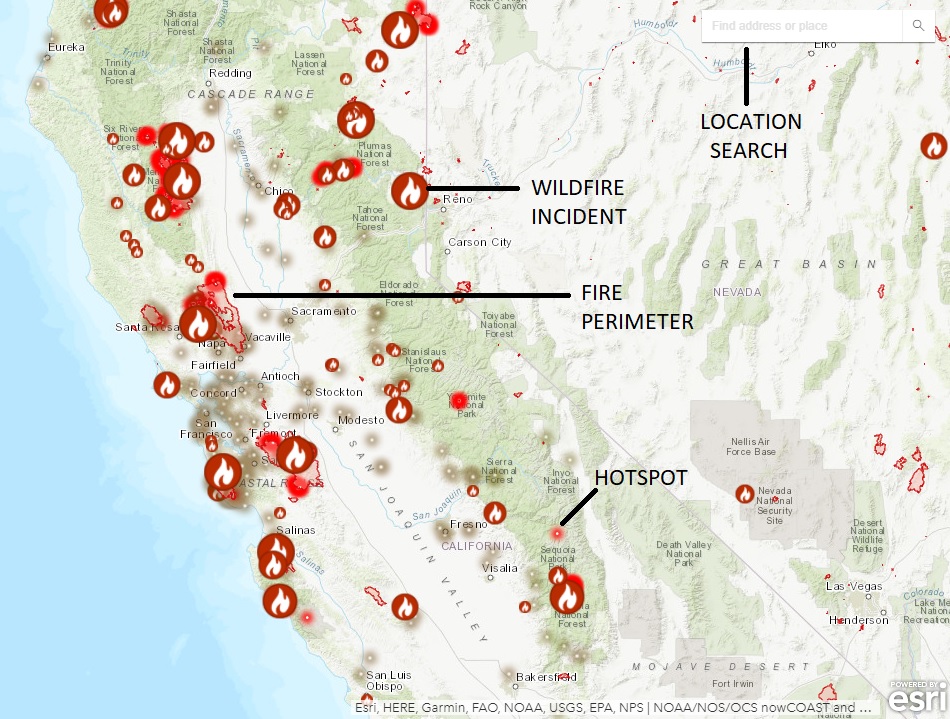
This article aims to provide a comprehensive guide for travelers, addressing the essential questions surrounding wildfires in California – not just “where is the fire today?” but also how to interpret the information, how fires might affect your chosen destinations and accommodations, and how to plan a resilient and responsible trip amidst the dynamic environmental conditions. We’ll delve into the nuances of staying informed, adapting itineraries, and making choices that prioritize safety while still allowing you to experience the magic of California.
California’s Dynamic Landscape: Understanding Wildfires and Their Impact
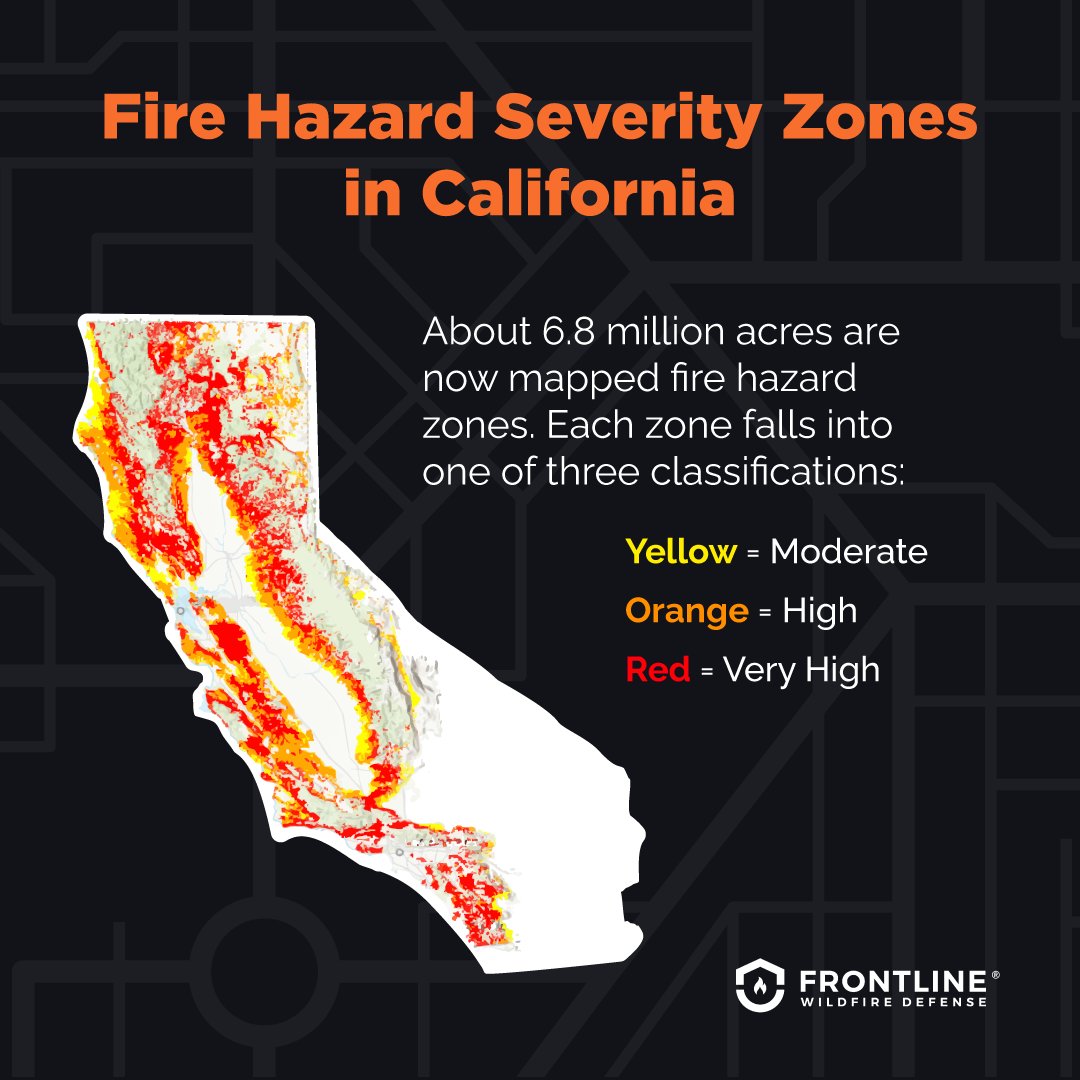
California’s unique Mediterranean climate, characterized by hot, dry summers and mild, wet winters, creates a landscape naturally prone to wildfires. This natural cycle, however, has been intensified by a combination of factors including prolonged droughts, dense vegetation, and the changing global climate. For travelers, this means a heightened awareness is required, particularly during the peak fire season which typically runs from late spring through fall, though fires can occur year-round.
The Rhythms of Fire Season: When and Why
Wildfires are an integral, albeit often destructive, part of California’s ecosystem. Historically, natural fires cleared underbrush and regenerated forests. Today, however, human activity and climate change have altered this balance dramatically. Longer, hotter dry spells, coupled with strong winds like the Santa Ana winds in Southern California or the Diablo winds in Northern California, create perfect conditions for fires to ignite and spread rapidly. Understanding this seasonality is the first step for any traveler. For instance, planning a hiking trip through Yosemite National Park or Sequoia National Park during late summer necessitates a check on fire conditions, whereas a winter visit to Palm Springs for its luxury resorts might present fewer concerns regarding active fires, though air quality could still be an issue from distant blazes.
Official sources like CalFire provide up-to-the-minute information on active incidents, containment levels, and evacuation orders. This public service is indispensable for locals and visitors alike, offering a clear picture of immediate threats. Travelers considering regions such as Napa Valley or Sonoma County for their exquisite wineries, or the serene beauty of Lake Tahoe and the Sierra Nevada Mountains, should consult these resources diligently. The dynamic nature of wildfires means that a clear area can quickly become an affected zone, underscoring the need for continuous vigilance.
The Broader Ripple Effect: More Than Just Flames
The impact of wildfires extends far beyond the immediate burn scar. Smoke, even from fires hundreds of miles away, can significantly affect air quality across vast regions, impacting outdoor activities and overall enjoyment. Travelers keen on scenic drives along Big Sur or enjoying the vibrant outdoor culture of San Francisco or Los Angeles might find their plans altered by hazy skies and health advisories.
Road closures are another significant consequence, potentially rerouting journeys or making certain destinations inaccessible. For instance, a fire near Interstate 5, a major north-south artery, can cause considerable delays and force travelers to seek alternative, often longer, routes. The National Park Service and Caltrans regularly update road conditions and park closures, which are vital for trip planning, especially for those venturing to Joshua Tree National Park or the coastal beauty of Redwood National and State Parks. The ripple effect also touches local economies, impacting tourism businesses, hotels, and attractions even if they are not directly in the path of the flames. Supporting these communities through continued, informed visits when safe is an important aspect of responsible travel.
Navigating California Travel During Wildfire Season: Destinations and Considerations
For those enchanted by California’s charm, navigating a trip during wildfire season requires an adaptable mindset and proactive planning. The key is to stay informed, prioritize safety, and be prepared to adjust your itinerary.
Safeguarding Your Itinerary: Researching Destinations
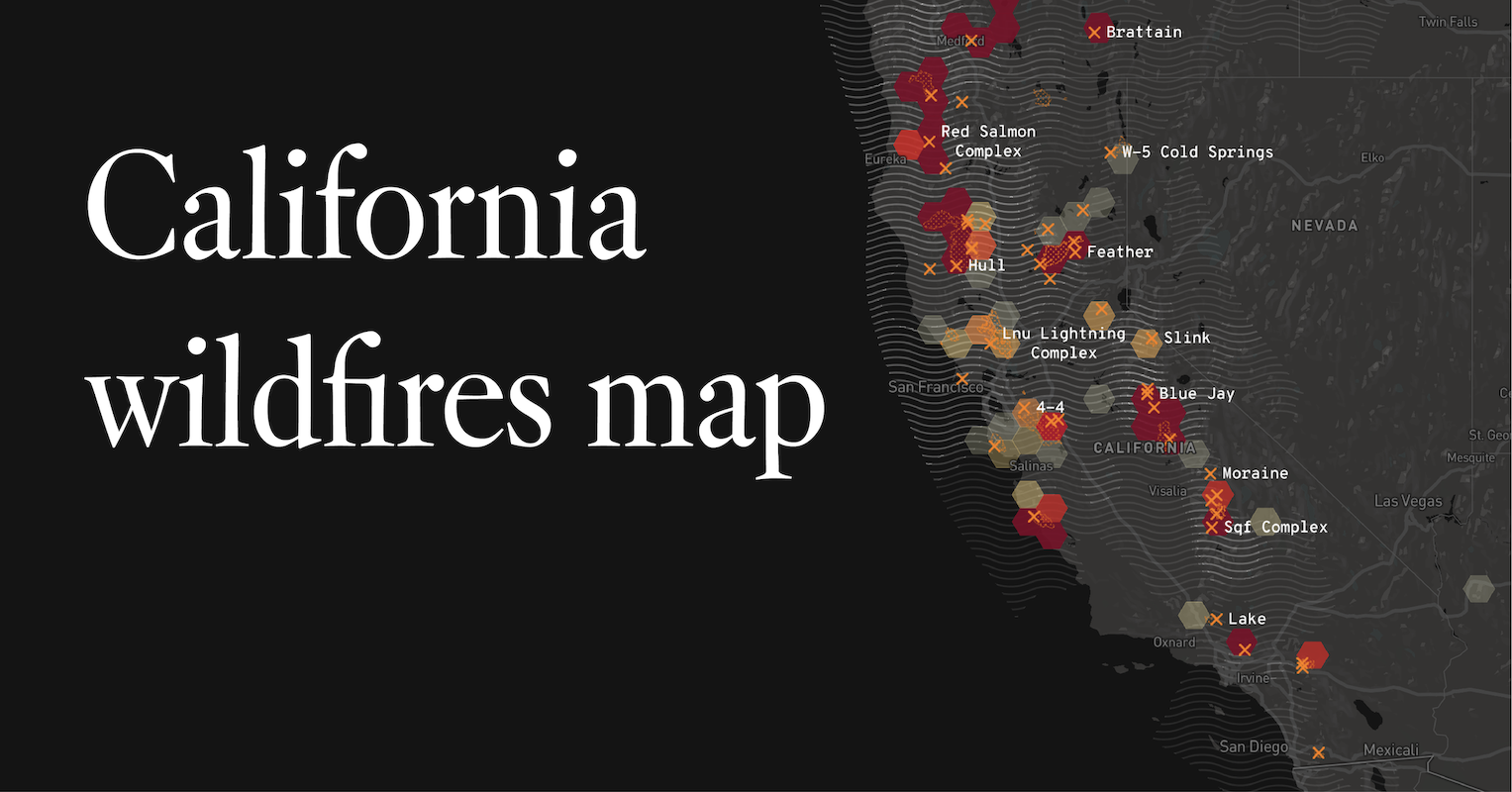
Before firming up any plans, a thorough review of the current wildfire situation is paramount. Focus on the specific regions you intend to visit. For example, a fire in Shasta County in Northern California is unlikely to directly impact a coastal getaway to San Diego, but air quality advisories might still extend southward. Utilize reputable online dashboards and news outlets, cross-referencing information to ensure accuracy. Pay attention to county-specific emergency services and local tourism boards, as they often provide hyper-local updates pertinent to attractions and accommodations.
If your heart is set on visiting national parks, check the individual park websites (e.g., Yosemite, Sequoia, Kings Canyon, Death Valley) directly for closure information and air quality updates. Alternatives might involve shifting focus to less fire-prone regions, such as exploring the urban delights of San Francisco with its iconic Golden Gate Bridge and Alcatraz Island, or the diverse cultural experiences offered in Los Angeles, from the Getty Center to Universal Studios Hollywood. Coastal cities like Monterey and Santa Cruz often benefit from ocean breezes that help mitigate smoke impacts, making them potentially safer bets during peak fire season.
Attractions and Experiences: What to Expect
Even if your chosen destination isn’t directly threatened, specific attractions or experiences might be affected. Outdoor activities, which are central to the California lifestyle, are particularly vulnerable. Hiking trails may close, camping restrictions might be imposed, and even beach days could be less appealing under smoky skies. Wineries in affected areas of Napa Valley or Sonoma County might temporarily shut down tasting rooms.
Consider diversifying your itinerary with indoor activities, museums, galleries, and culinary tours if outdoor conditions are unfavorable. Los Angeles offers world-class museums, vibrant dining scenes, and entertainment options that are less susceptible to smoke impacts. Similarly, San Francisco’s array of cultural institutions and unique neighborhoods like Fisherman’s Wharf or the Mission District provide ample opportunities for exploration. Flexibility is key; having alternative plans for different scenarios ensures your trip remains enjoyable, regardless of environmental challenges.
Accommodation and Planning: Booking Smart in Uncertain Times
When planning your stay in California, especially during fire season, smart booking practices for accommodation are more important than ever.
Choosing Your Stay: Hotels, Resorts, and Villas
Prioritize flexibility when booking hotels, resorts, apartments, or villas. Look for properties with lenient cancellation policies that allow for changes or refunds in the event of unforeseen circumstances like evacuations or severe air quality alerts. Many hotels and resorts in California are well-versed in handling fire season disruptions and might offer specific advisories or flexible terms during these periods. It’s always a good idea to call the property directly to inquire about their policies and any specific measures they have in place (e.g., air purification systems, communication plans for guests).
Consider the location of your accommodation. While a secluded cabin in the woods might sound idyllic, it could be more vulnerable to fire threats or evacuation orders than a city hotel or a property closer to major infrastructure. For those seeking luxury hotels and suites in areas like Beverly Hills or Santa Monica, the direct risk from wildfires is typically lower, though smoke can still be an issue. If visiting wine country, check if specific boutique hotels or resorts like Bardessono Hotel & Spa or Carneros Resort and Spa have current operational advisories. Always cross-reference your chosen lodging’s location with current fire maps and evacuation zones.
Insurance and Contingency: Preparing for the Unexpected
Investing in comprehensive travel insurance is a wise decision for any trip, but especially for travel to California during wildfire season. Ensure your policy covers natural disasters, including wildfires, and explicitly check what scenarios trigger coverage (e.g., mandatory evacuations, airport closures, significant smoke impacts). Some policies may only cover direct threats, so understanding the fine print is essential.
Beyond insurance, develop a contingency plan. This involves identifying alternative routes to your destination, knowing nearby towns or cities where you could seek refuge if an evacuation is ordered, and having a list of emergency contacts. Keep important documents (IDs, insurance information, booking confirmations) easily accessible, either physically or digitally. Staying connected is also critical; ensure your phone is charged and consider carrying a portable power bank. Websites like NOAA and local weather channels can provide valuable forecasts for wind patterns and temperatures, which are critical factors in wildfire behavior.
Essential Safety Tips and Responsible Tourism
While preparedness is key, embodying a spirit of responsible tourism and prioritizing safety are the cornerstones of a successful California trip during wildfire season.
Prioritizing Personal Safety: Practical Advice
Your personal safety should always be the top priority. Heed all official warnings, advisories, and evacuation orders immediately. Do not attempt to “wait it out” or get closer for photos; wildfires are unpredictable and extremely dangerous. Always have a clear understanding of your surroundings and know your evacuation routes.
- Stay Informed: Regularly check official sources like CalFire, the National Weather Service, and local county sheriff’s departments for the latest updates. Sign up for local emergency alerts if available in the area you’re visiting.
- Air Quality Awareness: If smoke is prevalent, limit outdoor activities, especially if you have respiratory issues. Consider carrying N95 masks, which can help filter out particulate matter. Many hotels now have enhanced air filtration systems.
- Emergency Kit: Have a basic emergency kit in your vehicle, including water, non-perishable snacks, a first-aid kit, a flashlight, a portable phone charger, and a copy of important documents.
- Fire Safety Practices: Exercise extreme caution with anything that could spark a fire. This includes campfires (check for fire bans!), discarding cigarettes properly, and parking vehicles only on paved surfaces, away from dry grass. Even a hot catalytic converter can ignite dry vegetation.
Contributing to California’s Resilience: Support and Awareness
Responsible tourism extends beyond personal safety; it involves supporting the communities that are affected by these natural disasters. If you find your plans disrupted, consider rebooking for a later date rather than canceling entirely, or choose alternative destinations within California that are not impacted. When it is safe to visit, patronize local businesses – hotels, restaurants, shops – to help them recover and rebuild. Many areas rebound remarkably quickly, showcasing the incredible resilience of California residents.
Donating to reputable organizations like the American Red Cross or local community relief funds is another meaningful way to contribute. By practicing fire-safe behaviors yourself, you become part of the solution, helping to prevent new ignitions. Engage with local culture and respect the natural environment, ensuring that your presence leaves a positive footprint.
In conclusion, while the question “Where is the fire today in California?” is a critical starting point for any traveler, it opens up a broader conversation about informed decision-making, flexibility, and responsible tourism. California remains an unparalleled destination, offering a wealth of experiences that span from the urban excitement of San Diego to the natural wonders of Kings Canyon National Park. With proper planning, diligent research, and a commitment to safety, travelers can still enjoy the Golden State’s magnificent destinations while navigating its environmental realities. Your journey can be a testament to both the enduring beauty of California and the resilience of its people.
LifeOutOfTheBox is a participant in the Amazon Services LLC Associates Program, an affiliate advertising program designed to provide a means for sites to earn advertising fees by advertising and linking to Amazon.com. Amazon, the Amazon logo, AmazonSupply, and the AmazonSupply logo are trademarks of Amazon.com, Inc. or its affiliates. As an Amazon Associate we earn affiliate commissions from qualifying purchases.