
California, a land of breathtaking contrasts, renowned for its golden beaches, towering redwood forests, vibrant cities, and rugged mountains, also faces the annual challenge of wildfires. For travelers planning a visit, understanding the wildfire situation isn’t about fear, but about preparedness, safety, and responsible tourism. The question “Where is the wildfire in California?” is dynamic, with conditions changing rapidly. This guide aims to equip you with the knowledge to make informed decisions, ensuring your California experience remains unforgettable for all the right reasons, even during fire season.
The allure of the Golden State is undeniable, drawing millions to its diverse destinations each year. From luxurious resorts nestled in picturesque valleys to budget-friendly apartments by the coast, California offers accommodation for every type of traveler. However, the increasing frequency and intensity of wildfires have added a layer of complexity to travel planning, especially during the dry summer and fall months. This article delves into how wildfires impact travel, provides essential safety tips, suggests alternative destinations, and encourages a mindful approach to exploring this magnificent state.
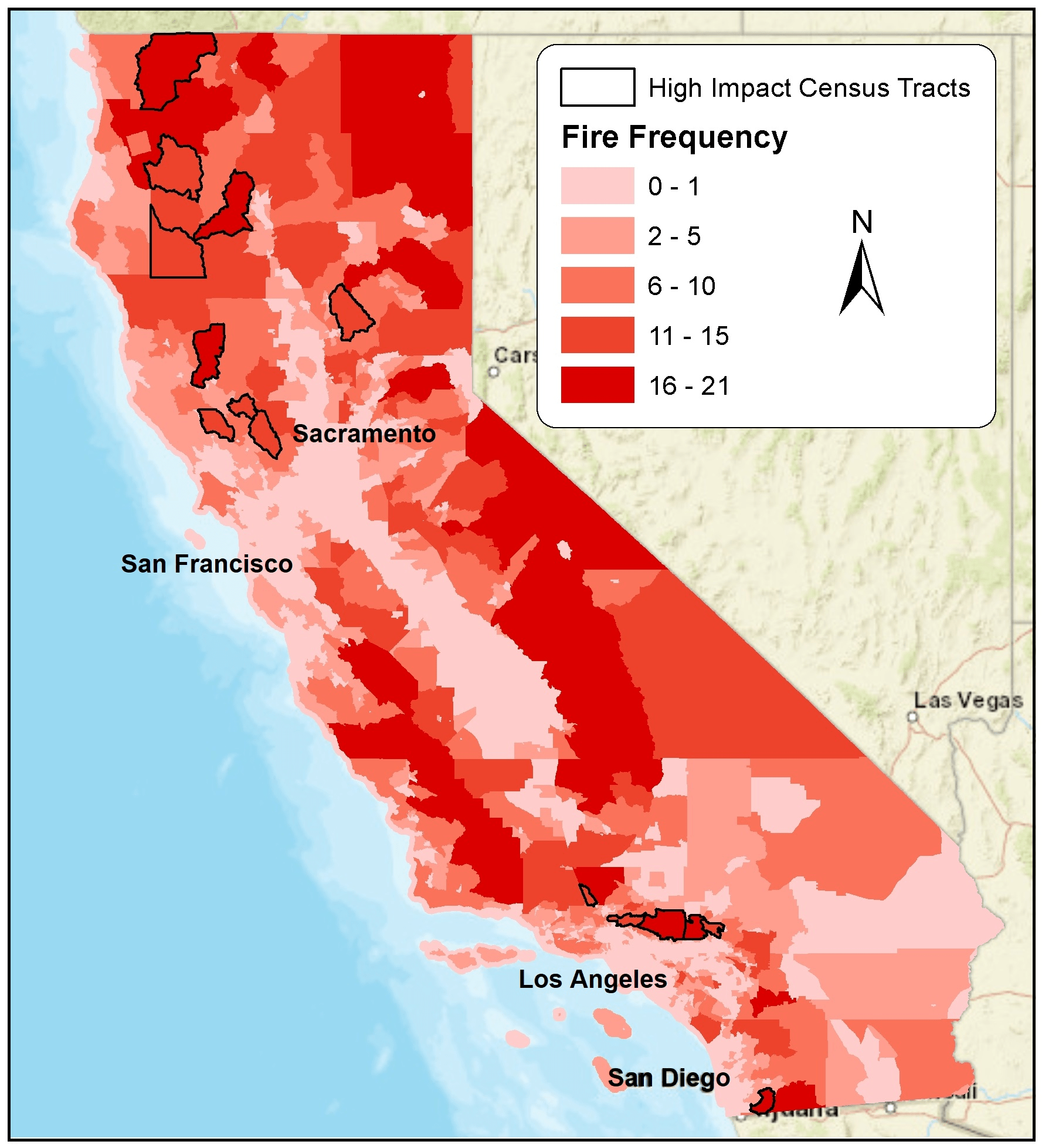
Understanding California’s Wildfire Landscape and Its Travel Implications
Wildfires are a natural, albeit often devastating, part of California’s ecosystem, fueled by a Mediterranean climate characterized by hot, dry summers, chaparral vegetation, and Santa Ana winds. While natural causes like lightning strikes can ignite fires, human activity is often a significant factor. The fire season typically runs from late spring through late autumn, but can extend beyond these months due to climate change and prolonged droughts.
For tourists, the primary concerns are direct danger, smoke impacts, road closures, and the potential disruption of travel plans. A wildfire miles away can still affect air quality in major cities, turning skies hazy and making outdoor activities less enjoyable, particularly for those with respiratory issues. Road closures, often implemented for safety, can isolate popular destinations or force lengthy detours, turning a short drive into an unexpected adventure.
Monitoring Current Conditions and Staying Informed
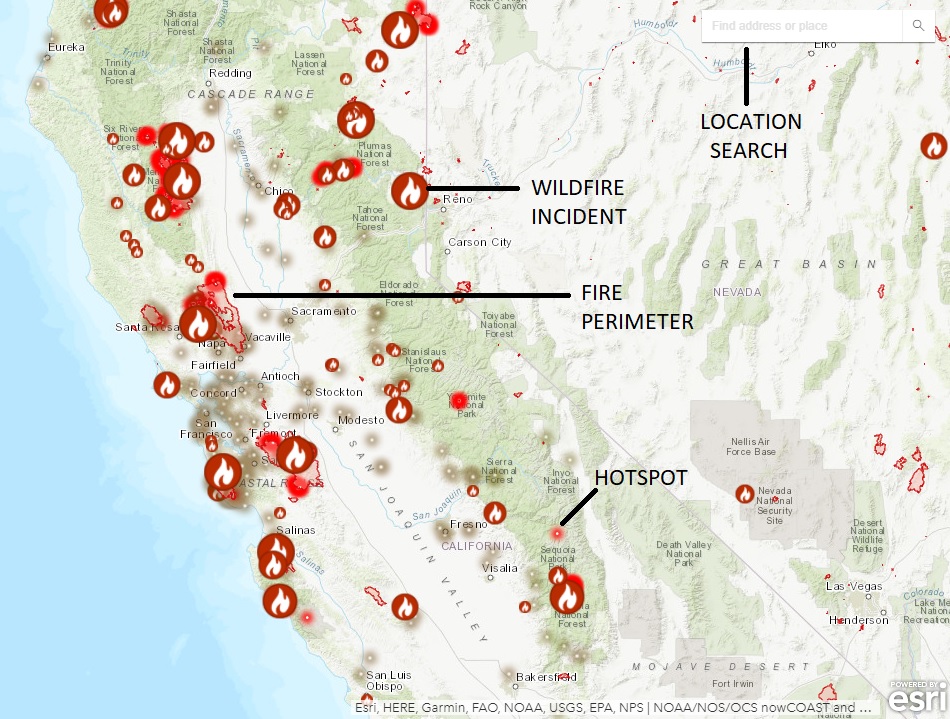
Staying informed is paramount. Before and during your trip, travelers should regularly check official sources. The California Department of Forestry and Fire Protection, known as Cal Fire, provides real-time updates on active fires, containment levels, and evacuation orders. Websites like AirNow.gov offer comprehensive air quality information, essential for planning outdoor activities. Local county sheriff’s departments and emergency services also provide critical updates. Many hotels and resorts, particularly those in fire-prone areas, have robust Wildfire Preparedness Plans and can offer guests current, localized advice.
- Official Fire Maps: Consult Cal Fire’s incident maps for active fire locations and perimeters.
- Air Quality Index (AQI): Check AirNow.gov or similar apps for the AQI in your chosen destination. An AQI above 100 is generally considered unhealthy for sensitive groups, and above 150, unhealthy for everyone.
- Road Conditions: Use Caltrans’ QuickMap for real-time information on highway closures and traffic impacts.
- Local News: Tune into local news outlets for community-specific updates and advisories.
The Ripple Effect: Tourism and Local Economies
Beyond the immediate threat, wildfires have a profound economic impact on tourism-dependent communities. Even if a fire doesn’t directly reach a destination, the perception of danger, coupled with smoky skies, can lead to cancellations, significantly affecting hotels, restaurants, tour operators, and local shops. When planning your accommodation, consider checking reviews for recent conditions or amenities like advanced air filtration systems, which some modern hotels and suites now offer. Choosing to visit California during fire season, but staying vigilant and choosing wisely, can still be a positive experience. Supporting local businesses in unaffected or recovering areas is a crucial aspect of responsible tourism, helping communities rebuild and thrive.
Planning Your California Getaway: Safety First and Smart Choices
A dream trip to California can still be a reality, even with the backdrop of fire season. It simply requires a more thoughtful approach to planning and a commitment to flexibility. Focusing on destinations with lower fire risk or planning activities indoors can mitigate many concerns.
Before You Go: Research, Preparation, and Booking Flexibility
Thorough research is your best defense against unexpected disruptions. When booking your accommodation, whether it’s a luxury villa, a quaint apartment, or a family-friendly resort, prioritize flexibility. Look for booking options with generous cancellation policies. Travel insurance is highly recommended, especially policies that cover wildfire-related cancellations, evacuations, or medical emergencies due to smoke exposure. Always read the fine print to understand what is covered.
- Insurance: Invest in comprehensive travel insurance that explicitly covers natural disasters and trip interruptions due to wildfires.
- Flexible Bookings: Opt for refundable hotel reservations, flights, and car rentals.
- Emergency Contacts: Save local emergency numbers, including hotel and tour operator contacts.
- Pack Smart: Consider packing N95 masks if air quality is a potential concern, and a small emergency kit (first aid, water, non-perishable snacks) for car travel.
During Your Trip: Staying Safe and Informed on the Go
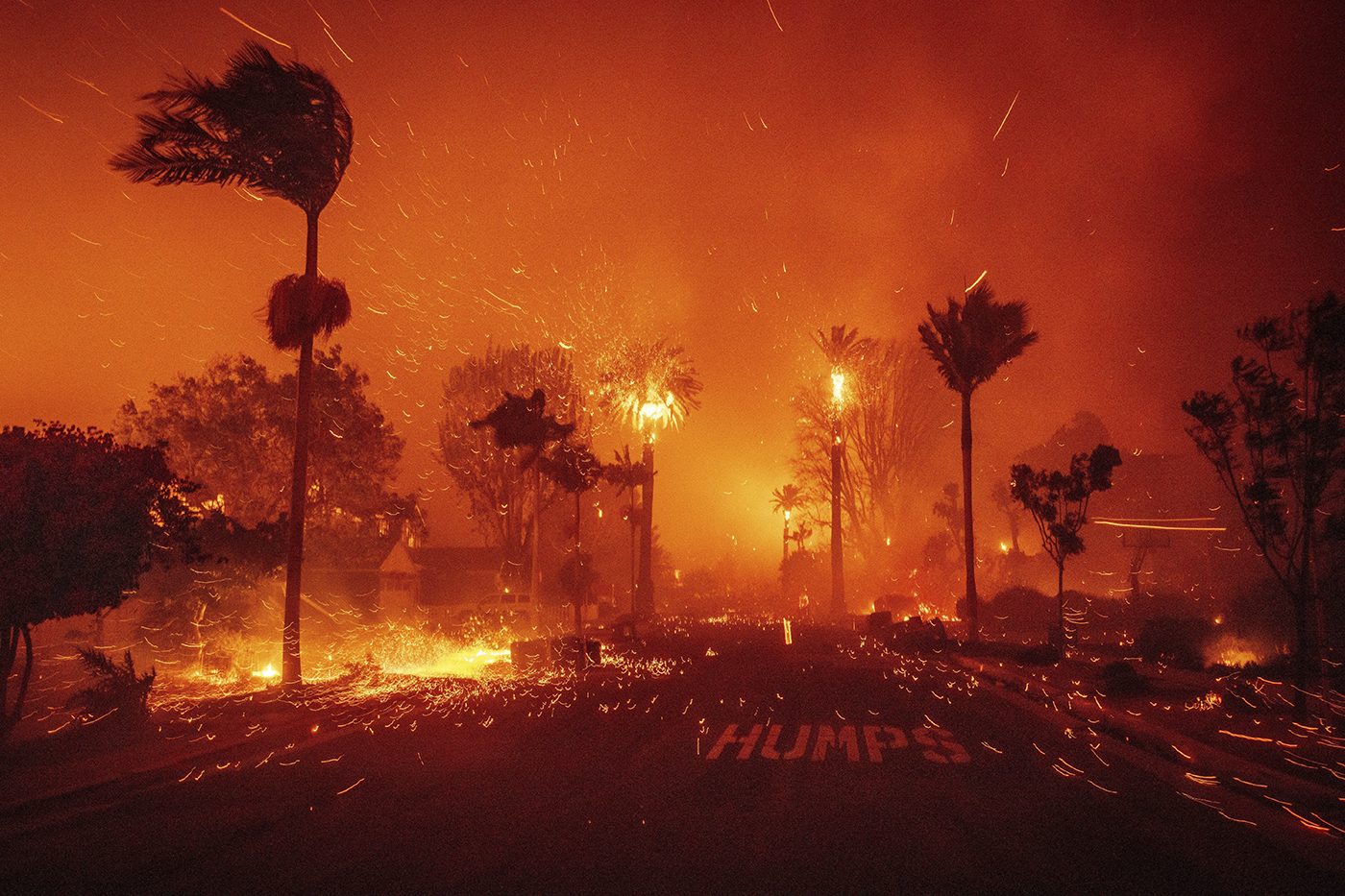
Once you’re in California, maintaining awareness is key. Heed all official warnings, evacuation orders, and road closure signs. Do not attempt to bypass barricades or enter restricted areas, even if they appear clear. Your safety, and the safety of emergency responders, is paramount.
- Follow Authorities: Always comply with instructions from local authorities and emergency personnel.
- Evacuation Routes: Familiarize yourself with primary and secondary evacuation routes from your accommodation and planned attractions.
- Air Quality: Adjust your plans based on the AQI. If it’s poor, opt for indoor activities like museums, shopping centers, or spas.
- Fire Restrictions: Be aware of any local fire restrictions, such as campfire bans or restrictions on certain equipment.
- Leave No Trace: Practice diligent fire prevention. Ensure all campfires are fully extinguished, never toss cigarette butts, and be careful with anything that could spark a fire.
Major Regions and Their Wildfire Vulnerabilities
California’s vast geography means that while some areas might be severely affected, others remain entirely clear. Understanding regional vulnerabilities can help you plan your itinerary more strategically.
Northern California: From Wine Country to Redwood Forests
This region, known for its stunning natural beauty and world-class wine industry, can be particularly susceptible. Areas like Napa Valley and Sonoma have experienced devastating fires, impacting vineyards, resorts, and tourism infrastructure. While these areas are resilient and recover, travelers should monitor conditions closely. Iconic natural landmarks such as Yosemite National Park and the pristine Lake Tahoe basin, nestled in the Sierra Nevada mountains, can also be affected by fires, leading to park closures or smoky conditions. However, cities like San Francisco, with its Golden Gate Bridge and Alcatraz Island, are typically less directly impacted by wildfires, though smoke can drift into the urban environment.
Central California: Coastal Gems and Interior Wonders
The central coast, including the famous Big Sur coastline, offers breathtaking scenery but can be vulnerable due to rugged terrain. Further inland, cities like Santa Barbara, while often spared direct fire threats, can experience smoke impacts. The majestic giant sequoia trees in Sequoia National Park have also faced severe fire threats in recent years. Travelers exploring the historic Gold Country or the agricultural heartland should also stay updated.
Southern California: Beaches, Deserts, and Urban Adventures
Southern California, with its dense population centers and chaparral landscapes, is no stranger to wildfires. Areas around Los Angeles, San Diego, and the suburban communities can see significant fire activity, especially when strong Santa Ana winds blow. Desert destinations like Palm Springs and Joshua Tree National Park are generally drier and can experience wildfires, though the impact might differ from forest fires. The metropolitan hubs of Los Angeles (home to Universal Studios Hollywood, The Getty Center, and the Hollywood Walk of Fame), San Diego (with Balboa Park), and Anaheim (site of Disneyland) are major tourist destinations. While less likely to be directly engulfed by flames, these cities can experience heavy smoke, affecting outdoor activities from beach trips to visits to Santa Monica Pier.
Embracing Responsible Tourism and Alternative Destinations
Even with the challenges of wildfire season, California remains an incredible destination. Responsible tourism means being proactive about safety, minimizing your environmental impact, and supporting communities wisely.
Supporting Local Communities Safely
If you’re determined to visit an area that has recently experienced fires, ensure it is safe to do so. Often, after the immediate threat subsides, businesses in the area need tourism more than ever to recover. Check with local tourism boards for guidance on safe ways to visit and support. Consider staying at local boutique hotels or vacation rentals, dining at independent restaurants, and hiring local guides. This approach can be vital for the community’s economic recovery.
Discovering Unaffected Gems and Indoor Wonders
Many parts of California are typically less prone to wildfires or offer distinct experiences during fire season.
- Coastal Havens: Coastal cities along the Pacific Ocean often benefit from ocean breezes, which can help clear smoke and offer cooler temperatures. Consider destinations like Santa Cruz, Carmel-by-the-Sea, or Laguna Beach, which offer stunning beaches, art galleries, and upscale dining experiences. Many coastal resorts, like The Ranch at Laguna Beach or The Ritz-Carlton, Laguna Niguel, provide luxurious escapes with direct beach access.
- Urban Explorations: Major cities like San Francisco, Los Angeles, and San Diego boast world-class museums, theaters, shopping districts, and culinary scenes that can be enjoyed regardless of outdoor conditions. Many offer high-end suites or budget-friendly apartments for diverse travel styles.
- Extreme Deserts: While still having a fire risk, areas like Death Valley National Park (best visited in cooler months) are less susceptible to the type of widespread forest fires seen elsewhere.
Accommodation and Lifestyle Choices
When selecting accommodation, think beyond just location. Many newer hotels and luxury resorts are equipped with advanced HVAC systems that offer superior air filtration, providing a comfortable sanctuary even if outdoor air quality is compromised. For longer stays or family trips, consider booking apartments or villas with kitchens, allowing you to prepare meals and limit outdoor exposure if needed. Lifestyle choices, whether you prefer luxury travel with spa amenities or budget travel exploring local culture, can be adapted. For instance, instead of a strenuous mountain hike, opt for a coastal drive or a cooking class.
Some exceptional properties, like the Post Ranch Inn in Big Sur, are renowned for their commitment to sustainability and safety, though always check specific conditions for their often secluded locations. For families, seeking resorts with extensive indoor activities or kids’ clubs can ensure entertainment even during smoky days.
The Enduring Allure of California
Despite the annual challenge of wildfires, the spirit of California remains vibrant and welcoming. Its unparalleled natural beauty, innovative culture, and diverse attractions continue to captivate. By staying informed, planning carefully, and embracing responsible travel practices, visitors can still experience the magic of the Golden State.
The question “Where is the wildfire in California?” is a constant reminder of nature’s power, but also an invitation to travel with intention and awareness. California offers an incredible array of experiences, from wine tasting tours to exploring iconic landmarks, from indulging in world-class cuisine to embarking on outdoor adventures. With a mindful approach to travel planning, your journey through California will not only be safe but also deeply rewarding, allowing you to contribute positively to the communities and landscapes you visit. The state is vast and resilient, promising unforgettable memories for those who come prepared and with an open heart.
LifeOutOfTheBox is a participant in the Amazon Services LLC Associates Program, an affiliate advertising program designed to provide a means for sites to earn advertising fees by advertising and linking to Amazon.com. Amazon, the Amazon logo, AmazonSupply, and the AmazonSupply logo are trademarks of Amazon.com, Inc. or its affiliates. As an Amazon Associate we earn affiliate commissions from qualifying purchases.