
California, a land of sun-kissed beaches, towering redwoods, and vibrant cities, is a dream destination for travelers worldwide. From the iconic glamour of Los Angeles to the historic charm of San Francisco and the relaxed vibes of San Diego, the Golden State offers an unparalleled array of experiences. However, beyond its natural beauty and cultural richness, California is also renowned for another geological phenomenon: earthquakes. The question, “Where was the earthquake in California?”, often arises, not just out of curiosity but from a traveler’s perspective, seeking to understand the safety and stability of their chosen destination. This article delves into the seismic landscape of California, recent earthquake activity, and what it means for those planning their next adventure, ensuring your focus remains on the incredible travel, accommodation, and lifestyle opportunities this resilient state offers.
Understanding California’s Seismic Landscape: A Traveler’s Perspective
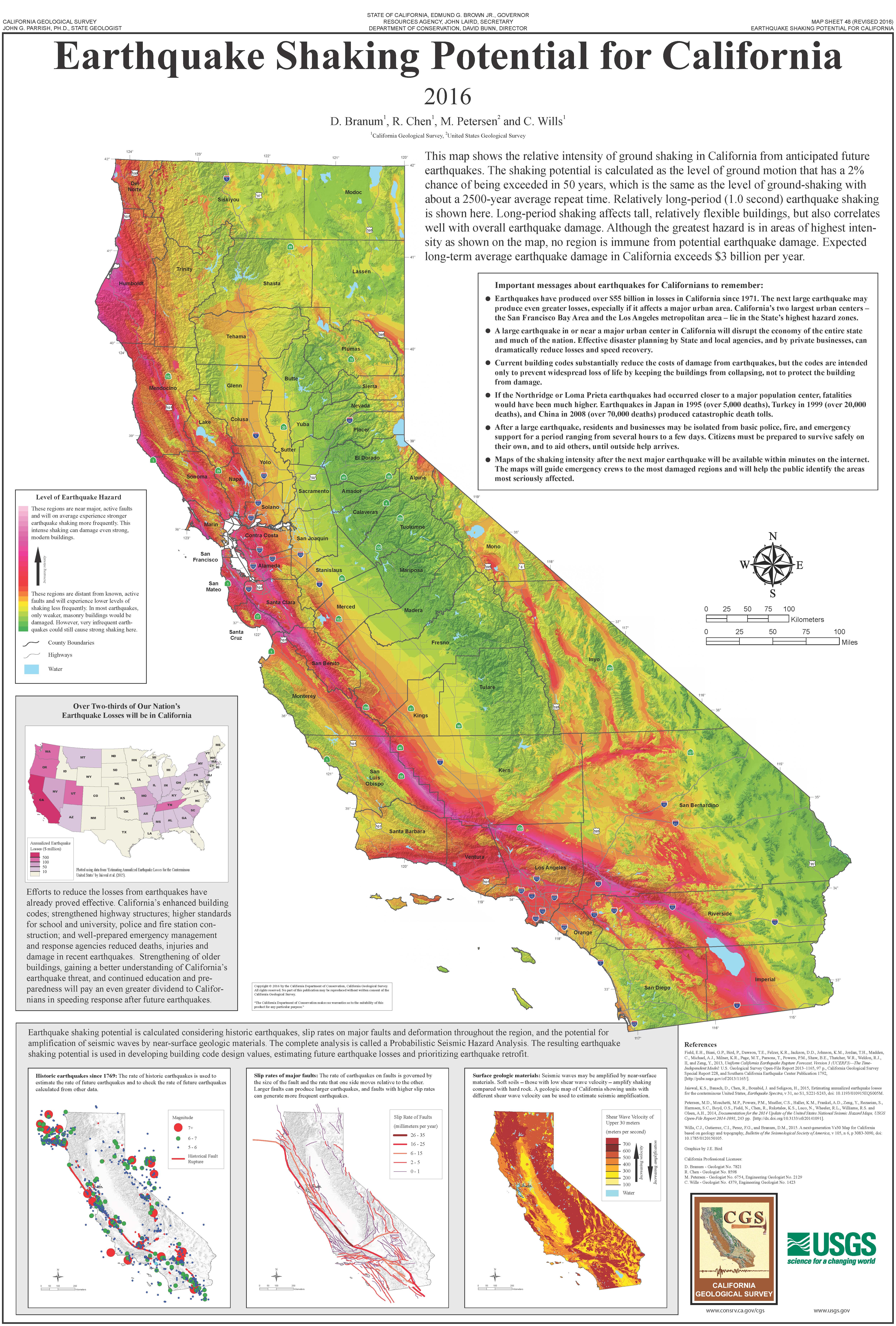
To understand “where” an earthquake might occur in California, one must first grasp the fundamental geological forces at play. California sits along the notorious Pacific Ring of Fire, a horseshoe-shaped belt of volcanoes and seismic activity that encircles the Pacific Ocean. This unique geographical position means the state is constantly subject to the movement of tectonic plates.
The most famous geological feature in California, and indeed one of the most significant in the world, is the San Andreas Fault. This massive transform fault runs approximately 800 miles through California, acting as the boundary between the Pacific Plate and the North American Plate. While the San Andreas Fault is the most prominent, California is crisscrossed by hundreds of other active faults, including the Hayward Fault, the Garlock Fault, and numerous others in the Sierra Nevada Mountains and along the coast. It’s the movement along these faults that causes earthquakes, releasing built-up stress as the plates grind past each other.
Historical Earthquakes and Their Impact on Travel Perception
California has a rich history of seismic events, some of which have significantly shaped its development and infrastructure. Earthquakes like the devastating 1906 San Francisco earthquake, the 1989 Loma Prieta earthquake that famously disrupted the World Series, and the 1994 Northridge earthquake in Los Angeles are etched into the state’s memory. These events, while tragic, have also led to some of the most stringent building codes and emergency preparedness protocols in the world.
For travelers, the perception of California as an earthquake zone can sometimes be a deterrent. However, it’s crucial to understand that major, damaging earthquakes are relatively rare, and the state has invested heavily in making its infrastructure, including hotels, attractions, and transportation networks, incredibly resilient. This historical context underscores not fear, but rather a remarkable story of adaptation and foresight that directly benefits visitors today. Modern accommodations, from luxury resorts to budget-friendly hotels, are constructed with seismic safety in mind, ensuring a secure stay.
Pinpointing Recent Seismic Activity: What Travelers Need to Know
When an earthquake occurs in California, the immediate question is “where?” Earthquakes are usually localized events, and their impact diminishes rapidly with distance from the epicenter. The vast majority of seismic activity in California consists of small, often unfelt tremors. However, even moderate earthquakes can sometimes cause concern for travelers.
The primary source for real-time earthquake information is the United States Geological Survey (USGS). Their website provides immediate data on earthquake locations, magnitudes, and depths. For instance, a recent earthquake might be reported as a 4.0 magnitude event near the town of Ridgecrest in the Mojave Desert, or a 3.2 magnitude tremor off the coast of Eureka. These precise locations allow travelers to gauge their proximity to the event and assess any potential impact on their plans.
Specific Locations and Their Proximity to Tourist Hubs
Most earthquakes in California, particularly the larger ones, tend to occur in less populated areas or offshore. However, given the state’s extensive fault system, seismic activity can theoretically occur anywhere.
- Southern California: Major metropolitan areas like Los Angeles, San Diego, and Palm Springs are situated in seismically active regions. While minor quakes are common, these cities are incredibly well-prepared. Iconic landmarks such as Disneyland, Universal Studios Hollywood, the Griffith Observatory, the Getty Center, the Santa Monica Pier, and the beaches of Laguna Beach and Santa Monica are built to withstand seismic events, ensuring continuity of tourism.
- Northern California: San Francisco and its surrounding areas, including Napa Valley and Sonoma County, are also tectonically active. Landmarks like the Golden Gate Bridge, Alcatraz Island, Fisherman’s Wharf, and the wineries of Napa and Sonoma are pillars of the tourism industry, designed with earthquake resilience as a top priority.
- Central Coast and Inland: Regions like Big Sur, Monterey, and Santa Barbara offer breathtaking natural beauty and charming towns like Carmel-by-the-Sea and Solvang. National parks such as Yosemite National Park, Death Valley National Park, Joshua Tree National Park, Sequoia National Park, and Redwood National Park are generally less directly impacted by significant fault lines, though seismic activity can occur regionally.
- Lake Tahoe and the Eastern Sierra: This stunning alpine region, including Lake Tahoe and the majestic Eastern Sierra, is less prone to large-scale seismic events compared to coastal California but is still within the broader seismic zone.
For most travelers, the primary concern isn’t avoiding earthquakes entirely – that’s impossible in California – but understanding the robust safety measures in place. Hotels, resorts, and vacation rentals across the state adhere to strict building codes, offering peace of mind.
Travel Safety and Preparedness in Earthquake Zones

While the thought of an earthquake might be unsettling, preparedness is key to ensuring a safe and enjoyable trip to California. The state’s proactive approach to seismic safety means that travelers are visiting one of the most earthquake-aware and resilient destinations in the world.
What Travelers Need to Know: Before, During, and After an Earthquake
- Before You Travel:
- Research Your Accommodation: Reputable hotels and accommodations in California are built to strict seismic standards. When booking, consider properties that openly discuss their safety features.
- Travel Insurance: Consider purchasing comprehensive travel insurance that covers unforeseen events, including travel disruptions or cancellations due due to natural disasters. This aligns with wise accommodation and travel planning.
- Emergency Plans: Familiarize yourself with your hotel’s emergency procedures upon check-in. Note exit routes and designated safe areas.
- Stay Informed: Follow local news and weather alerts during your trip.
- During an Earthquake:
- “Drop, Cover, and Hold On”: This is the universal advice.
- DROP to the ground immediately.
- Take COVER under a sturdy table or desk. If no cover is available, drop to an inside wall and cover your head and neck with your arms.
- HOLD ON to your cover until the shaking stops.
- In Bed: Stay in bed, covering your head with a pillow.
- Outdoors: Move to a clear area away from buildings, trees, streetlights, and power lines.
- In a Vehicle: Pull over to a clear location, stop, and stay inside with your seatbelt fastened until the shaking stops.
- “Drop, Cover, and Hold On”: This is the universal advice.
- After an Earthquake:
- Stay Calm: Assess your surroundings.
- Check for Injuries: Attend to any immediate injuries.
- Listen to Authorities: Follow instructions from hotel staff, local authorities, or emergency services.
- Expect Aftershocks: These are smaller quakes that follow the main shock and can continue for hours, days, or even weeks.
- Communicate: Use text messages or social media to communicate with loved ones to keep phone lines clear for emergencies.
Infrastructure Resilience and Building Codes in California
California’s commitment to safety is evident in its robust building codes. After significant historical earthquakes, the state continuously updates its seismic safety regulations. This means that public buildings, high-rise hotels, apartment complexes for long-term stays, and critical infrastructure like bridges and freeways are designed and regularly retrofitted to withstand considerable seismic forces. For tourists, this translates to a high level of confidence in the structural integrity of their chosen accommodations and the attractions they visit. Investment in resilient infrastructure is a cornerstone of maintaining California’s status as a premier global destination. From the skyscrapers of San Francisco to the sprawling resorts of Anaheim, safety is paramount.
Exploring California Post-Earthquake: A Resilient Destination
In the rare event of a significant earthquake, California’s infrastructure and communities are designed for swift recovery. The state prides itself on its resilience, ensuring that tourism can resume quickly and safely.
Assessing Impact on Attractions and Services
Following any significant seismic event, local authorities, often in conjunction with structural engineers, quickly assess damage to buildings, roads, and infrastructure. Major tourist attractions such as the Golden Gate Bridge, Disneyland, Universal Studios Hollywood, Balboa Park in San Diego, the San Diego Zoo, the USS Midway Museum, Golden Gate Park, Fisherman’s Wharf, and Pier 39 have stringent safety protocols and inspection procedures. Closures, if they occur, are usually temporary and implemented out of an abundance of caution, often to allow for thorough safety checks. Travel advisories issued by state or local tourism boards will provide up-to-date information on any affected areas or attractions.
Transportation networks, including airports like Los Angeles International Airport (LAX), San Francisco International Airport (SFO), and major highways like the Pacific Coast Highway, are also built with seismic resilience. While temporary disruptions for inspections or repairs might occur, the goal is always to restore normalcy as quickly as possible, minimizing impact on travel and access to destinations.
Supporting Local Tourism and Communities
One of the most impactful ways travelers can contribute to California’s resilience is by continuing to visit and support local communities. Tourism is a vital part of California’s economy, supporting countless businesses, hotels, restaurants, and attractions. After any natural event, responsibly planning your trip and patronizing local establishments helps these areas recover and thrive. Engage with local culture, dine at local eateries, and explore unique shops. This commitment to local tourism is a testament to the lifestyle and vibrant spirit of California’s diverse regions.

California’s Enduring Allure: A Lifestyle Perspective
Despite its seismic activity, California remains one of the world’s most coveted travel destinations. The beauty, innovation, and diverse experiences it offers far outweigh the statistically low risk associated with earthquakes. The state’s ability to adapt and build safely into its natural environment is part of its unique charm.
From luxury travel experiences in Beverly Hills to budget travel adventures exploring national parks like Death Valley or Channel Islands National Park, California caters to every lifestyle. Families can delight in the magic of theme parks, while business travelers can find world-class amenities in cities like Sacramento and Oakland. The vibrant food scene, from farm-to-table dining in Napa Valley to fresh seafood along the Sacramento River Delta, offers endless culinary exploration.
Accommodation options are equally varied, from opulent suites in Hollywood to cozy villas in wine country, charming apartments overlooking the ocean, and rustic cabins in mountain retreats. Booking platforms provide comprehensive reviews and comparison tools to help you find the perfect stay, whether it’s a short break or a long-term relocation. California is more than just a place; it’s a lifestyle – one that embraces its unique geology with strength, innovation, and an unwavering commitment to safety and unparalleled experiences. So, while an earthquake might occur in California, the state stands ready to welcome you, ensuring your journey is memorable for all the right reasons.
LifeOutOfTheBox is a participant in the Amazon Services LLC Associates Program, an affiliate advertising program designed to provide a means for sites to earn advertising fees by advertising and linking to Amazon.com. Amazon, the Amazon logo, AmazonSupply, and the AmazonSupply logo are trademarks of Amazon.com, Inc. or its affiliates. As an Amazon Associate we earn affiliate commissions from qualifying purchases.