
California, a state renowned for its breathtaking natural beauty, from the towering redwood forests of the north to the arid expanses of the Mojave Desert and the iconic coastline stretching along the Pacific Ocean, has also become synonymous with another, more destructive, natural phenomenon: wildfires. The question of why these fires are so prevalent and often so devastating is a complex one, deeply intertwined with the state’s unique geography, climate, human activity, and ongoing environmental changes. Understanding these contributing factors is crucial not only for residents but also for visitors planning to explore the diverse attractions and landmarks this vibrant state has to offer.

The Perfect Storm: California’s Unique Environmental Conditions
California’s geography and climate create a natural predisposition for fires. The state experiences a Mediterranean climate, characterized by hot, dry summers and mild, wet winters. This inherent dryness, especially during the summer months, sets the stage for fires to ignite and spread rapidly.
The Santa Ana and Diablo Winds: Nature’s Accelerants
A significant factor exacerbating wildfire risk in California are the seasonal winds, most notably the Santa Ana winds in Southern California and the Diablo winds in Northern California. These winds are strong, dry, and often gusty, picking up speed as they descend from the interior highlands towards the coast. They have a desiccating effect on vegetation, turning dry grasses, shrubs, and trees into tinder. When these winds blow, they can fan nascent flames into uncontrollable infernos, carrying embers miles ahead of the main fire front, igniting new spot fires and making containment incredibly challenging for firefighters. The intensity and unpredictability of these wind events can transform a manageable brush fire into a catastrophic blaze within hours, impacting cities like Los Angeles and San Francisco and threatening the very fabric of communities.
Fuel Load: The Accumulation of Combustible Material
Beyond climate, the amount of flammable material, or “fuel load,” present in California’s wildlands is a critical determinant of fire behavior. Decades of fire suppression policies, while intended to protect communities, have inadvertently led to the accumulation of excessive dead vegetation on the forest floor. Historically, natural fires, often ignited by lightning, would clear out this undergrowth, creating a more resilient ecosystem. When these natural fire cycles are interrupted, dense canopies and thick layers of dry leaves, pine needles, and dead wood build up. This creates an environment where fires, once ignited, can burn hotter, spread faster, and reach the canopy, leading to more destructive crown fires. This is particularly evident in the vast Sierra Nevada mountain range and the dense chaparral ecosystems found throughout the state.
The Human Element: Ignitions and Land Use
While natural conditions set the stage, human activities are overwhelmingly responsible for the ignition of most wildfires in California. Furthermore, the way humans interact with the landscape—through development and resource management—significantly influences the impact of these fires.
Human-Caused Ignitions: The Spark of Disaster
Studies consistently show that a vast majority of wildfires in California are human-caused. These ignitions can stem from a variety of sources, including faulty power lines, discarded cigarettes, campfires left unattended, sparks from vehicles, and arson. In a dry environment, particularly during periods of high fire danger, even a seemingly minor spark can quickly escalate into a major event. The increasing human population and development in previously wild or semi-wild areas, often referred to as the wildland-urban interface, further increase the likelihood of human-caused ignitions. This expansion brings more people and their associated activities into close proximity with flammable natural environments, creating a higher risk of accidental fires. The presence of numerous campgrounds and recreational areas, while popular for tourists, also requires constant vigilance to prevent accidental ignitions.
Development in the Wildland-Urban Interface: Increased Risk and Complexity
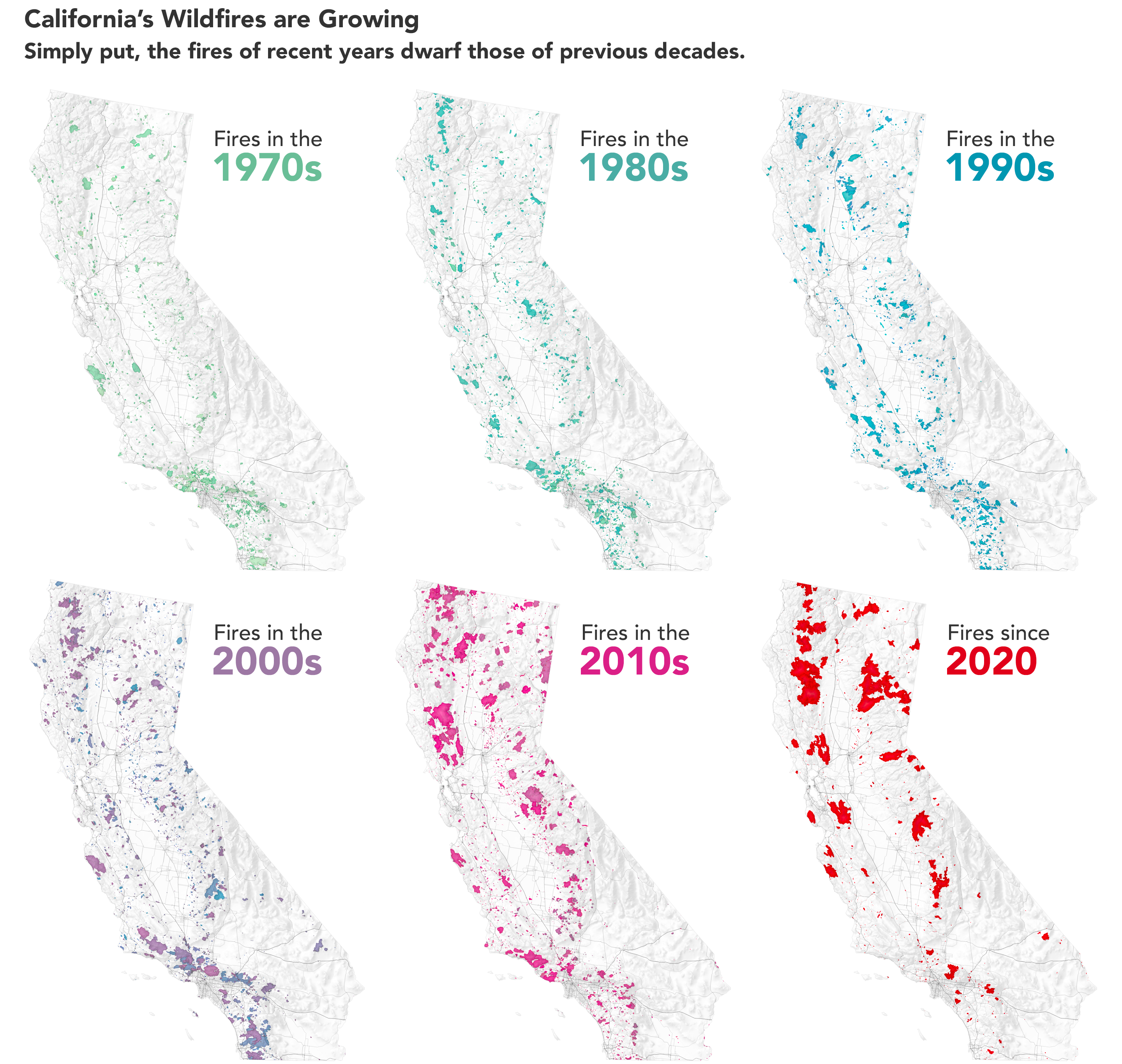
The expansion of human settlements into areas where wildlands and urban developments converge, known as the wildland-urban interface (WUI), is a major driver of wildfire risk and the severity of their impact. Homes built in these areas are inherently more vulnerable to fire. Furthermore, the presence of structures and infrastructure complicates firefighting efforts. Responders must not only battle the fire itself but also focus on protecting lives and property, diverting resources and increasing the complexity of the operation. This type of development has become increasingly common in areas with desirable scenic views and access to natural recreation, such as near Yosemite National Park or along the Big Sur coastline. Managing this interface requires a multi-faceted approach involving land-use planning, building codes that emphasize fire resistance, and effective community education.
Climate Change: A Compounding Threat
The intensifying effects of climate change are increasingly recognized as a critical factor amplifying California’s wildfire problem. Global warming is altering the state’s climate in ways that directly contribute to more frequent and severe fire seasons.
Rising Temperatures and Prolonged Drought: A Recipe for Disaster
One of the most direct impacts of climate change is the increase in average global temperatures. In California, this translates to hotter summers and warmer winters, which can lead to earlier snowmelt in the mountains and longer periods of dry conditions. This extended dry season, often exacerbated by prolonged drought conditions, creates an environment where vegetation becomes exceptionally parched and susceptible to ignition. The California drought, which has been a recurring issue over the past two decades, has significantly stressed the state’s ecosystems, making them more vulnerable to fire. Trees weakened by drought are also more susceptible to insect infestations, such as the bark beetle, which can kill large swaths of forest, further increasing the available fuel for wildfires. This phenomenon is particularly noticeable in forests across the state, from the Shasta-Trinity National Forest to the southern mountain ranges.
Altered Precipitation Patterns and Ecosystem Stress
Beyond just rising temperatures, climate change is also influencing precipitation patterns. While some regions might see increased rainfall events, the overall trend for California points towards more erratic weather, with longer periods of drought punctuated by intense, but often brief, rainfall. These intense downpours can lead to increased erosion and, paradoxically, can foster a surge of new, highly flammable vegetation growth during wetter periods, which then dries out rapidly in subsequent hot spells. This cycle of extreme wet and dry conditions places significant stress on the state’s diverse ecosystems, making them less resilient and more prone to large, fast-moving wildfires. The delicate balance of these natural environments, which attract so many visitors to national parks and state forests, is increasingly being disrupted by these climatic shifts.
Mitigation and Adaptation: Charting a Path Forward
Addressing the escalating wildfire crisis in California requires a comprehensive and sustained effort that combines aggressive mitigation strategies with proactive adaptation measures. The goal is to reduce the risk and impact of fires for both the natural landscape and the communities that inhabit it.
Forest Management and Fuel Reduction: Restoring Natural Fire Regimes
Effective forest management is paramount. This involves a shift from solely suppressing fires to actively managing fuel loads. Techniques such as prescribed burns, controlled fires intentionally set under specific conditions, can help clear out undergrowth and dead vegetation, mimicking natural fire cycles. Mechanical thinning of forests also plays a crucial role in reducing the density of trees and underbrush, making forests less susceptible to extreme fire behavior. Restoring more natural fire regimes, where smaller, less destructive fires are allowed to burn in remote areas, can also help maintain healthier, more resilient ecosystems. These efforts are vital for protecting the natural beauty that draws tourists to places like Sequoia National Park and other wilderness areas.

Community Preparedness and Building Resilience: A Shared Responsibility
Mitigating wildfire risk is not solely the responsibility of land managers; it requires active participation from communities as well. This includes educating residents about fire safety, creating defensible spaces around homes, and retrofitting structures with fire-resistant materials. Evacuation planning and preparedness drills are essential for ensuring the safety of residents and visitors. Furthermore, responsible land-use planning that discourages development in high-risk areas and promotes fire-wise community design is crucial. For travelers, understanding the fire risks associated with a particular destination and adhering to fire safety guidelines is a critical part of responsible tourism, especially when visiting areas known for their natural beauty and potential fire hazards. By working together, communities and individuals can build greater resilience against the growing threat of wildfires.
LifeOutOfTheBox is a participant in the Amazon Services LLC Associates Program, an affiliate advertising program designed to provide a means for sites to earn advertising fees by advertising and linking to Amazon.com. Amazon, the Amazon logo, AmazonSupply, and the AmazonSupply logo are trademarks of Amazon.com, Inc. or its affiliates. As an Amazon Associate we earn affiliate commissions from qualifying purchases.