
The question “Did California have slaves?” often elicits a straightforward “no” from those who know it entered the United States as a free state in 1850. However, the true answer is far more nuanced and complex, revealing a darker, often overlooked chapter in the Golden State’s vibrant history. For travelers seeking to delve deeper than the sun-drenched beaches and Hollywood glamour, understanding this past enriches any visit, transforming a casual trip into a profound journey through time and social justice. California, a land of dreams and innovation, was also a place where various forms of involuntary servitude flourished, particularly during the tumultuous Gold Rush era. This history is intertwined with the very fabric of the state, shaping its demographics, economy, and the enduring struggles for equality that continue to resonate today. Exploring these forgotten narratives offers a unique lens through which to experience California’s diverse landmarks and cultural sites, from bustling urban centers to serene historical parks.
A Golden State’s Complicated Foundation: California’s Entry into the Union
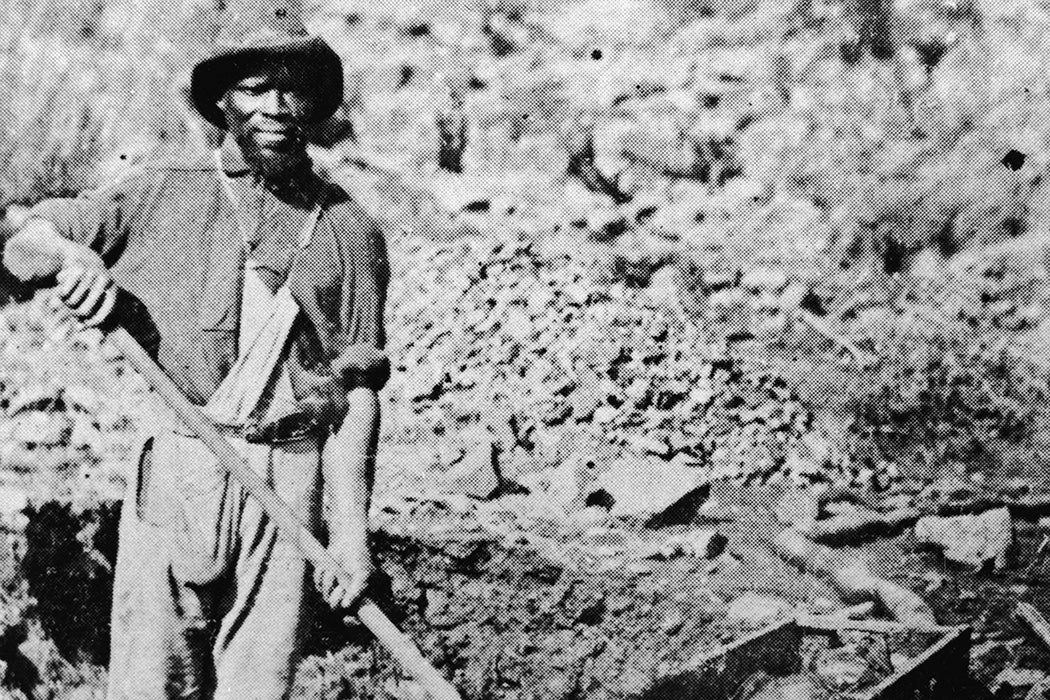
When California became the 31st state in 1850, it did so under the banner of being “free.” This designation was a critical component of the Compromise of 1850, a package of legislative deals designed to balance the interests of slave and free states and prevent the secession of southern states. While its state constitution explicitly prohibited slavery, the reality on the ground was far from straightforward. The allure of gold had drawn hundreds of thousands of people from across the globe, including those from slave states who often brought enslaved African Americans with them. These individuals found themselves in a precarious legal limbo, technically free but practically still bound. The sheer chaos and rapid growth of the state, especially in burgeoning cities like San Francisco and Sacramento, meant that laws were often poorly enforced or openly flouted. For visitors today, exploring the historic districts of these cities, such as Old Sacramento State Historic Park, can offer glimpses into the very landscapes where these complex social dynamics unfolded, even if the narratives of servitude are not always explicitly signposted. The juxtaposition of immense wealth creation and profound human exploitation lies at the heart of this period.
The Lure of Gold and Conflicting Ideals
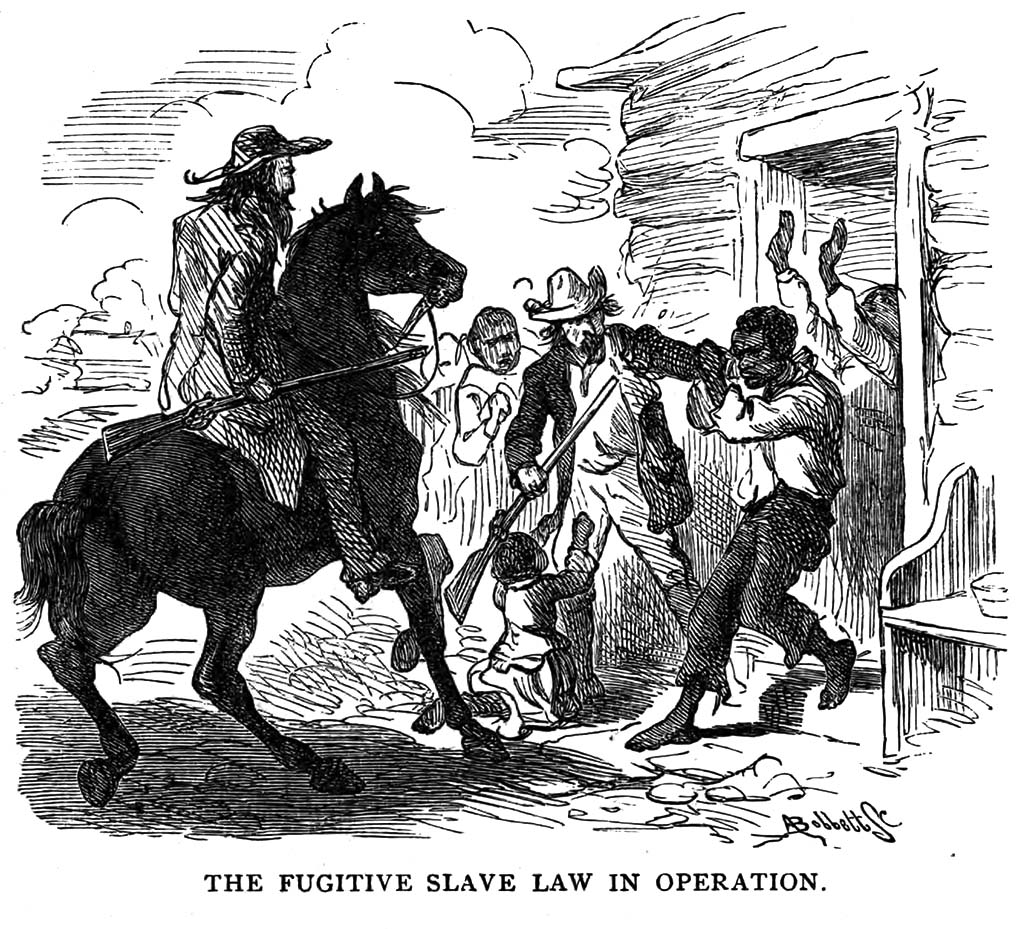
The discovery of gold at Sutter’s Mill in 1848 ignited a global frenzy, attracting a diverse population with varying beliefs about freedom and labor. Miners and prospectors flocked to the state, and with them came a small but significant number of enslaved African Americans, primarily from southern states like Missouri and Mississippi. While California’s constitution prohibited slavery, it also enacted a stringent fugitive slave law in 1852, mirroring the federal Fugitive Slave Act of 1850. This local law made it legal for slaveholders to reclaim individuals who had escaped bondage in other states, effectively extending the reach of slavery into supposedly free territory. Many African Americans who had either been brought to California by their masters or who had sought refuge there were subsequently captured and returned to servitude. This legal framework created an environment where the promise of freedom was often illusory, and the risk of re-enslavement was a constant threat. Travel through the Mother Lode region today, visiting towns like Columbia State Historic Park, offers a vibrant picture of the Gold Rush era, but it’s crucial to remember the hidden stories of those whose labor, often involuntary, contributed to the region’s prosperity. This conflicting reality underscores the moral ambiguities that defined early California and provides a deeper, more challenging context for understanding its development.
Beyond Chattel Slavery: The Plight of Indigenous Californians
While the question of African American slavery in California is complex, the state’s relationship with its Indigenous population reveals an even more extensive and brutal system of forced labor and servitude, often tantamount to slavery. Unlike the chattel slavery practiced in the American South, the bondage of Indigenous Californians was often cloaked under the guise of “indentured servitude” or “apprenticeship” laws, but its effects were equally devastating. From the Spanish mission era to the American annexation, Indigenous peoples faced systemic exploitation, displacement, and violence. The Gold Rush only exacerbated these atrocities, as prospectors encroached upon Native lands, leading to widespread massacres and the forced subjugation of entire communities. Visiting remnants of the mission system, though often presented with a romanticized view, prompts a deeper inquiry into the lives of the Native Californians who built and maintained them under duress. Contemporary tourism initiatives increasingly seek to highlight these Indigenous perspectives, offering a more complete and often harrowing historical picture that is vital for a truly informed understanding of the state.
Legalized Bondage and the Act for the Government and Protection of Indians
The most explicit legal framework for the enslavement of Indigenous peoples in California came with the notorious Act for the Government and Protection of Indians of 1850, passed shortly after statehood. This act, ostensibly designed to “protect” Native Americans, effectively legalized their enslavement under the guise of “indenturement” and “apprenticeship.” It allowed white settlers to declare any Indigenous person who was “vagrant” or without “visible means of support” as an indentured servant, often for periods of ten years or more, effectively condemning them to forced labor. Native children, especially, were routinely kidnapped and sold into servitude, with records indicating thousands of such transactions occurring throughout the state. Towns in northern California, like Mendocino and Redding, and areas surrounding the gold fields, were particularly active in this brutal trade. The act also allowed for the forced removal of Indigenous peoples from their ancestral lands, further paving the way for white settlement and resource extraction. Exploring some of California’s state parks and wilderness areas, once Indigenous territories, can evoke a powerful sense of this historical injustice. While the act was repealed in 1863, its legacy of violence and displacement fundamentally shaped the future of Indigenous communities in the state, a history that modern educational tourism is striving to acknowledge and make visible for visitors.
African Americans in Early California: Freedom Fought For
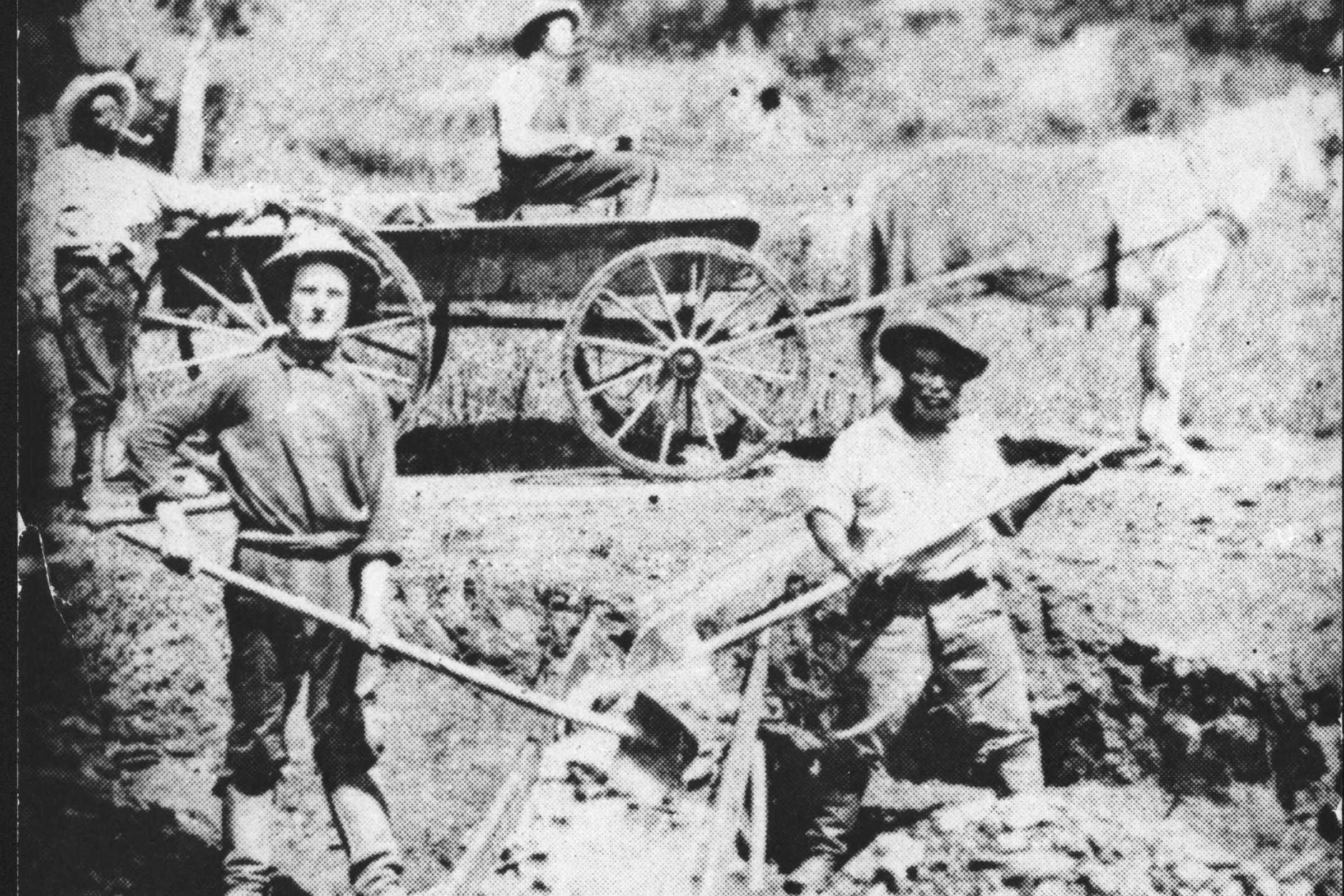
Despite the legal complexities and the looming threat of the Fugitive Slave Act, many African Americans in early California were not passive victims. They actively resisted enslavement, established vibrant communities, and waged fierce legal and political battles for their freedom and civil rights. For every individual returned to servitude, there were countless others who successfully claimed their liberty, often with the support of abolitionists and sympathetic lawyers. This period showcases immense resilience and the enduring human spirit in the face of profound injustice. Cities like Los Angeles, San Francisco, and Oakland became centers of burgeoning African American life, where churches, newspapers, and fraternal organizations provided safe havens and platforms for advocacy. Today, exploring these urban centers, travelers can discover historical markers and cultural institutions that commemorate these struggles and triumphs, offering a powerful counter-narrative to the dominant historical accounts. A visit to the California African American Museum in Los Angeles, for instance, provides invaluable insights into the lives and contributions of African Americans throughout the state’s history.
Defiance, Legal Battles, and Community Building
One of the most famous examples of an individual fighting for freedom in California is that of Bridget “Biddy” Mason. Born into slavery in Mississippi, Mason was brought to California in 1851 by her enslaver, Robert Smith. Unaware of the state’s free status, Smith attempted to move his family and his enslaved people to Texas, a slave state, in 1856. However, with the assistance of free African Americans and local authorities, Mason filed a petition for freedom in the Los Angeles County Superior Court. The court ruled in her favor, declaring Mason and her family free. This landmark case not only secured her liberty but also set a precedent for others seeking freedom in California. Mason went on to become a successful businesswoman, midwife, and philanthropist in Los Angeles, leaving a remarkable legacy that can be explored through sites like the Biddy Mason Memorial Park in downtown Los Angeles. Beyond individual stories, African American communities actively established churches, schools, and self-help organizations across the state, particularly in San Francisco, Sacramento, and Oakland. These institutions were crucial in providing social support, education, and a platform for political activism, culminating in calls for suffrage and full civil rights decades before the national Civil Rights Movement. The resilience and ingenuity displayed by these communities offer powerful lessons for today’s travelers, illustrating how collective action can forge paths to freedom and prosperity even in the most challenging environments.
Tracing the Past: Historical Landmarks and Educational Tourism
Understanding California’s complex history with various forms of servitude significantly enriches the travel experience. It transforms sightseeing into an educational journey, offering deeper context to the landscapes, cities, and cultural institutions that define the state. Rather than merely observing the surface, travelers can engage with the powerful stories embedded within these locations, gaining a more complete and empathetic understanding of California’s development. This form of educational tourism encourages visitors to look beyond the immediate attractions and consider the broader historical forces that have shaped the state. From the bustling streets of San Francisco to the serene valleys of Southern California, traces of this past are present, waiting to be discovered by those willing to seek them out. Many modern hotels and resorts, particularly those in historic buildings or areas, stand on ground that once bore witness to these narratives, providing an unexpected layer of historical significance to even the most luxurious stays.
Experiencing California’s Diverse Heritage
For those interested in exploring this complex past, California offers numerous landmarks and museums. The California State Capitol Museum in Sacramento, for instance, provides insights into the legislative processes that shaped early state laws, including those pertaining to Indigenous peoples and African Americans. The California Historical Society in San Francisco holds extensive archives and exhibits that illuminate these often-overlooked aspects of the state’s foundation. In Los Angeles, beyond the Biddy Mason Memorial Park and the California African American Museum in Exposition Park, historic neighborhoods like Pasadena, Riverside, and Long Beach have their own stories of early African American settlement and activism. The extensive network of California Missions, while architecturally significant, also serve as stark reminders of the forced labor of Indigenous peoples. Engaging with these sites with a critical eye allows travelers to appreciate their beauty while also acknowledging the painful histories they embody.
Moreover, exploring the historical areas of the Gold Rush country in the Sierra foothills, such as Placerville or Nevada City, can offer a tangible connection to the diverse population that flocked to California, including those who sought freedom and those who exploited labor. Many local museums in these towns dedicate exhibits to the experiences of various immigrant groups and the challenges they faced. By seeking out these less-advertised but profoundly impactful historical sites, visitors contribute to a more comprehensive and empathetic understanding of California’s heritage. This approach to travel allows for a deeper appreciation of the state’s resilience and its ongoing journey toward fulfilling its foundational ideals of freedom and equality, making for a truly enriching and memorable experience.
In conclusion, the question “Did California have slaves?” cannot be answered with a simple yes or no. While it entered the Union as a free state, the reality was a complicated tapestry of legal loopholes, brutal exploitation of Indigenous peoples, and the persistent struggle for freedom by African Americans. Understanding this complex history is not just an academic exercise; it’s an essential part of appreciating the full spectrum of California’s identity. For the discerning traveler, engaging with these historical narratives offers a profound way to connect with the state, moving beyond superficial attractions to a deeper, more meaningful encounter with its past and present. It’s a journey into the heart of what it truly means to be “free” in a land built on the promise of golden dreams.
LifeOutOfTheBox is a participant in the Amazon Services LLC Associates Program, an affiliate advertising program designed to provide a means for sites to earn advertising fees by advertising and linking to Amazon.com. Amazon, the Amazon logo, AmazonSupply, and the AmazonSupply logo are trademarks of Amazon.com, Inc. or its affiliates. As an Amazon Associate we earn affiliate commissions from qualifying purchases.