
The journey between New York City, the bustling epicenter of culture and commerce, and Chicago, the architectural marvel on the shores of Lake Michigan, is more than just a matter of miles; it’s an exploration of contrasting urban landscapes, rich histories, and diverse American experiences. These two metropolises, titans of the United States, offer distinct charms, drawing millions of travelers each year for business, leisure, and everything in between. Whether you’re a first-time visitor or a seasoned explorer, understanding the logistics of traveling between these iconic destinations is crucial for a smooth and memorable adventure.

At its core, the question of “how far” can be answered with a simple number, but the nuances of the journey — the time it takes, the modes of transport available, and the experiences along the way — paint a much fuller picture. The approximate distance between New York City and Chicago varies depending on the specific starting and ending points within each city, as well as the chosen route, but generally, it hovers around 790 miles (1,270 kilometers) by road. As the crow flies, the distance is slightly less, closer to 713 miles (1,147 kilometers). This significant expanse ensures that the trip is not a mere hop but a journey requiring careful consideration of travel guides, accommodation, and the unique attractions awaiting you at either end.
The Journey: Bridging the Distance Between Two Iconic Cities
Navigating the expanse between the East Coast and the Midwest offers a fascinating study in American travel. The choice of transport heavily influences not only the duration but also the overall cost and the nature of the experience itself. From the speed of air travel to the scenic routes of a road trip or the nostalgic charm of a train journey, each option presents its own set of advantages for tourists and business travelers alike.
Understanding the Geography and Distance
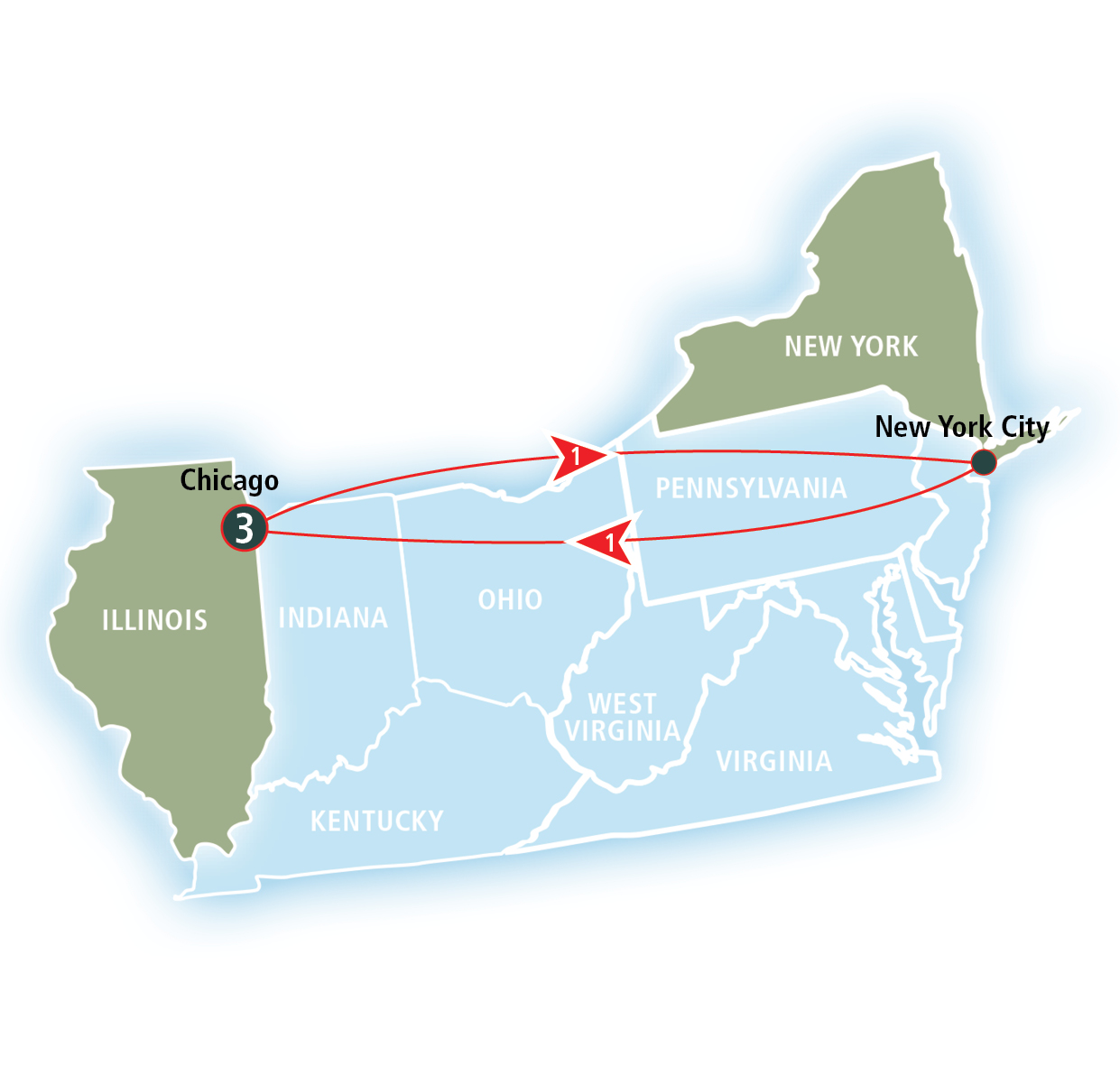
The vast stretch of land separating New York and Chicago traverses several states, including Pennsylvania, Ohio, Indiana, and Illinois. This journey typically involves crossing one time zone, from the Eastern Time Zone in New York to the Central Time Zone in Chicago, meaning you’ll “gain” an hour when traveling west and “lose” one when traveling east. The landscape along the way gradually shifts from the rolling hills of the Appalachian Mountains to the flatter, expansive farmlands of the Midwest, offering glimpses into the diverse topography of the nation.
Diverse Travel Options: From Air to Rail to Road
Selecting the right mode of transportation is paramount for any long-distance trip. Each option comes with distinct pros and cons, catering to different priorities such as speed, cost, comfort, and the desire for sightseeing.
Flying: The Fastest Route
For those prioritizing speed, air travel is unequivocally the quickest way to bridge the gap. A direct flight between New York and Chicago typically lasts around 2 hours and 30 minutes. However, this doesn’t account for the entire travel time, which includes getting to and from airports, security checks, and potential delays.
New York City is served by three major airports: John F. Kennedy International Airport (JFK), Newark Liberty International Airport (EWR) in New Jersey, and LaGuardia Airport (LGA). Chicago also boasts two major hubs: O’Hare International Airport (ORD) and Midway International Airport (MDW). Numerous airlines, including major carriers and budget options, operate frequent daily flights, making it a highly accessible route. Booking in advance, especially during peak travel seasons, is highly recommended to secure the best fares and ensure availability, a common tip in any comprehensive travel guide.
Driving: The Classic American Road Trip
Embarking on a road trip from New York to Chicago offers a quintessential American experience. The drive, covering approximately 790 miles, typically takes around 12 to 14 hours of pure driving time. This means it’s usually broken up into a two-day journey with an overnight stay somewhere in between, perhaps in Cleveland, Ohio, or a city along the way.
The most common routes involve major interstates like I-80 or I-90, which are well-maintained and offer various stops for food, fuel, and rest. A road trip allows for flexibility, the freedom to explore off-the-beaten-path attractions, and the opportunity to witness the changing landscapes firsthand. However, it also entails costs for fuel, tolls (which can be significant, especially in Pennsylvania and Ohio), and potential car rental fees. For those seeking budget travel, carpooling or comparing car rental agencies for the best deals are smart strategies.
Train Travel: Scenic and Relaxed
Amtrak, the national passenger rail corporation, offers a unique way to travel between these two great cities. The Lake Shore Limited service provides daily overnight journeys, typically taking around 18 to 20 hours. While slower than flying, train travel offers a comfortable and often scenic alternative, allowing passengers to relax, work, or simply enjoy the passing scenery without the stresses of driving or airport security.
Travelers can choose from various seating options, including coach, business class, and private sleeper cars, which offer beds and en-suite facilities, transforming the journey into an experience akin to a moving hotel. Dining cars and observation lounges add to the appeal, making it a popular choice for those who value comfort and a different pace of travel. It’s an excellent option for exploring local culture from a different perspective, offering a glimpse into the heartland.
Bus Travel: The Economical Choice
For budget-conscious travelers, bus services like Greyhound and Megabus provide the most economical option. The journey can take anywhere from 16 to 24 hours, depending on the number of stops and transfers. While it’s the longest travel option, modern buses often come equipped with Wi-Fi, power outlets, and reclining seats, making the long ride more manageable. It’s a popular choice among students, backpackers, and anyone prioritizing cost savings above all else, embodying a key aspect of budget travel.
Exploring the Destinations: What Awaits You in New York and Chicago

Once you’ve arrived, both New York and Chicago promise an exhilarating array of attractions, cultural experiences, and culinary delights. These destinations are replete with famous places, architectural wonders, and historical sites that cater to every interest.
Iconic Landmarks and Attractions in New York City
New York City, often referred to as the “Big Apple,” is a city that never sleeps, famous for its iconic landmarks and vibrant energy. A trip here is a dive into a melting pot of global cultures and experiences.
- Statue of Liberty & Ellis Island: Essential historical landmarks, offering breathtaking views and a deep dive into American immigration history.
- Empire State Building & Top of the Rock: Provide unparalleled panoramic views of the city skyline, perfect for capturing the scale of Manhattan.
- Times Square: A dazzling, sensory overload of billboards, street performers, and the heart of the Broadway Theater District, where you can catch world-class shows.
- Central Park: An urban oasis offering a tranquil escape from the city bustle, ideal for leisurely strolls, picnics, or rowboat rides.
- World-Class Museums: The Metropolitan Museum of Art, the Museum of Modern Art (MoMA), and the American Museum of Natural History offer endless hours of exploration for art and science enthusiasts.
Beyond the sights, New York is a culinary paradise, from street food vendors selling classic New York-style pizza and bagels to Michelin-starred restaurants. Its local culture is dynamic, ever-evolving, and endlessly fascinating.
Discovering the Charms of Chicago
Chicago, the “Windy City,” stands proudly as a beacon of modern architecture, world-class museums, and a thriving arts scene, all set against the stunning backdrop of Lake Michigan.
- Millennium Park: Home to the iconic Cloud Gate sculpture (affectionately known as “The Bean”), Pritzker Pavilion, and the Crown Fountain.
- Art Institute of Chicago: One of the oldest and largest art museums in the United States, boasting an encyclopedic collection.
- Navy Pier: A family-friendly destination featuring rides, restaurants, shops, and stunning views of the city skyline and Lake Michigan.
- Magnificent Mile: A premier shopping destination along Michigan Avenue, offering luxury boutiques, department stores, and renowned hotels.
- Architectural Boat Tours: A must-do experience to appreciate Chicago’s groundbreaking architecture and learn about its history.
Chicago’s local culture is deeply rooted in its industrial past and jazz heritage, offering a more relaxed yet equally vibrant atmosphere compared to New York. No visit is complete without sampling its famous deep-dish pizza and Chicago-style hot dogs.
Accommodation and Lifestyle: Enhancing Your Stay
Regardless of your chosen destination, securing the right accommodation is key to a comfortable and enjoyable trip. Both New York and Chicago offer a vast array of options catering to every preference and budget, from opulent hotels to cozy apartments and unique long-term stay possibilities.
Finding Your Perfect Stay: Hotels and Beyond
The accommodation landscape in both cities is incredibly diverse. When planning your trip, consider not just the price, but also the location, amenities, and overall experience you desire.
- Luxury Hotels: For those seeking an indulgent escape, New York offers iconic establishments like The Plaza Hotel overlooking Central Park or the sophisticated St. Regis New York. In Chicago, the Waldorf Astoria Chicago and the Langham Chicago provide exquisite service and amenities. These hotels often come with world-class dining, spas, and concierge services, elevating a stay into a luxury travel experience.
- Boutique Hotels: For a more personalized and intimate experience, boutique hotels like The Ludlow Hotel in New York’s Lower East Side or The Publishing House Bed and Breakfast in Chicago’s West Loop offer unique decor and local charm.
- Mid-Range and Budget-Friendly Options: Chain hotels, hostels, and guesthouses are plentiful, providing comfortable stays without breaking the bank. Websites for booking, reviews, and comparison are invaluable tools for finding the best deals. Always check recent reviews to ensure quality and accurate representations of services.
- Apartments and Vacation Rentals: For longer stays, family trips, or those desiring a more “local” experience, booking apartments or villas through platforms like Airbnb or VRBO can be an excellent option. This offers amenities like kitchens and laundry facilities, enhancing the long-term stay experience.
Tailoring Your Trip: Lifestyle and Experiences
Understanding your travel lifestyle – whether it’s luxury travel, budget travel, a family trip, or a business stay – will significantly shape your choices for accommodation, activities, and overall itinerary.
- Luxury Travel: If indulgence is your priority, consider upgrading to first-class air travel, booking suites at five-star resorts, reserving tables at exclusive restaurants, and arranging private tours of landmarks. The concierge services at high-end hotels can often facilitate unique experiences, from private shopping to exclusive event access.
- Budget Travel: For those mindful of costs, public transportation is your best friend. Look for free attractions such as walking tours, public parks, and free museum days. Consider hostels, guesthouses, or even camping if you’re driving. Eating street food or cooking some meals in a rental apartment can also significantly cut down expenses. Comparison websites for flights and accommodation are vital for finding the best deals.
- Family Trips: When traveling with family, look for hotels with family suites, kid-friendly amenities like pools, and locations close to family attractions. Many museums in both cities offer children’s programs, and dedicated parks provide ample space for play. Booking activities and transport in advance can ease logistical challenges.
- Business Stays: For business travelers, proximity to convention centers, financial districts, and major transportation hubs is paramount. Hotels offering business centers, high-speed internet, executive lounges, and meeting facilities are ideal. Efficiency and connectivity are key considerations for a productive business trip.
Planning Your Bi-City Adventure: Essential Tips
A well-planned itinerary is the cornerstone of any successful trip, especially when traversing such a significant distance and exploring two dynamic cities.
- Best Time to Visit: Both New York and Chicago experience four distinct seasons. Spring (April-May) and Fall (September-October) generally offer the most pleasant weather, with comfortable temperatures and beautiful foliage, making them ideal for sightseeing. Summers can be hot and humid, especially in New York, while winters are typically very cold with snow, particularly in Chicago. However, each season offers unique activities, from holiday markets in winter to outdoor festivals in summer.
- Transportation Within Cities: Both cities boast excellent public transportation networks. New York City’s subway system is extensive and operates 24/7, making it the most efficient way to get around. Chicago’s ‘L’ train and bus system are equally comprehensive. Taxis and rideshare services (Uber, Lyft) are readily available in both cities but can be more expensive, especially during peak hours.
- Budgeting: Create a detailed budget encompassing travel costs (flights, train tickets, fuel), accommodation, food, attractions, and miscellaneous expenses. Factor in potential tolls, parking fees, and tipping culture. Utilizing a comprehensive travel guide can help estimate costs for various activities.
- Packing Essentials: Pack according to the season and your planned activities. Comfortable walking shoes are a must for both cities. Layers are always a good idea, as temperatures can fluctuate. Don’t forget chargers, a portable power bank, and any necessary medications.
- Local Insights: Research local customs and etiquette. Tipping is customary in the United States for service industry workers (restaurants, bars, taxis). Be aware of your surroundings, especially in crowded tourist areas, and use common sense for personal safety. Engaging with locals can often uncover hidden gems and enhance your experience of the local culture.
In conclusion, the journey from New York to Chicago is a considerable one, spanning close to 800 miles and offering a diverse range of travel experiences. Whether you opt for the speed of air travel, the freedom of a road trip, or the leisurely pace of the train, each option connects you to two of America’s most captivating cities. By considering the distance, travel time, budget, and desired lifestyle, you can tailor an unforgettable adventure that showcases the best of East Coast dynamism and Midwest charm. Prepare to be enchanted by the iconic landmarks, world-class tourism, and vibrant local cultures that await you in both destinations.
LifeOutOfTheBox is a participant in the Amazon Services LLC Associates Program, an affiliate advertising program designed to provide a means for sites to earn advertising fees by advertising and linking to Amazon.com. Amazon, the Amazon logo, AmazonSupply, and the AmazonSupply logo are trademarks of Amazon.com, Inc. or its affiliates. As an Amazon Associate we earn affiliate commissions from qualifying purchases.