
Embarking on a journey from the bustling metropolis of New York to the vibrant heart of the Midwest, Chicago, is a common travel scenario for both business professionals and leisure seekers. Whether you’re flying for a critical meeting, a family vacation, or a romantic getaway, understanding the flight duration and the entire travel experience is key to a smooth and enjoyable trip. While the direct flight itself is remarkably swift, the overall travel time from door to door involves several considerations, from navigating busy airports to choosing the right departure and arrival points. This comprehensive guide delves into everything you need to know about flying between these two iconic United States cities, offering insights into flight logistics, optimal planning strategies, and what to expect upon arrival in the magnificent Windy City.
Understanding the Flight Duration: The Core of Your Journey
The actual time spent airborne between New York and Chicago is often shorter than many anticipate, making it an incredibly accessible route for weekend trips or quick business engagements. However, a truly seamless journey requires accounting for more than just the time in the air.
The Direct Flight Experience: Quick and Convenient
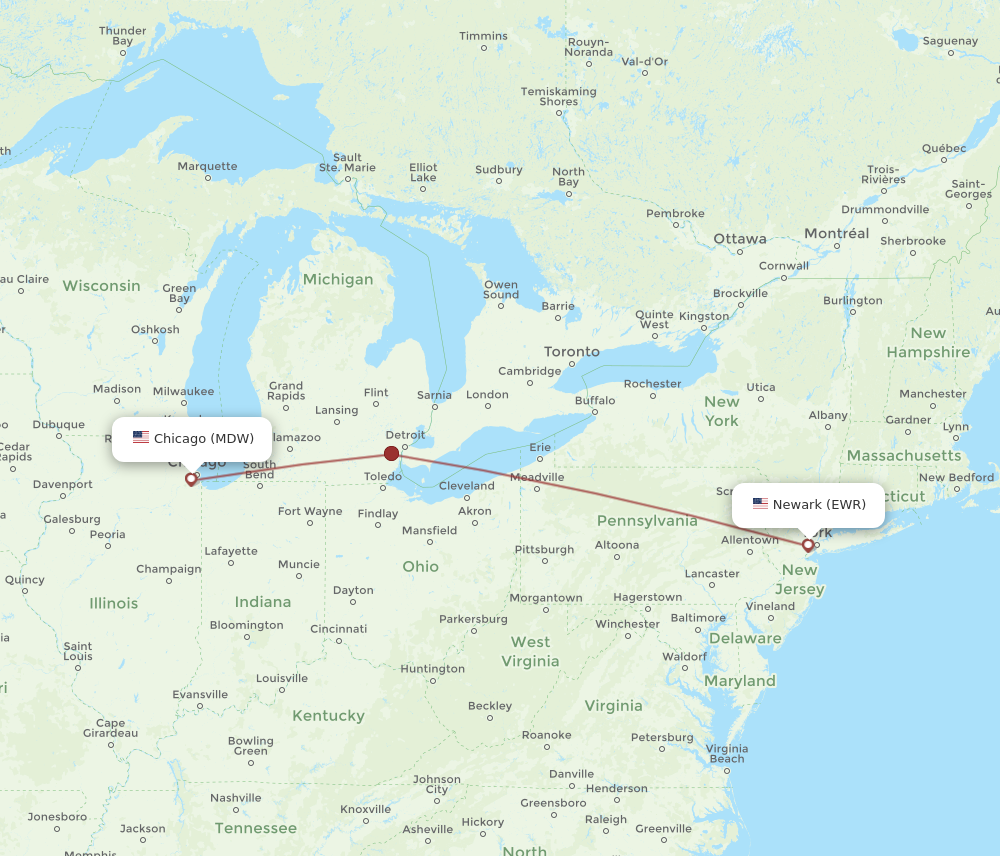
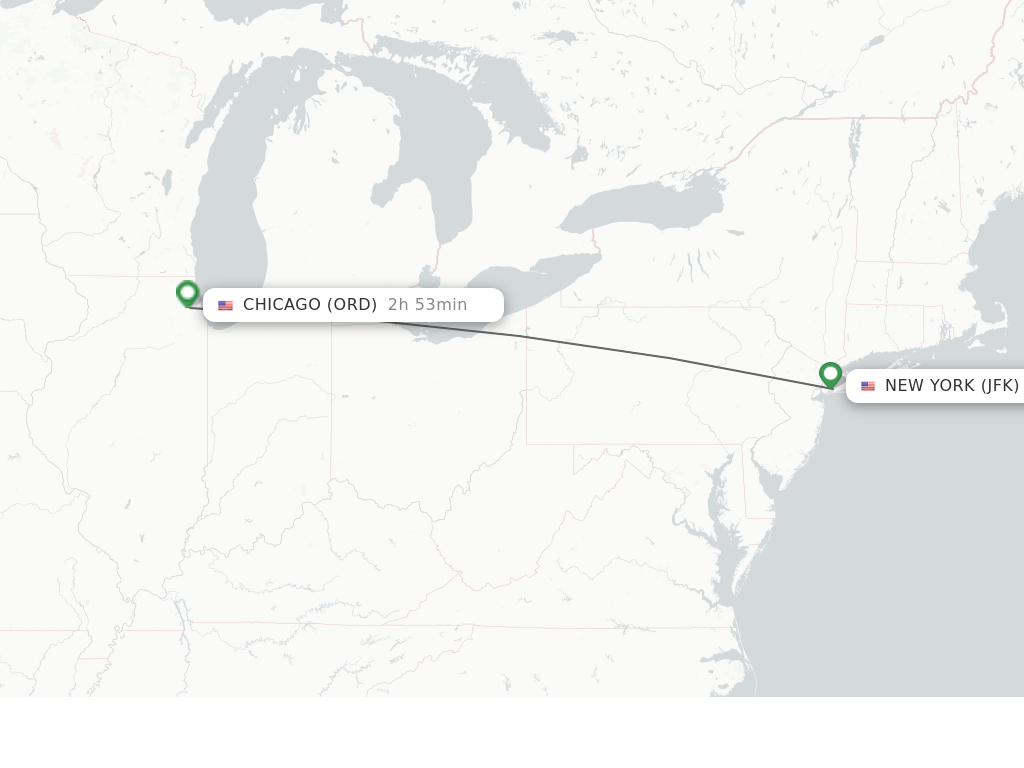
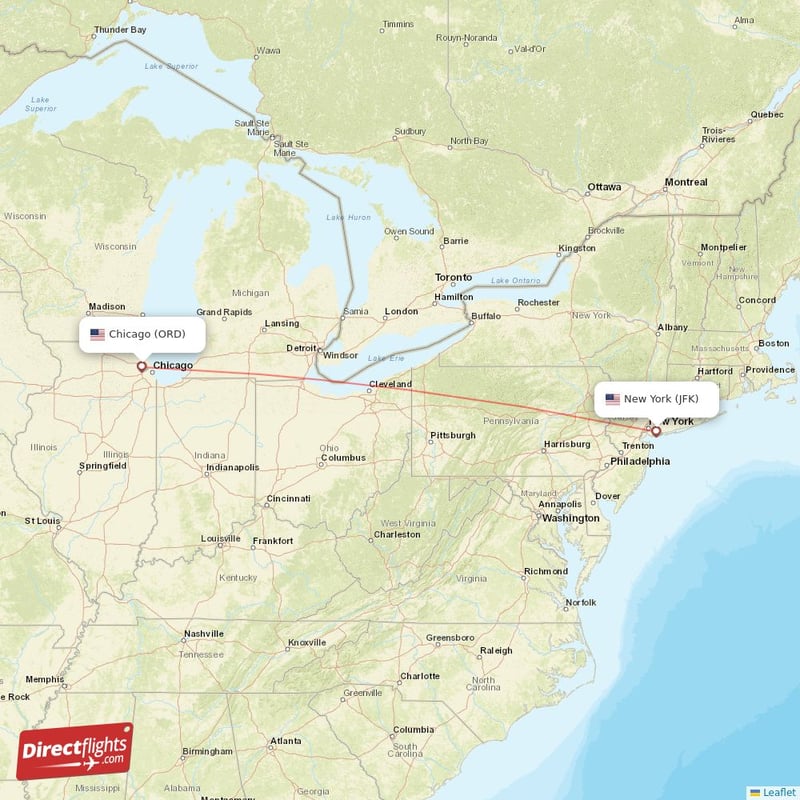
For most travelers, the appeal of a direct flight from New York to Chicago lies in its efficiency. The average direct flight duration typically ranges from 2 hours to 2 hours and 15 minutes. This relatively short travel time covers an approximate air distance of about 713 miles (1,147 kilometers). Major airlines such as United Airlines, American Airlines, Delta Air Lines, Southwest Airlines, Spirit Airlines, and JetBlue Airways offer numerous daily non-stop services between the two cities, ensuring a wide array of options for different schedules and budgets.
This quick connection is a boon for busy professionals who need to minimize travel time or for families looking to spend more time enjoying their destination rather than enduring a long journey. The short flight means less time dealing with potential turbulence, less time in a confined space, and a quicker transition to the excitement of Chicago.
Factors Influencing Flight Time: Beyond the Basics
While the quoted flight time is a good general estimate, several factors can subtly influence the actual duration of your journey:
- Wind Speed and Jet Stream: Flights traveling westward against the prevailing winds (e.g., Chicago to New York) might take slightly longer, while eastbound flights often benefit from tailwinds, potentially shortening the trip. The powerful transatlantic jet stream, though primarily affecting longer flights, can have minor impacts on domestic routes.
- Air Traffic Control (ATC) Delays: Both New York and Chicago boast some of the busiest airspaces in the world. ATC congestion, especially during peak travel times or adverse weather conditions, can lead to delays in takeoff or holding patterns upon arrival, extending the overall journey.
- Aircraft Type: While most airlines use similar narrow-body aircraft (like Boeing 737s or Airbus A320s) for this route, slight differences in cruising speed can account for a few minutes’ variation in flight time.
- Route Optimization: Pilots and air traffic controllers continuously optimize flight paths based on weather, military airspace restrictions, and traffic, which can sometimes lead to minor adjustments in flight duration.
Navigating Airports: From NYC to the Windy City
It’s crucial to remember that the “flight time” only accounts for the time spent in the air. A realistic estimation of your total travel time from the moment you leave your accommodation in New York until you reach your final destination in Chicago should factor in additional steps:
- Travel to the Departure Airport: Depending on your starting point in New York and your chosen airport, this can take anywhere from 30 minutes to 1.5 hours.
- Check-in and Security: Arriving at the airport 1.5 to 2 hours before your domestic flight is generally recommended to allow ample time for baggage check-in and security screening, which can be unpredictable.
- Boarding: The boarding process typically begins 30-45 minutes before departure.
- Deplaning and Baggage Claim: After landing, it takes time to deplane, especially if you’re seated further back. If you’ve checked luggage, collecting it can add another 15-30 minutes.
- Ground Transportation from Arrival Airport: Traveling from Chicago’s airports to your hotel or final destination in the city center can take anywhere from 30 minutes to over an hour, depending on traffic and mode of transport.
Considering all these elements, a conservative estimate for your total door-to-door travel time from New York to Chicago would typically range from 4 to 6 hours. While the flight itself is quick, careful planning for ground logistics is essential for a stress-free journey.
Beyond the Flight: Planning Your Trip to Chicago
A well-planned trip begins long before you step onto the plane. Choosing the right airports, understanding seasonal variations, and booking strategically can significantly enhance your travel experience and potentially reduce costs.
Choosing Your New York Departure Point: Airports Compared
The New York metropolitan area is served by three major airports, each with its own advantages and disadvantages:
- John F. Kennedy International Airport (JFK): As the largest and busiest airport in New York, JFK primarily handles international flights, but also offers numerous domestic connections. It’s located further out in Queens, which can mean longer travel times from Manhattan. Access via the AirTrain connects to the MTA subway and Long Island Rail Road (LIRR).
- Newark Liberty International Airport (EWR): Located in New Jersey, EWR is often a convenient option for those residing in New Jersey or western Manhattan. It’s a major hub for United Airlines and typically offers competitive prices for Chicago flights. Access via AirTrain to NJ Transit trains or Amtrak.
- LaGuardia Airport (LGA): Situated closest to Manhattan in Queens, LGA is predominantly a domestic airport. It has undergone extensive renovations, significantly improving the passenger experience. While direct subway access is not available, numerous bus routes connect to subway lines, and taxis/ride-shares are readily available. Its proximity to the city makes it a popular choice for many.
When choosing, consider your starting location in New York, the airline you prefer, and the overall cost, including ground transportation.
Arriving in the Windy City: Chicago’s Airports
Chicago is served by two primary airports, each offering different advantages for travelers heading downtown or to specific neighborhoods:
- O’Hare International Airport (ORD): As one of the world’s busiest airports, O’Hare is a major international and domestic hub, located about 17 miles northwest of downtown. It offers the widest selection of flights and airlines. Downtown access is convenient via the CTA Blue Line train, which runs 24/7 and takes approximately 45-60 minutes. Taxis and ride-shares are also available but can be subject to heavy traffic.
- Midway International Airport (MDW): Smaller and closer to downtown, about 10 miles southwest, Midway is often favored by domestic travelers for its efficiency and proximity. It’s a major hub for Southwest Airlines. The CTA Orange Line train provides direct service to the Loop in about 20-25 minutes, making it a very convenient option for city center destinations.
For budget-conscious travelers or those prioritizing speed to downtown, Midway often wins out. However, if your flight schedule or preferred airline only serves O’Hare, its extensive amenities and connectivity still make it a viable option.
The Best Time to Fly: Weather, Crowds, and Cost
The timing of your flight to Chicago can significantly impact both your experience and your budget.
- Spring (April-May) and Fall (September-October): These shoulder seasons are often considered the best times to visit Chicago. The weather is generally mild and pleasant, perfect for exploring outdoor attractions and enjoying the city’s architecture. Crowds are thinner than in summer, and flight/hotel prices tend to be more moderate.
- Summer (June-August): This is peak tourist season, drawing visitors with warm weather, numerous festivals, and outdoor activities like boat tours on the Chicago River or relaxing on Lake Michigan beaches. However, expect higher airfares, hotel rates, and larger crowds. Book well in advance if traveling during summer.
- Winter (November-March): Chicago winters are notoriously cold, with significant snowfall and biting winds, giving the city its “Windy City” moniker. While prices for flights and accommodations are typically lower, travel can be impacted by weather delays. If you don’t mind the cold, this can be a great time for indoor attractions and festive holiday markets.
For the most budget-friendly fares, consider flying mid-week (Tuesday-Thursday) or during off-peak hours. Flexibility with your travel dates can often lead to substantial savings.
Maximizing Your Chicago Experience: What Awaits You
Once your flight details are sorted, the real fun of planning your Chicago adventure begins. This city offers an incredible array of attractions, culinary delights, and diverse neighborhoods to explore, catering to every lifestyle and interest.
Iconic Landmarks and Attractions
Chicago is a treasure trove of world-class landmarks and cultural institutions. No visit is complete without experiencing:
- Millennium Park: Home to the iconic Cloud Gate sculpture (affectionately known as “The Bean”), Pritzker Pavilion, and the Crown Fountain. It’s a vibrant public space perfect for strolls and photo opportunities.
- Art Institute of Chicago: One of the oldest and largest art museums in the United States, boasting an encyclopedic collection spanning centuries and cultures.
- Navy Pier: A family-friendly destination offering rides like the Centennial Wheel, boat tours, restaurants, and entertainment venues, all with stunning views of Lake Michigan and the city skyline.
- Willis Tower Skydeck: Dare to step onto The Ledge, a glass balcony extending four feet outside the 103rd floor of the Willis Tower, for unparalleled panoramic views.
- Magnificent Mile: A premier shopping district along North Michigan Avenue, offering luxury boutiques, department stores, and fine dining.
- Museum Campus: A sprawling park area on the shores of Lake Michigan, featuring three of Chicago’s most renowned institutions: the Shedd Aquarium, Field Museum, and Adler Planetarium.
- Architectural Boat Tours: Cruising along the Chicago River provides an exceptional perspective on the city’s world-famous architecture, narrated by expert guides.
Culinary Delights and Local Culture
Chicago’s culinary scene is legendary, from its iconic deep-dish pizza to its innovative fine dining.
- Deep-Dish Pizza: A must-try! Sample this quintessential Chicago dish at local favorites like Lou Malnati’s or Giordano’s.
- Chicago-Style Hot Dogs: Forget ketchup! Enjoy a classic hot dog “dragged through the garden” with mustard, relish, onions, tomato, pickle spear, sport peppers, and celery salt.
- Diverse Dining: Beyond the classics, Chicago boasts an impressive array of Michelin-starred restaurants, ethnic eateries in neighborhoods like Pilsen (Mexican) and Argyle Street (Vietnamese), and a vibrant food truck scene.
- Live Music: Immerse yourself in Chicago’s rich musical heritage, particularly its legendary blues and jazz clubs. Venues like Buddy Guy’s Legends and Green Mill Cocktail Lounge offer authentic experiences.
- Theater and Arts: The city’s theater district is renowned, featuring Broadway in Chicago productions, world-class improv at The Second City, and numerous smaller theaters.
- Neighborhood Exploration: Venture beyond downtown to discover unique areas like Wicker Park for its trendy boutiques and nightlife, or Lincoln Park for its charming residential streets, namesake park, and free zoo.
Accommodation Choices: From Luxury to Budget-Friendly
Chicago offers a vast selection of accommodations to suit every budget and travel style, from opulent suites to convenient apartments and budget hostels.
- Luxury Stays: For an indulgent experience, consider five-star hotels like The Peninsula Chicago, The Langham Chicago, or Four Seasons Chicago, often located along the Magnificent Mile or in River North, offering exquisite amenities and impeccable service.
- Mid-Range Options: Numerous boutique hotels and trusted chains provide excellent value and comfort. Examples include Hotel EMC2, Kinzie Hotel, or various Marriott and Hilton properties, many concentrated in the Loop and River North for easy access to attractions.
- Budget-Friendly & Long-Term: Hostels, guesthouses, and serviced apartments cater to budget travelers or those planning an extended stay. Look for options slightly further from the immediate downtown core, perhaps in neighborhoods like Wicker Park or Lincoln Park, which also offer a more local experience. For comparison and reviews, consult accommodation booking platforms to find the best fit for your needs.
Choosing the right neighborhood is key. The Loop is ideal for business and major attractions, River North for dining and nightlife, and the Magnificent Mile for upscale shopping.
Essential Travel Tips for a Seamless Journey
To ensure your New York to Chicago journey is as smooth and stress-free as possible, a few additional tips can make a significant difference.
Booking Smart: When and How to Secure Your Flight
- Book in Advance: For the best prices on New York to Chicago flights, aim to book 2-3 months in advance, especially if traveling during peak season or holidays.
- Flexibility is Key: If your schedule allows, flying on Tuesdays, Wednesdays, or Saturdays often yields lower fares. Early morning or late-night flights can also be more affordable.
- Utilize Comparison Sites: Use online travel agencies and flight comparison websites to compare prices across different airlines and find the best deals. Be sure to check airline websites directly as well, as they sometimes offer exclusive promotions.
- Consider Loyalty Programs: If you’re a frequent flyer with a particular airline, leverage your loyalty points or status for upgrades, preferred seating, or even free flights.
- Sign up for Price Alerts: Many travel sites offer email alerts that notify you when prices for your desired route drop.
Packing Essentials for Both Cities
Given the variable weather in both New York and Chicago, especially outside of summer, packing smart is crucial for a comfortable trip.
- Layers: Always pack layers. Even on a warm day, evenings can be cool, especially near Lake Michigan.
- Comfortable Walking Shoes: Both cities are best explored on foot, so comfortable footwear is non-negotiable for sightseeing.
- Weather-Appropriate Outerwear: Depending on the season, bring a light jacket, a heavier coat, or a waterproof layer. A compact umbrella is always a good idea.
- Portable Charger: Essential for keeping your phone charged while navigating, taking photos, and accessing digital boarding passes.
- Reusable Water Bottle: Stay hydrated and save money by refilling your bottle.
- Digital Copies: Keep digital copies of your passport, ID, flight reservations, and hotel bookings on your phone or in the cloud.
Ground Transportation Upon Arrival
Efficiently navigating Chicago upon arrival is crucial. The city’s public transportation system is excellent.
- CTA Trains: The Chicago Transit Authority (CTA) operates both the Blue Line (from O’Hare) and the Orange Line (from Midway), offering the most cost-effective and often quickest way to reach downtown. Purchase a Ventra Card at the airport for easy access.
- Taxis and Ride-Shares: Readily available at both airports, these offer door-to-door service but can be more expensive, especially during peak hours or heavy traffic.
- Airport Shuttles: Shared-ride shuttles can be a good compromise between cost and convenience, dropping you directly at your hotel.
- Divvy Bikes: For shorter distances within the city, Chicago offers a robust bike-share program, perfect for exploring parks and waterfronts on a pleasant day.
In conclusion, while the flight time from New York to Chicago is a mere two hours, the complete travel experience requires thoughtful planning. By considering airport logistics, seasonal variations, and what you hope to experience in the Windy City, you can ensure a comfortable, efficient, and ultimately unforgettable journey between these two dynamic American metropolises.
LifeOutOfTheBox is a participant in the Amazon Services LLC Associates Program, an affiliate advertising program designed to provide a means for sites to earn advertising fees by advertising and linking to Amazon.com. Amazon, the Amazon logo, AmazonSupply, and the AmazonSupply logo are trademarks of Amazon.com, Inc. or its affiliates. As an Amazon Associate we earn affiliate commissions from qualifying purchases.