
The heartbeat of any metropolis is its people. For a global hub like Chicago, understanding its population isn’t just about raw numbers; it’s about grasping the vibrant tapestry that defines its culture, shapes its urban landscape, and fuels its enormous appeal as a destination for travel, tourism, and lifestyle. The Windy City, nestled on the shores of Lake Michigan in Illinois, stands as a testament to American ingenuity and diversity, a magnet for dreamers, innovators, and visitors alike. Its population figures tell a story of growth, change, and enduring magnetism, profoundly influencing everything from the availability of accommodation to the richness of its culinary scene and the accessibility of its world-class landmarks.
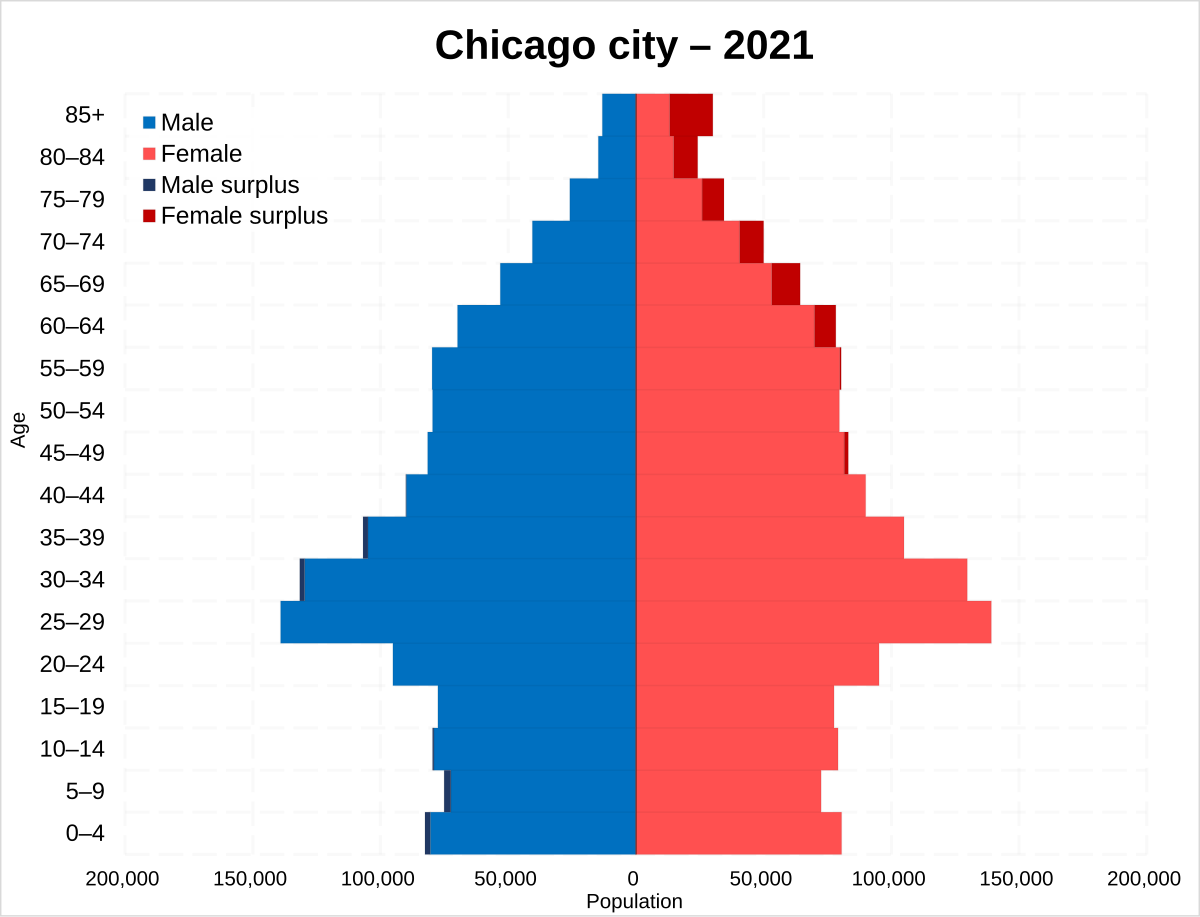
Delving into the question of “How many people in the city of Chicago?” reveals more than mere statistics. It uncovers the dynamic forces that make this city a prime location for everything from luxury travel to budget-friendly stays, from bustling business trips to unforgettable family vacations. The sheer volume and diversity of its residents are the engine behind its thriving hotel industry, its plethora of attractions, and its reputation as a global city continually reinventing itself.
Chicago’s Dynamic Population: A Snapshot
At its core, Chicago’s identity is inextricably linked to its population. As one of the largest cities in the United States, its demographic profile is a complex and fascinating study, directly impacting its urban development, economic vitality, and its capacity to welcome millions of visitors each year.
Unpacking the Numbers: City Proper vs. Metropolitan Area
When discussing the population of Chicago, it’s crucial to distinguish between the population of the city proper and that of the broader metropolitan area, as both figures significantly influence its status as a travel destination.
The city of Chicago itself consistently ranks among the top three most populous cities in the United States. While exact figures fluctuate due to ongoing census data collection and demographic shifts, recent estimates generally place Chicago’s population within the city limits at roughly 2.7 to 2.8 million residents. This makes it a dense, vibrant urban center, a hub of activity that rarely sleeps. This considerable resident base ensures a constant demand for services, infrastructure, and entertainment, contributing to a lively atmosphere that travelers find captivating.
However, to fully appreciate Chicago’s influence, one must look at the larger metropolitan statistical area (MSA), often referred to as Chicagoland. This expansive region includes Chicago and its numerous suburbs, stretching across northeastern Illinois and even into parts of Indiana and Wisconsin. The population of the Chicago MSA is vastly larger, typically hovering around 9.5 to 10 million people. This makes Chicagoland one of the largest metropolitan areas in North America, a massive economic engine and a sprawling community that feeds into the city’s cultural and commercial core.
The distinction is vital for tourism and accommodation. A larger metropolitan area means a vast pool of potential day-trippers and weekend visitors to the city’s central attractions, boosting local businesses, hotels, and restaurants. It also means a diverse workforce supporting the hospitality sector and a wide array of neighborhoods and experiences extending beyond the immediate downtown area.
A Historical Lens: Growth and Transformation
Chicago’s population journey is a compelling narrative of ambition, industry, and resilience. From its humble beginnings as a small trading post in the early 19th century, Chicago experienced explosive growth, particularly in the latter half of the 1800s. Its strategic location at the nexus of burgeoning rail lines and water transportation routes transformed it into a critical hub for agriculture, manufacturing, and commerce. Immigrants from across Europe flocked to the city, drawn by the promise of jobs and a new life, swelling its population and contributing to its diverse character.
By the turn of the 20th century, Chicago was firmly established as one of the United States’ leading cities, its population continuing to soar through industrialization. While the latter half of the 20th century saw some shifts and suburbanization trends, the city has demonstrated remarkable tenacity, adapting to economic changes and maintaining its status as a major global player. This historical growth has imprinted itself on Chicago’s urban fabric, from its distinctive architecture to its vibrant ethnic neighborhoods, each telling a part of the city’s evolving story and offering unique experiences for visitors.
The Demographic Tapestry: Culture, Community, and Connectivity
The sheer number of people in Chicago is significant, but it’s the composition of this population that truly brings the city to life. Chicago’s diverse demographics are the bedrock of its rich local culture, its renowned food scene, and its dynamic social fabric, making it an incredibly appealing destination for travelers seeking authentic experiences.
The Rich Mosaic of Chicagoan Life
Chicago is a melting pot of cultures, ethnicities, and backgrounds, a legacy of its history as an immigrant gateway. People from virtually every corner of the globe have made Chicago their home, contributing to a vibrant mosaic that is evident in every aspect of city life. This diversity is not just a demographic fact; it’s a living, breathing component of the Chicago experience.
The city boasts significant populations of African Americans, Hispanic/Latino individuals (with strong Mexican and Puerto Rican communities), various Asian communities (Chinese, Indian, Filipino, Korean), and a broad spectrum of European ancestries (Polish, Irish, German, Italian, Greek, etc.). Each group has contributed to Chicago’s culinary landscape, artistic expressions, musical traditions, and community celebrations. This creates an unparalleled environment for travelers to explore different cultures without ever leaving the city limits. Imagine savoring authentic Polish pierogi in Jackowo, enjoying a vibrant Chinese New Year parade in Chinatown, or experiencing a lively Latin music festival. This rich cultural exchange is a cornerstone of Chicago’s allure.
Neighborhoods: Microcosms of Diversity
The diversity of Chicago’s population is perhaps best experienced through its distinct neighborhoods, each possessing its own character, charm, and unique attractions. These neighborhoods are more than just geographical divisions; they are vibrant communities that reflect the varied lifestyles and cultural heritages of their residents.
From the upscale boutiques and bustling nightlife of River North to the historic brownstones and expansive green spaces of Lincoln Park, and the bohemian vibe and indie shops of Wicker Park, Chicago offers a kaleidoscope of urban experiences. Travelers can spend days exploring these different enclaves, discovering hidden gems, local eateries, independent art galleries, and community parks that are vital to the daily lives of Chicagoans. Each neighborhood provides a different perspective on what it means to live in this dynamic city, offering everything from quaint apartments and boutique hotels to vibrant street art and historical landmarks that cater to diverse tastes and budget travel preferences.

This rich tapestry of communities ensures that Chicago is never a monolithic experience. Instead, it’s a city of a thousand small stories, each waiting to be discovered, making it an ideal destination for those who seek to immerse themselves in genuine local culture.
Population’s Profound Impact on Travel and Tourism
The sheer volume and diversity of Chicago’s population are not merely demographic facts; they are foundational pillars supporting its massive travel and tourism industry. The constant churn of residents, combined with the millions of annual visitors, creates a powerful symbiotic relationship that drives the city’s economy and defines its visitor experience.
Fueling the Hospitality Sector: Hotels and Accommodation
A city with millions of residents, serving as a regional and national hub, inherently creates a robust demand for the hospitality sector. This is amplified by Chicago’s status as a top destination for both leisure and business travel. The substantial local population supports a vast array of restaurants, entertainment venues, and retail establishments, forming the ecosystem that also caters to tourists.
The local population’s need for business hotels and short-term accommodation for visiting friends and family, combined with the immense influx of tourists, has led to a highly developed and competitive hotel market. Chicago boasts thousands of hotel rooms, ranging from opulent luxury hotels like the Hyatt, Hilton, and Marriott properties in The Loop and Magnificent Mile areas, to stylish boutique resorts, extended-stay apartments, and numerous budget-friendly stays scattered throughout the city. This extensive range ensures that every type of traveler can find suitable lodging, whether they’re seeking lavish suites with breathtaking skyline views or practical, comfortable rooms for a quick visit.
Moreover, the density of population and the constant flow of people through transportation hubs like O’Hare International Airport and Midway International Airport stimulate the ancillary tourism services. From taxi drivers and tour guides to event planners and souvenir shop owners, the hospitality industry is a major employer, providing livelihoods to thousands of Chicagoans, who in turn contribute to the city’s vibrant social fabric. The sheer volume of people ensures that demand remains high, fostering innovation in accommodation booking and reviews to help travelers make informed choices.
Attractions, Landmarks, and the Visitor Experience
Chicago’s status as a global city with a substantial population has directly contributed to the development and maintenance of its iconic landmarks and diverse attractions. These sites are not merely tourist traps; many serve as integral parts of everyday Chicagoan life, from parks where families gather to museums that educate local schoolchildren.
Think of Millennium Park, home to the famous Cloud Gate (The Bean) and the stunning Crown Fountain. This is a beloved spot for residents and tourists alike, a public space that fosters community. The Art Institute of Chicago, the Field Museum, the Shedd Aquarium, and the Adler Planetarium – all located along the city’s beautiful lakefront, often referred to as Museum Campus – are major cultural institutions that thrive on both local patronage and international visitors. Their world-class collections and exhibits are sustained by a large, educated populace that values arts and sciences, in addition to the millions of tourists who pass through their doors annually.
The massive Willis Tower (formerly Sears Tower), Navy Pier, and the architecturally significant buildings along the Magnificent Mile owe their existence and continued vibrancy to the millions of people who live, work, and visit Chicago. The collective demand from this vast population allows for continuous investment in these landmarks, ensuring they remain captivating and accessible for generations to come. From a travel guide perspective, this means an endless list of things to see and do, constantly updated and refined to meet the expectations of a diverse audience.
Culinary and Cultural Immersion: A Local Perspective
One of the most appealing aspects of travel is experiencing local culture, and in Chicago, this is profoundly shaped by its population. The city’s millions of residents, with their varied backgrounds and tastes, have fostered an incredibly diverse and sophisticated food scene. Beyond the famous deep-dish pizza and Chicago-style hot dogs, the city offers a global culinary journey, from Michelin-starred fine dining to authentic ethnic eateries found in every neighborhood. This vibrant gastronomic landscape is a direct result of a population that demands variety, quality, and authenticity.
Similarly, Chicago’s arts and entertainment scene flourishes due to its large and appreciative audience. From legendary blues and jazz clubs that line the streets, echoing the city’s rich musical heritage, to world-renowned theaters like the Steppenwolf Theatre Company and the improvisational brilliance of Second City, there’s always something happening. Festivals celebrating everything from food and music to art and specific cultural heritages are a year-round occurrence, attracting both locals and tourists. This constant buzz of activity ensures that Chicago remains a dynamic and engaging destination, offering endless activities and experiences for every visitor.
Lifestyle and Economic Vibrancy: More Than Just Numbers
Beyond its direct impact on travel and tourism, Chicago’s population is the cornerstone of its broader economic health and unique urban lifestyle. The sheer density of people fuels innovation, drives commerce, and creates a distinctive urban rhythm that is both challenging and incredibly rewarding.
Business, Innovation, and Urban Living
Chicago’s millions of residents constitute a massive workforce and consumer base, making it a powerful economic engine. The city is a major center for finance, technology, manufacturing, education, and healthcare. This robust economic environment attracts skilled professionals and entrepreneurs, further contributing to its population growth and dynamic character. The presence of numerous Fortune 500 companies means a constant flow of business travelers who rely on Chicago’s extensive range of hotels, conference facilities, and efficient transportation networks.
The daily lifestyle of Chicagoans is characterized by a blend of urban sophistication and Midwestern practicality. Public transportation, including the iconic “L” train, connects residents across vast distances, facilitating commutes and access to various amenities. The population density means a high concentration of services, from diverse grocery stores to specialized boutiques, all contributing to the convenience and richness of urban living. For those considering a long-term stay or even relocation, understanding this vibrant economic and social fabric is paramount. It’s a city where a strong sense of community thrives amidst the fast pace of a global metropolis, offering a balance that appeals to a wide demographic.
Looking Ahead: Sustaining Chicago’s Appeal
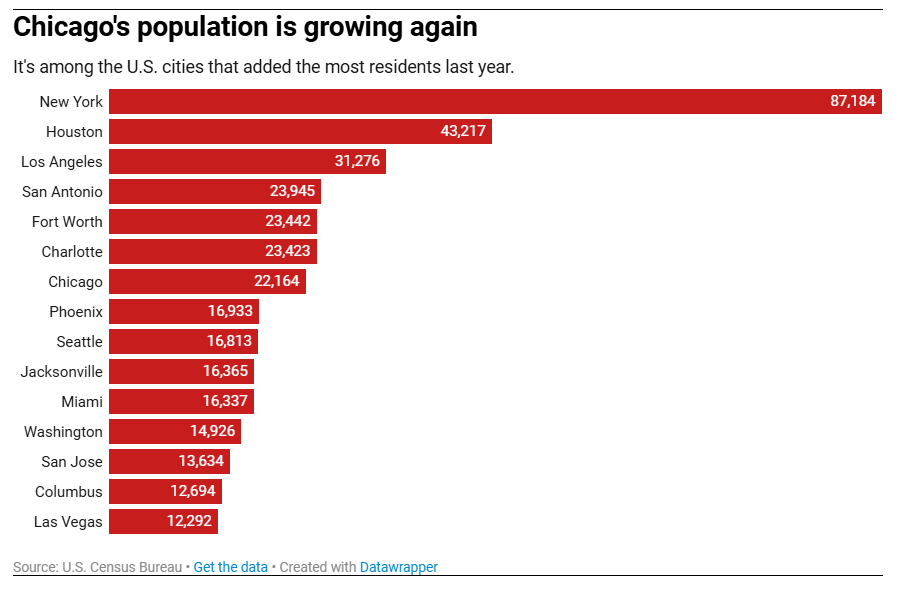
The question of “How many people in the city of Chicago?” isn’t static; it’s a constantly evolving narrative. Demographic trends, economic shifts, and global events all play a role in shaping the city’s future population. Chicago continues to invest in its infrastructure, green spaces (Grant Park, for example, is a massive urban oasis), and community development, aiming to maintain its attractiveness as a place to live, work, and visit. Initiatives focused on sustainability, urban planning, and preserving its unique architectural heritage – like the works of Frank Lloyd Wright in Oak Park – ensure its enduring appeal.
For travelers, this means Chicago will remain a compelling destination. A healthy, diverse, and growing population ensures a continuous supply of new restaurants, innovative experiences, and vibrant cultural events. It guarantees that the city’s extensive network of hotels, resorts, and apartments will continue to thrive, offering competitive options for accommodation. As Chicago moves forward, its people will undoubtedly remain its greatest asset, the driving force behind its enduring charm as a global city that truly has something for everyone, whether you’re embarking on a cross-country Route 66 adventure or simply seeking an unforgettable urban escape.
LifeOutOfTheBox is a participant in the Amazon Services LLC Associates Program, an affiliate advertising program designed to provide a means for sites to earn advertising fees by advertising and linking to Amazon.com. Amazon, the Amazon logo, AmazonSupply, and the AmazonSupply logo are trademarks of Amazon.com, Inc. or its affiliates. As an Amazon Associate we earn affiliate commissions from qualifying purchases.