
Navigating the vibrant streets of Chicago, Illinois, whether as a long-term resident, a new transplant, or a visitor planning an extended stay, involves understanding various local regulations designed to keep the city running smoothly. Among these, the Chicago City Vehicle Sticker stands out as a crucial, often misunderstood, requirement for vehicle owners. This mandatory annual purchase isn’t just another fee; it’s a critical component of civic responsibility that directly contributes to the upkeep of the city’s infrastructure and services, while also dictating aspects of parking and local mobility. For anyone considering the lifestyle and practicalities of urban travel or living in the Windy City, comprehending the city sticker’s costs, requirements, and implications is essential.
In this comprehensive guide, we’ll delve into everything you need to know about the Chicago City Vehicle Sticker. From decoding the various price points based on vehicle type and weight to outlining where and how to purchase one, and crucially, the penalties for non-compliance, we aim to provide a clear picture. Moreover, we’ll connect this often-overlooked regulation to broader themes relevant to travelers and residents alike, including its impact on urban tourism, long-term accommodation choices, and the general costs of living in one of America’s greatest cities. Prepare to unlock the mysteries of the Chicago city sticker, ensuring your time in this magnificent metropolis is as smooth and penalty-free as possible.
Understanding the Chicago City Vehicle Sticker: A Guide for Residents and Visitors
At its core, the Chicago City Vehicle Sticker is a mandatory annual fee for any vehicle primarily garaged or registered within the city limits of Chicago. This includes passenger cars, trucks, motorcycles, and even certain types of trailers. The revenue generated from these sticker sales is directed towards vital city services, including street maintenance, public safety initiatives, and various community programs that enhance the quality of life for Chicago’s diverse population. For both new and existing residents, it’s not merely a suggestion but a legal obligation that comes with strict deadlines and potential penalties if ignored.
For travelers, especially those planning an extended stay or considering renting a vehicle for an extended period, the implications can be significant. While short-term visitors in rental cars are generally exempt, understanding the nuances becomes critical if you’re bringing your own vehicle from out of state for more than a brief visit or relocating. The sticker serves as proof that your vehicle is compliant with local regulations and often acts as a prerequisite for obtaining residential parking permits, which are invaluable in many of Chicago’s densely populated neighborhoods.
What Exactly is a Chicago City Sticker?
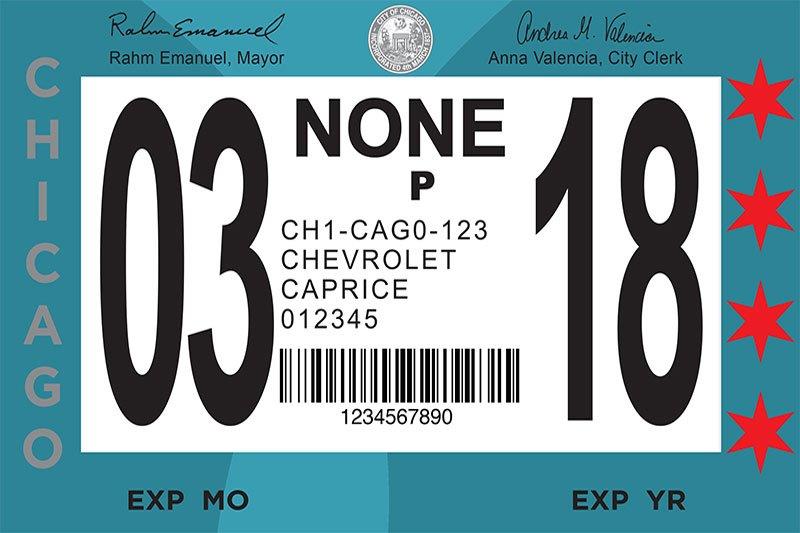
The Chicago City Vehicle Sticker is a decal that must be visibly affixed to the lower passenger-side corner of your vehicle’s front windshield. Its presence signifies that the appropriate annual fee has been paid to the City of Chicago for the privilege of operating and parking your vehicle within its jurisdiction. This system helps the city manage its resources and ensure that all vehicle owners contribute equitably to the upkeep of the urban environment. The expiration date on the sticker typically aligns with the vehicle’s state registration renewal, simplifying the process for many residents by consolidating renewal dates. However, new residents or those purchasing a vehicle have a 30-day grace period from the date of establishing residency or vehicle purchase to acquire their sticker without penalty. This grace period is a small but crucial detail that can save newcomers from an unexpected fine, allowing them time to settle into their new Chicago lifestyle without immediate bureaucratic stress.
Decoding the Costs: Factors Influencing Your Sticker Price
The cost of a Chicago City Vehicle Sticker is not a one-size-fits-all figure. Several variables come into play, making it important for vehicle owners to understand how their specific situation will influence the final price. These factors primarily include the type and weight of the vehicle, as well as the timeliness of the purchase. Budgeting for this annual expense is a key part of managing the cost of living or conducting business in Chicago, impacting everything from monthly expenses for residents to the overall financial planning for long-term travelers.
Vehicle Type and Weight Categories
The most significant factor determining your city sticker price is the category of your vehicle, which is primarily based on its weight and intended use. The rationale behind this tiered system is that heavier vehicles generally exert more wear and tear on city streets, thus requiring a larger contribution to maintenance funds.
- Small Passenger Cars (Under 4,500 lbs.): Typically, these are the most economical, with an annual fee often around $87. This category includes many compact cars and smaller sedans, appealing to those seeking budget-friendly travel and daily commuting within the city.
- Standard Passenger Cars (4,500 lbs. to 6,000 lbs.): The majority of sedans, crossovers, and smaller SUVs fall into this category. The annual fee for these vehicles usually sits at approximately $135. This represents a common cost for many Chicago households.
- Heavy Trucks and SUVs (Over 6,000 lbs.): Larger SUVs, pickup trucks, and commercial vans designed for heavier loads command a higher annual fee, which can easily exceed $200 and go upwards depending on the specific weight class. These vehicles are often essential for businesses operating within Chicago’s bustling economy or for families requiring substantial cargo space.
- Motorcycles: Motorcycle owners benefit from a lower flat rate, typically around $48 annually. This reflects their lighter impact on road infrastructure and acknowledges the distinct segment of vehicle ownership.
- Specialty Vehicles: Certain vehicles, such as recreational vehicles (RVs), trailers, or commercial vehicles used for specific purposes, may have their own fee structures or require different types of permits altogether. It’s always advisable to consult the Chicago City Clerk’s office for precise details on these less common categories.
Additionally, certain groups may qualify for reduced fees or exemptions. Senior citizens (typically 65 years or older by a certain date) often receive a discounted rate, making urban living slightly more affordable. Vehicles adapted for persons with disabilities may also have special considerations. These programs reflect the city’s efforts to support various demographics within its community and are important details for individuals planning their long-term stay or considering retirement in Chicago.
The Importance of Timely Purchase
Beyond vehicle specifications, the timing of your city sticker purchase is paramount. The City of Chicago enforces strict deadlines, and failing to renew or purchase a new sticker within the designated grace period can lead to significant financial penalties.
- On-Time Purchase: If you purchase your city sticker before your old one expires or within the initial 30-day grace period for new residents/vehicles, you pay the standard annual fee. This is always the most cost-effective approach.
- Late Purchase Penalties: Forgetting to renew or purchase your sticker on time results in a substantial late fee. This penalty is typically $60, added directly to the sticker’s base price. This can quickly elevate the cost of a standard car sticker from $135 to $195, a considerable jump that can impact a carefully planned budget.
- Additional Fines: A late fee is often just the beginning. If a vehicle is observed by parking enforcement without a valid, current sticker, the owner can be issued a ticket, which typically carries a fine ranging from $60 to $200 or more, depending on the specifics and prior infractions. These fines are separate from the late purchase fee and can accumulate rapidly. Furthermore, repeated violations or significant delays can escalate to more severe actions, such as the vehicle being booted or even towed, incurring additional release fees and storage charges that can easily run into hundreds of dollars. For travelers who might not be immediately aware of these local mandates, such penalties can be a rude and costly welcome to Chicago.
For those managing properties or offering long-term accommodation, ensuring tenants are aware of these requirements is an important part of tenant support and fostering positive community relations, especially for individuals unfamiliar with Chicago’s local governance.
Where and How to Secure Your Chicago City Sticker
Acquiring your Chicago City Vehicle Sticker is a straightforward process, thanks to multiple convenient purchasing options offered by the Office of the City Clerk. Whether you prefer the efficiency of online transactions or the assurance of in-person assistance, there’s a method to suit every preference. Understanding these avenues is crucial for anyone establishing residency, managing rental properties, or simply ensuring compliance during their extended stay in the city.
Convenient Purchase Options
The City of Chicago has streamlined the process to make it as accessible as possible:
- Online: The most convenient and popular method is purchasing your sticker directly from the official website of the Chicago City Clerk. This option allows you to complete the transaction from the comfort of your home or office, at any time. You’ll need to provide your vehicle’s license plate number, Vehicle Identification Number (VIN), and potentially proof of residency. The sticker is then mailed to your registered address. This is often the preferred method for busy individuals and those who are tech-savvy.
- Mail: For those who prefer traditional methods, you can request an application by mail or download one from the City Clerk’s website. Once completed, you mail it back with a check or money order. While reliable, this method requires more lead time due to postal delivery, so it’s important to plan ahead to avoid late fees.
- In-Person: For immediate assistance or if you prefer a direct interaction, you can visit one of the City Clerk’s main offices. The primary office is located at City Hall, 121 N. LaSalle Street, Room 107. Additionally, there are satellite offices distributed throughout the city, making it easier for residents in various neighborhoods to access services without traveling downtown.
- Authorized Vendors: To further enhance accessibility, the City of Chicago partners with numerous authorized vendors across the city. These often include currency exchanges, grocery stores, and other retail locations. These vendors offer a convenient option for same-day purchase and immediate sticker issuance, perfect for those nearing their deadline or preferring a one-stop shop for other errands. A small convenience fee may apply at these locations, which is a minor trade-off for the immediate gratification and avoidance of potential fines.

Essential Documents for Application
Regardless of your chosen purchase method, having the correct documentation ready will ensure a smooth process:
- Vehicle Registration: You will need your current state vehicle registration card. This document contains crucial information such as your license plate number, VIN, and the vehicle’s weight, all of which are used to determine the correct sticker type and fee.
- Proof of Residency (if applicable): For new residents or when there’s a change of address, proof of Chicago residency may be required. This can include a utility bill, a lease agreement, or a valid Illinois driver’s license with your Chicago address. This step ensures that the vehicle is indeed garaged within the city limits and requires a Chicago city sticker.
- Identification: A valid form of personal identification, such as a driver’s license or state ID, may be requested, especially for in-person transactions.
For those purchasing an initial sticker for a newly acquired vehicle or for new residents, it’s vital to remember the 30-day grace period from the date of purchase or establishment of residency. This window provides ample time to gather documents and complete the purchase without incurring penalties, helping to ease the transition into life in Chicago.
The Consequences of Non-Compliance and Exemptions
Understanding the potential repercussions of not having a valid Chicago City Vehicle Sticker is just as important as knowing how to acquire one. The City of Chicago takes compliance seriously, not only because the funds contribute to essential services but also to maintain order in its bustling urban environment. Moreover, it’s crucial to be aware of the specific scenarios that might exempt certain vehicles or individuals from this requirement.
Avoiding Fines: The Pitfalls of Forgetting Your Sticker
The immediate and most common consequence of non-compliance is a citation, carrying a fine that can range from $60 to $200 or more. These tickets are often issued by parking enforcement officers who patrol city streets, and they can be delivered even if your vehicle is legally parked. For residents, repeated offenses can lead to escalating penalties, which may include:
- Vehicle Booting: If you accumulate multiple unpaid parking tickets or city sticker violations, your vehicle may be “booted” – a device attached to a wheel that prevents the vehicle from being moved. To have the boot removed, all outstanding fines must be paid, plus a boot removal fee, which can be substantial. This can be a major inconvenience, especially if you rely on your vehicle for daily travel or work.
- Vehicle Towing: In more severe or prolonged cases of non-compliance, the city reserves the right to tow your vehicle. This is an even more costly scenario, as you will be responsible for all accumulated fines, towing fees, and daily storage fees. Retrieving a towed vehicle can quickly add up to hundreds of dollars, making it a particularly unpleasant experience for residents and an absolute nightmare for visitors.
- Inability to Obtain Residential Parking Permits: For many Chicago residents, particularly those living in popular neighborhoods like Lincoln Park, Lakeview, or Wicker Park, a residential parking permit is essential. These permits allow residents to park on designated streets within their zone. Crucially, a valid and current Chicago city sticker is a prerequisite for purchasing and renewing a residential parking permit. Without it, finding legal street parking can become a perpetual challenge, leading to more tickets and frustration.
For individuals exploring accommodation options in Chicago, especially if they plan to bring a car, understanding the interplay between city stickers and residential parking is critical. It influences the total cost of living and the convenience of daily life.
Special Cases and Exemptions
While the city sticker requirement is broad, there are specific situations where exemptions apply:
- Non-Resident Visitors (Short-Term): If you are visiting Chicago from out of state and your vehicle is not garaged or registered within city limits, you generally do not need a Chicago city sticker. This applies to tourists and business travelers on short trips, driving their own cars. The challenge, however, is defining “short-term.” While there’s no precise duration explicitly stated for visitors, if your vehicle is regularly parked in Chicago for an extended period (e.g., several months), the city might consider it “garaged” in Chicago, potentially requiring a sticker. It’s always best to err on the side of caution or contact the City Clerk’s office if you anticipate an extended stay.
- Rental Vehicles: Vehicles rented from commercial agencies (e.g., at O’Hare International Airport or Midway International Airport) and used by visitors for short periods are typically exempt. The rental company usually manages any necessary compliance with city regulations for their fleet.
- Commercial Vehicles (Certain Categories): Some commercial vehicles may operate under different city permitting structures or be exempt from the general city sticker, depending on their nature and specific licensing. However, many commercial vehicles do require a city sticker, often with higher fees due to their weight and usage.
- Government Vehicles: Vehicles owned by government entities (federal, state, or municipal) are generally exempt from the city sticker requirement.
- Vehicles of Temporarily Stationed Military Personnel: Military personnel temporarily stationed in Chicago who maintain out-of-state residency and vehicle registration may also be exempt.
It’s important to note that exemptions can be complex and subject to change, so always verify your specific situation with the Chicago City Clerk’s office to avoid any unexpected issues.
Chicago City Stickers in the Broader Context: Tourism, Lifestyle, and Accommodation
Beyond the administrative necessity, the Chicago City Vehicle Sticker plays a subtle yet significant role in shaping the broader urban experience, touching upon aspects of tourism, local lifestyle, and accommodation choices. Understanding its impact helps residents and visitors alike navigate the city more effectively and appreciate the intricacies of urban living in a major metropolis.
Implications for Tourists and Renters
For tourists planning a trip to Chicago, the city sticker typically isn’t a direct concern if they are flying in and relying on public transportation, rideshares, or short-term car rentals. Chicago’s public transit system, including the ‘L’ train and extensive bus network, is excellent for reaching popular attractions like Millennium Park, the Art Institute of Chicago, and Navy Pier.
However, if you’re driving your own car from another state for an extended vacation, or considering a longer-term car rental (e.g., for a month or more), the situation changes. While short-term visitors are typically exempt, an extended stay could potentially lead to your vehicle being considered “garaged” in Chicago, triggering the requirement for a sticker. This is particularly relevant for “digital nomads” or those on extended business assignments who might choose to drive rather than fly. The cost of a sticker, plus the hassle of acquiring it, should be factored into the overall budget for long-stay tourism or temporary relocation. Furthermore, parking in Chicago can be challenging and expensive, regardless of whether you have a sticker. Many hotels offer valet parking at a significant daily fee, and public parking garages can also be pricey. Knowledge of the sticker requirement adds another layer to navigating the urban landscape.

Living in Chicago: A Local’s Perspective
For permanent residents, the city sticker is simply another facet of urban living. It’s an annual renewal that integrates into the rhythm of vehicle ownership, much like renewing state registration or car insurance. However, its true significance lies in its connection to the overall quality of life and the functionality of Chicago’s infrastructure. The funds it generates contribute to maintaining the very streets that residents drive on daily, impacting traffic flow, road safety, and the aesthetics of the city.
From an accommodation perspective, understanding the city sticker is crucial, especially when evaluating housing options. If you’re looking at apartments or homes, particularly in neighborhoods with limited off-street parking, the ability to obtain a residential parking permit (which requires a city sticker) can significantly influence your decision. An apartment with dedicated parking might be more expensive upfront, but it could save you the cumulative costs of city stickers, residential permits, and potential parking fines over time. For those considering long-term rentals or purchasing property, these seemingly small administrative costs add up and are part of the true cost of living in Chicago.
The city sticker also reflects a commitment to supporting local amenities. The money goes back into the community, contributing to the parks, cultural institutions, and public services that make Chicago such a desirable place to live and visit. Embracing the requirement isn’t just about avoiding a fine; it’s about being an active participant in the city’s economic and civic life.
In conclusion, the question “How much is a city sticker in Chicago, Illinois?” opens the door to a broader understanding of urban regulations and their impact on daily life and travel. While the direct cost varies based on your vehicle, the indirect costs of non-compliance can be far greater. For anyone venturing into the Windy City with their own vehicle, whether for a new chapter or an extended exploration, being informed and compliant with the Chicago City Vehicle Sticker is a vital step towards a seamless and enjoyable experience.
LifeOutOfTheBox is a participant in the Amazon Services LLC Associates Program, an affiliate advertising program designed to provide a means for sites to earn advertising fees by advertising and linking to Amazon.com. Amazon, the Amazon logo, AmazonSupply, and the AmazonSupply logo are trademarks of Amazon.com, Inc. or its affiliates. As an Amazon Associate we earn affiliate commissions from qualifying purchases.