
Embarking on a culinary journey through the vibrant streets of Chicago is an experience unlike any other, and at its heart lies a dish so iconic, so deeply woven into the city’s identity, that it transcends mere food to become a cultural landmark: the Chicago Dog. Far more than just a hot dog, this meticulously crafted concoction is a symphony of flavors and textures, a testament to Chicago’s unique gastronomic philosophy. For travelers seeking an authentic taste of the Windy City, understanding and experiencing the Chicago Dog is an essential part of any itinerary, akin to visiting the Art Institute of Chicago or gazing up at the Willis Tower.

This article isn’t just a recipe; it’s a guide to recreating a piece of Chicago in your own kitchen, a deep dive into the ingredients, history, and cultural significance that make this humble hot dog a global phenomenon. Whether you’re planning your next trip to Illinois and want to prepare your palate, or simply yearning for a taste of the Midwest from afar, mastering the Chicago Dog is a delightful adventure. It’s a dish that embodies the city’s robust spirit, its no-nonsense attitude, and its surprising flair for the dramatic.
The Iconic Taste of the Windy City: What is a Chicago Dog?
The Chicago Dog is not just a hot dog; it is an institution, a culinary landmark that stands proudly alongside Chicago’s architectural marvels and world-class museums. For any traveler exploring the city, indulging in a Chicago Dog isn’t merely a meal; it’s an immersive cultural experience, a mandatory item on any Chicago attractions checklist. It represents a distinctive element of Chicago lifestyle, embodying the city’s approach to food: hearty, flavorful, and uncompromising in its traditional form.
At its core, a true Chicago Dog is an all-beef frankfurter, usually from the venerable Vienna Beef brand, nestled in a soft, steamed poppy seed bun. But what truly sets it apart is the “seven-to-one” combination of specific toppings, often humorously referred to as “dragged through the garden.” These include yellow mustard, chopped white onions, bright green sweet pickle relish (often with a distinctive neon hue), a dill pickle spear, tomato slices or wedges, pickled sport peppers, and a dash of celery salt. The absence of ketchup is not just a preference, but a strict, unspoken rule among Chicago purists, a culinary decree that speaks volumes about the city’s proud culinary heritage.
The Chicago Dog offers a kaleidoscopic blend of flavors: the salty snap of the frank, the tangy mustard, the sweet relish, the sharp onion, the sour pickle, the juicy tomato, and the fiery kick of the sport peppers, all harmonized by the subtle aromatics of the celery salt. This intricate balance makes it a truly unique street food experience, a mandatory pilgrimage for food tourists and a delightful surprise for those accustomed to simpler hot dog preparations.
A Bite of History: The Genesis of a Culinary Legend
The story of the Chicago Dog is deeply intertwined with the history of Chicago itself, particularly its vibrant immigrant communities at the turn of the 20th century. German immigrants, who brought their sausage-making traditions to the United States, were instrumental in popularizing the frankfurter. Initially sold from pushcarts by street vendors, hot dogs were an affordable and convenient meal for the city’s working class.
The precise origin of the “dragging through the garden” style is somewhat debated, but it largely evolved from the creative ingenuity of these vendors. To offer a more substantial and appealing meal, they began adding various condiments and pickles, transforming a simple frankfurter into a full meal. The poppy seed bun, the specific bright green relish, and the dill pickle spear became standard components, cementing the distinct identity of the Chicago Dog.
By the 1930s, during the Great Depression, hot dog stands became even more popular, offering a complete and inexpensive meal that could feed a family. These stands blossomed into local institutions, evolving into culinary landmarks that continue to thrive today. The tradition of the Chicago Dog reflects Chicago’s ethos of hard work, innovation, and community, making it a culinary symbol that resonates with both locals and travelers exploring the city’s rich history and culture. It’s a testament to how humble street food can become a profound representation of a city’s soul, attracting tourism and creating lasting memories.
The Anatomy of a True Chicago Dog: Essential Ingredients
Creating an authentic Chicago Dog is all about meticulous attention to detail and a reverence for its specific components. Each ingredient plays a crucial role in achieving the iconic balance of flavors and textures that defines this Chicago staple. Deviating from these core elements means sacrificing the true Chicago Dog experience. Here’s a breakdown of what you’ll need:
- The Frankfurter: This is the foundation. You absolutely must use an all-beef frankfurter, preferably a natural-casing one that gives a satisfying “snap” when bitten. The gold standard is a Vienna Beef hot dog, a Chicago institution since 1893. If Vienna Beef isn’t available, look for another high-quality, all-beef frank. Size matters too; a standard-sized frankfurter (about 1/8 to 1/6 lb) works best.
- The Bun: A poppy seed bun is non-negotiable. The subtle nuttiness and delicate texture of the poppy seeds provide an essential counterpoint to the robust toppings. It should be soft and usually steamed, not toasted or grilled, to maintain its pillowy warmth.
- Yellow Mustard: Only classic yellow mustard will do. The bright, tangy notes of American yellow mustard are crucial for cutting through the richness of the frankfurter and complementing the sweetness of the relish. Dijon or grainy mustards are too assertive and will alter the flavor profile.
- Chopped White Onions: Finely chopped fresh white onions add a sharp, pungent bite and a textural crunch. They provide a foundational layer of freshness and acidity.
- Bright Green Sweet Pickle Relish: This is perhaps the most visually striking and distinctive topping. The relish is a sweet pickle relish dyed a vibrant, almost neon green. Its sweetness and tang are integral to the “garden” experience. Don’t substitute with ordinary dill relish; the color and flavor profile are unique.
- Dill Pickle Spear: A long, crisp dill pickle spear is tucked alongside the frankfurter. Its sharp, briny crunch adds another layer of texture and a burst of sourness that contrasts beautifully with the other ingredients.
- Tomato Slices or Wedges: Fresh, ripe tomato slices or wedges provide a juicy, slightly acidic, and refreshing element. They should be arranged neatly on one side of the bun, typically mirroring the pickle spear.
- Sport Peppers: These small, moderately hot pickled green peppers are essential for a punch of heat and a vinegary tang. Typically, two or three sport peppers are placed on top, delivering a spicy kick that wakes up the palate.
- Celery Salt: The finishing touch, a dash of celery salt, is sprinkled over the entire assembly. This often-overlooked ingredient ties all the flavors together, adding a subtle herbaceous, salty depth that completes the Chicago Dog experience.
And finally, the cardinal rule: NO KETCHUP. This isn’t just a quirky local preference; it’s a deeply ingrained aspect of Chicago food culture. Chicago Dog purists believe ketchup’s sweetness overwhelms the delicate balance of the other ingredients, particularly the fresh tomatoes and tangy relish. It’s a statement of culinary integrity, a lifestyle choice for those who appreciate the nuanced complexity of this iconic street food.
Crafting Your Own Chicago Masterpiece: Step-by-Step Guide
Recreating the magic of a Chicago Dog at home is a rewarding experience that connects you directly to the culinary heart of Chicago. While the precise steaming conditions of a classic Chicago hot dog stand might be hard to replicate perfectly, you can certainly achieve an incredibly authentic and delicious result by following these steps.
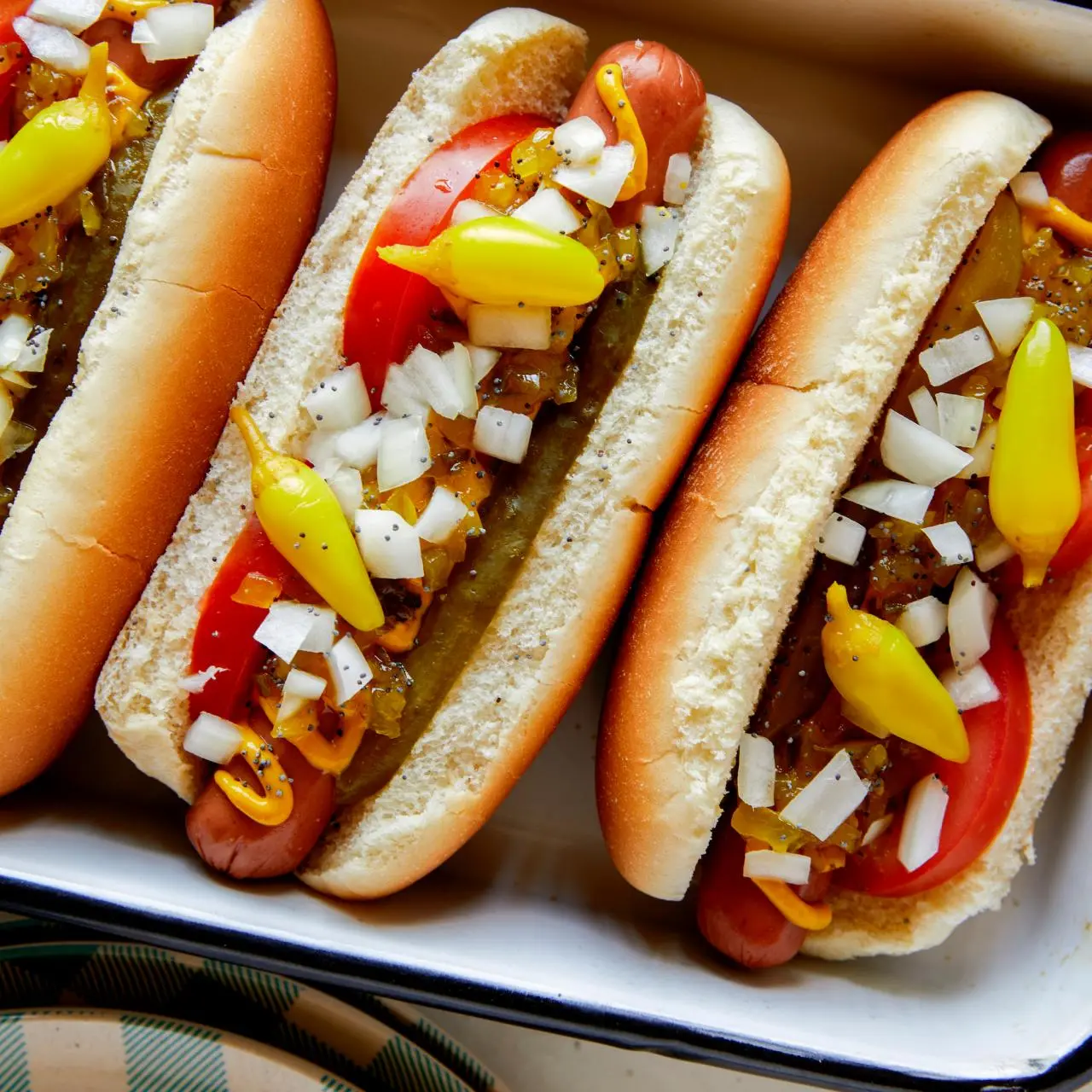
Sourcing Authentic Ingredients for Your Chicago Dog
The key to success lies in the quality and authenticity of your ingredients. This is where your quest for the perfect Chicago Dog truly begins.
- The Frankfurter: Your top priority is an all-beef frankfurter. As mentioned, Vienna Beef is the gold standard. Many specialty grocery stores or online retailers now carry Vienna Beef products, especially outside of Illinois. If you can’t find it, opt for another reputable brand of natural-casing, all-beef frankfurters. The “snap” is paramount.
- Poppy Seed Buns: These can be tricky to find in some regions. Check larger supermarkets or local bakeries. If all else fails, you can buy plain hot dog buns and sprinkle them with poppy seeds after lightly moistening the tops, though the true poppy seed bun has the seeds baked into the dough.
- Bright Green Relish: This is another specialty item. Look for “Chicago-style relish” or “neon green relish.” Brands like Vienna Beef also produce their own relish, ensuring authenticity. Do not substitute with regular sweet relish, as the color and specific flavor profile are key.
- Sport Peppers: These are small, pickled green peppers. They are distinct from jalapeños or serranos, offering a milder but still noticeable heat and a pleasant vinegary tang. They can often be found in the pickle aisle of well-stocked grocery stores or international markets.
- All Other Toppings: Yellow mustard, white onions, dill pickle spears, fresh tomatoes, and celery salt are generally easy to find at any grocery store. Ensure your tomatoes are ripe and firm for the best flavor and texture.
Investing a little extra effort in sourcing these specific ingredients will elevate your homemade Chicago Dog from a simple hot dog to an authentic culinary experience that will transport you straight to the bustling streets of Chicago.
Assembly Instructions: The Art of the Dragging Through the Garden
Once you have your ingredients ready, the assembly is a quick and satisfying process. The order of toppings is crucial to ensure each flavor shines and to maintain the structural integrity of this delicious creation.
- Cook the Frankfurter: Traditionally, Chicago Dogs are steamed or simmered rather than grilled or fried. This method keeps the frankfurter juicy and tender, preserving its natural casing snap.
- Steaming: Place your frankfurters in a steamer basket over simmering water, cover, and steam for 5-7 minutes until heated through.
- Simmering: Bring a pot of water to a gentle simmer (do not boil aggressively). Add the frankfurters and let them simmer for 5-7 minutes until hot.
- Prepare the Bun: While your frankfurters are cooking, gently warm your poppy seed buns. The ideal method is to lightly steam them, which makes them soft and pliable without drying them out. If you don’t have a steamer, you can wrap them in a damp paper towel and microwave for 15-20 seconds, or toast them very lightly on a griddle, taking care not to make them crispy.
- Assemble Your Dog (The “Dragging Through the Garden”):
- Place the cooked frankfurter into the warmed poppy seed bun.
- Mustard: Squeeze a generous zigzag of yellow mustard over the frankfurter.
- Onions: Sprinkle a spoonful of chopped white onions directly on top of the mustard.
- Relish: Spoon the bright green sweet pickle relish over the onions.
- Tomatoes: Tuck two to three tomato slices or wedges along one side of the frankfurter, between the frank and the bun.
- Pickle Spear: Place the dill pickle spear along the other side of the frankfurter, opposite the tomatoes.
- Sport Peppers: Arrange two to three sport peppers on top of the frankfurter, often nestled between the relish and pickle spear.
- Celery Salt: Finish with a light dusting of celery salt over the entire ensemble.
Serve immediately and enjoy the complex symphony of flavors and textures. Remember the golden rule: absolutely no ketchup! Embrace the full spectrum of Chicago flavors as intended.
Experiencing the Chicago Dog Beyond Your Kitchen: A Tourist’s Guide
While mastering the art of making a Chicago Dog at home is a culinary triumph, nothing quite compares to experiencing it in its natural habitat: the vibrant city of Chicago. For travelers, the Chicago Dog isn’t just food; it’s a cornerstone of the city’s tourism appeal, a tangible link to local culture, and a delicious way to explore its many neighborhoods.
Where to Find the Best Chicago Dogs in the City
When you visit Chicago, seeking out a classic Chicago Dog becomes a delightful part of your travel itinerary. Many establishments have become culinary landmarks in their own right, each offering a slightly different ambiance but consistently delivering on the authentic taste.
- Portillo’s: Perhaps the most famous name, Portillo’s is a beloved local chain that has grown into a national phenomenon. Their Chicago Dogs are legendary, served in a lively, nostalgic atmosphere that often features classic Chicago decor. A visit here is a full-sensory experience, combining great food with a vibrant environment.
- Superdawg: For a truly retro experience, head to Superdawg, a drive-in restaurant with iconic giant hot dog statues on its roof. Open since 1948, it’s a time capsule of mid-century American dining, serving up perfectly crafted Chicago Dogs (which they call “Superdawgs”) to car-side service. It’s an essential stop for anyone interested in the history of roadside attractions and classic American fare.
- Wiener’s Circle: Located in the Lincoln Park neighborhood, Wiener’s Circle is famous not just for its charcoal-grilled Chicago Dogs but also for its notoriously confrontational (and hilarious) late-night banter between staff and customers. It’s definitely an experience, offering a unique glimpse into a more irreverent side of Chicago lifestyle.
- Local Neighborhood Spots: Beyond the big names, nearly every Chicago neighborhood boasts a local hot dog stand with its own loyal following. Exploring these hidden gems, often small, family-run establishments, is an excellent way to discover the true heart of Chicago and experience its local culture away from the major tourist hubs. These spots often offer the most authentic and unpretentious take on the Chicago Dog.
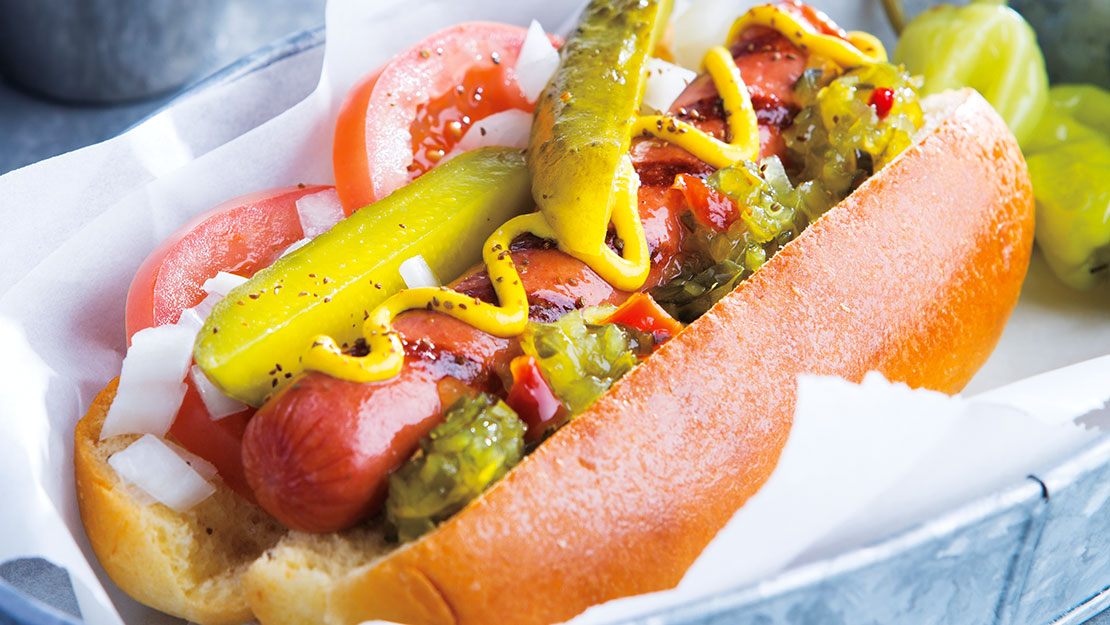
The Chicago Dog as a Travel Experience
Integrating food tourism into your travel plans significantly enhances your journey, and the Chicago Dog is a prime example of how culinary exploration enriches a trip to Chicago. Sampling Chicago Dogs at different establishments can be an attraction in itself, a delicious thread connecting various parts of the city.
Consider making a “hot dog crawl” a part of your visit, perhaps combining it with visits to nearby Chicago landmarks or neighborhoods. For example, a visit to Portillo’s downtown could be paired with exploring Millennium Park or the Magnificent Mile. A trip to Superdawg in the northwest side offers a chance to see more residential areas and enjoy a piece of suburban Chicago nostalgia.
When considering accommodations, from luxury hotels in River North to boutique apartments in Wicker Park, remember that a great Chicago Dog is never far away. Many hotels in Chicago are conveniently located near hot dog stands, making it easy to grab a quick, satisfying, and authentically local meal. Whether you’re on a budget travel adventure or enjoying a lavish getaway, the Chicago Dog fits seamlessly into any travel style. It’s an accessible piece of local culture that offers immense satisfaction and a true taste of the Windy City experience.
In conclusion, the Chicago Dog is more than just a recipe; it’s a piece of Chicago’s heart and soul, an invitation to delve into its rich history, vibrant culture, and undeniable charm. Whether you make it at home or savor it on the streets of Chicago, this iconic hot dog promises an unforgettable culinary adventure.
LifeOutOfTheBox is a participant in the Amazon Services LLC Associates Program, an affiliate advertising program designed to provide a means for sites to earn advertising fees by advertising and linking to Amazon.com. Amazon, the Amazon logo, AmazonSupply, and the AmazonSupply logo are trademarks of Amazon.com, Inc. or its affiliates. As an Amazon Associate we earn affiliate commissions from qualifying purchases.