
Chicago, Illinois, stands as a colossal urban center, a vibrant heart beating in the American Midwest. More than just a collection of buildings and streets, it’s a living entity defined by its people. Understanding the population of Chicago is not merely about reciting a number; it’s about grasping the scale of its cultural diversity, economic power, and the sheer volume of experiences it offers to both residents and visitors alike. As of recent estimates, the city proper of Chicago boasts a population of approximately 2.7 million residents. This makes it the third-most populous city in the United States, following New York City and Los Angeles. When we extend our view to the broader metropolitan area, known affectionately as Chicagoland, the numbers swell to nearly 9.5 million people. This expansive region, stretching across several counties in Illinois and even into neighboring states, creates one of the largest and most influential economic and cultural hubs on the continent.
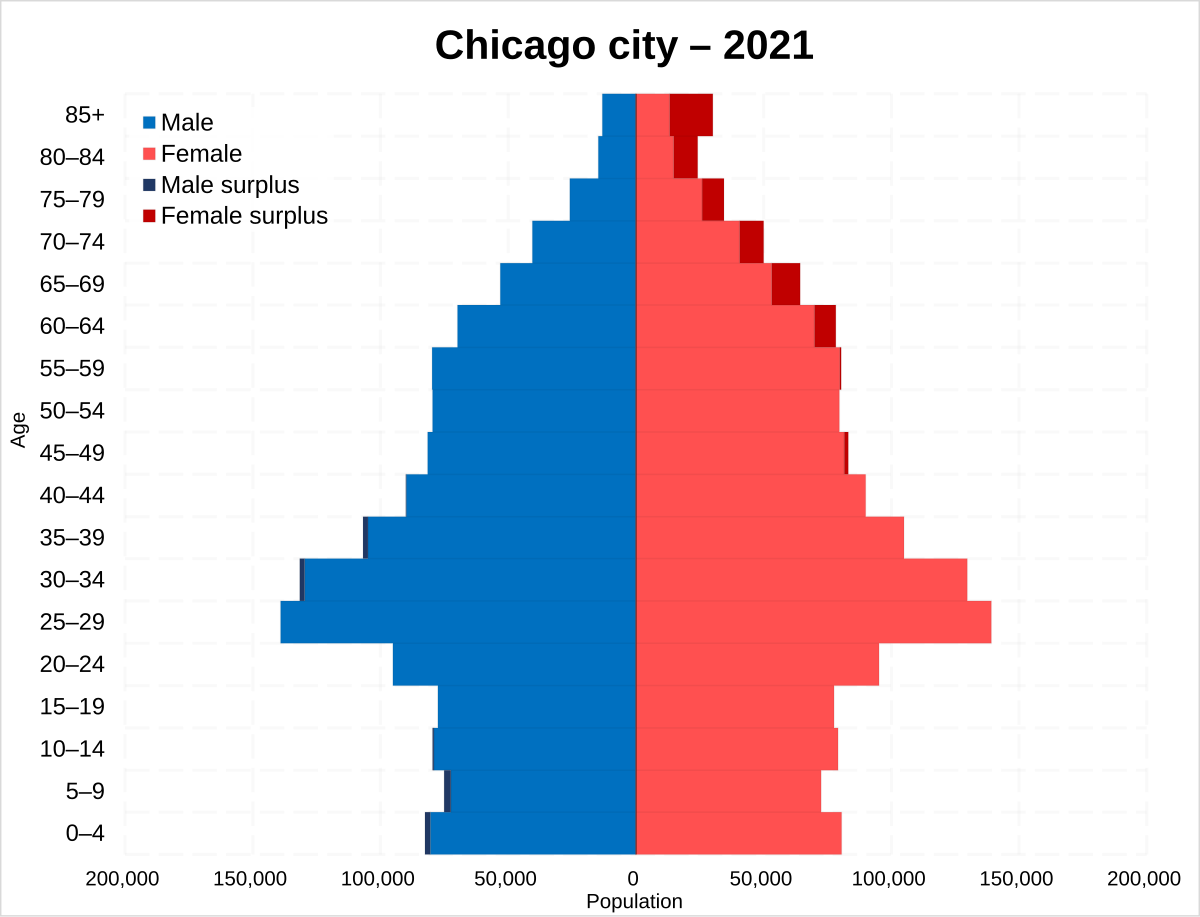
This significant population base is the engine that drives Chicago’s status as a global city, influencing everything from its towering architecture and world-class tourism attractions to its intricate public transportation and diverse culinary scene. For travelers seeking unforgettable destinations, Chicago’s population size is a direct indicator of the endless activities, vibrant local culture, and extensive accommodation options available. Whether one is planning a luxury travel escape, a budget-friendly adventure, a family trip, or a crucial business stay, the sheer scale of Chicago’s populace ensures a rich tapestry of experiences waiting to be explored.
Chicago’s Dynamic Demographics: A Melting Pot of Cultures
The population figures for Chicago tell a story of constant evolution and profound diversity. This metropolitan area has historically been a magnet for immigrants and migrants from across the globe, shaping its identity into a true American melting pot. This demographic dynamism is not just a statistical footnote; it is the very essence of Chicago’s unique charm and broad appeal as a travel destination.
Understanding the Numbers: Core Population and Metropolitan Reach
The core population of Chicago city, hovering around 2.7 million, represents a dense urban environment that fosters innovation, cultural exchange, and a bustling city life. This density supports an extensive infrastructure of public services, entertainment venues, and diverse neighborhoods, each with its own distinct character. The city’s population, while having experienced some fluctuations over the decades, has largely stabilized, maintaining its position as a major urban center. This stability, coupled with ongoing revitalization efforts, ensures a continuous stream of new businesses, cultural projects, and community initiatives that benefit both residents and tourists.
Beyond the city limits, the sprawling Chicagoland metropolitan area encompasses a vast network of suburbs and exurbs, contributing an additional 6.8 million people to the regional total. This wider population base creates a massive consumer market, attracting major corporations, robust retail sectors, and a diverse workforce. For the tourism industry, the metropolitan area’s size translates into a colossal pool of potential visitors for attractions and events within the city, in addition to being a major point of origin for international and domestic travelers utilizing O’Hare International Airport, one of the world’s busiest air travel hubs. The constant flow of people in and out of this enormous area further fuels its dynamic energy and ensures a fresh perspective on its offerings.
The Impact of Diversity on Lifestyle and Tourism
The demographic makeup of Chicago is incredibly rich, reflecting a vibrant mix of ethnicities, cultures, and socio-economic backgrounds. This diversity is evident in the city’s myriad neighborhoods, each offering a unique glimpse into different traditions and lifestyles. From the historic Polish enclaves of Jefferson Park to the bustling Chinatown district, and the vibrant Hispanic communities of Pilsen and Little Village, Chicago is a mosaic of global influences.
For travelers, this translates into an unparalleled array of experiences. Food tourism, for instance, thrives on this diversity, offering everything from authentic Ethiopian cuisine in Uptown to traditional Italian fare in Little Italy, beyond its famous deep-dish pizza. Cultural festivals celebrating Irish, German, Mexican, African American, and many other heritages are staples throughout the year, providing immersive activities and insights into local culture. This cultural richness also shapes the city’s arts scene, with a plethora of theaters, galleries, and music venues catering to diverse tastes, ensuring there’s always something new and exciting to discover, whether you’re interested in avant-garde performances or traditional folk music. This deep well of cultural experiences supports every kind of lifestyle, from those seeking luxury travel experiences to budget-conscious explorers looking for authentic, off-the-beaten-path adventures.
The Urban Landscape Shaped by Millions: Landmarks and Attractions
The sheer number of people living, working, and visiting Chicago has played a pivotal role in shaping its iconic urban landscape. This dense population provides the demand and economic impetus necessary to build and sustain the world-class landmarks and attractions that define the city’s global reputation. These famous places are not just points of interest; they are integral parts of the city’s history and ongoing narrative, continually attracting millions of tourists and providing recreational and cultural outlets for its residents.
Iconic Landmarks and Architectural Marvels
Chicago is renowned worldwide for its groundbreaking architecture, a testament to its continuous growth and forward-thinking urban planning, largely driven by its substantial population. The city’s skyline is instantly recognizable, dominated by structures that push the boundaries of design and engineering. The majestic Willis Tower (formerly Sears Tower), once the tallest building in the world, remains a prominent feature, drawing visitors to its Skydeck for unparalleled panoramic views. Another architectural gem, Millennium Park, is a dynamic urban park that seamlessly blends art, landscape design, and architecture. Its iconic “Bean” sculpture, officially known as Cloud Gate, is a magnet for photographers and art enthusiasts, while the Crown Fountain offers playful interaction.
These landmarks, alongside others like the historic Tribune Tower and the soaring John Hancock Center (now known as 875 North Michigan Avenue), represent the city’s enduring commitment to architectural excellence. For those interested in history and nature, a boat tour on the Chicago River offers a unique perspective on these structures, providing insightful commentary on their design and the city’s evolution. These famous places not only contribute to the city’s aesthetic appeal but also serve as key attractions for tourism, offering guides and experiences that cater to a wide range of interests, from deep dives into architectural history to simple scenic enjoyment.
Cultural Hubs and Entertainment Venues
Beyond its impressive skyline, Chicago’s large population sustains a thriving ecosystem of cultural and entertainment venues. The Art Institute of Chicago, consistently ranked among the world’s top museums, houses an extraordinary collection spanning centuries and continents, drawing art lovers from all walks of life. Similarly, the Field Museum, with its famous T-Rex skeleton “Sue,” and the Museum of Science and Industry, offer immersive educational experiences that appeal to families and curious minds.

The city’s vibrant performing arts scene is equally impressive, with a multitude of theaters presenting everything from Broadway in Chicago productions to experimental works at institutions like the Steppenwolf Theatre and Goodman Theatre. Music lovers can find live performances across genres, from blues and jazz clubs that echo the city’s rich musical heritage to large concert venues hosting international acts. For sports enthusiasts, Chicago is home to iconic teams, including the Chicago Cubs at historic Wrigley Field, the Chicago Bears at Soldier Field, and the Chicago Bulls and Chicago Blackhawks at the United Center. These teams not only foster a strong sense of local identity but also draw fans and visitors from around the world, making sporting events major attractions. This extensive network of cultural and entertainment options is a direct reflection of a population diverse enough to support such a wide array of interests and talents.
Navigating Chicago: Accommodation and Travel Experiences for Every Visitor
The significant population of Chicago, combined with its status as a premier travel destination, has fostered an incredibly robust and diverse accommodation sector. This ensures that no matter a traveler’s budget, purpose, or preferred lifestyle, there is a suitable place to stay, making travel planning efficient and personalized. From luxurious retreats to practical, budget-friendly options, the city caters to every imaginable need.
A Spectrum of Accommodation Options
Given its role as a major hub for business travel, tourism, and conventions, Chicago boasts an impressive array of hotels. For those seeking luxury travel experiences, world-class resorts and hotels like The Langham Chicago, Four Seasons Hotel Chicago, and The Peninsula Chicago offer opulent suites, spa amenities, and impeccable service. These establishments often feature fine dining, stunning city views, and unparalleled comfort, perfect for an indulgent escape or a high-profile business stay.
Mid-range and boutique hotels are plentiful, providing a balance of comfort, style, and value. These options are ideal for family trips or those seeking a unique experience without the ultra-premium price tag. For budget travel, numerous hostels, motels, and more economical hotel chains are available, particularly further from the immediate downtown core, without sacrificing accessibility to major attractions via the efficient public transportation system. Beyond traditional hotels, Chicago also offers a growing market for apartments and villas, catering to long-term stays or groups who prefer the conveniences of a home-like environment, complete with kitchens and multiple bedrooms. Platforms for booking and reviews make comparison simple, allowing visitors to find the perfect match for their accommodation needs.
Experiencing Chicago: From Local Life to Tourist Trails
The sheer number of residents means that Chicago is always buzzing with local life, offering an authentic backdrop for any visitor’s experience. Travelers can choose to immerse themselves in the tourist trails, visiting famous places like the Navy Pier or taking an architectural boat tour, or they can venture into the city’s diverse neighborhoods to experience life like a local. Areas like Wicker Park and Bucktown are known for their trendy boutiques, independent cafes, and vibrant nightlife, while Lincoln Park offers beautiful green spaces, the free Lincoln Park Zoo, and charming residential streets. The Gold Coast exudes upscale elegance, featuring historic mansions and high-end shopping.
The city’s legendary food scene caters to every palate and price point, from Michelin-starred restaurants pushing culinary boundaries to iconic hot dog stands and neighborhood taverns serving classic Chicago fare. Exploring these diverse culinary offerings is an essential part of the Chicago experience, deeply intertwined with the city’s cultural fabric. Navigating the city is made easy by the comprehensive CTA (Chicago Transit Authority) system, including the iconic “L” train, which efficiently connects attractions, accommodation, and local districts. This robust public transport network is vital for a city of Chicago’s size, enabling both residents and visitors to explore with ease and affordability.
The Economic and Social Fabric: How Population Fuels a Global City
The colossal population of Chicago is not just a demographic fact; it’s the very foundation of its robust economic and social fabric. This dense concentration of people provides the workforce, consumer base, and intellectual capital that have propelled Chicago into its current standing as a global city, a center for commerce, innovation, and community life. The interplay between population size and the city’s infrastructure creates a dynamic environment ripe for both sustained growth and a high quality of life.
Economic Engine and Business Hub
Chicago’s population fuels a powerful and diversified economy. As a major financial center, it hosts the Chicago Mercantile Exchange (CME) and the Chicago Board of Trade, key institutions in global markets. Beyond finance, the city is a significant hub for technology, manufacturing, healthcare, and education. This broad economic base provides ample job opportunities for its millions of residents, attracting talent from across the United States and beyond, further contributing to its population growth and diversity. The tourism industry itself is a massive economic driver, directly benefiting from the large local and metropolitan populations who visit attractions, dine at restaurants, and attend events, supplementing the influx of out-of-town tourists.
The presence of major corporate headquarters, combined with O’Hare International Airport’s status as a global aviation gateway, firmly establishes Chicago as a critical center for business travel. Hotels are frequently booked for conferences and conventions, and amenities cater to the needs of business professionals, from executive lounges to high-speed internet. This constant movement of people for commerce underscores the city’s economic vitality, making it an attractive location for companies and individuals seeking opportunity.

Community and Quality of Life
Despite its massive scale, Chicago maintains a strong sense of community, largely due to its distinct neighborhoods, each fostering a local identity. The population density supports a vast network of public parks, green spaces like the expansive Grant Park, and miles of lakefront trails along Lake Michigan, offering residents and visitors ample opportunities for recreation and connection with nature. These natural amenities, combined with world-class educational institutions like the University of Chicago and Northwestern University, and a robust healthcare system, contribute significantly to the quality of life enjoyed by millions.
The city’s commitment to arts, culture, and public services ensures that its large population has access to a wide range of activities and support systems. Festivals, farmers’ markets, and community events are commonplace, fostering a vibrant social atmosphere that balances the hustle of urban life with the warmth of neighborhood camaraderie. This blend of global prominence and local charm is precisely what makes Chicago such a compelling place to live, work, and visit, continually attracting new residents and ensuring its enduring appeal as a destination for all types of travelers.
In conclusion, the population of Chicago, Illinois, which stands at approximately 2.7 million within the city proper and nearly 9.5 million across its metropolitan area, is far more than just a figure. It is the lifeblood of this incredible city, fueling its diverse culture, supporting its iconic landmarks, driving its powerful economy, and shaping the myriad experiences available to anyone who steps onto its bustling streets. This vibrant populace ensures that Chicago remains a dynamic global destination, constantly evolving and offering something unique for every traveler and resident.
LifeOutOfTheBox is a participant in the Amazon Services LLC Associates Program, an affiliate advertising program designed to provide a means for sites to earn advertising fees by advertising and linking to Amazon.com. Amazon, the Amazon logo, AmazonSupply, and the AmazonSupply logo are trademarks of Amazon.com, Inc. or its affiliates. As an Amazon Associate we earn affiliate commissions from qualifying purchases.