
For sports enthusiasts and travelers alike, few events capture the essence of a city’s spirit quite like a championship victory. When it comes to the storied history of the National Football League (NFL), the question “When did the Chicago Bears win the Super Bowl?” evokes a specific memory: a dominant team, a larger-than-life coach, and a city united in celebration. The answer is January 26, 1986, when the Chicago Bears defeated the New England Patriots 46-10 in Super Bowl XX. This was not just a game; it was a cultural phenomenon that cemented the ’85 Bears as one of the most iconic teams in professional sports history and provided a vibrant backdrop for the city of Chicago itself.
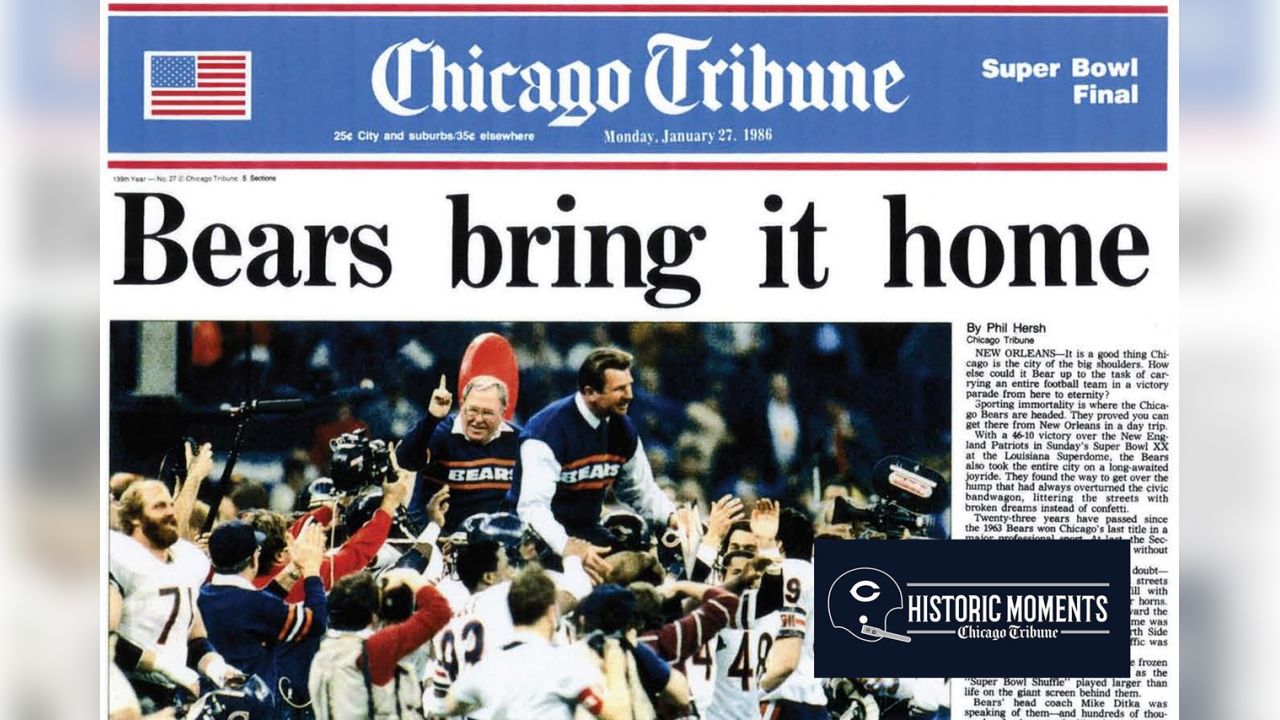
This singular triumph wasn’t merely a fleeting moment of glory; it became an integral part of Chicago’s identity, influencing local pride and even drawing visitors interested in the city’s rich sports heritage. Understanding this victory goes beyond the scoreboard; it delves into the heart of what makes Chicago a premier travel destination, combining world-class attractions with a passionate local culture deeply intertwined with its athletic achievements. Whether you’re planning a trip to the Midwest for its architectural marvels, culinary delights, or to soak in the atmosphere of a legendary sports town, the legacy of the ’85 Bears remains a compelling chapter in Chicago’s narrative.
The Roar of ’85: A Season of Dominance Culminating in Super Bowl XX
The 1985 Chicago Bears season was, by all accounts, one of the most dominant performances in NFL history. Led by head coach Mike Ditka and defensive coordinator Buddy Ryan, the team steamrolled through the regular season with an incredible 15-1 record. What made this team so special was not just their winning streak, but the sheer force with which they played. Their legendary “46 defense” — named after a player who originally wore that number, Doug Plank, rather than a specific scheme number — was an aggressive, relentless unit that terrorized opposing offenses, often shutting them down completely.
The defense featured future Hall of Famers like middle linebacker Mike Singletary and defensive end Richard Dent, along with formidable players like Steve McMichael and Otis Wilson. On offense, the team boasted arguably the greatest running back of all time, Walter Payton, whose dazzling runs and tireless effort captivated fans. Quarterback Jim McMahon, with his punk-rock persona and fearless play, became the face of the offense. This blend of raw talent, strategic brilliance, and unforgettable personalities created a team that transcended sports, becoming a pop culture phenomenon.
One of the most enduring symbols of their season was “The Super Bowl Shuffle,” a rap song and music video recorded by several players. Released before the playoffs, it audaciously predicted their Super Bowl victory. While some viewed it as premature arrogance, it perfectly encapsulated the team’s swagger and confidence, further endearing them to fans and solidifying their place in history before the final game was even played. The anthem became a cultural touchstone, showcasing the personality and belief within the locker room and serving as a preview of the joyous celebration that was to come.
The Road to Victory: A Dominant Postseason Run
After their near-perfect regular season, the Bears entered the playoffs with immense pressure and even higher expectations. They did not disappoint. In the divisional round, they faced the New York Giants and delivered a resounding 21-0 shutout, demonstrating the suffocating power of their defense. The next challenge came in the NFC Championship Game against the Los Angeles Rams, where the Bears again held their opponents scoreless, winning 24-0. These back-to-back playoff shutouts were a testament to the unparalleled dominance of their defensive unit, sending a clear message to their final opponent.
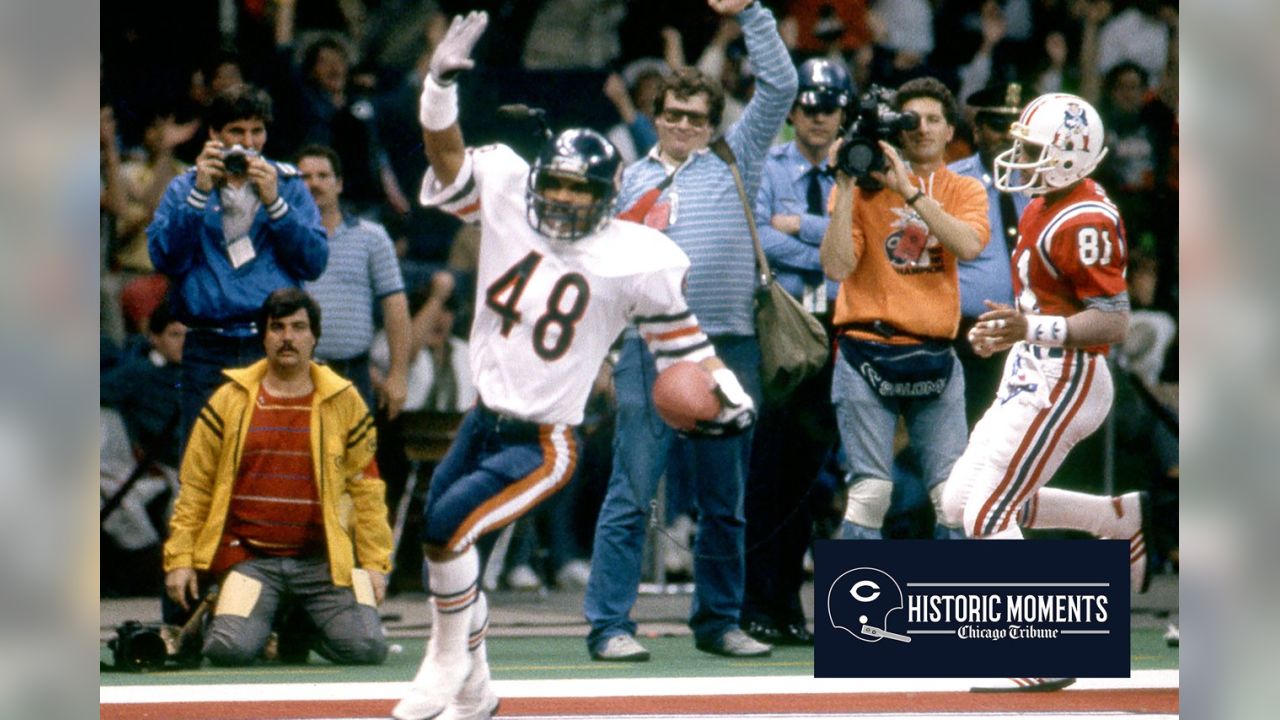
Super Bowl XX was held on January 26, 1986, at the Louisiana Superdome in New Orleans. The stage was set for the Bears to complete their historic quest against the New England Patriots, who had made an improbable run to the championship game. The game itself was a masterclass in defensive football from Chicago. Despite the Patriots scoring first on a field goal just over a minute into the game, it was the only offensive highlight they would see for a long time. The Bears’ defense quickly reasserted its dominance, overwhelming the Patriots’ offense with relentless pressure and turnovers.
By halftime, Chicago held a commanding 23-3 lead, and the second half saw no let-up. The final score of 46-10 reflected the absolute supremacy of the Chicago Bears. Richard Dent was named the game’s MVP, a fitting tribute to the defensive powerhouse that defined the team. The victory was a culmination of a season of hard work, strategic genius, and unforgettable individual performances, etching the 1985 Chicago Bears into the annals of sports legend. It was also a moment of immense pride for the city, uniting its diverse population in a shared celebration.
Chicago: A City Transformed by Victory and Its Enduring Legacy
The triumph of the 1985 Chicago Bears resonated far beyond the confines of Soldier Field or the practice facilities. It was a victory for the entire city, igniting an outpouring of civic pride and camaraderie that remains palpable even decades later. For a city known for its resilience and hardworking spirit, the Bears’ dominance mirrored the very essence of Chicago itself. The celebration that followed the Super Bowl win was legendary, with parades drawing hundreds of thousands of ecstatic fans to the streets, creating a vibrant, unforgettable atmosphere.
This victory became a defining moment for a generation of Chicagoans. It solidified the city’s reputation as a passionate sports town, home to fiercely loyal fans who stand by their teams through thick and thin. The ’85 Bears became a benchmark, a golden standard against which all future Bears teams would be measured. Their legacy is not just about a single championship; it’s about the indelible mark they left on the cultural fabric of Chicago, creating a shared memory that continues to foster a strong sense of community and pride.
Even today, visitors to Chicago can feel the echoes of this history. From the sports bars adorned with memorabilia to conversations with locals about “the ’85 Bears,” the team’s influence is woven into the city’s identity. This enduring legacy transforms a visit to Chicago from a mere sightseeing tour into an immersive cultural experience, offering a deeper understanding of what makes this vibrant United States city so unique. It’s a testament to how sports can transcend entertainment, becoming a fundamental part of a destination’s allure and a powerful narrative for tourists.

Visiting Chicago: Immersing in a City of Champions
For travelers inspired by stories of grit and triumph, Chicago offers a compelling destination. While the ’85 Bears are a pivotal part of its history, the city itself is a treasure trove of attractions that cater to every interest, seamlessly blending its sports heritage with world-class art, architecture, and culinary experiences.
Iconic Landmarks and Attractions: A trip to Chicago would be incomplete without visiting its renowned landmarks. Start with Millennium Park, home to the iconic “Cloud Gate” sculpture (affectionately known as “The Bean”) and the Crown Fountain. Just steps away, the Art Institute of Chicago houses an extraordinary collection of art from across centuries and cultures. Venture to Navy Pier for family-friendly entertainment, stunning views of Lake Michigan, and boat tours that showcase the city’s magnificent skyline. For breathtaking panoramic vistas, ascend the Willis Tower (formerly Sears Tower) and brave The Ledge, a glass-bottomed observation box. The bustling Magnificent Mile on Michigan Avenue offers unparalleled shopping and dining experiences.
Sports Culture Immersion: To truly connect with Chicago’s sports soul, consider touring Soldier Field, the historic home of the Chicago Bears. While its current structure is a blend of modern design and historic facade, it still evokes memories of legendary games. Beyond football, Chicago is also home to the Chicago Cubs at Wrigley Field in the vibrant Wrigleyville neighborhood, offering a classic baseball experience. The United Center hosts the Chicago Bulls (NBA) and Chicago Blackhawks (NHL), providing year-round sporting action. Checking the local sports schedule can add an exciting live event to any travel itinerary, allowing visitors to witness the passion of Chicago fans firsthand.
Culinary Delights: No visit to Chicago is complete without indulging in its famous food. Sink your teeth into a classic Chicago-style deep-dish pizza from institutions like Lou Malnati’s or Giordano’s. Experience the unique zest of a Chicago-style hot dog, “dragged through the garden” with its myriad toppings. Beyond these iconic dishes, Chicago boasts a world-class dining scene, from Michelin-starred restaurants to diverse ethnic eateries found in neighborhoods across the city.
Arts and Entertainment: Beyond sports, Chicago is a hub for arts and culture. Explore museums like the Field Museum (natural history) and the Shedd Aquarium. Enjoy a free visit to the Lincoln Park Zoo. Immerse yourself in the city’s legendary blues and jazz scene at historic venues like the Green Mill Cocktail Lounge or Kingston Mines. Catch a show at one of the many theaters, or laugh at a performance from the renowned improvisational comedy troupe, The Second City, which has launched the careers of countless comedic legends.
Planning Your Chicago Adventure: Accommodation and Logistics
Preparing for a trip to Chicago, whether for a sports-focused pilgrimage or a broader exploration of the city’s delights, requires thoughtful planning regarding accommodation and transportation. Chicago, as a major global city in the United States and a central hub in North America, offers a diverse range of options to suit every traveler’s budget and style, ensuring a comfortable and memorable stay.
Where to Stay: Hotels, Resorts, and Unique Accommodations
Chicago’s accommodation landscape is as varied as its neighborhoods. From luxurious five-star resorts to boutique hotels and budget-friendly options, there’s something for everyone.
- Luxury & Boutique Hotels: For those seeking an upscale experience, neighborhoods like the Magnificent Mile, Gold Coast, and River North boast world-renowned hotels. Consider properties like The Langham Chicago for its impeccable service and river views, or The Peninsula Chicago for its blend of Asian hospitality and prime location. Many of these offer opulent suites, state-of-the-art amenities, and fine dining within the hotel itself, catering to a sophisticated lifestyle traveler.
- Mid-Range & Family-Friendly: The Loop, Chicago’s central business district, provides excellent mid-range options with easy access to many attractions, including Millennium Park and the Art Institute. Brands like Hilton, Marriott, and Hyatt have a strong presence, offering comfortable rooms, family suites, and often pools or other amenities. Look into areas slightly outside the immediate downtown core for good value without sacrificing convenience.
- Budget & Long-Term Stays: For budget-conscious travelers or those planning an extended visit, hostels and apartment-style accommodations are available in various neighborhoods. Areas like Lincoln Park, Wicker Park, and West Loop offer a more local experience with diverse dining and entertainment options, often at a more accessible price point. Websites dedicated to accommodation booking and comparison are invaluable tools for finding the best deals and reading reviews to ensure suitability for a long-term stay.
- Unique Experiences: Consider boutique hotels in areas like Fulton Market for a trendy, industrial-chic vibe, or bed and breakfasts in charming residential neighborhoods for a more intimate experience. Some properties also offer specific packages or experiences, from luxury travel itineraries focused on culinary tours to family trips designed around museums and parks.
Getting Around: Navigating the Windy City
Chicago is well-connected and easy to navigate, making it an ideal destination for independent travelers.
- Public Transportation: The “L” train system (short for elevated) and extensive bus network, managed by the Chicago Transit Authority (CTA), provide comprehensive coverage of the city and surrounding areas. Purchase a Ventra Card for seamless travel, which can be loaded with passes or pay-per-ride credit. This is often the most efficient and cost-effective way to get to major attractions and sporting venues like Soldier Field.
- Walking & Biking: Chicago’s downtown area is very walkable, especially along the Chicago Riverwalk and the lakefront trail stretching along Lake Michigan. The city also offers a robust bike-sharing program, Divvy, perfect for exploring parks and waterfronts during warmer months.
- Ride-Shares & Taxis: Taxis and ride-sharing services like Uber and Lyft are readily available throughout the city, offering convenience for direct routes or late-night travel, especially when moving between different districts like River North and Lincoln Park.
- Airport Access: Chicago is served by two major airports: O’Hare International Airport (ORD) and Midway International Airport (MDW). Both are easily accessible from downtown via the CTA Blue Line (O’Hare) and Orange Line (Midway), providing a budget-friendly option for airport transfers.
The victory of the 1985 Chicago Bears is more than just a historical footnote; it’s a vibrant thread in the tapestry of Chicago’s identity. It represents the spirit of a city that cherishes its heroes, celebrates its triumphs, and welcomes visitors to experience a rich blend of sports passion, cultural sophistication, and Midwestern charm. When planning your next travel adventure, consider Chicago – a city that offers not just landmarks and luxury, but a deep, authentic connection to a moment when champions truly roared.
LifeOutOfTheBox is a participant in the Amazon Services LLC Associates Program, an affiliate advertising program designed to provide a means for sites to earn advertising fees by advertising and linking to Amazon.com. Amazon, the Amazon logo, AmazonSupply, and the AmazonSupply logo are trademarks of Amazon.com, Inc. or its affiliates. As an Amazon Associate we earn affiliate commissions from qualifying purchases.