
The allure of professional sports franchises extends far beyond the roaring crowds and thrilling victories on the court. Behind every iconic team, there’s a complex tapestry of ownership, business acumen, and a deep connection to the city it represents. For fans of the legendary Chicago Bulls, the question of “Who is the owner?” leads us to the storied career of Jerry Reinsdorf. His journey intertwines not just with basketball history, but also with the economic development, lifestyle, and tourism landscape of Chicago and the broader United States.
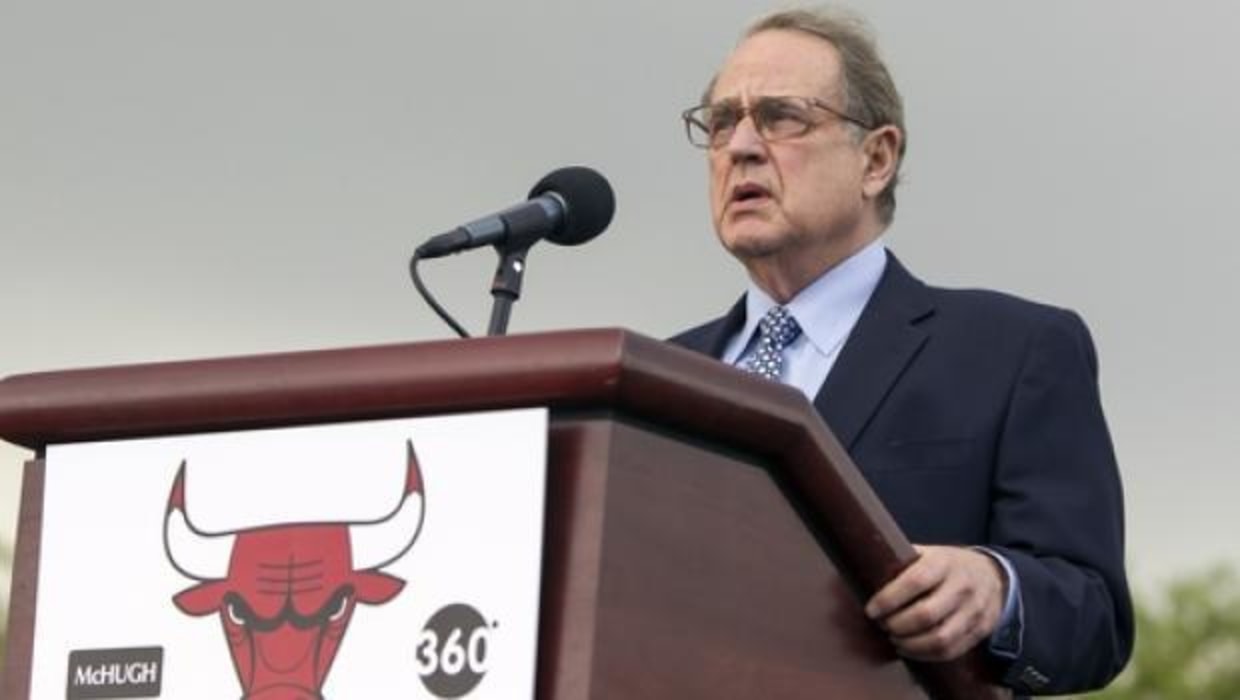
Jerry Reinsdorf is a name synonymous with sports ownership in the Windy City. He has been the principal owner of the Chicago Bulls since 1985, an era that saw the team transform from a struggling franchise into a global phenomenon. But his influence doesn’t stop there; he also owns the Major League Baseball team, the Chicago White Sox. This dual ownership makes him one of the most powerful and enduring figures in American professional sports. His story is not merely about owning a team; it’s about building a legacy, shaping a city’s identity, and understanding the intricate relationship between sports, business, and the very fabric of urban life, including its vibrant tourism and accommodation sectors.

The Visionary Behind the Dynasty: Jerry Reinsdorf’s Legacy
Jerry Reinsdorf’s journey to becoming a sports mogul is a testament to shrewd business acumen and a keen eye for opportunity. Born in Brooklyn, New York, his professional path began in tax law, eventually leading him into real estate development. It was this background that provided him with the financial prowess and strategic foresight to venture into the high-stakes world of sports ownership, forever changing the trajectory of Chicago’s athletic landscape.
From Humble Beginnings to Sports Mogul
Before his iconic tenure with the Chicago Bulls, Jerry Reinsdorf made his mark in the real estate sector, co-founding Balcor Company, a firm that specialized in syndicated real estate partnerships. This venture proved highly successful, laying the groundwork for his entry into sports. In 1981, he led an ownership group to purchase the Chicago White Sox for a then-record $19 million. Just four years later, in 1985, he acquired the Chicago Bulls for $16 million. These acquisitions weren’t just financial transactions; they were strategic investments in the potential of Chicago as a major sports and entertainment hub. Reinsdorf’s vision extended beyond simply owning teams; he aimed to build winning franchises that would captivate the city and put Chicago on the global map for sports tourism and lifestyle experiences.
His decision to invest in the Chicago Bulls proved particularly prescient. At the time of his acquisition, the team was struggling, but it soon drafted a player who would redefine basketball and sports culture: Michael Jordan. The combination of Reinsdorf’s strategic management and Jordan’s unparalleled talent, alongside teammates like Scottie Pippen and under the guidance of coach Phil Jackson, catapulted the Bulls to six National Basketball Association (NBA) championships in the 1990s. This period cemented Reinsdorf’s legacy as an owner who not only understands the business of sports but also how to cultivate a winning environment that resonates deeply with fans and draws visitors from all corners of the world.
Crafting a Winning Culture and Chicago’s Identity
The golden era of the Chicago Bulls under Jerry Reinsdorf’s ownership transcended basketball. It transformed Chicago into a global sports capital, a destination for enthusiasts eager to witness history. The success of the Bulls created an indelible link between the team and the city’s identity, making the Bulls a veritable landmark in the minds of sports fans worldwide. This cultural phenomenon had a significant impact on tourism. Visitors flocked to Chicago not just for its renowned architecture, museums, or culinary scene, but specifically to experience the electric atmosphere of a Bulls game, to visit the United Center, or simply to soak in the vibrant sports culture.
This era also showcased Reinsdorf’s commitment to providing world-class facilities. The construction of the United Center, which opened in 1994 and serves as the home arena for both the Bulls and the White Sox, was a monumental undertaking. This state-of-the-art facility is not merely a sports venue; it’s a major entertainment complex that hosts concerts, shows, and other events, further bolstering Chicago’s appeal as a travel destination. The presence of such a landmark venue significantly enhances the visitor experience, providing numerous opportunities for hotels and accommodation providers in the surrounding areas, including the bustling Loop and West Loop districts, to cater to fans, tourists, and event-goers.
The Business of Sports: Beyond the Court
Owning a professional sports team, especially two, is a colossal business undertaking that spans far beyond game days. It involves massive investments, strategic planning, and a deep understanding of market dynamics, all of which indirectly influence travel, hospitality, and urban development. Jerry Reinsdorf’s approach reflects his background in finance and real estate, allowing him to manage his franchises not just as sports entities but as significant economic contributors to the city of Chicago.
Investments, Real Estate, and Urban Development

Jerry Reinsdorf’s history in real estate naturally spills over into his sports ownership. The development of the United Center stands as a prime example of how sports ownership can drive urban development. This massive project spurred economic activity in the Near West Side neighborhood, leading to improved infrastructure, new businesses, and increased property values. While not a direct hotel owner, Reinsdorf’s investments in team facilities and surrounding infrastructure create a demand for accommodation, from luxury suites in downtown hotels to budget-friendly apartments and extended-stay options for visitors attending multiple games or events.
Furthermore, the economic impact of the Bulls extends to various sectors. Tourism surges during playoff seasons, with fans traveling from across the United States and internationally to witness games. This influx translates into increased bookings for hotels, higher demand for dining, and more activity for local attractions and shops. The Bulls’ practice facility in Deerfield, Illinois, also indirectly contributes to local economies, bringing staff, media, and occasional visitors to the suburban area, impacting local businesses and potentially creating demand for boutique hotels or comfortable long-term stays for team affiliates. Reinsdorf’s stewardship of the Bulls, therefore, contributes significantly to the overall lifestyle and economic vitality of Chicago, cementing its status as a premier global city.
The Travel Demands of a Professional Franchise
While Jerry Reinsdorf himself might not undertake the rigorous travel schedule of his teams, managing a professional sports franchise inherently involves extensive travel and intricate logistical planning. The Chicago Bulls travel thousands of miles each season for away games, requiring meticulous arrangements for transportation, accommodation, and training facilities in various cities across the United States and occasionally beyond.
This aspect of team management indirectly touches upon several core themes of travel and accommodation. The team relies on high-quality hotels and resorts that can provide privacy, security, and amenities conducive to athletic performance, such as fitness centers, specialized dining options, and quiet environments. This constant demand for premium team accommodation showcases a unique segment of the travel industry dedicated to sports teams. From charter flights to luxury suites, the infrastructure supporting professional sports travel is robust. For an owner like Reinsdorf, ensuring these travel logistics are seamless is crucial for team performance and player welfare, directly connecting the world of sports ownership to the global travel and hospitality ecosystem. Furthermore, the travel of fans following their team, or indeed, fans visiting Chicago for games, highlights the significant role sports plays in leisure travel and tourism.
A Lifestyle of Influence and Impact
Beyond the boardrooms and arenas, Jerry Reinsdorf’s ownership represents a lifestyle of immense responsibility, influence, and profound community engagement. His role extends beyond financial oversight, encompassing philanthropic efforts and shaping the public image of two iconic Chicago institutions.
Philanthropy and Community Engagement
Jerry Reinsdorf and the Chicago Bulls organization have a long-standing commitment to philanthropy and community engagement within Chicago and the surrounding areas. Through the Chicago Bulls Charities, the team actively supports various programs focused on education, health and wellness, and community development. These initiatives contribute to improving the local culture and lifestyle for countless residents, reinforcing the team’s status as a civic pillar rather than just a commercial enterprise.
Such philanthropic endeavors are an integral part of the “lifestyle” of high-profile sports ownership, demonstrating a commitment to giving back to the community that supports the team. From developing youth sports programs to supporting local non-profits, these activities enhance the social fabric of Chicago. This community-focused approach aligns with responsible tourism, encouraging visitors to experience the authentic local culture and understand the values that define the city beyond its famous landmarks and attractions. It shows how sports teams, under visionary leadership, can be powerful agents of positive change, fostering a sense of pride and belonging that resonates with both residents and tourists alike.
The Luxury and Responsibility of Ownership
The lifestyle associated with owning major sports franchises like the Chicago Bulls is multifaceted, blending significant financial luxury with immense public responsibility. While ownership might conjure images of private jets and exclusive access to events – aspects that certainly fall under luxury travel and lifestyle – it also entails navigating complex business decisions, managing high-profile personalities, and facing constant public scrutiny.
Jerry Reinsdorf’s tenure has been marked by both immense successes and periods of challenge, requiring a steady hand and strategic foresight. His role as owner is akin to that of a CEO of a major corporation, albeit one deeply rooted in the emotional landscape of millions of fans. This includes strategic business travel for league meetings, negotiations, and scouting, often involving stays in top-tier hotels and resorts in various cities. The decisions made by an owner directly impact not only the team’s performance but also its brand value, the city’s economic health, and the overall fan experience. It’s a demanding lifestyle that requires a unique blend of business acumen, passion for the sport, and a profound understanding of how to manage a global brand.
In conclusion, Jerry Reinsdorf is the enduring owner of the Chicago Bulls, a tenure that has shaped one of the most successful sports dynasties in history. His journey from real estate developer to sports magnate highlights how business prowess, strategic investment, and a deep connection to a city can transform a franchise into a global phenomenon. Beyond the championships, Reinsdorf’s ownership has had a tangible impact on Chicago’s urban development, tourism landscape, and overall lifestyle. From the landmark United Center to the influx of sports tourists, his legacy demonstrates how the business of sports intertwines with the broader themes of travel, accommodation, local culture, and the very identity of a world-class city. He remains a pivotal figure, a testament to the powerful influence that dedicated ownership can wield on and off the court.
LifeOutOfTheBox is a participant in the Amazon Services LLC Associates Program, an affiliate advertising program designed to provide a means for sites to earn advertising fees by advertising and linking to Amazon.com. Amazon, the Amazon logo, AmazonSupply, and the AmazonSupply logo are trademarks of Amazon.com, Inc. or its affiliates. As an Amazon Associate we earn affiliate commissions from qualifying purchases.