
Yes, absolutely! Colorado is home to a thriving population of bears, specifically the American Black Bear. For travelers venturing into the majestic landscapes of this United States state, understanding the presence of these incredible creatures is not just a matter of curiosity, but a fundamental aspect of planning a safe and enriching experience. From the high peaks of the Rocky Mountains to the serene valleys and even the fringes of urban areas, black bears are an integral part of Colorado’s diverse ecosystem.
As a premier destination for outdoor adventure, stunning natural landmarks, and unforgettable travel experiences, Colorado draws millions of tourists annually. Whether you’re planning a rugged camping trip, a luxurious stay at a mountain resort, or a family hiking excursion, being bear-aware is crucial. This article serves as your comprehensive guide to understanding Colorado’s bear population, where they live, how to safely coexist with them, and what responsible tourism practices entail for a memorable and respectful encounter with the wild.

Colorado’s Wild Inhabitants: The American Black Bear
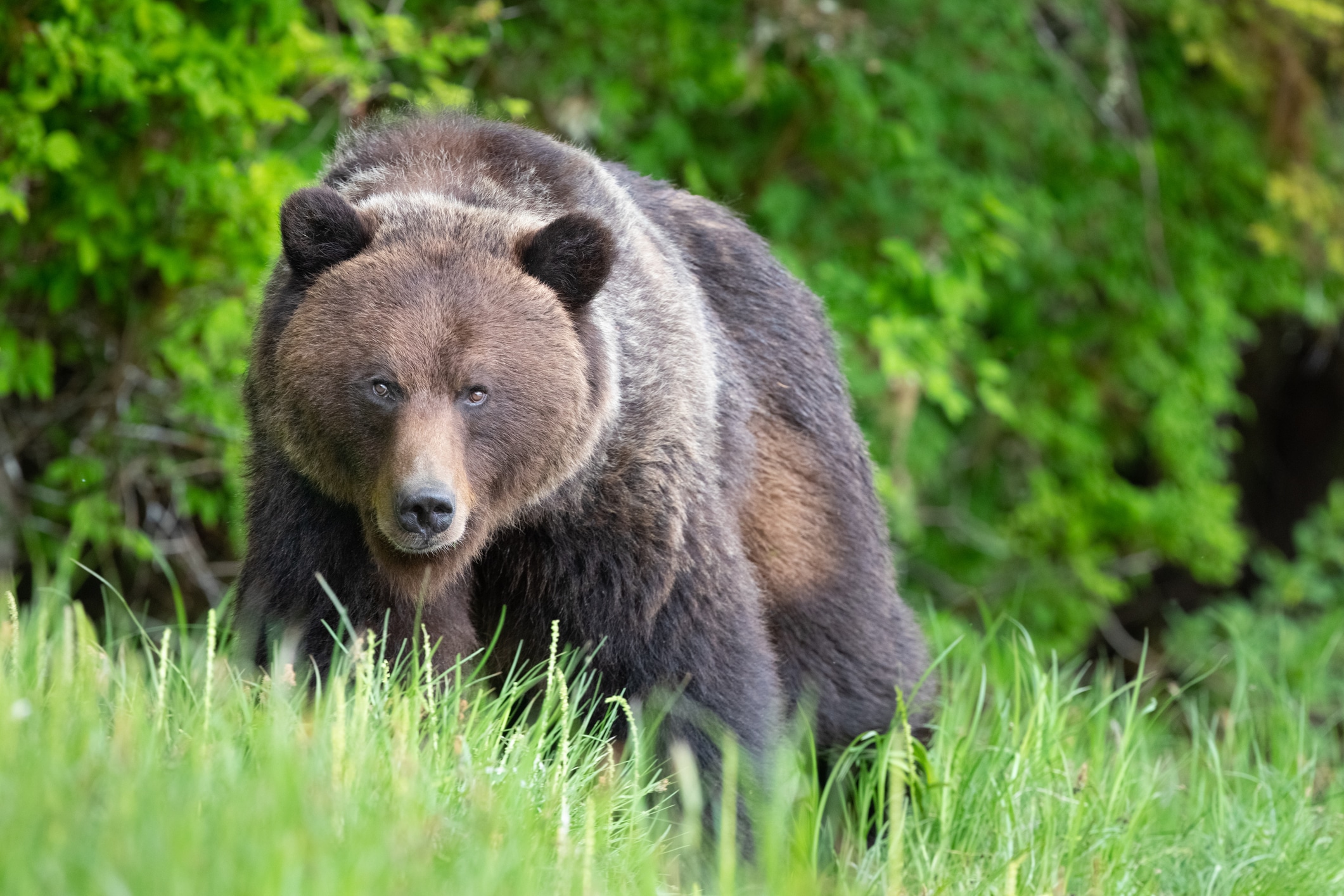
When people ask “Are there bears in Colorado?”, they’re almost exclusively referring to the American Black Bear (Ursus americanus). Unlike some other Western United States states, Colorado does not have a resident population of Grizzly Bears (Ursus arctos horribilis), which were extirpated from the state by the 1950s. This means that any bear you encounter in Colorado will almost certainly be a black bear, despite their name, which can range in color from blonde or cinnamon to dark brown or jet black.
Understanding Colorado’s Bear Population
Colorado’s black bear population is robust, estimated to be between 17,000 and 20,000 individuals, according to Colorado Parks and Wildlife (CPW). These omnivorous creatures play a vital role in the state’s ecosystem, primarily feeding on berries, nuts, insects, and carrion, though they are opportunistic and will readily consume human food sources if available.
Their activity in Colorado is seasonal. Bears typically emerge from hibernation in mid-March or April, hungry and ready to forage. Spring and early summer see them actively searching for food, often venturing closer to human habitation as natural food sources can be scarce. Late summer and fall, a period known as hyperphagia, is when bears are most intensely focused on consuming vast amounts of calories to build up fat reserves for winter hibernation. This is often when human-bear conflicts peak, as bears are driven by an instinctual need to eat 20,000 calories a day, making easily accessible human food incredibly tempting.
Understanding this seasonal behavior is crucial for any traveler planning a trip to Colorado. During these peak activity periods, particularly late summer and fall, vigilance and adherence to bear-safety protocols become even more critical for both your safety and the well-being of the bears.
Where Bears Roam: Habitats and Hotspots
Black bears in Colorado inhabit a wide range of elevations and environments, primarily preferring forested areas, but they are incredibly adaptable. You’re most likely to find them in:
- Mountainous Regions: Dense forests, particularly those with oak brush, aspen groves, and pine forests, provide ideal habitat. Areas like the San Juan Mountains, Elk Mountains, and the vast expanses of the Rocky Mountains offer abundant natural food sources and seclusion.
- National Parks and Forests: Rocky Mountain National Park is a prime example, where bears roam freely. Other areas like the Great Sand Dunes National Park and Preserve and various National Forests are also known habitats.
- Near Human Habitation: Unfortunately, as human development expands into traditional bear habitat and bears become habituated to human food, they are increasingly seen near mountain towns and even suburban areas along the Front Range. Towns like Aspen, Telluride, Breckenridge, Vail, Glenwood Springs, Winter Park, and Steamboat Springs frequently report bear sightings, particularly when natural food sources are scarce. Even the outskirts of larger cities like Boulder and Colorado Springs can experience bear activity.
When planning your Colorado travel, especially if your destinations include any of these areas, assume bears are present and take appropriate precautions.
Coexisting with Wildlife: Essential Safety Guidelines
Encountering a bear in its natural habitat can be a breathtaking and memorable experience. However, safety must always be the top priority. Responsible tourism in Colorado means understanding and practicing bear safety. The vast majority of bear encounters are harmless, but conflicts arise when bears associate humans with food.
Bear Safety for Campers and Hikers
For those planning to explore Colorado’s backcountry, these guidelines are non-negotiable:
- Store Food Properly: This is the golden rule. All food, scented items (toothpaste, deodorant, sunscreen), and garbage must be stored in bear-resistant containers, hung from a tree using a bear bag system, or kept in a hard-sided vehicle out of sight. Never leave food unattended, especially at campsites or trailheads. If staying in designated campsites, utilize provided bear lockers.
- Keep a Clean Camp: Clean up all food scraps, wash dishes immediately, and pack out all trash. Do not burn food in a campfire.
- Hike in Groups and Make Noise: Bears generally want to avoid humans. Hiking with companions and making noise (talking, clapping) as you walk will alert bears to your presence, giving them time to move away. Avoid hiking at dawn, dusk, or night when bears are most active.
- Keep Dogs Leashed: Unleashed dogs can provoke bears, leading to aggressive encounters that might otherwise be avoided.
- Carry Bear Spray and Know How to Use It: Bear spray is a highly effective deterrent. Make sure it’s easily accessible and you understand how to deploy it before heading out.
- Obey Trail and Area Closures: National Park Service and CPW often issue warnings or close areas due to bear activity. Respect these closures for your safety and the bears’.
Protecting Your Accommodation: Bear-Proofing Your Stay
Bear safety extends beyond the trail. If your accommodation is in a bear-prone area, whether a cabin, vacation rental, or even a hotel or resort, simple precautions are necessary:
- Lock Doors and Windows: Even ground-level windows and unlocked car doors can be an invitation for curious bears. Many mountain communities have mandatory bear-proofing regulations for homes and businesses.
- Do Not Leave Food in Cars: Bears have an incredible sense of smell and can easily break into vehicles to access food. This includes coolers, grocery bags, and even scented trash.
- Manage Garbage: Use bear-resistant trash cans or dumpsters. If your accommodation doesn’t provide them, store trash indoors until collection day.
- Clean Grills and Pet Bowls: Residue from outdoor grills and pet food left outside can be strong attractants.
- Report Sightings: Inform your hotel staff, property manager, or local authorities like CPW about any bear activity near your accommodation. Many mountain resorts and villas in Colorado actively educate guests on bear safety, a testament to their commitment to both guest safety and local wildlife preservation.
What to Do in a Bear Encounter
While rare, a direct bear encounter requires a calm and informed response:
- Identify Yourself: Stand your ground, wave your arms slowly, and speak in a calm, firm voice to let the bear know you are human.
- Make Yourself Look Large: Raise your arms above your head or stand on a log or rock.
- Back Away Slowly: Give the bear plenty of space to escape. Never run, as this can trigger a chase instinct.
- If a Bear Approaches You: Make more noise and try to appear more intimidating. If it continues to approach, use your bear spray.
- If a Bear Attacks You:
- Defensive Attack: If a bear attacks and you believe it’s defensive (e.g., a mother protecting cubs, or you startled it), play dead. Lie on your stomach, cover your neck with your hands, and remain still.
- Predatory Attack: If a black bear attacks you and appears to be predatory (silent, prolonged approach, continues to stalk you), fight back aggressively. Aim for the bear’s face and use any available weapon. Predatory attacks by black bears are extremely rare but can be serious.
Remember, most bears simply want to avoid confrontation. Your actions can significantly influence the outcome of an encounter.
Responsible Tourism and Bear Awareness
Colorado’s appeal as a top travel destination is deeply intertwined with its natural beauty and wildlife. Practicing responsible tourism ensures that these natural treasures, including bears, are protected for future generations. For individuals planning family trips or those seeking a luxury travel experience that aligns with ecological mindfulness, bear awareness is key.
Wildlife Viewing Ethics
If you’re fortunate enough to spot a bear in the wild, adhere to these ethical guidelines:
- Maintain Distance: Use binoculars or a telephoto lens to view bears from a safe and respectful distance (at least 100 yards/90 meters). Never approach a bear, especially cubs, as the mother is likely nearby and highly protective.
- Do Not Feed Wildlife: This is perhaps the most critical rule. Feeding bears, directly or indirectly, habituates them to humans and often leads to their eventual euthanasia due to human-bear conflicts. A fed bear is a dead bear.
- Observe Quietly: Avoid sudden movements or loud noises that could startle the animal.
- Never Block a Bear’s Path: Always give bears an escape route if you encounter them on a trail or road.
Protecting Bears and Their Environment
The well-being of Colorado’s black bears depends on collective human effort. Every traveler plays a role in minimizing human-wildlife conflict:
- Support Bear-Aware Businesses: Choose hotels, resorts, and accommodations that demonstrate a commitment to bear-proofing and educating guests on safety protocols. Many Colorado properties offer specific amenities or information guides to assist with this.
- Educate Others: Share your knowledge of bear safety with fellow travelers, friends, and family. The more people who are bear-aware, the safer both humans and bears will be.
- Report Concerns: If you observe a bear that appears sick, injured, or is exhibiting unusual behavior (e.g., showing no fear of humans, approaching people persistently), contact Colorado Parks and Wildlife immediately. Your report helps them manage and protect the bear population.
Popular Colorado Destinations and Bear Encounters
While bears can be found across much of Colorado’s wildlands, certain popular destinations are particularly known for bear activity due to their rich habitats and heavy visitor traffic.
Rocky Mountain National Park: A Prime Viewing Spot
Rocky Mountain National Park, one of the most visited landmarks in the United States, is a sanctuary for diverse wildlife, including black bears. While bears here are generally more wary of humans than those in areas with more human-provided food, visitors still need to be diligent. The National Park Service provides excellent resources and regulations for bear safety, including mandatory food storage in backcountry areas. Spotting a bear here, often from a distance, is a highlight for many travelers and an unparalleled experience.

Aspen, Telluride, and Other Mountain Towns
Upscale mountain towns like Aspen, Telluride, Vail, and Breckenridge offer a blend of luxury accommodations, world-class skiing, and direct access to bear habitat. Here, bears often venture into town, especially during fall, attracted by unsecured trash, fruit trees, and pet food. Residents and tourists alike are urged to be vigilant. Many hotels and resorts in these areas have robust bear-aware policies, and local ordinances often enforce strict trash management. Enjoying the local culture and dining in these towns means understanding this unique coexistence.
Even cities like Boulder and [Colorado Springs](https://lifeoutofthebox.com/colorado-springs], which have extensive open space systems bordering mountains, experience bear visits. For anyone considering a long-term stay or even a short trip to Colorado, regardless of their preferred lifestyle (be it budget travel or opulent suites), awareness of bear activity is a critical tip for safety and environmental stewardship.
In conclusion, yes, bears are indeed in Colorado – magnificent American Black Bears that embody the wild spirit of the state. Their presence enhances the allure of Colorado as a premier travel destination, offering unique opportunities for wildlife viewing and immersion in nature. By understanding their behavior, respecting their habitat, and diligently following safety guidelines, every traveler can contribute to the harmonious coexistence of humans and wildlife, ensuring that future generations can also ask, “Are there bears in Colorado?” and receive a resounding “Yes, and they are thriving.” Plan your Colorado adventure with awareness, and you’re sure to have an unforgettable and respectful journey.
LifeOutOfTheBox is a participant in the Amazon Services LLC Associates Program, an affiliate advertising program designed to provide a means for sites to earn advertising fees by advertising and linking to Amazon.com. Amazon, the Amazon logo, AmazonSupply, and the AmazonSupply logo are trademarks of Amazon.com, Inc. or its affiliates. As an Amazon Associate we earn affiliate commissions from qualifying purchases.