
Embarking on a journey from the vibrant urban landscape of Denver, Colorado’s capital, to the idyllic mountain retreat of Aspen is an adventure that promises breathtaking scenery, diverse travel experiences, and the ultimate reward of a world-class destination. Whether you’re drawn by the legendary ski slopes, the pristine wilderness, or the sophisticated cultural scene, understanding the distance and the various routes and transportation options is the first step in planning an unforgettable trip. This comprehensive guide will not only detail the mileage and estimated travel times but also delve into the nuances of each journey, offering insights into accommodation, attractions, and essential travel tips to ensure your passage from Denver to Aspen is as enjoyable as the destination itself.
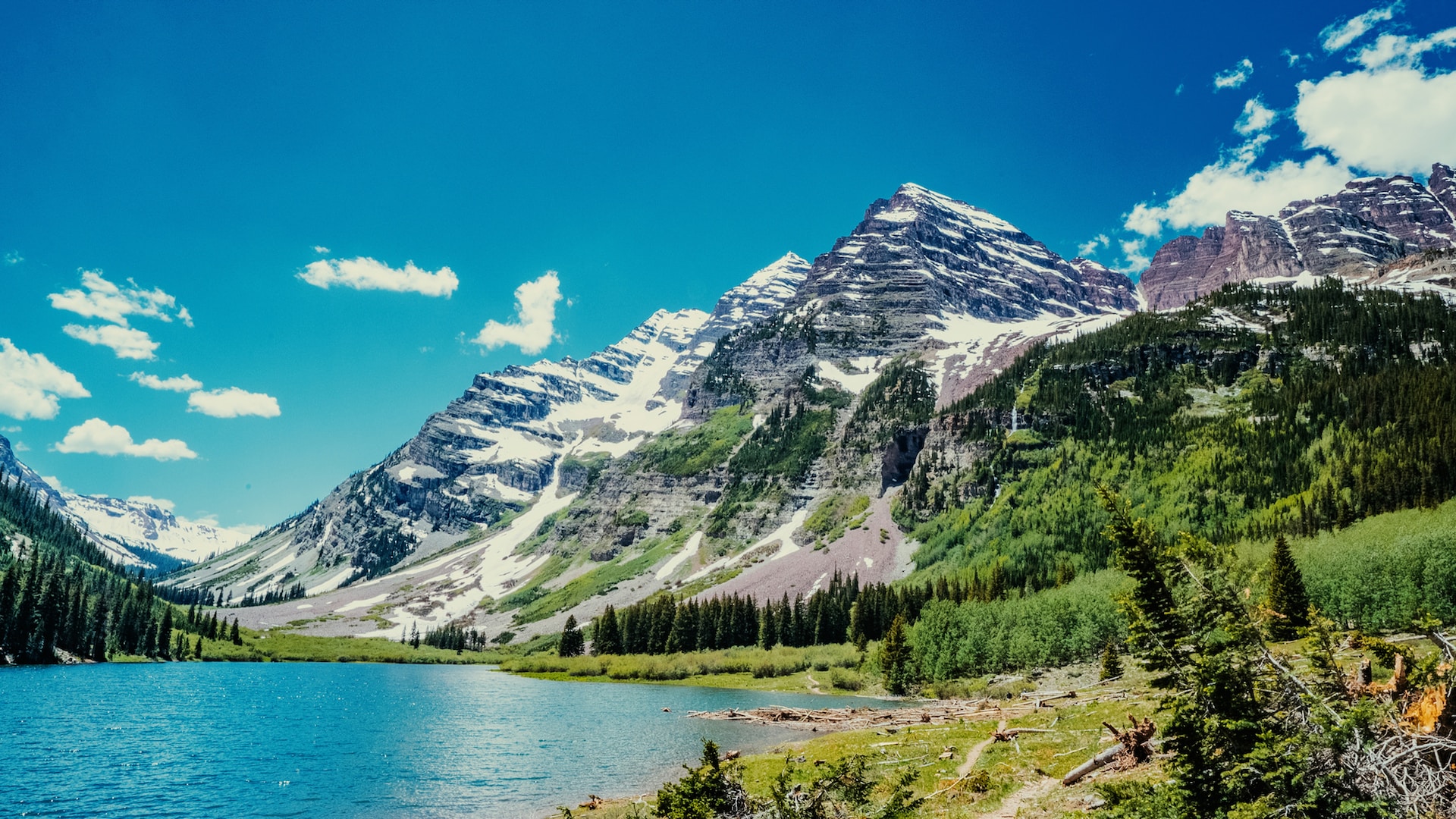
The allure of Aspen is undeniable, a jewel nestled deep within the Rocky Mountains that transforms from a winter wonderland to a vibrant summer playground. Its reputation as a premier destination for luxury travel, outdoor adventure, and cultural enrichment is well-deserved. From high-end resorts to charming boutique hotels, from exhilarating ski runs to serene hiking trails, Aspen offers a lifestyle experience unlike any other. Preparing for this journey involves more than just mapping a route; it’s about choosing the right mode of transport that suits your style, understanding the best times to visit, and discovering the hidden gems along the way that contribute to a holistic travel experience.
Unveiling the Distance and Prime Driving Routes
The journey from Denver to Aspen is a passage through some of Colorado’s most spectacular scenery. The distance varies slightly depending on the chosen route, but travelers can expect to cover approximately 160 to 200 miles. The driving time, under ideal conditions, ranges from 3.5 to 4.5 hours, though this can be significantly impacted by weather, traffic, and road closures, especially during peak seasons or winter months.
The Classic Route: I-70 West to CO-82
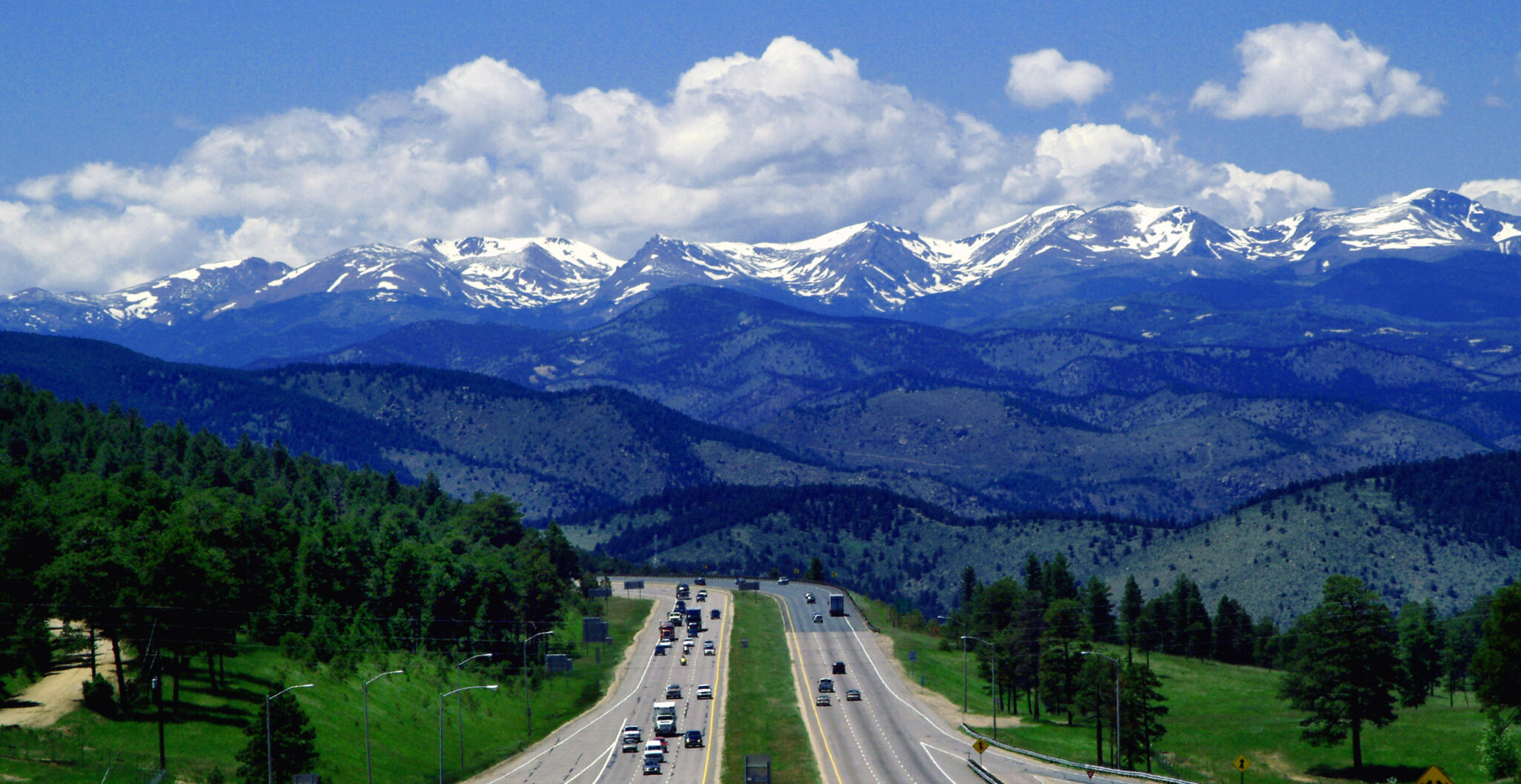
The most common and generally fastest route from Denver to Aspen involves traveling west on Interstate 70 (I-70) for the majority of the trip, then connecting to Colorado Route 82 (CO-82). This route covers approximately 160-170 miles and typically takes about 3.5 to 4 hours without significant stops or delays.
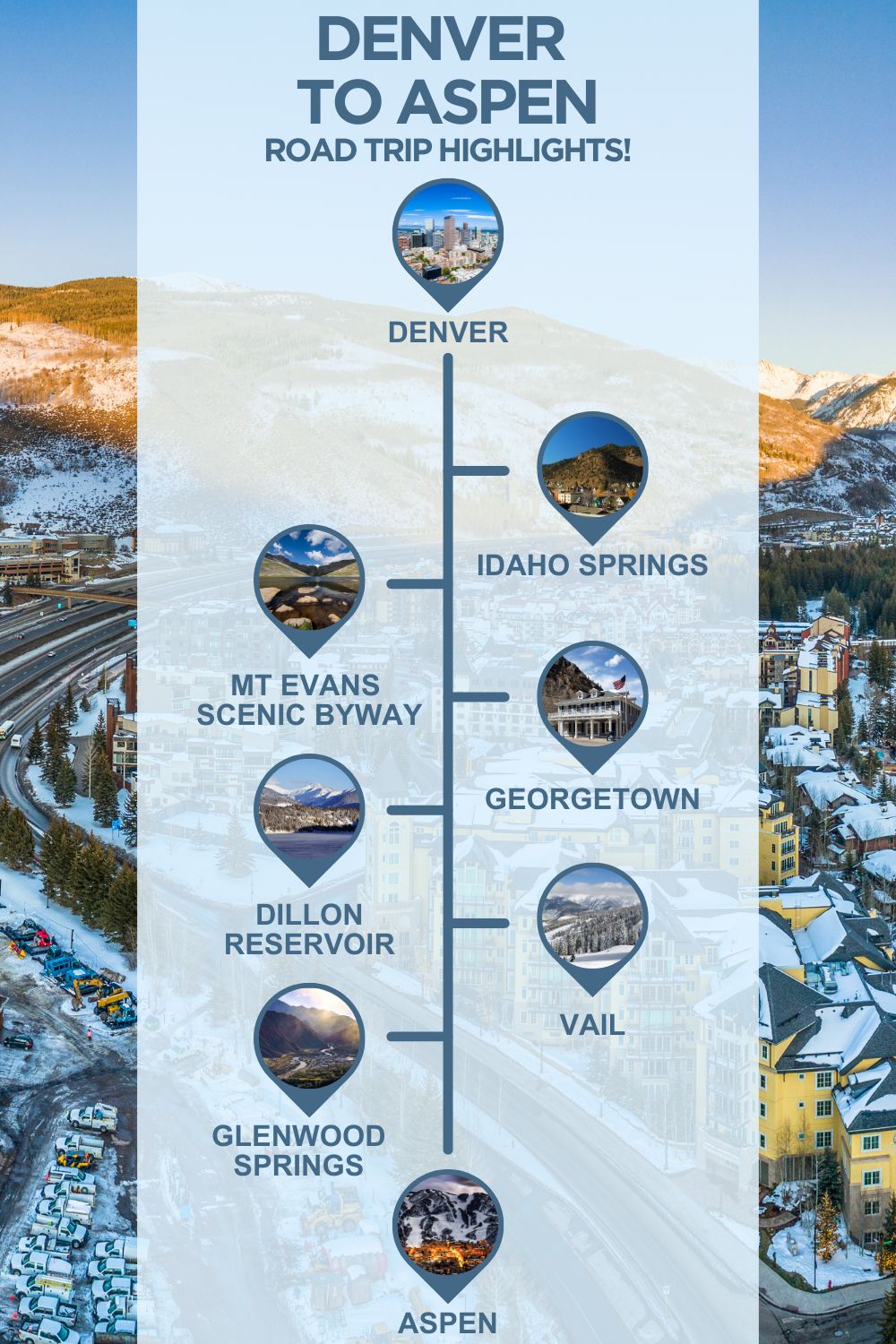
The journey begins in Denver, heading west on I-70 through the stunning Rocky Mountains. This section of the highway traverses numerous mountain passes, including the Eisenhower Tunnel (which is located beneath the Continental Divide), offering dramatic vistas and glimpses of Colorado’s rugged beauty. The road passes through popular ski towns like Georgetown, Vail, and Frisco before descending into the picturesque Glenwood Canyon.
Upon reaching Glenwood Springs, a popular stop known for its hot springs and outdoor activities, drivers will exit I-70 and turn south onto CO-82. This final 40-mile stretch follows the scenic Roaring Fork River valley, passing through smaller towns like Carbondale and Basalt before arriving in Aspen. This part of the drive is particularly beautiful, especially during the fall when the aspen trees turn brilliant shades of gold. While generally well-maintained, winter weather can bring snow and ice, requiring four-wheel drive or chains for safe passage.
The Scenic Seasonal Alternative: Independence Pass (CO-82 East)
For those seeking a more adventurous and incredibly scenic drive, the route over Independence Pass offers an unforgettable experience. This route is typically open only from late May or early June through October, as it reaches an elevation of 12,095 feet (3,687 meters) at the Continental Divide and is impassable due to heavy snow in winter.
To take this route, you would still begin on I-70 West, but for a shorter distance. Instead of continuing all the way to Glenwood Springs, you would exit I-70 earlier, typically around Copper Mountain or Frisco, and take US-24 South towards Leadville. From there, you connect to CO-82 East, which leads directly over Independence Pass into Aspen. This route is slightly shorter in mileage, around 160 miles, but often takes longer due to its winding, narrow roads, sharp turns, and steep inclines. The drive can take 4 to 5 hours.
The rewards, however, are immense. Travelers are treated to panoramic views of alpine lakes, towering peaks, and vast expanses of wilderness within the White River National Forest. There are numerous pull-offs for photo opportunities and short hikes. It’s important to note that this pass is not suitable for oversized vehicles, RVs, or those uncomfortable with mountain driving. Check current road conditions and opening dates before planning your trip over Independence Pass.
Navigating Your Journey: Transportation Options
While driving offers flexibility and incredible views, several other transportation methods connect Denver to Aspen, each catering to different preferences for speed, cost, and comfort.
Taking to the Skies: Flying from Denver to Aspen
For the quickest and most convenient option, especially for those prioritizing luxury travel or tight schedules, flying directly to Aspen is ideal. Flights typically depart from Denver International Airport (DIA) and arrive at Aspen Pitkin County Airport (ASE), which is just a few miles from downtown Aspen. The flight itself is short, often around 45-60 minutes, offering spectacular aerial views of the Rocky Mountains.
While direct flights are available, they can be more expensive, especially during peak ski season or major events. An alternative is to fly into Eagle County Regional Airport (EGE), located near Vail and Beaver Creek. From EGE, Aspen is approximately a 1.5 to 2-hour drive, and numerous shuttle services and rental cars are available for the final leg of the journey. Another option, though less common for Aspen, is Grand Junction Regional Airport (GJT), which is about a 2.5-hour drive from Aspen. When considering flights, travelers should factor in airport transfer times, baggage fees, and the possibility of weather-related delays, particularly in winter.
Overland Adventures: Buses, Shuttles, and Trains
For a more relaxed or budget-conscious approach, ground transportation alternatives to driving your own vehicle are readily available.
Buses and Shuttles: Several bus and private shuttle services operate daily between Denver and Aspen.
- Bustang: Colorado’s public bus service offers routes along the I-70 corridor, making it a cost-effective option to reach Glenwood Springs. From Glenwood Springs, the local Roaring Fork Transportation Authority (RFTA) bus system provides frequent and affordable connections directly to Aspen and Snowmass Village.
- Private Shuttles: Companies like Colorado Mountain Express (CME) or Black Diamond Transportation offer shared-ride and private shuttle services from DIA or various locations in Denver directly to Aspen or your specific accommodation. These services provide comfort and convenience, often with professional drivers experienced in mountain driving, making them a popular choice for families or groups.
Trains: While there isn’t a direct train line to Aspen, a scenic train journey can be part of the adventure. Amtrak‘s California Zephyr route, which runs between Chicago and Emeryville (San Francisco Bay Area), makes a stop in Glenwood Springs. The train ride from Denver to Glenwood Springs offers unparalleled views through canyons and along rivers, taking approximately 5-6 hours. From Glenwood Springs, travelers can then transfer to a RFTA bus or a private shuttle for the final leg to Aspen. This option is ideal for those who enjoy slow travel and the nostalgic charm of train journeys, providing a unique perspective of the Colorado landscape.
Experience the Aspen Lifestyle: Attractions and Activities
Upon arrival, Aspen opens up a world of possibilities, blending outdoor adventure with sophisticated culture and gastronomy. The town’s vibrant tourism scene caters to all interests, from extreme sports enthusiasts to art lovers and those seeking pure relaxation.
Winter Wonderland: Skiing and Snow Sports
Aspen is globally renowned as a premier ski destination, boasting four distinct ski mountains, each offering a unique experience:
- Aspen Mountain] (Ajax): Known for its challenging terrain, steep runs, and direct access from downtown Aspen via the Silver Queen Gondola.
- Snowmass: The largest of the four mountains, offering diverse terrain suitable for all skill levels, from beginner slopes to expert runs, along with extensive ski-in/ski-out accommodation options in Snowmass Village.
- Aspen Highlands: Favored by locals for its rugged terrain, incredible backcountry access (including the famed Highlands Bowl), and breathtaking views.
- Buttermilk: Ideal for beginners, families, and freestylers, home to the Winter X Games and a renowned terrain park.
Beyond alpine skiing and snowboarding, winter activities abound, including cross-country skiing, snowshoeing, ice skating, snowmobiling, and dog sledding, all set against the stunning backdrop of the Rocky Mountains.
Summer and Fall Splendor: Hiking, Biking, and Culture
When the snow melts, Aspen transforms into a verdant paradise for summer and fall adventures.
- Hiking and Biking: Endless trails crisscross the mountains, from leisurely strolls to strenuous climbs. The iconic [Maroon Bells](https://lifeoutofthebox.com/maroon-bells], two of the most photographed peaks in North America, offer stunning reflective views and numerous hiking trails. Road cycling, mountain biking, and electric bike rentals are popular ways to explore the extensive network of paved paths and dirt trails.
- Water Sports: The Roaring Fork River and nearby Fryingpan River provide opportunities for fly-fishing, rafting, and kayaking.
- Cultural Attractions: Aspen is not just for outdoor enthusiasts; it’s a hub for arts and culture. Visit the Aspen Art Museum for contemporary exhibits, catch a performance at the historic Wheeler Opera House, or enjoy a serene moment at the John Denver Sanctuary, a tranquil park dedicated to the beloved singer-songwriter. The Aspen Music Festival and School draws world-class musicians, and the Aspen Institute hosts thought-provoking conferences.
- Dining and Shopping: Aspen’s downtown core offers a sophisticated array of fine dining restaurants, casual eateries, high-end boutiques, and art galleries, reflecting its status as a luxury travel destination.
A Stay to Remember: Accommodation in Aspen
Aspen provides an extensive range of accommodation options, catering to every style of traveler and budget, from opulent resorts to cozy vacation rentals. Booking in advance is highly recommended, especially during peak seasons.
Luxury and Comfort: Top Hotels and Resorts
For those seeking the pinnacle of luxury and impeccable service, Aspen is home to several world-renowned hotels and resorts:
- The Little Nell: A five-star, five-diamond hotel located at the base of Aspen Mountain, offering unparalleled ski-in/ski-out access, exceptional dining, and a reputation for supreme elegance.
- St. Regis Aspen Resort: An iconic luxury property known for its timeless elegance, bespoke service, and a beautiful spa, situated near the base of Aspen Mountain and walking distance to downtown.
- Hotel Jerome, Auberge Resorts Collection: A historic landmark built in 1889, this hotel beautifully blends Victorian charm with modern amenities, offering a sophisticated and unique stay in the heart of Aspen. Its storied past and luxurious present make it a favorite for those seeking an authentic Aspen experience.
These luxury accommodations often feature amenities such as gourmet restaurants, heated pools, full-service spas, and personalized concierge services, ensuring a lavish and memorable stay.
Diverse Options: From Boutique to Budget-Friendly
Beyond the ultra-luxury, Aspen offers a variety of hotels, condominiums, and apartment rentals that provide comfort and convenience without compromising on experience:
- Limelight Hotel Aspen: Known for its vibrant atmosphere, excellent location near the Silver Queen Gondola, and family-friendly amenities, including a popular outdoor pool and hot tubs.
- The Gant: Offers spacious condominium-style accommodations with kitchens, perfect for longer stays or groups, combined with hotel services, including shuttle transportation and concierge.
- Inn at Aspen: Located at the base of Buttermilk Mountain, providing convenient access to skiing and a more relaxed, value-oriented option with a pool and hot tub.
- Aspen Square Condominium Hotel: Situated in a prime downtown location, offering condominium units with fully equipped kitchens and fireplaces, blending the comforts of home with hotel amenities.
For those on a budget or seeking a quieter experience, consider staying in nearby Snowmass Village, Basalt, or Carbondale. These towns offer more affordable hotels and vacation rentals, with easy access to Aspen via the efficient RFTA bus system. Snowmass Village in particular offers a wide array of hotels and condos, many with ski-in/ski-out access to Snowmass Mountain. Long-term stay options are also available for those planning extended visits, often found through vacation rental platforms or local property management companies.
Essential Travel Tips for Your Aspen Journey
Making the most of your trip requires careful planning, especially when navigating Colorado’s mountain environments and popular destinations like Aspen.
Planning Your Visit: Best Time and Weather
- Winter (December to April): This is peak ski season. Expect cold temperatures, heavy snowfall, and potentially challenging driving conditions. Book flights, accommodation, and ski passes well in advance, as prices are highest during this period. Dress in layers with waterproof outer shells.
- Summer (June to August): Warm days and cool evenings make this ideal for hiking, biking, and outdoor festivals. Temperatures are pleasant, but afternoon thunderstorms are common. Book popular attractions like Maroon Bells shuttle reservations in advance.
- Fall (September to October): Witness the stunning golden aspens, a truly magical time. Cooler temperatures, fewer crowds, and vibrant foliage make this a favored season. Independence Pass typically closes by late October or early November.
- Spring (May to Early June): Often considered the “shoulder season,” with melting snow, fewer crowds, and lower prices. Some trails may still be muddy or snow-covered. This is a great time for budget travel and enjoying a quieter Aspen.
Regardless of the season, check the weather forecast before you go, and always pack layers, as mountain weather can change rapidly. Don’t forget sunscreen and sunglasses, as the high altitude means stronger UV rays.
Navigating Traffic and Mountain Driving
- I-70 Traffic: On weekends, especially Friday afternoons/evenings heading west and Sunday afternoons/evenings heading east, I-70 can experience significant congestion, particularly in the mountain corridor. Plan your travel during off-peak hours if possible.
- Winter Driving: If driving in winter, ensure your vehicle is equipped with appropriate tires (all-season or winter tires) and consider carrying chains, as traction laws are often in effect on I-70 and CO-82. Always check road conditions (Colorado Department of Transportation – CDOT) before departure.
- Altitude Sickness: Aspen sits at 7,908 feet (2,410 meters) above sea level. Drink plenty of water, limit alcohol and caffeine, and take it easy on your first day to help acclimate.
- Parking: Parking in downtown Aspen can be expensive and limited, especially during peak seasons. Utilize hotel shuttle services or the excellent RFTA bus system to get around once you’ve arrived.
The journey from Denver to Aspen is more than just covering a distance; it’s an integral part of the overall travel experience. Whether you choose the efficiency of a flight, the scenic grandeur of a mountain drive, or the relaxed pace of a bus or train, each option offers a unique perspective of Colorado’s stunning landscape. With careful planning and an adventurous spirit, your passage to Aspen will be as memorable as the time you spend in this extraordinary mountain destination, ready to immerse yourself in its luxury, adventure, and vibrant lifestyle.
LifeOutOfTheBox is a participant in the Amazon Services LLC Associates Program, an affiliate advertising program designed to provide a means for sites to earn advertising fees by advertising and linking to Amazon.com. Amazon, the Amazon logo, AmazonSupply, and the AmazonSupply logo are trademarks of Amazon.com, Inc. or its affiliates. As an Amazon Associate we earn affiliate commissions from qualifying purchases.