
Colorado stands as a beacon for adventurers, nature enthusiasts, and those seeking a vibrant lifestyle amidst breathtaking landscapes. From the majestic peaks of the Rocky Mountains to the bustling urban centers of Denver and Boulder, the Centennial State offers an unparalleled blend of outdoor recreation, cultural experiences, and a thriving economy. It’s no surprise that this captivating state attracts not only tourists but also a growing number of entrepreneurs and digital nomads looking to establish roots, whether permanent or flexible, and embark on new ventures. For those captivated by Colorado’s charm and eyeing an opportunity within its booming travel, hospitality, or lifestyle sectors, forming a Limited Liability Company (LLC) is often the most strategic first step.
An LLC offers a powerful combination of personal liability protection, flexible management, and tax advantages, making it an ideal structure for small to medium-sized businesses. Whether you dream of opening a charming boutique hotel in Aspen, launching an adventure tour company in Estes Park, managing a portfolio of vacation rentals in Vail, or even providing travel consultancy services as a digital nomad, understanding the process of forming an LLC in Colorado is paramount. This comprehensive guide will navigate you through the essential steps, ensuring your journey from concept to legal entity is as smooth as a scenic drive through Rocky Mountain National Park.
Why Colorado is a Prime Location for Your Travel & Hospitality LLC
Colorado’s allure extends far beyond its stunning natural beauty; it’s a dynamic economic environment that fosters innovation and growth, particularly within industries that cater to its millions of annual visitors. This makes it an incredibly attractive place to establish a travel, accommodation, or lifestyle-focused business.
A Hub for Tourism and Recreation
The state’s tourism industry is a cornerstone of its economy, attracting visitors year-round with a diverse array of attractions and experiences. Iconic destinations like Denver serve as vibrant cultural centers, offering world-class dining, museums, and a lively arts scene. Beyond the urban sprawl, the mountain towns like Breckenridge, Aspen, and Telluride are synonymous with luxury ski resorts, providing prime locations for ski rental shops, high-end accommodation such as the Grand Hyatt Vail, and bespoke concierge services.
For those interested in natural landmarks, Rocky Mountain National Park, Mesa Verde National Park, and Great Sand Dunes National Park and Preserve draw millions seeking hiking, camping, and unparalleled wilderness experiences. This creates a continuous demand for tour operators, adventure guides, outdoor gear rental services, and unique glamping experiences. Imagine establishing “Rocky Mountain Trailblazers LLC” offering guided hikes, or “Colorado Alpine Escapes” providing luxury cabin rentals near Winter Park Resort. The possibilities are as vast as the Colorado landscape itself, encompassing everything from fly-fishing expeditions along the Arkansas River to culinary tours in Boulder’s vibrant food scene.
Favorable Business Environment & Lifestyle
Colorado consistently ranks high in lists of best states for business, thanks to its pro-business policies, educated workforce, and a culture that embraces entrepreneurship. The state government often supports small businesses, and the robust economy provides a stable foundation for new ventures. This supportive ecosystem is crucial for new LLCs, helping them navigate regulatory landscapes and access resources. Furthermore, Colorado’s desirable lifestyle is a significant draw for both employees and business owners. The state boasts a high quality of life, access to outdoor activities, and a healthy, active population. This translates into a strong talent pool for your travel or hospitality business, as many are eager to live and work in such an appealing environment.
Connectivity is another advantage. Denver International Airport serves as a major hub, providing easy access for tourists and business travelers alike, linking your Colorado-based LLC to national and international markets. The combination of strong tourism, a supportive business climate, and an attractive lifestyle creates a powerful synergy for any entrepreneur looking to make their mark in the travel and accommodation industry. Whether you’re a seasoned hotelier, a passionate tour guide, or a visionary in digital travel services, Colorado offers fertile ground for your LLC to flourish.
Essential Steps to Forming Your Colorado LLC
Establishing an LLC in Colorado involves a clear, sequential process designed to be relatively straightforward, especially with the state’s online filing systems. However, each step is critical for ensuring your business is legally sound and set up for success.
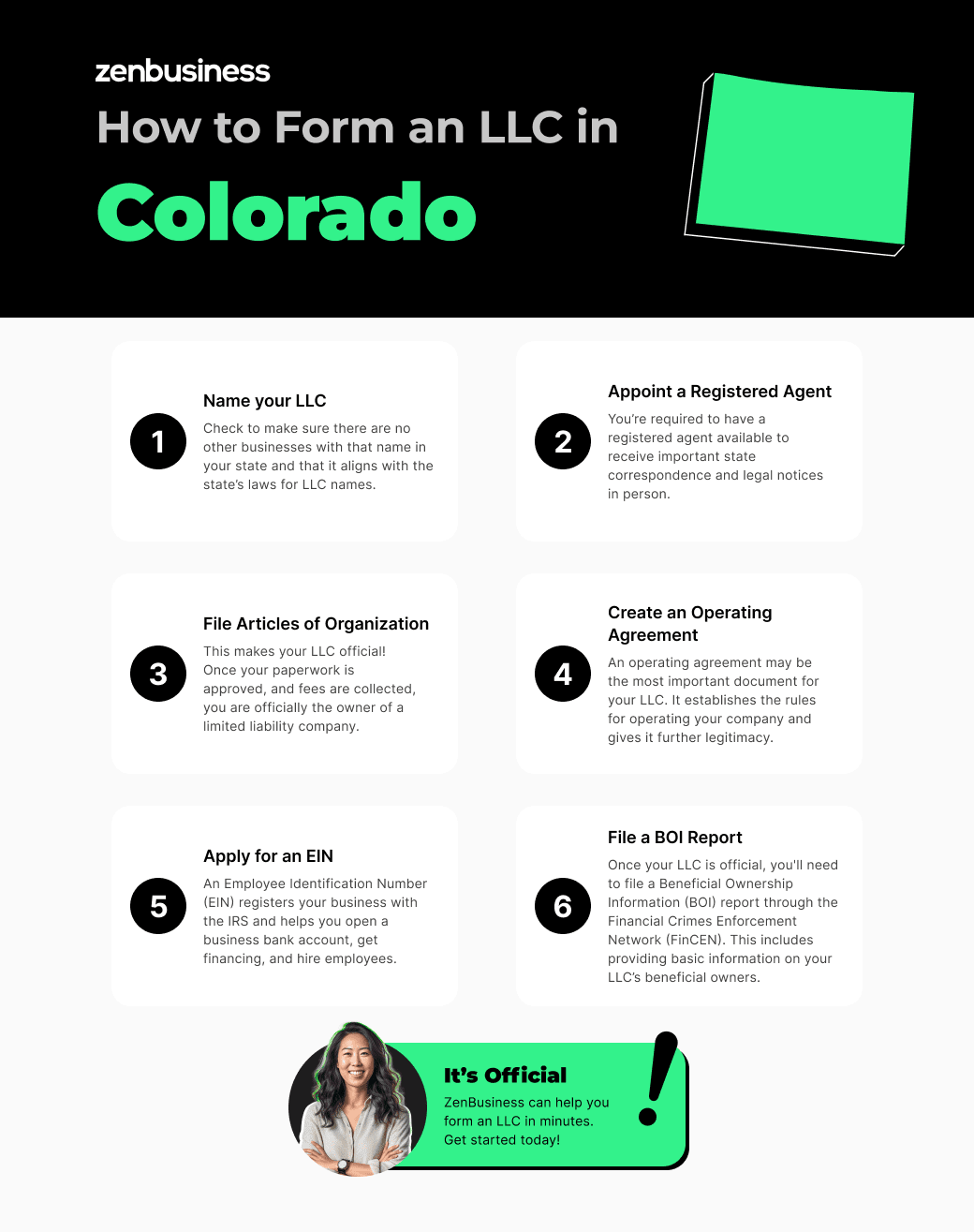
Step 1: Choose a Unique Business Name
The first and often most creative step is selecting a name for your LLC. This name must be distinguishable from other registered entities in Colorado and must include an LLC designator (e.g., “LLC,” “L.L.C.,” “Limited Liability Company”). For a travel-related business, your name should ideally evoke the spirit of your brand and the experiences you offer. Consider names like “Rocky Mountain Adventures LLC,” “Colorado Trails Expeditions,” or “Altitude Hospitality Group.”
Before you commit, it’s crucial to perform a name availability search through the Colorado Secretary of State’s website. This ensures your chosen name isn’t already taken. While the LLC name provides legal identity, you might also consider registering a trade name (often called a “Doing Business As” or DBA) if you wish to operate under a different brand name that resonates more with your specific tourism niche. For instance, your legal entity might be “High Peak Holdings LLC,” but you might operate as “Aspen Luxury Rentals” for marketing purposes.
Step 2: Appoint a Registered Agent
Every LLC in Colorado is required to have a registered agent. This individual or entity serves as the official point of contact for receiving legal documents, service of process, and official government correspondence on behalf of your LLC. The registered agent must have a physical street address in Colorado (not a P.O. Box) and be available during regular business hours.
For entrepreneurs who travel frequently, operate remotely, or simply prefer to maintain privacy, utilizing a professional registered agent service is a popular and practical solution. These services ensure that crucial documents are always received and forwarded to you promptly, regardless of your location, allowing you to focus on managing your travel business, perhaps from a remote mountain cabin or while scouting new destinations. Choosing a reliable registered agent is a foundational step in maintaining your LLC’s good standing with the state.
Step 3: File Your Articles of Organization
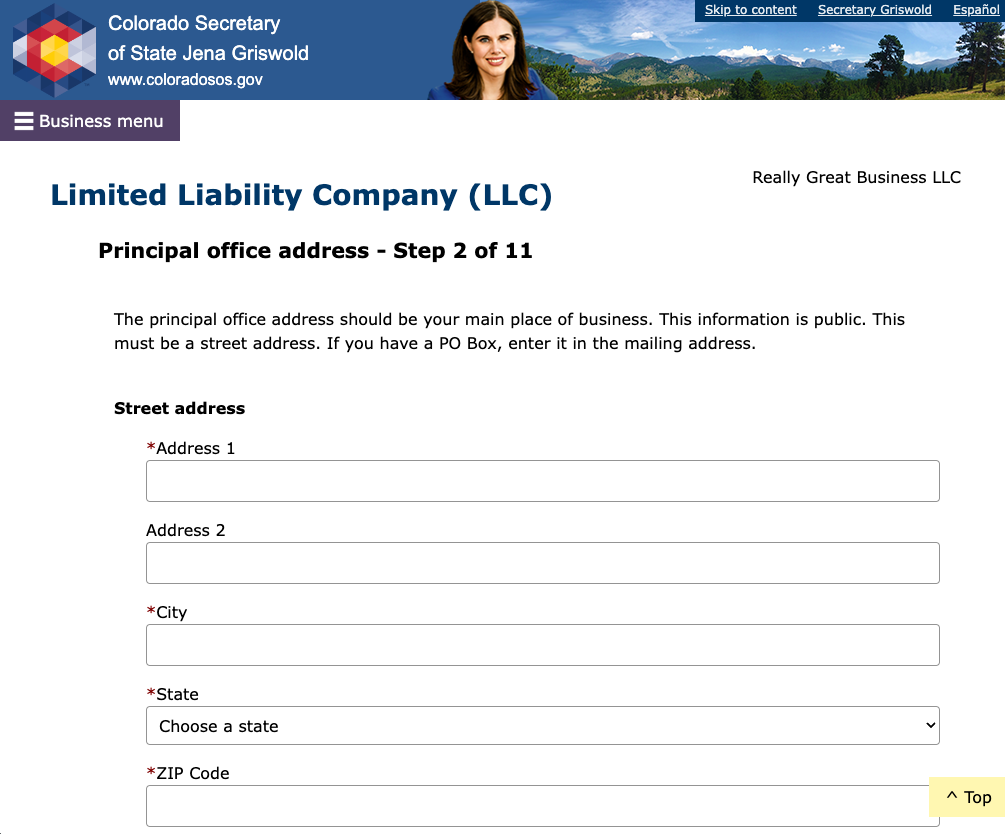
This is the cornerstone legal document that officially creates your LLC in Colorado. The Articles of Organization are filed with the Colorado Secretary of State and typically require basic information, including your LLC’s chosen name, the name and address of your registered agent, and the principal office address of the LLC. You can usually complete this filing quickly and efficiently online through the Colorado Secretary of State’s website, paying a modest filing fee.
Once your Articles of Organization are accepted, your LLC legally exists. This crucial step provides the liability protection that shields your personal assets from your business’s debts and legal actions – a particularly important consideration in industries like travel and hospitality where customer interactions and potential liabilities can be higher. Always double-check all information before submission to avoid delays.
Step 4: Create an Operating Agreement
While not legally mandated by the state of Colorado, an Operating Agreement is undeniably the most important internal document for your LLC. This comprehensive agreement outlines the ownership structure, management responsibilities, rights and duties of members (if you have multiple owners), how profits and losses will be distributed, and procedures for decision-making and resolving disputes.

For a travel or hospitality LLC, this document is vital. If you’re partnering to open a resort or run a tour company, it clarifies each partner’s contributions, roles, and how revenue from bookings at, say, The Broadmoor, would be handled. Even for a single-member LLC, an Operating Agreement reinforces your business’s separate legal identity, which is crucial for maintaining liability protection and demonstrating compliance to banks and potential investors. It acts as a customized blueprint for how your travel business will operate, offering clarity and preventing future misunderstandings.
Step 5: Obtain an EIN (Employer Identification Number)
An Employer Identification Number (EIN), also known as a Federal Tax Identification Number, is like a Social Security Number for your business. Issued by the IRS, an EIN is required for most LLCs, especially if you plan to hire employees (which you likely will if running a hotel, tour company, or larger vacation rental operation), open a business bank account, or elect to have your LLC taxed as a corporation.
Applying for an EIN is a free and straightforward process that can be done online through the IRS website. Having an EIN is essential for formalizing your business operations and complying with federal tax regulations. It’s one of the final steps that transforms your newly formed LLC into a fully functional and recognized business entity, ready to manage finances and potentially expand its team.
Step 6: Secure Business Licenses and Permits
This is where the unique nature of your travel or hospitality business in Colorado truly comes into play. Beyond state-level registration, most businesses will need various federal, state, county, and city-specific licenses and permits to operate legally. The requirements vary significantly based on your industry, location, and specific services.
For example, if you’re establishing a vacation rental business in Colorado Springs, you’ll likely need specific short-term rental permits from the city, adhering to local zoning laws and safety standards. A tour operator in Grand Junction might require permits related to transportation, guide certifications, or permits to operate within national parks or forests. A bed and breakfast in a historic district of Silverton could need health department inspections, lodging licenses, and even historical preservation approvals.
Researching these requirements is critical. The Colorado Office of Economic Development and International Trade (OEDIT) offers resources, and local chambers of commerce or city business licensing departments (such as the City and County of Denver Business Licensing Center) are invaluable sources of information. Failing to obtain the correct licenses and permits can result in hefty fines and even forced closure, making diligent research a vital investment in your LLC’s future.
Post-Formation Considerations for Your Colorado Travel Business
Once your LLC is legally established in Colorado, the journey of building a successful travel or hospitality enterprise truly begins. Several critical post-formation steps and ongoing responsibilities are essential for operational success, financial health, and sustained growth.
Opening a Business Bank Account
One of the most immediate and crucial steps after forming your LLC and obtaining an EIN is to open a dedicated business bank account. This is not just a convenience; it’s fundamental for maintaining the legal separation between your personal and business finances. This separation is vital for upholding the personal liability protection that an LLC provides. Mixing personal and business funds can “pierce the corporate veil,” exposing your personal assets to business liabilities.
Choosing a bank in Colorado that understands the needs of small businesses, particularly those in the tourism sector, can be beneficial. Look for banks that offer competitive rates, easy online access, and perhaps even business lines of credit or merchant services for processing credit card payments from travelers booking stays or tours. Having a distinct financial identity simplifies accounting, tax preparation, and presents a more professional image to guests, vendors, and partners.
Understanding Colorado Tax Obligations
Navigating the tax landscape is an ongoing responsibility for any LLC. While an LLC offers flexibility in how it’s taxed (pass-through entity by default, or can elect to be taxed as a corporation), you will still have state and federal tax obligations. In Colorado, this typically includes state income tax, and potentially sales tax if your business sells goods or taxable services (like hotel stays, certain tour packages, or merchandise). Property taxes may also apply if your LLC owns real estate, such as a commercial hotel property or a portfolio of vacation homes.
It’s highly advisable to consult with a tax professional specializing in small businesses and Colorado tax law. They can help you understand your specific obligations, guide you through sales tax registration with the Colorado Department of Revenue (if applicable), and ensure you’re compliant with all reporting requirements. Proactive tax planning can save your travel LLC significant time and money in the long run.
Essential Business Insurance
Given the inherent risks in the travel and hospitality industries, securing appropriate business insurance is non-negotiable. The types of insurance your Colorado LLC needs will depend heavily on its specific operations.
- General Liability Insurance: This is a foundational policy that protects your business from claims of bodily injury or property damage that occur on your premises or as a result of your operations. Essential for any business interacting with the public, from hotel lobbies to tour offices.
- Property Insurance: If your LLC owns buildings or significant equipment (e.g., a hotel building, tour buses, rental gear), property insurance protects against damage from events like fire, theft, or natural disasters.
- Professional Liability Insurance (Errors & Omissions): For travel advisors or consultants, this covers claims of negligence or errors in professional services.
- Commercial Auto Insurance: If your LLC uses vehicles for tours, shuttles (e.g., transporting guests to Garden of the Gods), or deliveries, this is essential.
- Workers’ Compensation Insurance: If you have employees, Colorado law generally requires you to carry workers’ compensation insurance to cover medical expenses and lost wages for employees injured on the job.
- Adventure/Tour Operator Liability: Specifically for businesses offering high-risk activities (e.g., white-water rafting on the Royal Gorge or ski instruction), specialized liability policies are critical.
Consulting with an experienced insurance broker can help you identify and secure the comprehensive coverage needed to mitigate risks and protect your assets in the dynamic travel market.
Marketing Your Colorado Travel LLC
Finally, with your LLC legally formed and insured, the focus shifts to attracting customers. Colorado itself is a powerful brand, and your marketing efforts should leverage this. Highlight the unique experiences your LLC offers against the backdrop of Colorado’s iconic landmarks and destinations.
Develop a strong online presence with a professional website showcasing stunning photography and compelling descriptions of your services. Utilize social media to share engaging content, customer testimonials, and behind-the-scenes glimpses of your operations. Consider partnerships with other local tourism businesses, perhaps offering bundled packages with a local restaurant or another tour operator. Engage with the Colorado Tourism Office for potential promotional opportunities. Most importantly, focus on delivering exceptional customer experiences – in the travel industry, word-of-mouth referrals and glowing online reviews are often your most effective marketing tools. From the moment a traveler considers a booking until they return home, their experience with your Colorado LLC should be memorable and positive.
Forming an LLC in Colorado represents a tangible step towards transforming your entrepreneurial vision into a reality within one of the most exciting and picturesque states. By diligently following these steps, from choosing a captivating name to understanding your tax and insurance obligations, you lay a solid foundation for a thriving business that can capitalize on Colorado’s enduring appeal. Whether your dream involves crafting unforgettable adventures for tourists or providing a luxurious haven for travelers, the LLC structure provides the flexibility and protection needed to navigate the vibrant world of travel and hospitality with confidence and poise.
LifeOutOfTheBox is a participant in the Amazon Services LLC Associates Program, an affiliate advertising program designed to provide a means for sites to earn advertising fees by advertising and linking to Amazon.com. Amazon, the Amazon logo, AmazonSupply, and the AmazonSupply logo are trademarks of Amazon.com, Inc. or its affiliates. As an Amazon Associate we earn affiliate commissions from qualifying purchases.