
For travelers venturing into the heart of the American West, understanding time zones is more than a mere geographical detail; it’s a fundamental aspect of seamless trip planning and an enjoyable experience. Whether you’re coordinating flight arrivals, booking hotel check-ins, or planning a day of exploring majestic Rocky Mountains landmarks, knowing the local time can make all the difference. The question, “Is Colorado in Mountain Time?” is a common one, and the definitive answer is a resounding yes. Colorado unequivocally operates within the Mountain Time Zone (MT), shifting to Mountain Daylight Time (MDT) during the warmer months. This guide delves into what that means for your travels to the Centennial State, offering insights that will enhance your visit from an organizational and experiential standpoint, touching upon hotels, tourism, accommodation, and the vibrant lifestyle Colorado offers.

Understanding Time Zones and Their Importance for Travelers
Time zones are standardized geographical regions that observe a uniform standard time for legal, commercial, and social purposes. They are crucial for global communication, travel, and coordination, preventing the chaos that would ensue if every locality observed its own solar time. For travelers, especially those crossing multiple time zones, understanding these divisions is paramount for smooth logistics and personal well-being.
What is Mountain Time (MT) and Mountain Daylight Time (MDT)?
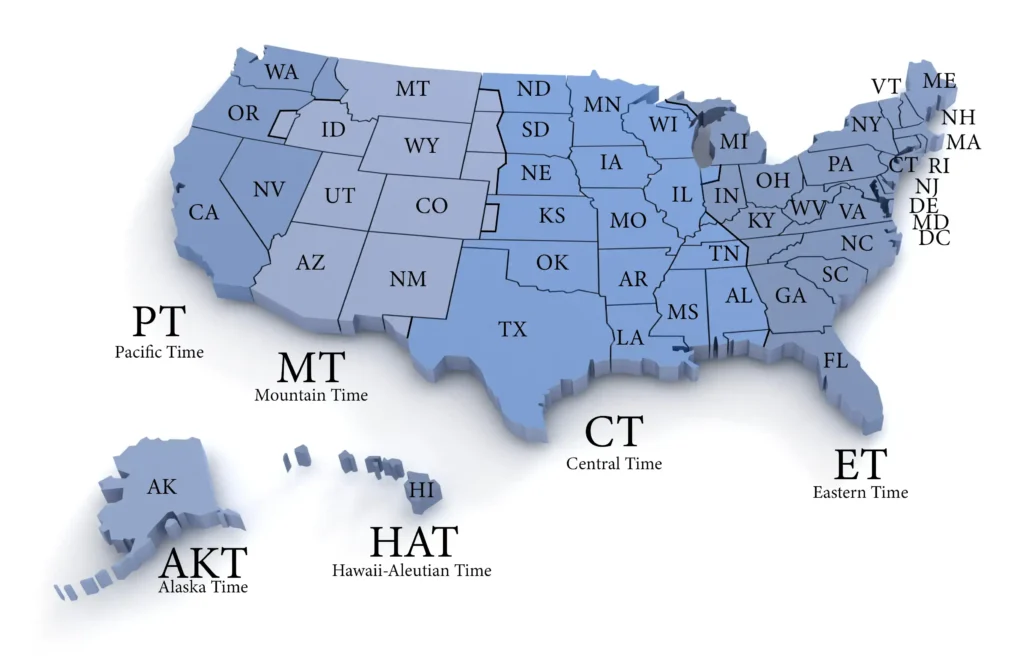
Mountain Time (MT) is one of the four main time zones in the contiguous USA. During standard time, it is seven hours behind Coordinated Universal Time (UTC-7). This typically lasts from the first Sunday in November to the second Sunday in March. When daylight saving time comes into effect, usually from the second Sunday in March to the first Sunday in November, the zone switches to Mountain Daylight Time (MDT), which is six hours behind Coordinated Universal Time (UTC-6). This “spring forward” adjustment means longer daylight hours in the evening, a welcome change for many outdoor activities and leisure pursuits.
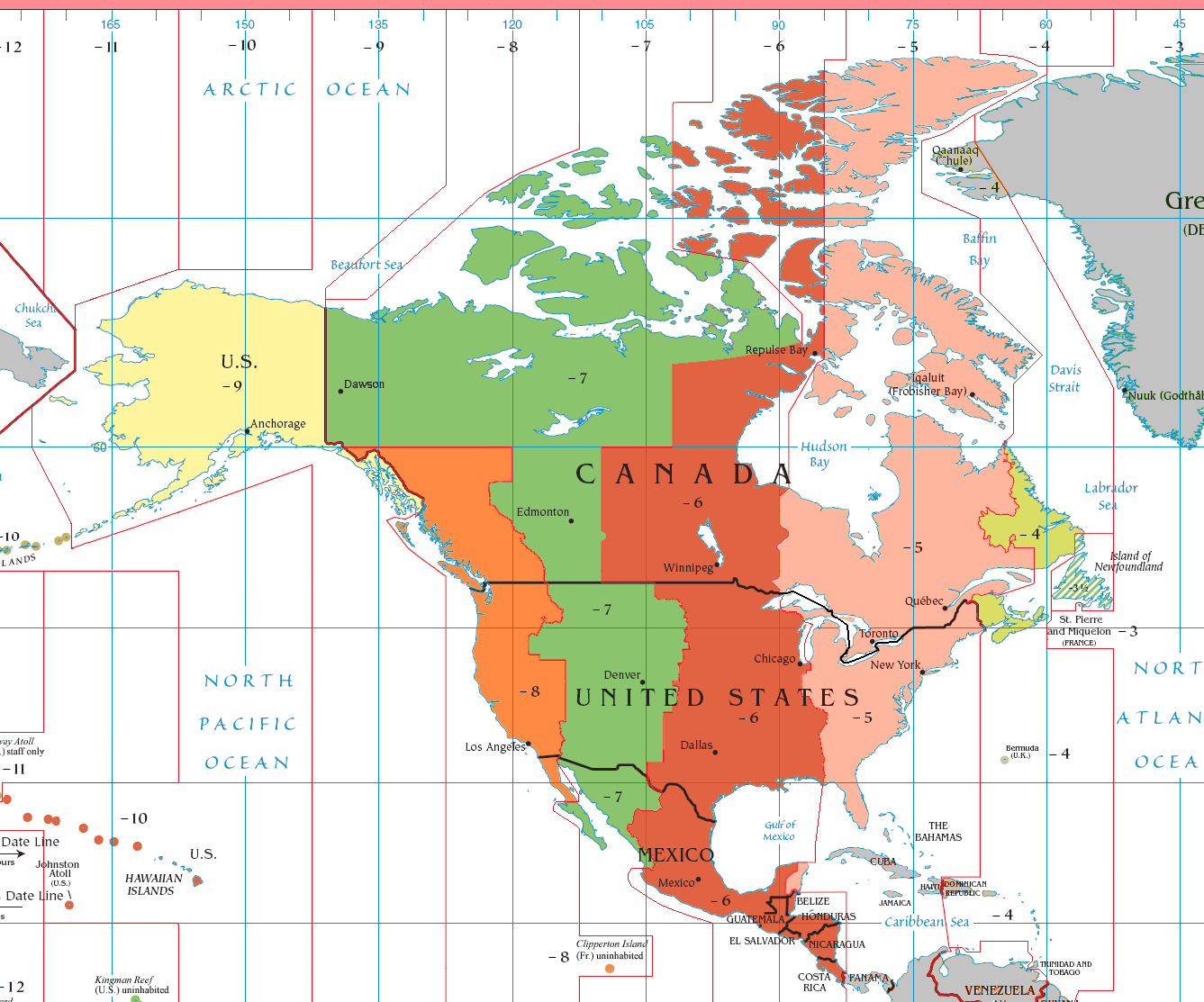
The Mountain Time Zone encompasses several states and parts of Canada and Mexico. In the USA, states entirely or partially within MT include Colorado, Arizona (which largely does not observe daylight saving time, remaining on Mountain Standard Time year-round), Idaho (southern parts), Montana, New Mexico, Utah, and Wyoming. This geographic spread gives the zone its distinctive character, often associated with rugged landscapes, vast open spaces, and a relaxed pace of life ideal for those seeking adventure or tranquility.
Why Time Zones Matter for Your Travel Plans
Ignoring time zone differences can lead to a cascade of inconveniences, from missed flights to disrupted accommodation plans. For a comprehensive travel experience, especially in a state like Colorado, which draws visitors from all corners of the globe, being aware of the time zone is essential.
- Flight Schedules: All flight times are listed in the local time of departure and arrival. If you’re flying from the Eastern Time Zone to Denver, remember that a 10:00 AM Eastern Time departure will land you in Denver around lunchtime Mountain Time, depending on the flight duration. Accounting for the two-hour difference (or three from Pacific Time) is vital.
- Hotel Check-ins and Check-outs: Most hotels, resorts, and apartment rentals operate on strict check-in and check-out times. Arriving too early or too late due to a miscalculation can lead to waiting periods or even forfeiture of a night’s stay if not communicated effectively. Many hotels in Colorado’s popular tourist hubs, like Aspen or Vail, cater to an international clientele, but adherence to local time is standard practice.
- Activity Bookings: From guided hikes in Rocky Mountain National Park to whitewater rafting excursions near Glenwood Springs or ski lessons in Breckenridge, virtually all tourism activities operate on local time. Missing a booked slot can mean losing money and valuable travel time.
- Communication: Staying in touch with family or colleagues back home requires an understanding of time differences to avoid inconvenient calls in the middle of the night. This is particularly relevant for business travelers whose lifestyle demands constant connectivity.
Colorado’s Definitive Place in the Mountain Time Zone
Every inch of Colorado falls within the Mountain Time Zone. There are no split zones within the state, simplifying planning considerably compared to some other states like Idaho or Oregon. This consistency means that whether you’re in the bustling city of Denver, scaling the heights of Pikes Peak near Colorado Springs, or exploring the western slope near Grand Junction, your watch will always be set to MT or MDT.
Navigating Schedules: Flights, Check-ins, and Reservations
When planning your journey to Colorado, particularly if flying into Denver International Airport (DIA), the busiest airport in the state, remember to adjust your internal clock. If you’re coming from the Eastern Time Zone, expect to “lose” two hours upon arrival. Conversely, if you’re traveling from the Pacific Time Zone, you’ll “gain” one hour. This adjustment period is crucial for everything from ensuring you arrive on time for an airport transfer to being punctual for your dinner reservations at one of Denver’s acclaimed restaurants.
For accommodation bookings, confirm all arrival and departure times in Mountain Time. Many hotels offer early check-in or late check-out options, sometimes for a fee, which can be invaluable when dealing with time zone shifts. Always communicate your expected arrival time, especially if it’s outside standard hours, to ensure a smooth welcome. Top-tier resorts in places like Vail and Aspen, which attract discerning travelers, often provide concierge services that can help manage these logistics, from booking transportation to coordinating activity schedules, all in sync with the local time.
Popular Colorado Destinations and Their Time Alignment
Every notable destination within Colorado adheres to Mountain Time. Here’s a quick overview of some key locations:
- Denver: The capital city and a major hub for travelers, Denver is firmly in MT/MDT. From exploring Downtown Denver to visiting the Denver Art Museum, all schedules follow this time.
- Colorado Springs: Home to Pikes Peak and the Garden of the Gods, this city also observes MT/MDT.
- Ski Resorts (Aspen, Vail, Breckenridge, Telluride): These world-renowned ski destinations, popular for their luxurious resorts and vibrant lifestyle, are all on MT/MDT. Ski lessons start on time, lift operations begin according to the local clock, and après-ski events are scheduled accordingly.
- Boulder: A vibrant university town known for its outdoor lifestyle and innovative spirit, Boulder also operates on MT/MDT.
- Grand Junction and the Western Slope: The agricultural and wine region of Colorado also follows MT/MDT.
This consistent time zone across the state simplifies multi-destination itineraries within Colorado, allowing you to focus on the experience rather than constantly recalibrating your watch.
Maximizing Your Colorado Experience with Time Zone Savvy
Beyond logistical planning, understanding Colorado’s time zone can actively enhance your travel experience. The “extra” evening daylight during MDT is particularly beneficial for outdoor enthusiasts, while smart scheduling can help mitigate the effects of jet lag.
Planning Outdoor Adventures and Activities
Colorado is synonymous with outdoor activities. Its vast natural landmarks – from the towering Rocky Mountains to the expansive national forests and pristine lakes – offer endless opportunities for hiking, skiing, mountain biking, fishing, and more. When the state shifts to Mountain Daylight Time in the spring, the “extra” hour of daylight in the evening is a significant boon.
- Longer Evenings for Exploration: Imagine finishing a scenic drive through Rocky Mountain National Park and still having ample daylight to enjoy an outdoor patio dinner in Estes Park or Boulder. MDT allows for more flexible scheduling of activities, extending your adventure into what would otherwise be dusk.
- Optimizing Light for Photography: For photographers, longer daylight hours provide more opportunities for capturing the golden hour, that magical time just after sunrise or before sunset when the light is soft and warm.
- Scheduling Guided Tours: Many tourism operators, from fly-fishing guides to whitewater rafting companies, schedule their last tours of the day to take advantage of the extended daylight during MDT. This gives travelers more options and flexibility.
When booking specific adventures, always confirm the start times and plan your day backward or forward from there, especially considering potential travel time to trailheads or meeting points.
Dining and Entertainment in Mountain Time
The dining and entertainment scene across Colorado is vibrant and diverse, catering to all tastes and lifestyles. From farm-to-table restaurants in Denver to cozy pubs in ski towns, and live music venues to cultural performances, there’s always something to experience. Your time zone awareness comes into play here, too.
- Reservation Planning: High-demand restaurants, particularly in Denver, Boulder, and the popular ski resorts, often require reservations made weeks in advance. When making these, ensure you’re noting the time in MT/MDT to avoid any mix-ups.
- Showtimes and Events: If you’re planning to catch a show at the iconic Red Rocks Amphitheatre or a performance in the Denver Performing Arts Complex, showtimes will be strictly on Mountain Time. Arriving late means missing out.
- Happy Hour and Nightlife: For those enjoying the local lifestyle, happy hour specials and nightclub openings also follow the local clock. An early arrival from an Eastern Time Zone origin might feel like a late night, while a Pacific Time Zone visitor might find themselves enjoying an earlier start to the evening.
Overcoming Jet Lag and Adjusting to Local Time
For long-haul travelers, particularly those crossing multiple time zones, jet lag can be a significant hurdle. Colorado’s Mountain Time is typically a 1-2 hour difference from the Pacific Time Zone and 2-3 hours from the Central Time and Eastern Time Zones, respectively. While not as severe as transatlantic travel, it can still affect your initial days.
- Pre-Arrival Adjustment: Try to subtly shift your sleep schedule by an hour or two in the days leading up to your trip.
- Hydration and Light Meals: Stay well-hydrated during your flight and opt for light, healthy meals.
- Sunlight Exposure: Upon arrival, expose yourself to natural light, especially in the morning. This helps reset your circadian rhythm.
- Avoid Napping: Resist the urge for long naps on your first day. Push through until a reasonable local bedtime.
- Comfortable Accommodation: Choosing accommodation with comfortable beds and blackout curtains (many hotels offer these amenities) can significantly aid in a restful night’s sleep as you adjust.
By proactively addressing jet lag, you can fully embrace the Colorado experience from day one, maximizing your enjoyment of all the state’s attractions and activities.
The Broader Impact: Time Zones and Lifestyle in Colorado
The Mountain Time Zone influences not just individual travel plans but also the broader rhythm of life and business within Colorado. This impacts how tourism operates, how businesses connect, and ultimately, the daily lifestyle of residents and visitors alike.
Business and Tourism Considerations
From a business perspective, being in Mountain Time places Colorado in a unique position between the bustling financial centers of the East Coast and the technological innovation hubs of the West Coast. This allows for a reasonable overlap in business hours with both, facilitating smoother inter-state commerce and communication.
For the tourism industry, this means that inbound calls for hotel bookings or tour reservations can be handled during standard business hours from a wider range of origins. Colorado’s tourism economy thrives on visitors from across the USA and internationally. The straightforward time zone across the entire state simplifies marketing and logistical coordination for tour operators, hotels, and attractions alike. International visitors from Europe or Asia will typically face a larger time difference, making proactive communication with their chosen accommodation and activity providers even more critical.
Hotels and Accommodation Best Practices
When it comes to hotels and other forms of accommodation in Colorado, understanding the local time zone directly impacts your stay. Booking platforms typically show times in the local zone, but it’s always wise to double-check.
- Confirmation Emails: Always review your confirmation emails for hotel bookings, flight details, and activity reservations. These documents will explicitly state times, which are universally understood to be local to the service provider.
- Front Desk Hours: While many larger hotels have 24/7 front desks, smaller boutique hotels or vacation rentals might have limited check-in windows. Confirming these in advance, according to Mountain Time, is crucial to avoid arriving at a locked office.
- Amenities and Services: Restaurant hours, pool access, spa appointments, and shuttle services provided by your accommodation will all operate on MT/MDT. Planning your day around these schedules will maximize your enjoyment of the amenities your chosen hotel or resort offers. For example, knowing the pool closes at 9 PM Mountain Time allows you to properly gauge your post-activity relaxation.
In conclusion, yes, Colorado is definitively in the Mountain Time Zone, observing Mountain Daylight Time during spring and summer months. This consistent time across the entire state simplifies travel planning and ensures a smoother, more enjoyable visit. By acknowledging and planning for this time zone, especially when coordinating flights, accommodation, and tourism activities, you can fully immerse yourself in the incredible landmarks, vibrant lifestyles, and unparalleled natural beauty that Colorado has to offer. So, set your watch, and prepare for an unforgettable adventure in the heart of the American West!
LifeOutOfTheBox is a participant in the Amazon Services LLC Associates Program, an affiliate advertising program designed to provide a means for sites to earn advertising fees by advertising and linking to Amazon.com. Amazon, the Amazon logo, AmazonSupply, and the AmazonSupply logo are trademarks of Amazon.com, Inc. or its affiliates. As an Amazon Associate we earn affiliate commissions from qualifying purchases.