
Colorado, often hailed as the “Centennial State,” is a land of dramatic contrasts and breathtaking beauty, famous for its towering peaks, expansive plains, and vibrant urban centers. When one asks, “What zone is Colorado?”, the answer is far more complex and intriguing than a simple geographical coordinate. It encompasses a multitude of zones – from its designated time zone to its varied climatic regions, diverse ecological habitats, and the distinct tourism experiences it offers. For travelers, understanding these “zones” is key to unlocking the full potential of a visit, whether planning an adventurous outdoor escapade, a cultural city break, or a tranquil retreat. This guide delves into the multifaceted zoning of Colorado, providing an essential blueprint for exploring one of the most dynamic states in the United States.
Navigating Colorado’s Time Zones: A Precise Start
For any journey or business engagement in Colorado, the first “zone” to consider is its temporal alignment.
Mountain Time Zone: The Standard Across the State
Almost universally, Colorado operates within the Mountain Time Zone. This means that during standard time, Colorado observes Mountain Standard Time (MST), which is seven hours behind Coordinated Universal Time (UTC-7). When Daylight Saving Time is in effect, typically from mid-March to early November, the state switches to Mountain Daylight Time (MDT), moving one hour forward to UTC-6.
This consistent time zone across the entire state simplifies travel planning, accommodation bookings, and scheduling activities. Whether you’re landing at Denver International Airport for a city adventure in Denver, heading to the ski slopes of Vail or Aspen, or exploring ancient Anasazi cliff dwellings in Mesa Verde National Park, you’ll find consistency in timing. This uniformity is a practical boon for visitors, ensuring that a booked dinner reservation in Boulder or a morning hike near Colorado Springs operates on the same clock, eliminating potential confusion often encountered in states spanning multiple time zones. For business travelers, knowing this standard makes conference calls and meetings straightforward, aligning schedules across the vibrant economy of cities like Denver and Fort Collins.
Colorado’s Climatic Tapestry: From Alpine Peaks to High Plains
Beyond time, Colorado’s true “zoning” marvel lies in its incredibly diverse climates, directly influenced by its dramatic topography. The state boasts an astonishing range of microclimates, making it a destination that caters to varied preferences throughout the year.
The Influence of Elevation on Climate Zones
The primary driver of Colorado’s climatic zones is elevation. The state’s landscape rises dramatically from the eastern Great Plains, generally above 3,500 feet, to the majestic Rocky Mountains, featuring 58 peaks over 14,000 feet, including Mount Elbert, the highest point in the state. This colossal elevation gradient creates distinct climate patterns:
- Higher elevations experience shorter, cooler summers and long, extremely cold, and snowy winters.
- Lower elevations on the eastern plains have hotter summers, colder winters, and less precipitation.
- The Western Slope, west of the Continental Divide, often has a milder, drier climate than the eastern Front Range, though still significantly influenced by elevation.
This diversity means that while skiers are hitting the powder in Breckenridge in February, residents on the Eastern Plains might be experiencing a comparatively milder, albeit still cold, winter. The seasonal shifts across these zones dictate the types of outdoor activities, the necessity for specific gear, and even the optimal times for booking particular types of accommodation.
Key Climate Zones and Their Characteristics
Colorado can be broadly categorized into several climatic zones, each offering a unique experience for visitors:
- Alpine/Tundra Zone: Found above the tree line (around 11,000 feet), this zone experiences extreme cold, high winds, and heavy snowfall, even in summer. Summers are short and cool, barely rising above freezing. This harsh environment is home to hardy wildflowers and wildlife, making it a draw for intrepid hikers in Rocky Mountain National Park.
- Subalpine/Montane Zone: These are the forested mountain regions, typically from 8,000 to 11,000 feet. Winters are long and snowy, perfect for skiing at resorts like Telluride or Steamboat Springs, while summers are cool and pleasant, ideal for hiking, camping, and enjoying mountain lakes.
- Foothills Zone: This transitional area between the mountains and the plains (around 5,000 to 8,000 feet) enjoys a milder climate than the higher elevations. Cities like Boulder and Golden fall into this zone, experiencing distinct four seasons with moderate temperatures, making them popular for year-round outdoor recreation and urban exploration.
- High Plains/Semi-Arid Steppe Zone: Covering much of eastern Colorado, this zone is characterized by warm to hot summers, cold winters, and moderate precipitation, often in the form of thunderstorms. While sometimes overlooked, this zone offers unique experiences like stargazing, exploring historic Santa Fe Trail remnants, and enjoying vast agricultural landscapes.
- Western Slope/High Desert Zone: Portions of Western Slope Colorado, particularly around Grand Junction, exhibit characteristics of a high desert climate. Summers are hot and dry, while winters are milder than in the mountains. This area is famous for its fruit orchards, vineyards (especially around Palisade), and distinctive red rock formations, offering a very different landscape and set of activities compared to the rest of the state.
Understanding USDA Plant Hardiness Zones in Colorado
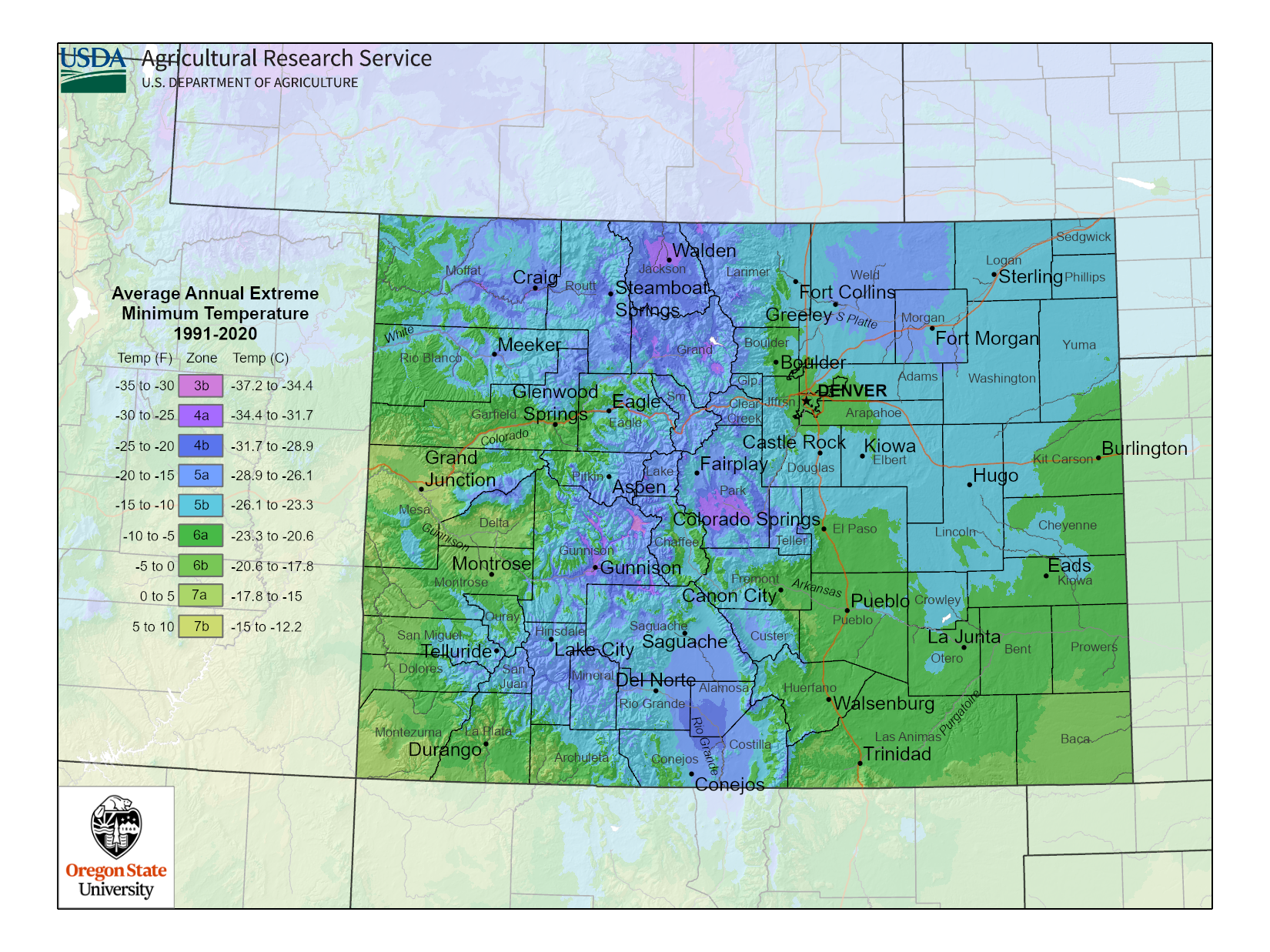
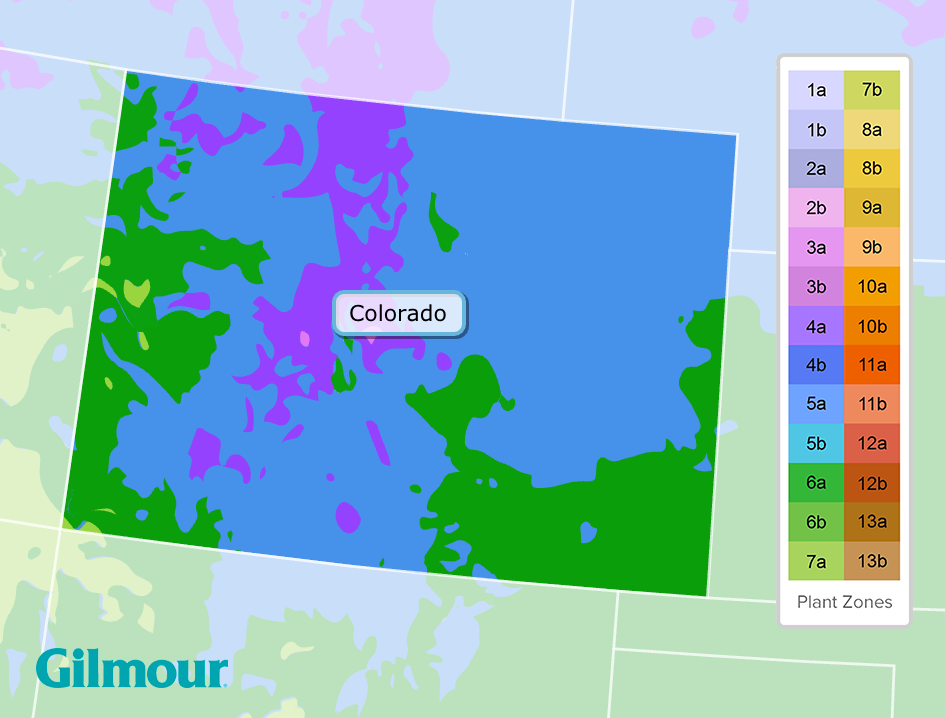
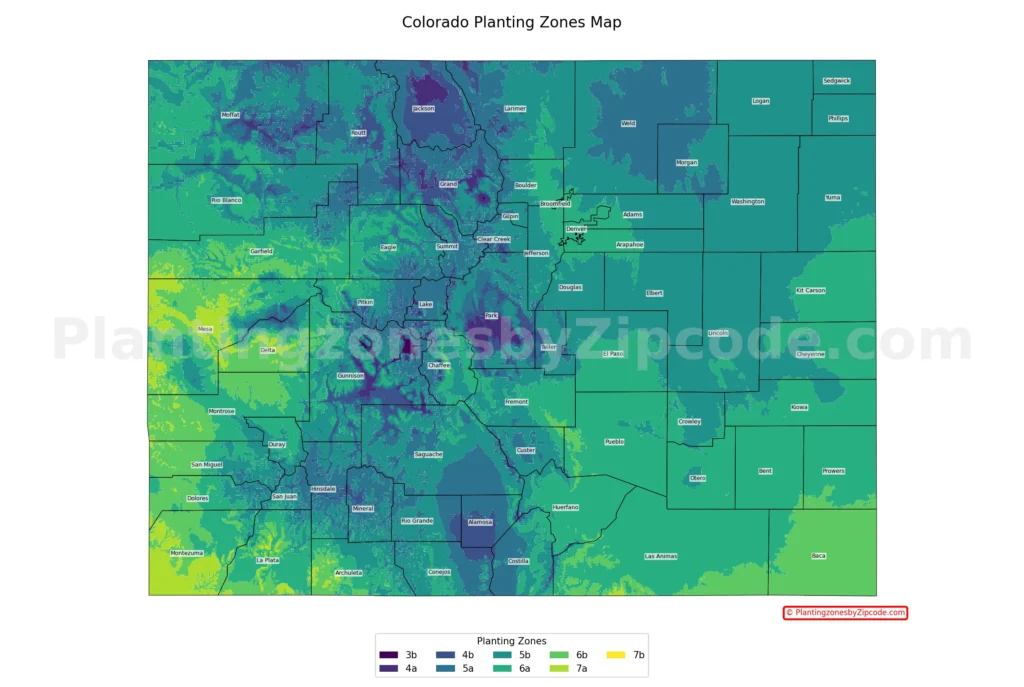
For those interested in the natural flora or even home gardening, the USDA Plant Hardiness Zone map provides another crucial “zone” perspective. This system, based on average annual extreme minimum winter temperatures, dictates which plants are most likely to survive in a given location. Colorado spans an impressive range of these zones, typically from 3a (-40 to -35°F) in the highest mountain reaches and parts of the San Luis Valley to 7a (0 to 5°F) in milder areas like Grand Junction and parts of the Front Range.
This wide range signifies the incredible biodiversity and varied agricultural potential within the state. A traveler keen on horticultural tourism might explore the Denver Botanic Gardens to see what thrives in the 5b/6a zone, then head west to experience the vineyards that flourish in the warmer zones of Palisade. Understanding these zones is not just for gardeners; it informs the characteristic landscapes you’ll encounter, from the Ponderosa pine forests of the foothills to the high-alpine meadows, each supporting specific ecosystems and offering unique aesthetic appeal.
Geographic and Ecological Zones: A Landscape of Wonders
Colorado’s geological formations and natural ecosystems define yet another layer of its “zoning,” creating a series of distinct regions, each with its own character and allure.
The Dominance of the Rocky Mountains
The Rocky Mountains form the iconic backbone of Colorado, running north to south through the state’s center. This massive mountain range is itself a collection of sub-zones, including numerous national forests like Arapaho National Forest, Pike National Forest, and Uncompahgre National Forest. Within these mountains, you find:
- Alpine Tundra: Treeless areas above 11,000 feet, characterized by delicate plant life and hardy wildlife.
- Subalpine Forests: Dominated by spruce and fir trees, offering stunning vistas and crucial habitats.
- Montane Forests: Ponderosa pine and aspen groves define these zones, vibrant with wildflowers in spring and golden hues in autumn.
These mountain zones are the heart of Colorado’s outdoor adventure tourism. They are home to four National Parks, including the crown jewel, Rocky Mountain National Park, which showcases diverse ecosystems from montane to alpine tundra. Visitors flock to these zones for world-class skiing and snowboarding at resorts like Keystone and Copper Mountain, whitewater rafting on the Arkansas River, rock climbing, and hundreds of miles of hiking trails. The charm of historic mining towns like Silverton, Creede, and Leadville further adds to the unique appeal of this mountainous zone, offering a glimpse into Colorado’s rich past.
The Eastern Plains: Colorado’s Agricultural Heartland
Contrasting sharply with the rugged mountains are the Eastern Plains, a vast expanse of shortgrass prairie that gently slopes eastward from the Front Range to Kansas and Nebraska. This zone is Colorado’s agricultural heartland, characterized by expansive farmlands, small rural towns, and a slower pace of life.
While often overshadowed by the mountains, the Eastern Plains offer a unique beauty and cultural experience. It’s a zone of big skies, incredible sunsets, and a rich history, including remnants of the Santa Fe Trail. This area is less about luxury resorts and more about authentic local culture, farm-to-table experiences, and opportunities for quiet contemplation. Attractions include the ProRodeo Hall of Fame and Museum of the American Cowboy in Colorado Springs, and birdwatching opportunities at various wildlife refuges. For those seeking budget travel or family trips focused on natural history and agriculture, the plains offer an invaluable perspective on Colorado’s foundational industries.
The Colorado Plateau: Red Rocks and Ancient History
In Southwest Colorado, the landscape transforms once more into a segment of the Colorado Plateau. This zone is defined by its dramatic red rock canyons, mesas, and unique geological formations, a stark contrast to the verdant mountains and flat plains.
The Colorado Plateau zone is most famously home to Mesa Verde National Park, a UNESCO World Heritage Site preserving the incredible cliff dwellings of the ancient Anasazi people. Other notable features include the Black Canyon of the Gunnison National Park, with its impossibly steep and narrow gorges, and the Four Corners monument, where Colorado, Arizona, New Mexico, and Utah meet. The towns of Durango and Ouray, nestled amidst the stunning San Juan Mountains, serve as gateways to this ruggedly beautiful zone, offering opportunities for scenic train rides, off-roading, and soaking in natural hot springs. The rich history and distinctive natural beauty of this region make it a compelling destination for those interested in cultural heritage, geological wonders, and serene outdoor experiences.
Colorado as a Tourism Zone: Experiences for Every Traveler
Beyond its physical and temporal zones, Colorado functions as a vibrant tourism zone, catering to an incredibly diverse array of travel styles and preferences. Its appeal is rooted in the combination of its natural beauty, urban sophistication, and a robust infrastructure designed to welcome visitors.
Adventure and Outdoor Pursuits
The very essence of Colorado for many is its unparalleled outdoor adventure zone. From the snow-capped peaks to the rushing rivers and vast trails, the state is a playground for adrenaline junkies and nature lovers alike.
- Winter Sports: The mountain zones are legendary for skiing and snowboarding. Resorts like Vail, Aspen, Breckenridge, Telluride, Steamboat Springs, Keystone, Copper Mountain, Monarch Mountain, and Wolf Creek Ski Area offer slopes for all skill levels, luxury amenities, and vibrant aprés-ski scenes. Other winter activities include snowshoeing, ice climbing, and snowmobiling.
- Summer Adventures: When the snow melts, the mountains transform into a hiking and biking paradise. Rocky Mountain National Park offers countless trails, while cities like Boulder and Colorado Springs provide immediate access to foothills trails. Whitewater rafting and kayaking are popular on rivers like the Arkansas and Colorado Rivers. Glenwood Springs and Pagosa Springs offer natural hot springs for relaxation after a day of adventure.
- Unique Natural Wonders: The majestic Garden of the Gods in Colorado Springs, the towering Pikes Peak, the surreal landscape of Great Sand Dunes National Park and Preserve, and the awe-inspiring Royal Gorge Bridge & Park are all iconic landmarks that define Colorado’s status as a premier natural attractions destination.
Cultural and Urban Exploration
While renowned for its wilderness, Colorado also offers thriving urban and cultural zones, particularly along the Front Range.
- Denver: The capital city, Denver, serves as a hub for arts, dining, and entertainment. Explore world-class institutions like the Denver Art Museum, catch a show at Red Rocks Amphitheatre, or enjoy a baseball game at Coors Field. The city’s neighborhoods, from the historic Larimer Square and LoDo to the vibrant River North Art District (RiNo) and Golden Triangle Creative District, offer diverse cultural experiences, renowned cuisine, and an exciting nightlife. Union Station acts as a gateway to the city and a beautiful landmark in itself.
- Boulder: A bohemian mountain town with a progressive spirit, Boulder is famous for its outdoor lifestyle, walkable Pearl Street Mall, and the University of Colorado Boulder. It’s a prime example of Colorado’s unique blend of urban sophistication and natural access.
- Colorado Springs: Home to the US Air Force Academy, Cheyenne Mountain Zoo, and a gateway to Pikes Peak, Colorado Springs offers a mix of military history, family-friendly attractions, and stunning natural scenery. The intense Manitou Incline challenges hikers, while the charming town of Manitou Springs offers unique shops and mineral springs.
Accommodation Zones: From Luxury Resorts to Rustic Cabins
Colorado’s diverse zones also dictate the array of accommodation options available, catering to every budget and travel style.
- Luxury Resorts: In high-end ski towns like Aspen, Vail, Beaver Creek, and Snowmass Village, travelers can find world-class suites, chalets, and full-service resorts offering unparalleled amenities, fine dining, and ski-in/ski-out access. These zones are perfect for luxury travel, romantic getaways, or indulgent family trips.
- Boutique Hotels and Urban Stays: Cities like Denver, Boulder, and Fort Collins boast a vibrant selection of boutique hotels, modern apartments, and business-friendly accommodations. From historic hotels in Downtown Denver to contemporary suites near University of Colorado Boulder or Colorado State University for business or academic visits, the urban zones cater to a different pace of travel.
- Vacation Rentals and Cabins: For those seeking a more immersive nature experience, especially in areas like Estes Park (gateway to Rocky Mountain National Park), Grand Lake, or secluded mountain towns, vacation rentals, rustic cabins, and lodges are abundant. These are ideal for family trips, long-term stays, or budget-conscious travelers who prefer self-catering options.
- Unique Stays: Colorado also offers unique accommodation experiences, from glamping sites near Great Sand Dunes National Park and Preserve to historic hotels in former mining towns like Central City and Black Hawk.
In conclusion, understanding “What zone is Colorado?” is to appreciate its incredible dynamism. It’s a state that fluidly moves between time zones and climate zones, geological formations and ecological biomes, and ultimately, distinct tourism experiences. Whether you’re seeking the crisp alpine air of the Rocky Mountains, the vibrant urban culture of Denver, or the ancient history of the Colorado Plateau, Colorado presents a diverse palette of “zones” waiting to be explored. Each region offers its own unique charm, challenges, and rewards, promising an unforgettable journey for every kind of traveler.
LifeOutOfTheBox is a participant in the Amazon Services LLC Associates Program, an affiliate advertising program designed to provide a means for sites to earn advertising fees by advertising and linking to Amazon.com. Amazon, the Amazon logo, AmazonSupply, and the AmazonSupply logo are trademarks of Amazon.com, Inc. or its affiliates. As an Amazon Associate we earn affiliate commissions from qualifying purchases.